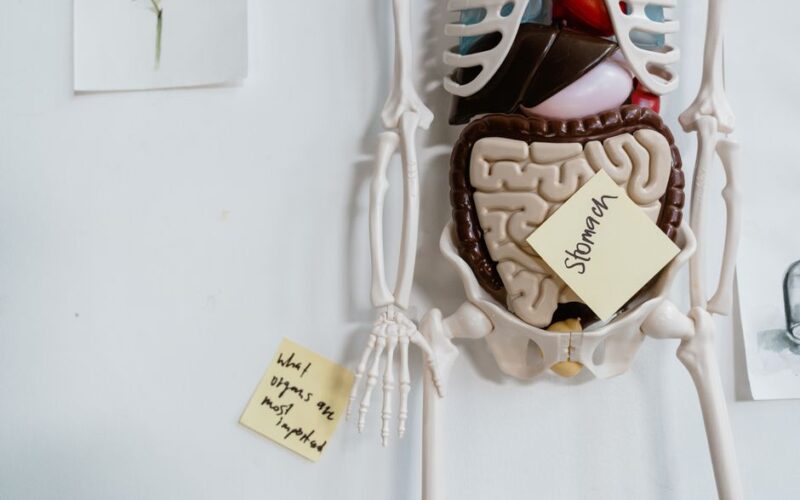


You ate the same lunch you always do. No dairy, no gluten, nothing fried. And yet by mid-afternoon your stomach feels like a slow, uncomfortable knot. Before you overhaul your diet or reach for another digestive enzyme, it is worth considering something most people overlook: your nervous system may have already switched off your digestion long before the first bite.
Understanding the difference between a food-driven gut problem and a stress-driven one is one of the most practical shifts you can make for long-term digestive health. And stress management, it turns out, is often the missing half of the conversation.
How Your Nervous System Controls Digestion
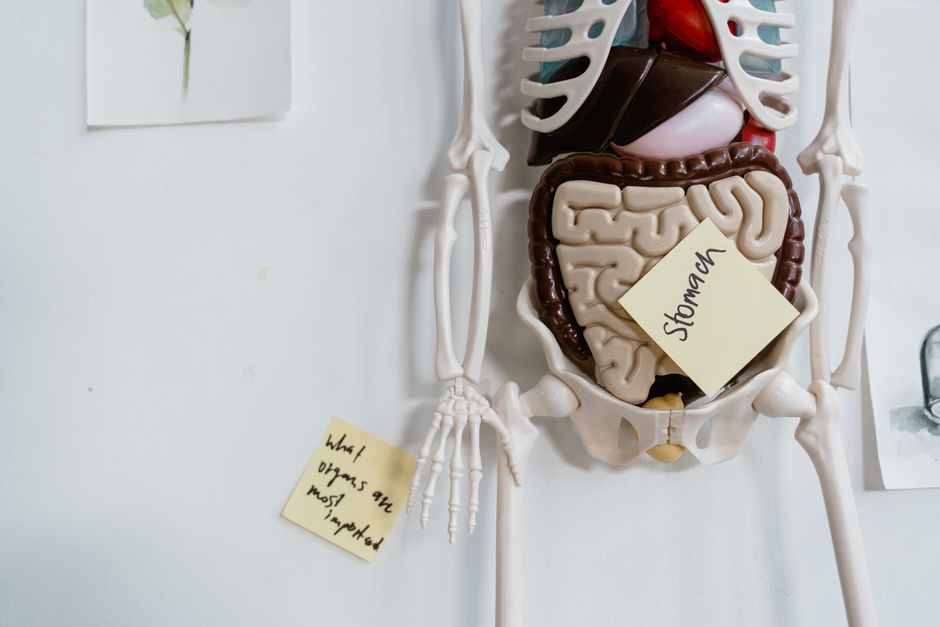
Your digestive system does not operate on autopilot independently of your brain. It runs on a bidirectional communication highway called the gut-brain axis, coordinated largely through the vagus nerve. The enteric nervous system lining your gut contains roughly 500 million neurons, and research published by the National Institute of Diabetes and Digestive and Kidney Diseases confirms that gut motility, enzyme secretion, and blood flow to the intestines are all regulated through the autonomic nervous system.
That autonomic system has two dominant modes:
- Parasympathetic (rest-and-digest): Blood flows toward the gut, digestive enzymes activate, and muscular contractions (peristalsis) move food forward efficiently.
- Sympathetic (fight-or-flight): Blood redirects to muscles and the heart, digestive secretions drop, and peristalsis slows or stalls.
When you are chronically rushed, anxious, or operating under sustained pressure, your body holds a low-grade sympathetic charge. Digestion does not stop entirely, but it slows significantly. This is not a food intolerance. It is a physiology problem rooted in how your nervous system perceives safety.

The Comparison: Dietary Sluggishness vs. Stress-Driven Sluggishness
These two causes of slow digestion look similar on the surface but have different patterns.
Dietary sluggishness tends to correlate with specific foods or meal composition. You notice it consistently after high-fat meals, beans, carbonated drinks, or eating very quickly. Symptoms appear within one to two hours of eating. Adjusting food choices or eating pace often brings noticeable relief. (If eating speed is part of the picture for you, Digestive Discomfort From Rushed Eating: Why Pace and Chewing Beat Food Restriction Every Time offers a closer look at why slowing down can matter more than elimination.)
Stress-driven sluggishness is less predictable. You may feel bloated after meals that have never bothered you before. The discomfort tends to arrive on high-pressure workdays or during emotionally loaded periods. You might notice that the same meal eaten on a relaxed weekend sits much better than the identical meal eaten during a deadline week. Symptoms can include bloating, constipation, a sensation of fullness that lingers for hours, or nausea without an obvious dietary trigger.
A useful self-check: if your symptoms shift with your stress level rather than tracking consistently with specific foods, your nervous system is likely a primary driver.
Three Nervous System Practices That Support Digestive Health
The good news is that downregulating your sympathetic state is a trainable skill. None of the three practices below require dietary changes, supplements, or a gym.
1. Pre-Meal Parasympathetic Reset (2 Minutes)
Before eating, your body needs a signal that it is safe to digest. One of the most evidence-supported ways to shift quickly from sympathetic to parasympathetic is slow, extended exhale breathing. Research published through the National Institutes of Health suggests that prolonged exhalation activates vagal tone and reduces physiological stress markers.
Try this before your next meal: inhale for four counts, exhale slowly for six to eight counts. Repeat five times. That is it. You are not meditating or clearing your mind; you are sending a mechanical signal through your vagus nerve that conditions your gut to begin producing digestive enzymes. If you want to build a more structured breathwork practice, Breathing Patterns That Calm Your Nervous System Without Meditation: A Practical Guide for Stress Relief on Demand walks through several approaches in more detail.
2. Post-Meal Movement Breaks (5 to 10 Minutes)
Sitting still after eating while you scroll through messages or return calls keeps your body in a low-grade alert state. Light movement, specifically slow walking, has been shown in multiple studies to enhance gastric emptying and reduce post-meal blood sugar spikes without taxing the body. A short walk after meals acts like a physical on-switch for peristalsis.
This does not require a dedicated walk. A five-minute circuit of your office floor, a gentle pace around the block, or even standing and doing light household tasks engages enough muscle activity to encourage gut motility. For a broader look at movement as a stress tool, How to Use Digestive Movement Breaks to Restore Energy and Focus at Work offers a practical framework you can use without leaving your building.
3. Nervous System Anchoring at Bedtime
Chronic digestive sluggishness rarely exists in isolation. Many people find their worst gut symptoms align with periods of poor sleep or high evening stress, when cortisol should be dropping but does not. Cortisol elevation suppresses the parasympathetic activity your gut needs to complete its overnight clearing process.
A brief evening wind-down routine, nothing more than ten minutes of dim light, no screens, and slow breathing or light stretching, can shift the hormonal environment enough to support overnight gut motility. If you are exploring the comparison between breathwork and other calming practices, Breathwork vs. Meditation for Stress: Which Practice Fits Your Life and Nervous System offers a fair side-by-side look at both.
What These Practices Cannot Replace
Nervous system regulation is a meaningful and underused lever for digestive health, but it is not a substitute for professional evaluation. If you experience persistent pain, significant changes in bowel habits, blood in stool, unintended weight loss, or symptoms that do not respond to lifestyle shifts over several weeks, consult a qualified healthcare professional. Conditions like irritable bowel syndrome, gastroparesis, or inflammatory bowel disease require proper diagnosis, not self-management alone.
Similarly, if stress or anxiety feels chronic and overwhelming, a licensed mental-health professional can offer tools far more targeted than any breathing exercise.

One Small Step
You do not need to overhaul your eating plan or commit to a new wellness program today. Choose one practice from this article and try it consistently for one week. The pre-meal breathing reset is often the easiest starting point because it fits into a moment you already have.
If you want to keep building on this foundation, the Clean Body Mentor newsletter delivers practical, evidence-informed guidance each week without the noise. Small, consistent actions are how real progress actually happens.
This article is for general educational and informational purposes only and is not a substitute for medical advice, diagnosis, or treatment. Health needs vary by individual. Consult a qualified healthcare professional before making significant changes to your diet, exercise routine, supplements, medication, or treatment plan, especially if you have a medical condition, are pregnant or breastfeeding, take medication, or have concerns about your symptoms.

Sources
- National Institute of Diabetes and Digestive and Kidney Diseases (NIDDK). “Your Digestive System and How It Works.” U.S. Department of Health and Human Services.
- Bharmal SH, et al. “Enteric nervous system and gastrointestinal physiology.” Referenced via NIH National Library of Medicine, PubMed.
- Carabotti M, et al. “The gut-brain axis: interactions between enteric microbiota, central and enteric nervous systems.” Annals of Gastroenterology, 2015. Available via NIH PubMed (PMID 25830558).
- Jeong JH, et al. “Effects of prolonged exhalation on autonomic nervous system activity.” Referenced through NIH National Library of Medicine.
- Bellini M, et al. “Acute physical exercise and gastrointestinal motility: a review.” World Journal of Gastroenterology, relevant issue available via PubMed.