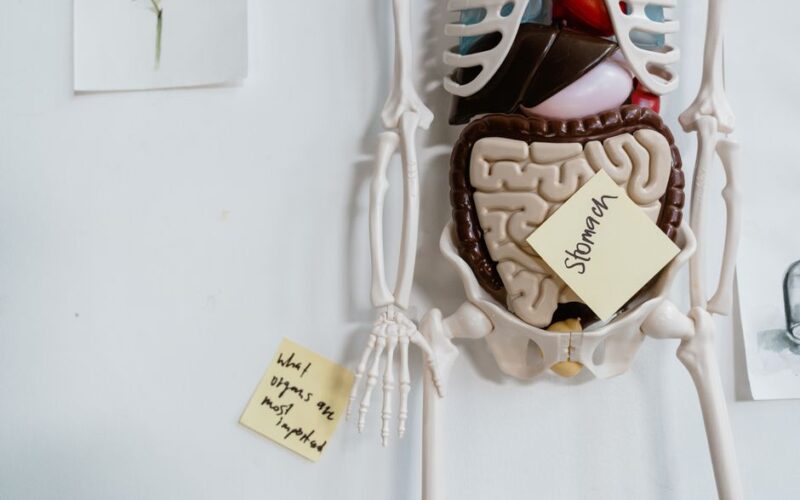

You take a rest day, you eat your usual meals, and by mid-afternoon your stomach feels heavy, gassy, or uncomfortably full. Nothing changed except that you did not work out. That timing is not a coincidence.
Digestive bloating during recovery days is one of the most common complaints among people who exercise regularly, and the fix is not a different diet or a probiotic. Most of the time, it comes down to one thing: your gut needs movement to move food along, and when your activity drops sharply, digestion slows with it.
Here is what is actually happening and how you can use simple movement timing to keep your gut comfortable on every rest day.

Why Rest Days Slow Your Digestive System
Your digestive tract relies on a rhythmic muscular process called peristalsis, the wave-like contractions that push food and waste through your intestines. Physical activity naturally amplifies these contractions. Research published in studies tracked by the NIH suggests that even moderate exercise, like walking, increases intestinal transit time and reduces the likelihood of gas buildup.
When you go from active days to full rest, several things happen at once:
- Intestinal contractions slow. Less whole-body movement means less stimulation to the gut muscles, so food spends more time sitting in your colon.
- Gas accumulates. Slower transit gives gut bacteria more time to ferment undigested material, producing excess gas and the bloated feeling that goes with it.
- Core engagement drops. During workouts you naturally brace your midsection repeatedly. On rest days that internal pressure drops, reducing the gentle massage effect movement has on your organs.
- Stress hormones may shift. Exercise helps regulate cortisol patterns. On passive rest days, some people experience a mild cortisol spike that can disrupt gut motility and increase water retention, making bloating feel worse.
This does not mean rest days are bad for your gut. Your body needs them. It means that complete stillness, sitting for most of the day, is what creates the problem, not the absence of a structured workout.

How Movement Timing Restores Digestive Comfort
The goal on a rest day is not cardio. It is circulation and gentle mechanical stimulation of the gut at the right times. Think of it as digestive movement rather than exercise movement.
Time a Short Walk After Each Meal
A 10-15 minute walk after eating is one of the most evidence-supported strategies for reducing post-meal bloating. A small clinical trial published in the journal Nutrients (2022) found that a brief post-meal walk significantly accelerated gastric emptying compared to sitting. You do not need speed; a comfortable stroll activates the lower body muscles and gently shifts your abdominal contents enough to support motility.
For practical guidance on how post-meal movement interacts with digestion and nutrient absorption, see Stretching for Digestion: How Post-Meal Movement Supports Nutrient Absorption and Comfort.
Use Stretching Breaks Every 60-90 Minutes
Sitting compresses your digestive organs, slows lymphatic flow, and reduces gut motility. Breaking up long periods of sitting every 60-90 minutes with 5 minutes of gentle movement, even just standing and doing slow torso rotations or forward folds, keeps the gut stimulated without taxing your recovery.
Try this simple sequence:
- Stand and take 5 slow deep breaths to expand your belly (not just your chest).
- Rotate your torso gently side to side, 5 times each direction.
- Do a slow forward fold, letting your spine decompress for 30 seconds.
- Take a short walk to the kitchen or outside and back.
This takes under 5 minutes and meaningfully changes how your gut moves gas through your colon. For more on how posture during and after meals plays into this pattern, see Why Your Digestion Feels Sluggish After Meals and How Posture Fixes It.
Prioritize Morning Movement Before Your First Meal
Your digestive system is primed to activate with movement in the morning. A 10-minute walk or light yoga session before breakfast can stimulate the gastrocolic reflex, the natural urge to have a bowel movement triggered by the body waking up and moving. On rest days when you might otherwise stay in bed longer or sit with coffee for an hour, this morning window is easy to miss.
Even 5-10 minutes of light stretching or walking before or with your first meal keeps things moving and reduces the gas buildup that peaks later in the afternoon.
Adjust Your Eating Pace and Meal Timing
On training days, your body is primed to process food efficiently. On rest days, that efficiency decreases slightly, so eating large meals in one sitting can overwhelm a slower gut. Consider distributing your calories slightly more evenly across the day and slowing your eating pace. Chewing thoroughly reduces the amount of undigested food reaching your colon, which directly lowers fermentation and gas production.
If afternoon bloating is a recurring pattern for you, the eating order of your meals may also be contributing. Why Your Afternoon Digestion Feels Heavy and Four Foods That Actually Lighten It offers practical food-order strategies that pair well with the movement timing approach above.
Watch Hydration Timing
Rest days can also bring changes in how and when you drink water. Sipping water consistently throughout the day, rather than drinking large amounts in one sitting, helps keep stool soft and supports intestinal transit. Drinking too much liquid too quickly with a meal can dilute digestive enzymes temporarily, which some people find increases their bloated feeling. Digestive Bloating From Hydration Timing: Why Drinking Water With Meals Feels Different Than Between Them explains the mechanics in more detail.
Building a Rest Day Routine That Supports Digestion
You do not need a plan that feels like a workout. A practical rest-day movement rhythm might look like this:
- Morning: 10-minute walk or gentle yoga before or with breakfast
- Mid-morning: 5-minute stretch break after sitting for 90 minutes
- Post-lunch: 10-minute walk within 20 minutes of finishing your meal
- Afternoon: One or two more 5-minute movement breaks as needed
- Evening: Slow post-dinner walk or light stretching before bed
This adds up to roughly 30-40 minutes of gentle movement spread across the day, well within what any rest day can accommodate and meaningful for digestive bloating recovery movement without stressing your body.

One Small Action to Start Today
Choose one of these strategies and try it on your next rest day. Post-meal walks are the easiest starting point for most people because the timing is built in. Once that feels routine, add the stretch break habit every 60-90 minutes.
If you would like more practical strategies for building intuitive movement into your daily routine without gym time, Building Intuitive Movement Into Your Workday Without Gym Time or Extra Motivation is worth reading next. You can also subscribe to the Clean Body Mentor newsletter for practical, evidence-informed wellness guidance delivered weekly.
This article is for general educational and informational purposes only and is not a substitute for medical advice, diagnosis, or treatment. Health needs vary by individual. Consult a qualified healthcare professional before making significant changes to your diet, exercise routine, supplements, medication, or treatment plan, especially if you have a medical condition, are pregnant or breastfeeding, take medication, or have concerns about your symptoms.

Sources
- Nutrients (2022): research on post-meal walking and gastric emptying, via PubMed/NIH database
- National Institute of Diabetes and Digestive and Kidney Diseases (NIDDK): overview of how the digestive system works and the role of physical activity in gut motility (niddk.nih.gov)
- American College of Sports Medicine: position statements on exercise and gastrointestinal health