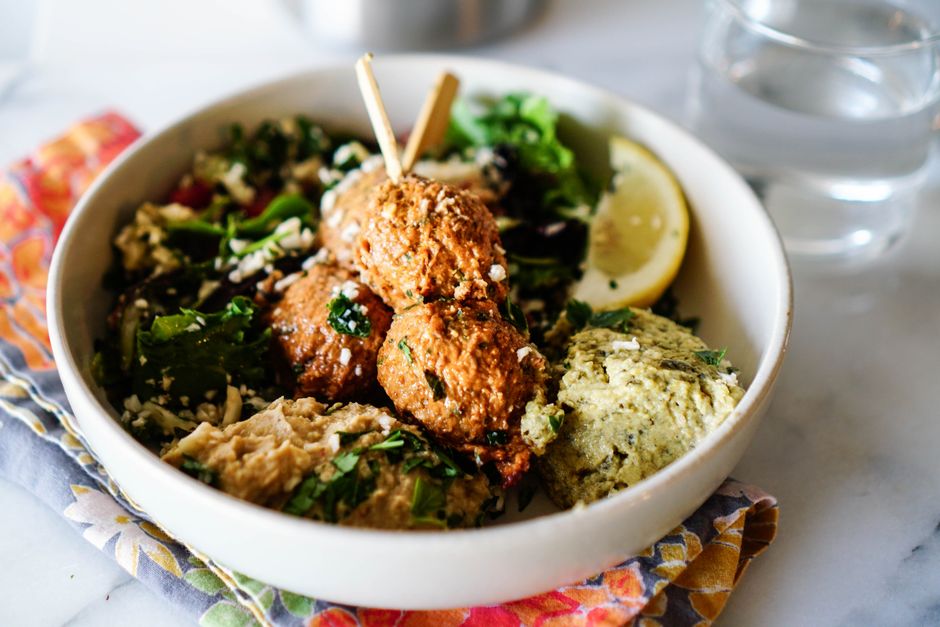
If your plant-based lunch leaves you gassy, sluggish, or reaching for snacks by 2:30pm, the problem usually isn’t that you ate too many plants. It’s more likely a combination of incomplete protein, too much insoluble fiber at once, and portion ratios that spike and crash your blood sugar before the afternoon even starts.
A complete protein contains all nine essential amino acids in amounts your body can use. Most single plant foods fall short on one or two, but strategic pairing closes that gap without powders or supplements. The five combinations below are chosen for amino-acid completeness, digestive gentleness, and real staying power. Each comes with a portion guide and a short note on why it actually moves through your gut comfortably.
For a deeper look at how pairing logic works across meals, Plant-Based Protein Combinations That Deliver Complete Amino Acids Without Meat or Powders: A Real-Food Ranking is a useful companion read before you grocery shop.
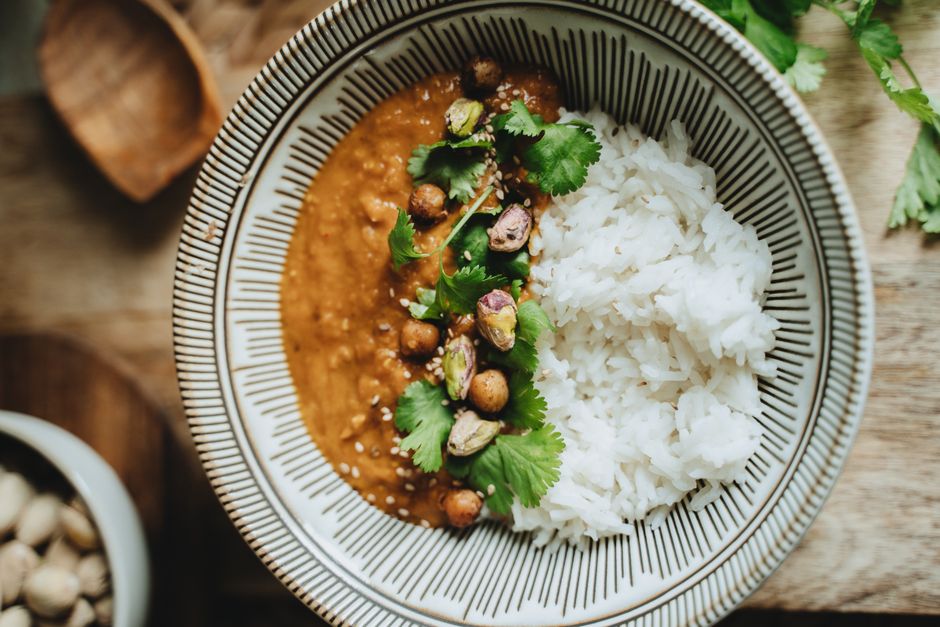
1. Lentil and Brown Rice Bowl With Lemon-Tahini Drizzle
Why it works protein-wise: Lentils are rich in lysine but lower in methionine. Brown rice provides the methionine and cysteine that close the gap. Together, a 3/4 cup cooked lentils plus 1/2 cup cooked brown rice delivers roughly 18 grams of protein with a complete amino-acid profile.
Why it doesn’t bloat: Lentils are among the most digestively tolerated legumes because they are lower in the oligosaccharides that cause fermentation trouble. Rinsing canned lentils, starting with a moderate portion (not a heaping bowl), and adding lemon juice helps acidify the meal slightly, which supports smoother digestion. The tahini drizzle adds healthy fat that slows gastric emptying gently, keeping you full without the 3pm crash. If you’re still building your fiber tolerance, Fiber Without the Bloat: A Progressive Eating Plan to Add Plant Foods Without Digestive Distress walks you through a gradual ramp-up.
Portion guide: 3/4 cup cooked lentils, 1/2 cup cooked brown rice, 1 tablespoon tahini, lemon juice, cumin, and a handful of greens. Eat slowly; chewing well reduces the gas load significantly.
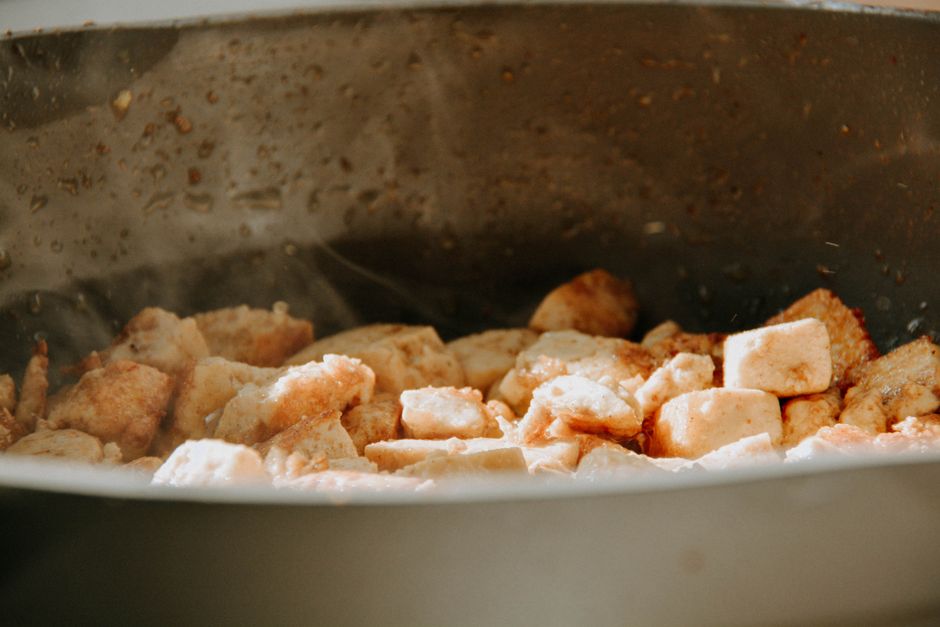
2. Firm Tofu Stir-Fry With Edamame and Quinoa
Why it works protein-wise: Tofu is made from soybeans, which are one of the few plant foods that qualify as a complete protein on their own. Adding edamame doubles down on that amino-acid profile. Quinoa is also a complete protein, making this combination exceptionally well-rounded with about 22 to 25 grams of protein per serving.
Why it doesn’t bloat: Soy is generally well tolerated by most people without a soy sensitivity. Firm tofu has had much of its water pressed out, concentrating protein and reducing some of the fermentable carbohydrates compared to softer preparations. Stir-frying with a small amount of oil rather than steaming keeps the texture satisfying and adds fat that moderates the glycemic response. Keep the quinoa portion to 1/2 cup cooked to avoid excess volume at one sitting.
Portion guide: 3 oz firm tofu (pan-fried), 1/4 cup shelled edamame, 1/2 cup cooked quinoa, roasted vegetables, low-sodium soy sauce or tamari.
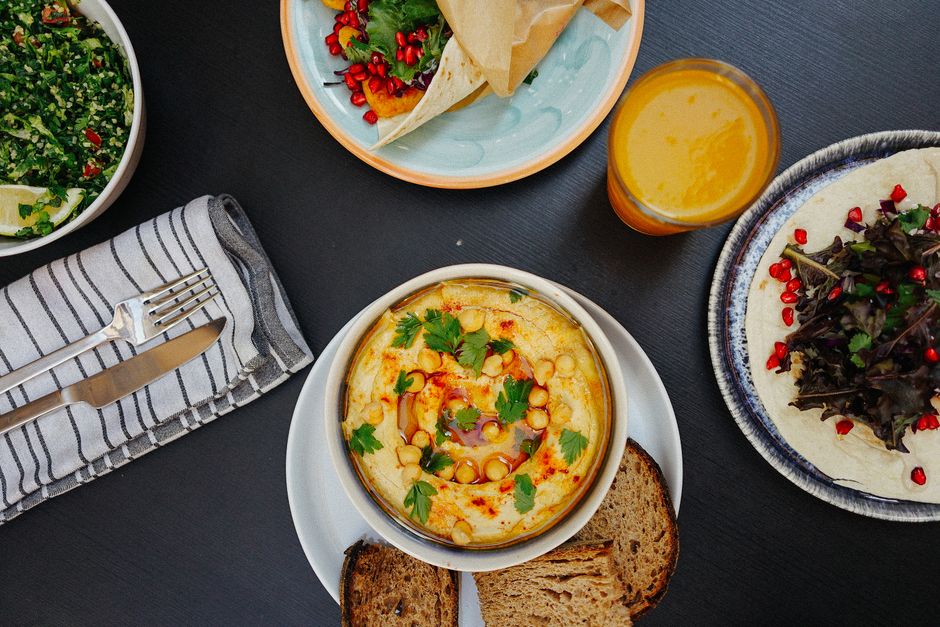
3. Chickpea and Whole-Wheat Pita With Hummus and Hemp Seeds
Why it works protein-wise: Chickpeas provide solid lysine content. Whole-wheat pita adds methionine and the B vitamins that help you metabolize that protein efficiently. Two tablespoons of hemp seeds sprinkled on top contribute all nine essential amino acids in a bioavailable form, boosting the total to approximately 18 to 20 grams per serving.
Why it doesn’t bloat: Hemp seeds are easy to digest because they lack the phytic acid load of some other seeds. Soaking or using canned chickpeas (rinsed well) reduces oligosaccharide content. Portion control matters here: one small whole-wheat pita plus 1/2 cup chickpeas is a comfortable lunch volume. Overfilling the pita is the most common reason this meal causes afternoon discomfort. For office-friendly strategies beyond food choice, Digestive Comfort at Your Desk: Why Movement Breaks Stop Bloating Better Than Food Swaps is worth a quick read.
Portion guide: 1 small whole-wheat pita, 1/2 cup canned chickpeas (rinsed), 2 tablespoons hummus, 2 tablespoons hemp seeds, sliced cucumber, and fresh herbs.
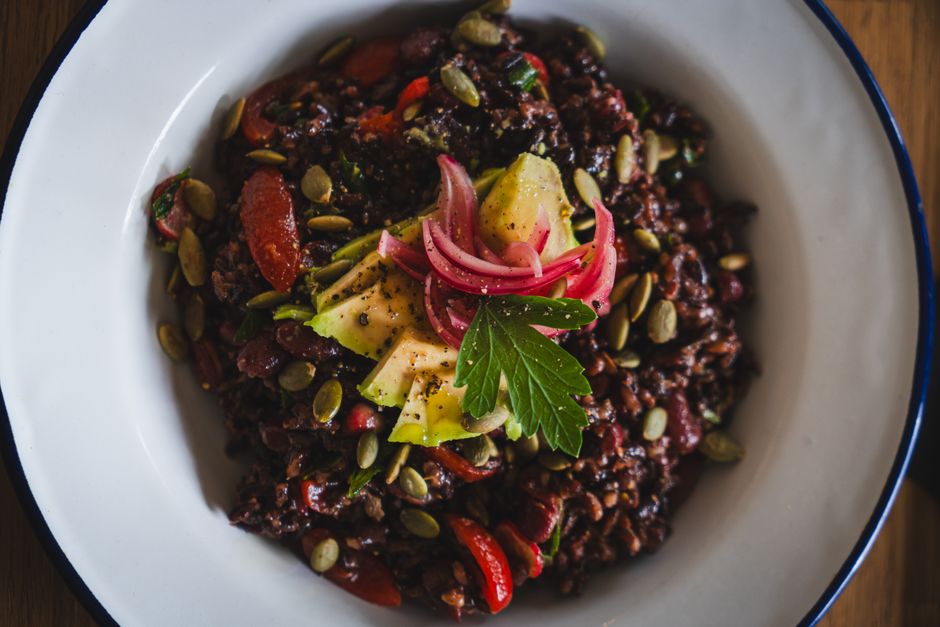
4. Black Bean and Corn Salad With Pumpkin Seeds and Lime Dressing
Why it works protein-wise: Black beans and corn follow the traditional complementary protein logic: beans supply lysine, corn supplies methionine. Pumpkin seeds add methionine, zinc, and a small but meaningful dose of additional essential amino acids. The combination reaches roughly 16 to 18 grams of protein per serving.
Why it doesn’t bloat: Corn adds texture and a mild fermentable carbohydrate load, but in a 1/3 cup portion it stays well within a comfortable range for most people. A lime and olive oil dressing keeps the meal light. Serving this salad at room temperature or slightly warm (rather than cold from the fridge) can ease digestion by reducing the energy your gut spends warming the food. If your afternoons still feel sluggish, Why Your Afternoon Energy Collapses at 2pm and How One Food Timing Shift Stops It for Four Hours explores the timing side of that problem.
Portion guide: 1/2 cup black beans (rinsed), 1/3 cup corn, 2 tablespoons pumpkin seeds, mixed greens, lime juice, and 1 teaspoon olive oil.
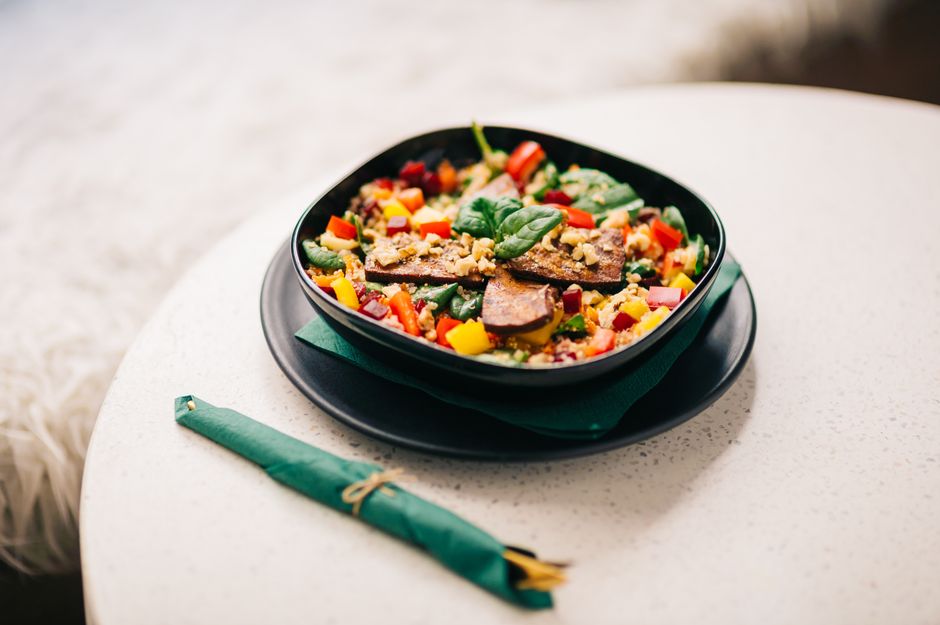
5. Tempeh and Farro Bowl With Walnuts and Roasted Vegetables
Why it works protein-wise: Tempeh is fermented soy, making it a complete protein with roughly 19 grams per 3 oz serving. Farro is a whole-grain wheat with a higher protein density than most grains and a chewy texture that supports satiety. Walnuts round out the fat profile and add a small complementary amino-acid contribution.
Why it doesn’t bloat: Fermentation is the key difference between tempeh and many other legume-based proteins. The fermentation process partially breaks down phytic acid and some of the oligosaccharides that cause gas, making tempeh noticeably easier to digest than unfermented beans for many people. Research published through the Harvard T.H. Chan School of Public Health notes that fermented foods may support a more diverse gut microbiome, which in turn can reduce digestive sensitivity over time. Pan-sear tempeh in a small amount of oil rather than eating it cold to improve both palatability and digestive ease.
Portion guide: 3 oz tempeh (sliced and pan-seared), 1/2 cup cooked farro, 1 tablespoon chopped walnuts, roasted zucchini, bell pepper, and a balsamic or miso glaze.
Practical Pairing Strategies for Less Bloating
Portions matter as much as combinations. A single large plant-based lunch can flood your gut with fiber faster than it can process, even when the food choices are ideal. Spreading your fiber across the day, chewing thoroughly, and pausing midway through a meal to assess fullness are habits that compound over time.
Eating order also plays a role. Starting with the vegetable component before the legume-grain base gives your digestive enzymes a gentler warm-up. If you want to understand that mechanism in more depth, Digestive Comfort Through Eating Order: Which Foods First Actually Stop Bloating Without Restriction explains the research clearly.
For the rest of your day, Five Plant-Based Snacks That Deliver Complete Amino Acids Without Powders or Bars pairs naturally with any of the lunches above to keep your amino-acid intake steady through the afternoon.
One Realistic Starting Point
Choose one of the five combinations above that matches ingredients you already have at home, and eat it at roughly the same time for three or four days in a row. Consistency and portion awareness will teach you more about your own digestive response than any single experiment. When you’re ready to extend the strategy to dinner, Five Plant-Based Dinners That Deliver Complete Protein and Keep You Full Until Morning continues the approach.
Sources
- U.S. Department of Agriculture, FoodData Central (nutritional composition data for lentils, tofu, tempeh, quinoa, hemp seeds, and legumes)
- Harvard T.H. Chan School of Public Health, The Nutrition Source: protein and plant-based eating overview
- National Institutes of Health, Office of Dietary Supplements: amino acid and protein dietary reference intakes
- Messina M. Soy and Health Update: Evaluation of the Clinical and Epidemiologic Literature. Nutrients, 2016 (PubMed)
This article is for general educational and informational purposes only and is not a substitute for medical advice, diagnosis, or treatment. Health needs vary by individual. Consult a qualified healthcare professional before making significant changes to your diet, exercise routine, supplements, medication, or treatment plan, especially if you have a medical condition, are pregnant or breastfeeding, take medication, or have concerns about your symptoms.