

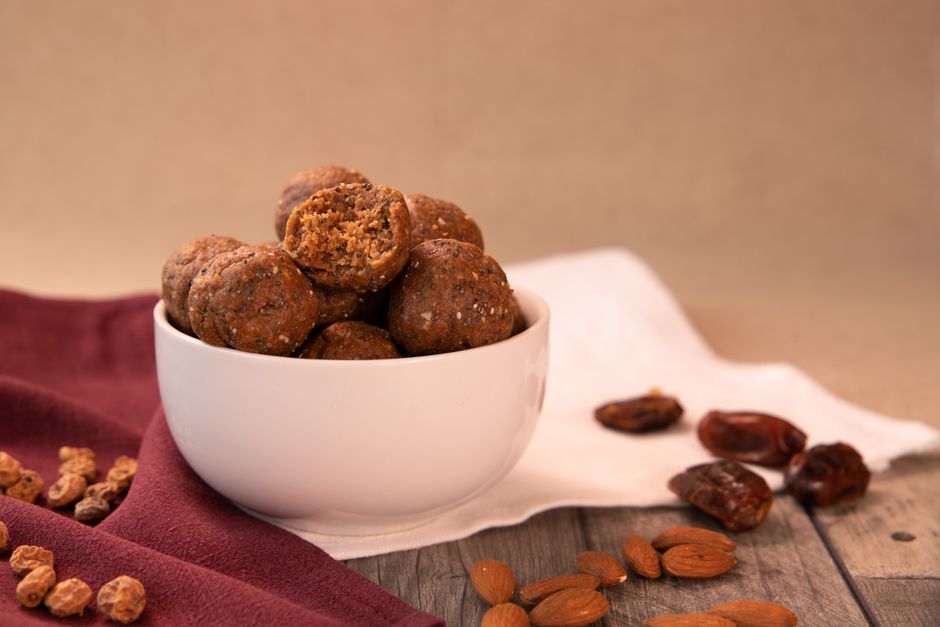
If you eat a mostly or fully plant-based diet, you have probably heard that getting “complete protein” is complicated. It doesn’t have to be, and you definitely don’t need a processed bar or a scoop of powder to make it happen between meals.
A complete protein contains all nine essential amino acids your body cannot produce on its own: histidine, isoleucine, leucine, lysine, methionine, phenylalanine, threonine, tryptophan, and valine. Research published by the National Institutes of Health confirms that these amino acids are critical for muscle repair, immune function, and hormone production. The key on a plant-based diet is pairing or choosing foods that cover every one of them.
The five snacks below are built from whole foods, ranked by how easy they are to pull together on a busy day, and compared honestly on cost and satiety. For a deeper look at how plant proteins stack up overall, the guide to Plant-Based Protein Sources Ranked by Satiety, Cost, and Real-Life Ease: A Beginner’s Whole-Food Comparison is worth reading alongside this one.
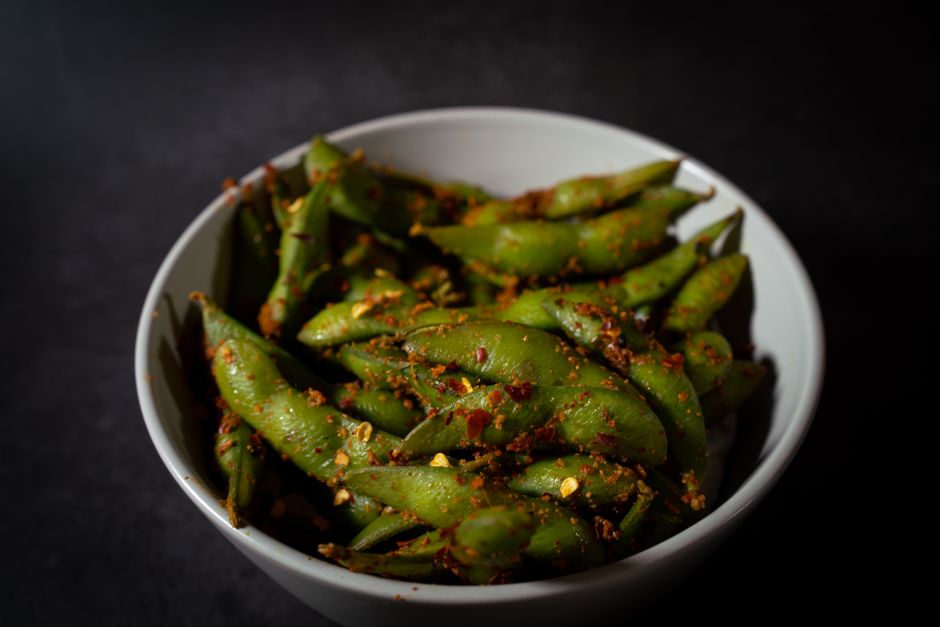
1. Edamame with a Sprinkle of Hemp Seeds
Why it works: Edamame (young soybeans) is one of the rare single plant foods that already qualifies as a complete protein. According to the USDA, one cup of shelled edamame provides roughly 18 grams of protein with all essential amino acids present. Adding a tablespoon of hemp seeds layered on top rounds out any minor shortfalls and adds beneficial omega-3 fatty acids.
Cost: Frozen edamame runs about $2 to $3 per pound at most grocery stores. Hemp seeds cost more per ounce, but a single tablespoon goes a long way.
Prep time: 5 minutes (microwave from frozen, season lightly with sea salt or a dash of tamari).
Best timing: Post-workout or mid-afternoon, when muscle protein synthesis benefits from a quick leucine-rich hit. If your afternoons tend to crash before 3 p.m., this snack pairs well with the food-timing ideas in Five Reasons Your Afternoon Energy Crashes Before 3pm and Which Snack Pairing Actually Fixes It.
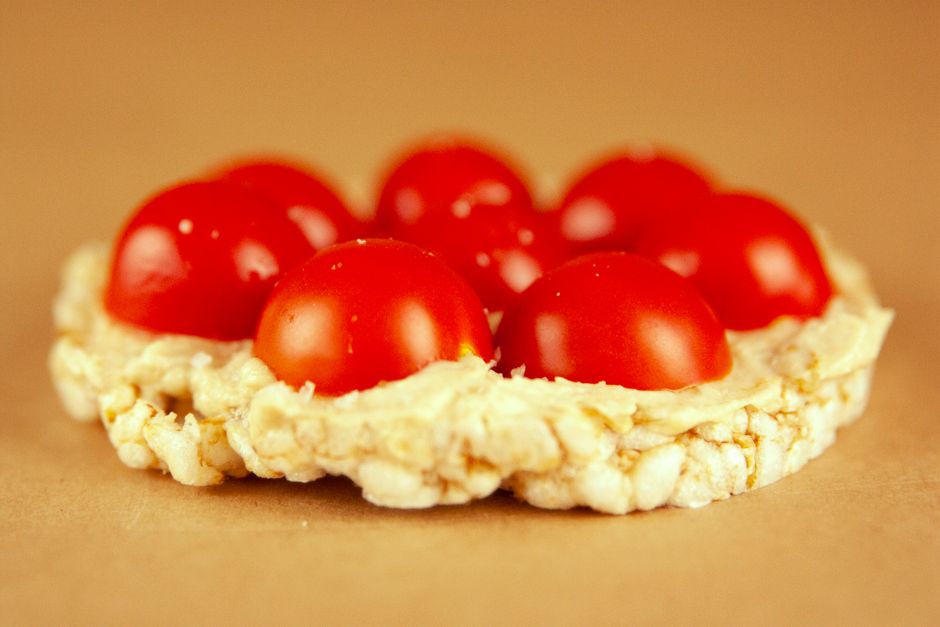
2. Whole-Grain Rice Cake with Almond Butter and Nutritional Yeast
Why it works: Brown rice is low in lysine but high in methionine. Almond butter brings modest lysine and healthy fats. Nutritional yeast is unusually dense in lysine and B vitamins for a plant food, bridging the gap and making this trio collectively complete.
Cost: Under $1 per serving when bought in bulk. Brown rice cakes, almond butter, and nutritional yeast are all shelf-stable and last for weeks.
Prep time: 2 minutes. Spread almond butter on the rice cake, dust with a tablespoon of nutritional yeast, done.
Best timing: A solid mid-morning snack if breakfast was light on protein. Research suggests that spreading protein intake across meals rather than concentrating it at dinner may better support muscle maintenance (NIH, National Library of Medicine, protein distribution studies).
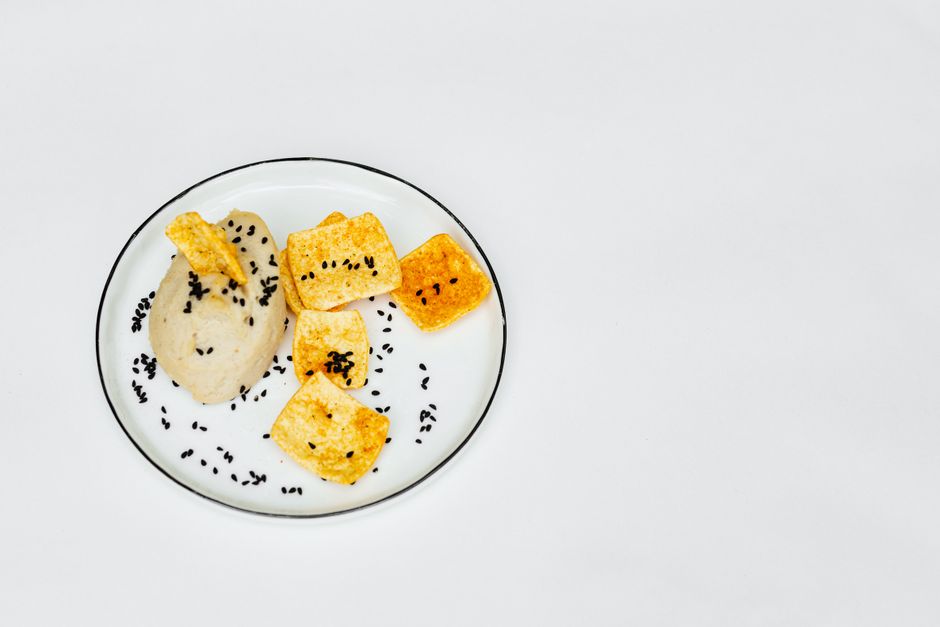
3. Hummus with Whole-Grain Pita or Seed Crackers
Why it works: Chickpeas (the base of hummus) are moderate in most essential amino acids but low in methionine. Whole-grain pita or seeded crackers (sesame, sunflower, pumpkin) fill that gap cleanly. The tahini already inside most hummus adds additional methionine and cysteine, so this pairing nearly completes itself.
Cost: One of the most affordable options on this list. A can of chickpeas costs less than $1.50, and homemade hummus yields multiple servings. Store-bought hummus is still reasonably priced and widely available.
Prep time: 2 minutes with store-bought hummus; about 10 minutes if you blend your own.
Satiety note: The fiber in chickpeas and whole-grain crackers slows digestion and may help you stay full longer. If you notice bloating when you eat legumes, the article on Fiber Without the Bloat: How to Add Plant Foods Gradually So Your Digestion Adapts has practical guidance for building tolerance.
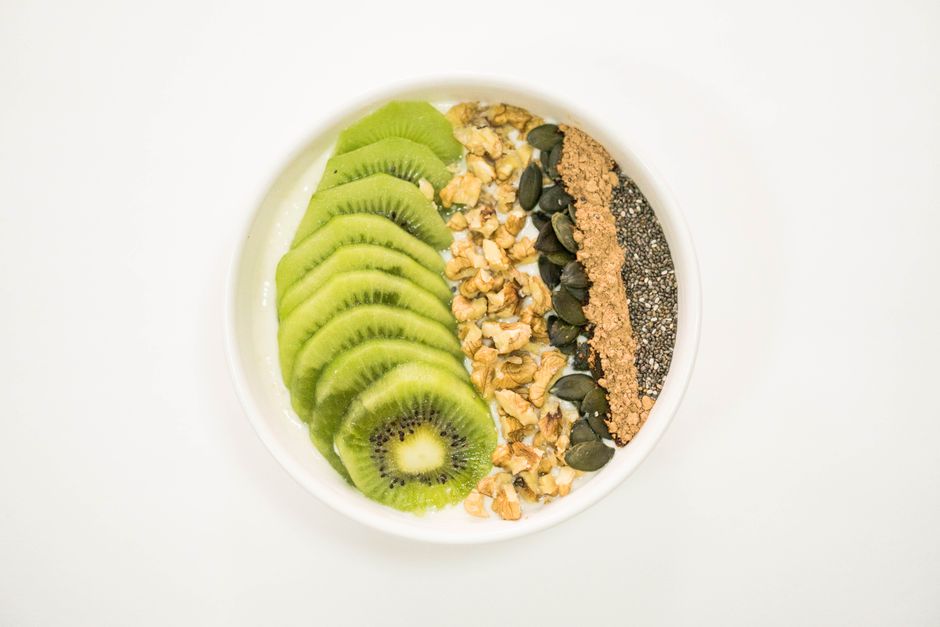
4. Greek-Style Soy Yogurt with Pumpkin Seeds
Why it works: Soy is a complete protein on its own. Unsweetened soy-based Greek-style yogurt typically provides 10 to 13 grams of protein per serving, comparable to dairy versions. Pumpkin seeds stack on additional leucine, iron, zinc, and magnesium, making this one of the most nutrient-dense plant-based complete protein snacks you can assemble in under a minute.
Cost: Soy Greek yogurt is pricier than regular soy yogurt but still comparable to dairy Greek yogurt. Pumpkin seeds (pepitas) are widely available in bulk at $4 to $6 per pound.
Prep time: Under 1 minute. Spoon yogurt into a bowl, scatter a small handful of pumpkin seeds, add fruit or a drizzle of honey if desired.
Best timing: A strong option in the evening if hunger spikes after dinner. For more on managing that pattern, see Five Reasons Your Evening Hunger Spikes After 7pm and Which Food Timing Shifts Stop It for Real.
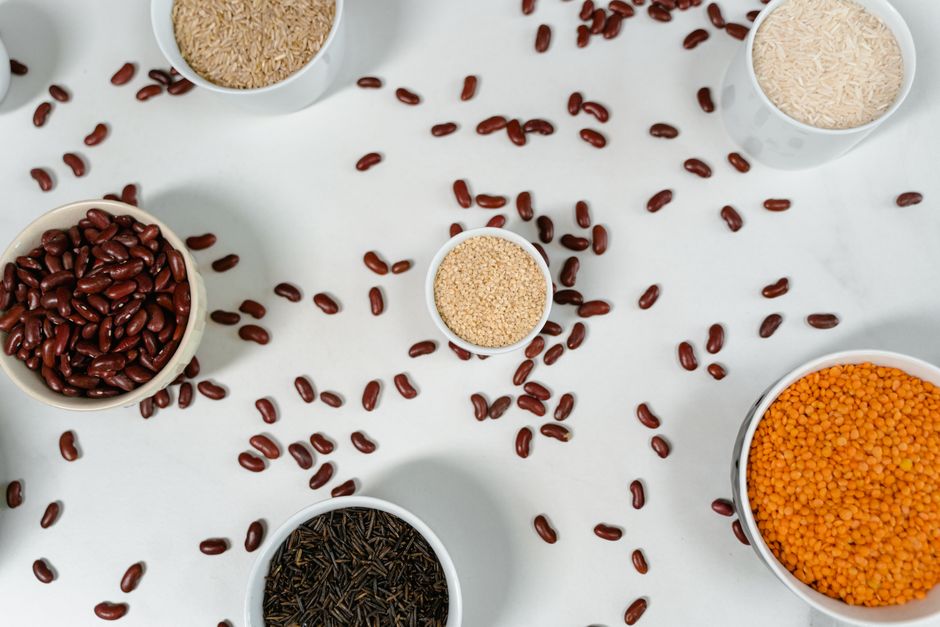
5. Lentil and Brown Rice Mini-Bowl
Why it works: This is a classic complementary protein pairing backed by decades of food science. Lentils are high in lysine but lower in methionine; brown rice is the reverse. Together they deliver all nine essential amino acids in meaningful quantities. A half-cup of cooked lentils combined with a quarter-cup of cooked brown rice provides roughly 12 to 14 grams of protein, depending on variety.
Cost: The most budget-friendly option on this list. Dried lentils can cost less than $2 per pound, and brown rice is similarly inexpensive. Batch-cooking both on a weekend prep day means this snack is ready in seconds throughout the week.
Prep time: 2 minutes if pre-cooked; about 30 minutes if starting from scratch. A light drizzle of olive oil, lemon juice, and cumin transforms this from plain to genuinely satisfying.
Best timing: Works as a heavier snack or light bridge meal in the afternoon, especially on days when lunch was smaller. For more complete protein dinner ideas that follow the same whole-food logic, Five Plant-Based Dinners That Deliver Complete Protein and Keep You Full Until Morning offers a natural next step.
A Quick Comparison
| Snack | Approx. Protein | Cost per Serving | Prep Time |
|---|---|---|---|
| Edamame + hemp seeds | 19-21 g | $1.00-1.50 | 5 min |
| Rice cake + almond butter + nutritional yeast | 8-10 g | $0.75-1.00 | 2 min |
| Hummus + whole-grain pita | 9-12 g | $0.75-1.25 | 2-10 min |
| Soy Greek yogurt + pumpkin seeds | 13-16 g | $2.00-2.50 | 1 min |
| Lentil + brown rice mini-bowl | 12-14 g | $0.50-0.75 | 2 min (prepped) |
Building the Habit
You don’t need to rotate all five of these plant-based complete protein snacks every week. Pick one that fits your schedule and food budget, prep it consistently for two weeks, and see how your energy and hunger hold up between meals. Small, repeatable choices tend to create more lasting change than ambitious overhauls that are hard to sustain.
If you want to go further, the full guide to Plant-Based Protein Combinations That Deliver Complete Amino Acids Without Meat or Powders: A Real-Food Ranking covers the broader landscape of complementary proteins beyond snack-sized portions.
Sources
- National Institutes of Health, Office of Dietary Supplements: Dietary Protein and Amino Acids
- USDA FoodData Central: Edamame, cooked; Lentils, cooked; Brown rice, cooked
- National Library of Medicine (PubMed): Protein distribution across meals and muscle protein synthesis
- Academy of Nutrition and Dietetics: Position Paper on Vegetarian Diets (2016, Journal of the Academy of Nutrition and Dietetics)
This article is for general educational and informational purposes only and is not a substitute for medical advice, diagnosis, or treatment. Health needs vary by individual. Consult a qualified healthcare professional before making significant changes to your diet, exercise routine, supplements, medication, or treatment plan, especially if you have a medical condition, are pregnant or breastfeeding, take medication, or have concerns about your symptoms.


