

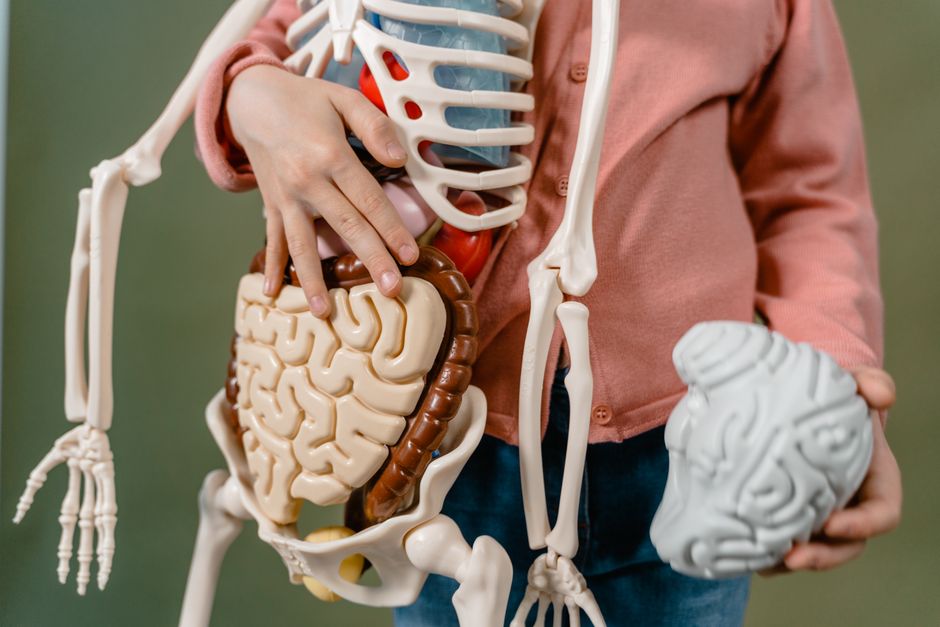
It happens with quiet regularity. Around 3pm, the mental sharpness you had at 10am quietly disappears. You feel foggy, slightly irritable, or emotionally flat, and the first explanation that comes to mind is that you need more sleep or that your motivation is running low. But there is a more physiologically interesting explanation, one rooted in the gut-brain axis and the timing of what you ate a few hours earlier.
This is not a fringe idea. Research in nutritional psychiatry and gastroenterology has spent the last two decades mapping a bidirectional communication highway between the gut and the brain, mediated by the vagus nerve, enteric nervous system, gut microbiota, and hormones like serotonin and cortisol. Understanding how that highway works during the afternoon window can help you make small, practical changes that genuinely stabilize your mood without supplements, restriction, or willpower heroics.
Why the Gut and Brain Are Always in Conversation
The gut contains roughly 100 million neurons, a network sometimes called the second brain. This enteric nervous system talks constantly with the central nervous system, and the communication runs both ways. When your digestive system is overwhelmed, inflamed, or moving sluggishly, it sends distress signals upward. When your brain is under stress, it sends signals downward that slow motility and alter gut permeability.
Around 90 to 95 percent of the body’s serotonin is produced in the gut, according to research published in the journal Cell and summarized by the National Institute of Mental Health. Serotonin is not just a mood chemical. It also regulates intestinal movement. When digestion is disrupted, serotonin production and signaling can become irregular, and that irregularity has measurable downstream effects on mood, focus, and emotional resilience.
For a deeper look at this two-way relationship, the guide on Digestive Health and Mood: How Gut Function Changes Your Mental Well-Being Without Supplements lays out the underlying mechanisms with practical context.

What Lunch Is Doing to Your 3pm Self
Here is the part that tends to surprise people: the meal most responsible for your afternoon emotional state is not breakfast. It is lunch, and more specifically, how that lunch was composed and when you ate it.
A lunch that is high in rapidly digested carbohydrates and low in protein or fiber creates a fast blood glucose spike followed by an equally fast drop. That drop, often landing right around the 2 to 3pm window, suppresses alertness and emotional regulation simultaneously. This is not a metaphor. The hypothalamus, which regulates both hunger and emotion, is acutely sensitive to glucose availability.
But the glycemic rollercoaster is only part of the story. Large, heavy lunches eaten quickly require significant digestive effort. Blood flow redirects toward the gut to support digestion, and the parasympathetic nervous system activates to manage it. This is sometimes called the postprandial dip, and while it is a normal physiological response, the size and composition of the meal determines how pronounced and prolonged that dip becomes.
Eating under stress compounds both effects. When cortisol is elevated, gastric emptying slows and gut motility becomes erratic. A lunch eaten at your desk while scanning emails is, from a physiological standpoint, a different metabolic event than the same meal eaten calmly over 20 minutes.
If you recognize your afternoons in this pattern, the article on Why Your Afternoon Energy Collapses at 2pm and How One Food Timing Shift Stops It for Four Hours offers a focused breakdown of the timing mechanics.

Three Lunch Patterns That Predict Afternoon Mood Crashes
Not every lunch derails the afternoon equally. These three patterns show up most consistently as precursors to that emotional flat-line:
1. The skipped-breakfast, oversized-lunch pattern. When breakfast is skipped or too small, hunger accumulates through the morning and lunch becomes compensatory. The larger portion size and faster eating pace that follow tend to amplify the postprandial dip. Your gut works harder, blood glucose swings wider, and by 3pm the emotional fallout is predictable.
2. The low-protein, high-simple-carb lunch. Think white-bread sandwiches, grain bowls heavy on refined carbs without a protein anchor, or takeout meals with little fiber. Protein and fiber slow gastric emptying and buffer glucose response. Without them, the afternoon drop arrives earlier and feels sharper. Research published by the American Journal of Clinical Nutrition suggests protein at lunch is associated with better sustained alertness compared to carbohydrate-heavy alternatives.
3. The rushed, distracted lunch. Eating quickly reduces chewing thoroughness, which impairs mechanical breakdown and signals the gut to rush. Distracted eating also disrupts the cephalic phase of digestion, the brain-initiated process that prepares gastric acid and enzyme release before food even arrives. Disrupting this phase means less efficient digestion and a more stressed enteric nervous system through the afternoon.

Practical Shifts That Protect Your Afternoon Mood
None of these require a diet overhaul. The goal is to work with your gut-brain axis rather than against it.
Anchor lunch with protein and fiber. Aim for a meal that includes a clear protein source (eggs, legumes, fish, chicken, tofu) and at least one fiber-rich component (leafy greens, roasted vegetables, beans). This combination moderates glucose response and sustains serotonin precursor availability. The Building a Gut-Healing Lunch Bowl That Stops Afternoon Bloating Without Cutting Food Groups guide is a practical starting point for putting this together without meal-prep overwhelm.
Create a real pause at lunch. Step away from your screen for at least 10 to 15 minutes. Chewing slowly and eating without stimulation activates the parasympathetic nervous system more fully, which supports more efficient digestion and a calmer post-meal state. This is not a luxury. It is a physiological input.
Time your lunch gap intentionally. Eating lunch too early (before 11:30am) or too late (after 2pm) can misalign with your cortisol curve, which naturally peaks in the morning and tapers through the day. A lunch eaten between noon and 1pm tends to align better with natural digestive readiness for most people working standard schedules.
Consider a short walk after eating. Even 5 to 10 minutes of gentle movement after lunch supports gastric motility and helps moderate the postprandial glucose rise, as shown in studies summarized by the American Diabetes Association. This does not mean a brisk workout. A slow walk around the block qualifies. More on this connection appears in Why Digestive Comfort Improves on Outdoor Walking Days and How to Use Movement Timing to Reset Your Gut.
Watch afternoon caffeine timing. Coffee after 2pm may mask the slump without addressing its digestive root, and it can compromise sleep quality later, which feeds the next day’s dysregulation. Caffeine Before 10am vs. After 2pm: How Timing Changes Your Afternoon Focus, Sleep, and Energy Crashes explores the timing tradeoffs in detail.

One Honest Caveat
Not every afternoon mood dip traces back to lunch. Chronic stress, poor sleep, hormonal fluctuations, and underlying health conditions all influence emotional energy independently. If your afternoon crashes feel severe, persistent, or emotionally destabilizing beyond a manageable slump, that deserves a conversation with a qualified healthcare professional or a registered dietitian who specializes in the gut-brain connection.
But for the majority of people experiencing a predictable, daily emotional flat-line around 3pm, the gut-brain axis and digestive timing offer a genuinely useful lens. Not because food is everything, but because it is one lever you can adjust today without restriction, shame, or guesswork.
Choose one shift from this article, whether it is adding protein to lunch, taking a 10-minute post-meal walk, or stepping away from your screen to eat. Practice it consistently for a week and notice what changes. Small, sustainable habits compound, and your gut-brain axis will notice even modest improvements in how you feed and time your meals.
This article is for general educational and informational purposes only and is not a substitute for medical advice, diagnosis, or treatment. Health needs vary by individual. Consult a qualified healthcare professional before making significant changes to your diet, exercise routine, supplements, medication, or treatment plan, especially if you have a medical condition, are pregnant or breastfeeding, take medication, or have concerns about your symptoms.

Sources
- Yano JM, et al. “Indigenous bacteria from the gut microbiota regulate host serotonin biosynthesis.” Cell, 2015. Summarized by the National Institute of Mental Health.
- American Journal of Clinical Nutrition: research on protein intake and sustained post-meal alertness.
- American Diabetes Association: summaries of post-meal walking studies and glucose moderation.
- National Institute of Mental Health: overview of the enteric nervous system and gut-brain communication.


