

You do not need protein powders or expensive bars to eat enough protein on a plant-based diet. What you probably do need is a clearer picture of which whole foods actually keep you full, what they cost per serving, and how realistic they are on a Tuesday evening when you have twenty minutes to cook.
This comparison covers six categories of plant-based protein sources through the lens of satiety, cost, and everyday practicality, so you can stop guessing and start building meals that work.
Why Satiety Matters as Much as Grams
Protein is well established as the most satiating macronutrient, largely because it slows gastric emptying, influences hunger hormones like ghrelin and GLP-1, and requires more energy to digest than carbohydrates or fat. Research published in The American Journal of Clinical Nutrition consistently links higher protein intakes to reduced calorie intake at subsequent meals.
But among plant proteins, the full story involves fiber content, protein density per calorie, digestibility, and how a food pairs with the rest of your plate. A handful of almonds and a cup of cooked lentils both deliver protein, but they behave very differently in your body and your schedule.
If you want to understand how protein source and pairing affect how long you stay full, the Smoothie Satiety Breakdown: Protein Type, Fiber Source, and Texture Tested Against Real Hunger Until Lunch guide explores those mechanics in detail.
The Comparison: Six Plant Protein Categories
1. Legumes (Lentils, Chickpeas, Black Beans)
Satiety: High | Cost per serving: Very low ($0.20-$0.50 from dry) | Ease: Moderate
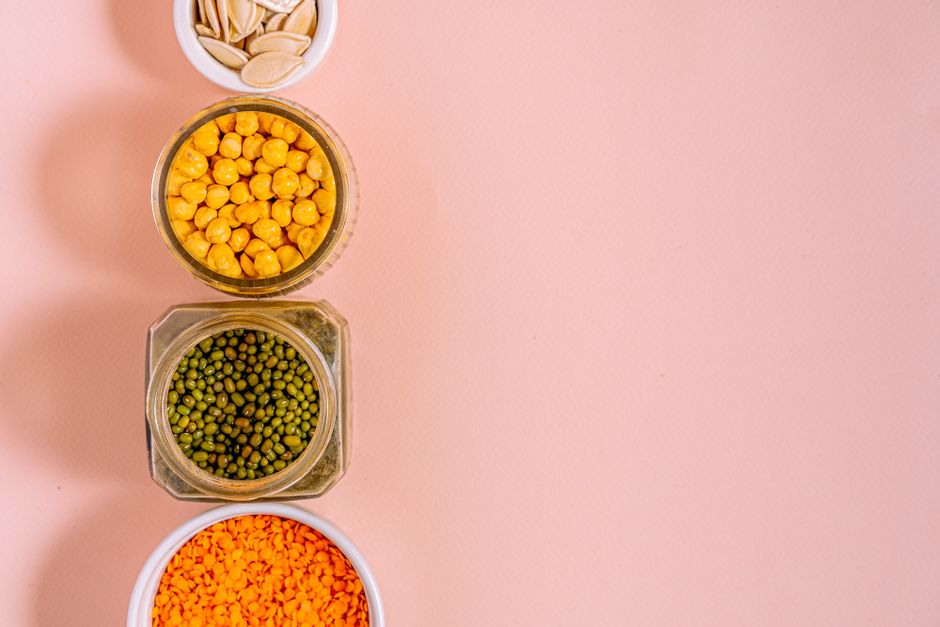
Legumes consistently rank among the most filling plant-based protein sources satiety-wise. A cooked cup of lentils delivers roughly 18 grams of protein alongside about 16 grams of fiber, a combination that slows digestion significantly. The fiber alone makes them exceptional for stable energy.
Cost-wise, dried lentils and beans are among the cheapest foods in any grocery store. Canned versions add convenience at slightly higher cost (roughly $0.75-$1.25 per can) with minimal nutritional trade-off.
The moderate ease rating comes from cook time: dried beans need soaking and 45-90 minutes of cooking. Lentils are faster (20-25 minutes, no soaking). Batch cooking on a Sunday solves this almost entirely. Canned beans require zero prep.
If digestive comfort is a concern as you add more legumes, Fiber Without the Bloat: How to Add Plant Foods Gradually So Your Digestion Adapts offers a practical approach.
2. Tempeh
Satiety: High | Cost per serving: Moderate ($1.00-$1.75) | Ease: Moderate
Tempeh is fermented soybeans pressed into a firm cake. A 3-ounce serving provides around 16-17 grams of protein with a denser texture than tofu, which tends to make meals feel more substantial. Fermentation also improves digestibility and adds a small probiotic benefit.
It takes well to marinating and crisps nicely in a pan with minimal oil. The flavor is nuttier and more assertive than tofu, which some beginners find unfamiliar at first. Sliced into a grain bowl or crumbled into tacos, it becomes easy to work with.
3. Tofu (Firm and Extra-Firm)
Satiety: Moderate-High | Cost per serving: Low-Moderate ($0.75-$1.25) | Ease: High
Firm tofu delivers roughly 10-12 grams of protein per 3-ounce serving with almost no prep barrier: press, cube, and roast or pan-fry. It absorbs whatever flavors you cook it with, making it one of the most versatile plant proteins for beginners.
Satiety is solid but slightly lower than legumes or tempeh because the fiber content is minimal. Pairing tofu with a high-fiber carbohydrate (brown rice, roasted sweet potato, or a large portion of vegetables) raises the overall satiety of the meal. For practical lunch ideas built around this logic, Building a High-Protein Lunch for Stable Afternoon Energy: Macros, Meal Combos, and Real-Life Examples is a useful next read.
4. Nuts (Almonds, Peanuts, Walnuts)
Satiety: Moderate | Cost per serving: Moderate ($0.40-$0.90 per ounce) | Ease: Very High
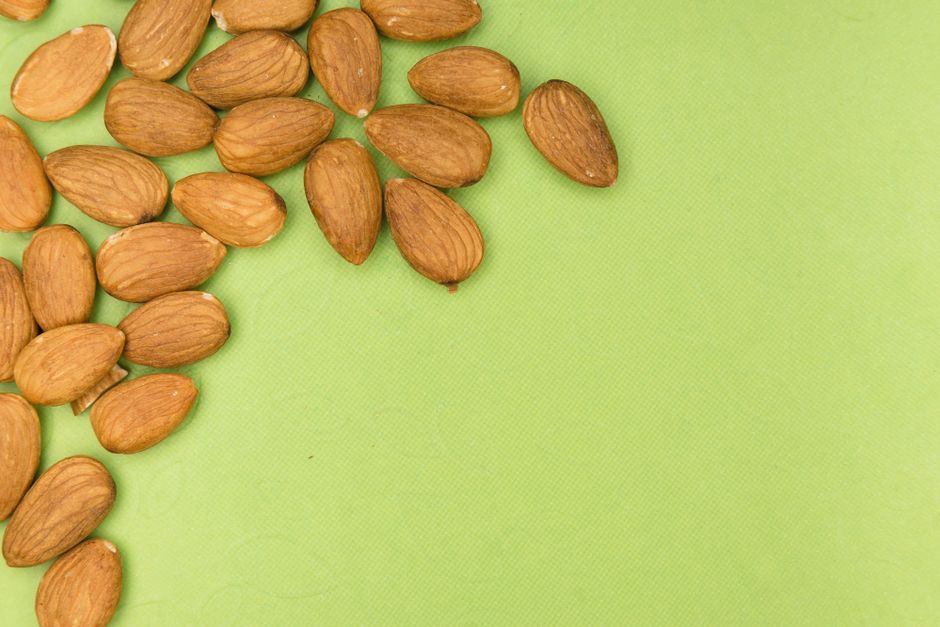
Nuts require zero preparation and travel easily, making them the highest-ease option in this comparison. They provide protein, healthy fats, and fiber in a compact form. An ounce of almonds delivers about 6 grams of protein.
The satiety rating drops to moderate here because the calorie density is high relative to protein content, and it is easy to eat past a serving without noticing. That is not a reason to avoid nuts, just a reason to use them as complements (stirred into oatmeal, scattered over a salad) rather than relying on them as a primary protein source.
5. Seeds (Hemp, Pumpkin, Edamame, Sunflower)
Satiety: Moderate | Cost per serving: Low-Moderate ($0.30-$0.70) | Ease: Very High
Hemp seeds stand out: 3 tablespoons provide about 10 grams of complete protein (all essential amino acids), and they stir invisibly into oatmeal, yogurt alternatives, or smoothies. Pumpkin seeds offer roughly 9 grams per ounce and a satisfying crunch. Edamame, while technically a legume, behaves like a snack seed in practice: 1 cup shelled delivers 17 grams of protein and freezes beautifully.
Seeds are excellent protein boosters for meals that already have fiber and fat. They rarely work as a standalone protein anchor.
6. Whole Grains (Quinoa, Oats, Farro)
Satiety: Moderate | Cost per serving: Low ($0.30-$0.60) | Ease: Moderate-High
Quinoa is the standout here: it is a complete protein with about 8 grams per cooked cup, plus fiber and magnesium. Oats clock in at around 5-6 grams per half-cup dry and pair well with seeds or nut butters to amplify both satiety and protein.
Whole grains are not high-protein foods on their own, but they contribute meaningfully to total protein intake when combined with legumes or soy foods. The classic combination of grains plus legumes delivers a complementary amino acid profile that supports muscle maintenance and steady energy.
For breakfast combinations that put this into practice, Building a High-Protein Breakfast That Survives Until Lunch: Why Protein Source and Pairing Order Change Your Satiety walks through the specific pairings.
Which Combinations Work Best for Stable Energy
No single plant food does everything. The most effective approach pairs a high-satiety anchor protein (legumes or tempeh) with a complete or complementary grain, adds a fat source for staying power, and includes volume from vegetables.
A few practical starting points:
- Lentil and farro bowl with roasted vegetables: high fiber, high protein, low cost
- Tempeh taco with black beans: double soy-plus-legume protein with minimal prep
- Oatmeal with hemp seeds and almond butter: complete amino coverage with fiber from oats
- Edamame and quinoa salad: fast, portable, complete protein from two sources
These are not rigid formulas. They are structures you can riff on based on what is seasonal and affordable. Pairing whole foods this way generally costs less per meal than any protein powder, with the added benefit of fiber, micronutrients, and digestive support that powders do not provide.
One Small Step Forward
Rather than overhauling your entire diet, pick one plant protein from this list that feels lowest-effort for your current routine. If you have never cooked lentils, try a red lentil soup this week: 25 minutes, five ingredients, and enough for three lunches. If you already eat legumes, add two tablespoons of hemp seeds to your next breakfast.
For more practical, whole-food guidance, browse the Clean Body Mentor nutrition hub or subscribe to the weekly newsletter for meal ideas, snack strategies, and sustainable habit guidance delivered to your inbox.
This article is for general educational and informational purposes only and is not a substitute for medical advice, diagnosis, or treatment. Health needs vary by individual. Consult a qualified healthcare professional before making significant changes to your diet, exercise routine, supplements, medication, or treatment plan, especially if you have a medical condition, are pregnant or breastfeeding, take medication, or have concerns about your symptoms.
Sources
- Weigle DS et al. “A high-protein diet induces sustained reductions in appetite.” American Journal of Clinical Nutrition, 2005. (National Library of Medicine, PubMed)
- U.S. Department of Agriculture FoodData Central: nutrient profiles for lentils, tofu, tempeh, hemp seeds, quinoa, almonds (USDA FoodData Central, fdc.nal.usda.gov)
- Mudryj AN et al. “Legume consumption patterns in Canadian adults.” Applied Physiology, Nutrition, and Metabolism, 2012. (National Library of Medicine)
- Satija A, Hu FB. “Plant-based diets and cardiovascular health.” Trends in Cardiovascular Medicine, 2018.