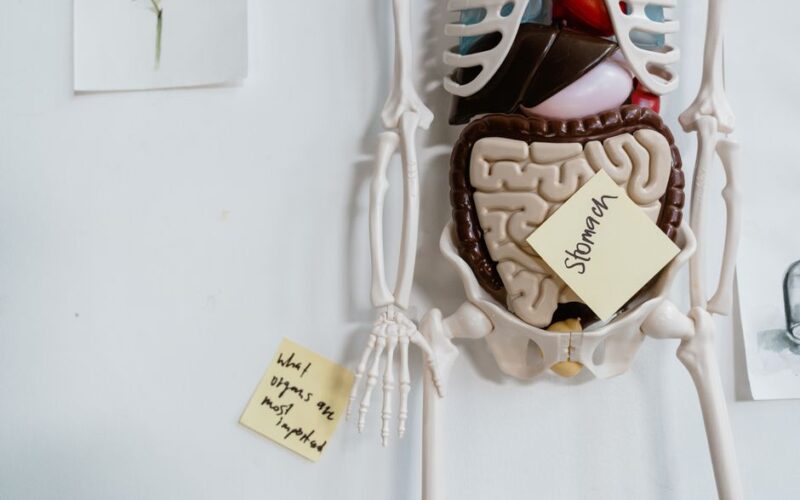

You probably notice it without even naming it. On days when you walk, exercise, or simply stay on your feet, your digestion feels easier. You feel lighter after meals, less puffy by evening, and more comfortable overall. Then a full rest day arrives and suddenly things feel stuck, heavy, or sluggish, even if you ate the same foods.
This pattern is not in your head. Your gut and your body’s movement are tightly linked through real physiological pathways, and understanding that connection gives you a practical tool for feeling better without overhauling your diet or your schedule.
How Physical Activity Actually Moves Food Through Your Gut
Your digestive system relies on a process called peristalsis: rhythmic muscle contractions that push food and waste through your intestines. Physical activity accelerates those contractions. Research published in the American Journal of Gastroenterology has found that even moderate aerobic exercise measurably reduces whole-gut transit time, meaning food moves through your system faster and with less discomfort.
When you sit still for long stretches, peristalsis slows. Gas has more time to accumulate, stool spends longer in the colon where water is reabsorbed (which can contribute to harder stools and constipation), and you may feel that familiar afternoon bloat settle in.
Digestive health movement does not require intense workouts to make a difference. Even a 10-to-15 minute walk after a meal can support gastric emptying and ease post-meal heaviness. For more on what happens specifically after eating, the guide on Stretching for Digestion: How Post-Meal Movement Supports Nutrient Absorption and Comfort covers targeted strategies in detail.
What Changes Inside During Rest Days
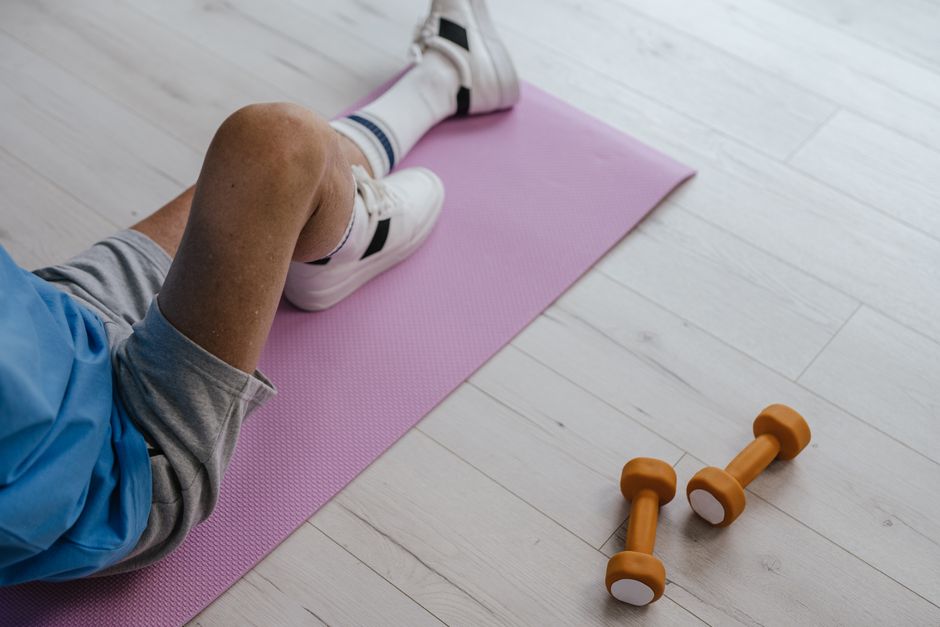
Rest days serve an important purpose for muscle repair, nervous system recovery, and overall well-being. The body needs them. But reduced activity affects your gut in a few specific ways worth knowing:
- Slower transit time. Less movement means the colon contracts less frequently. Food waste sits longer, which can produce more gas and discomfort.
- Reduced blood flow to the gut. During physical activity, circulation to your digestive organs improves. On completely sedentary days, that boost disappears.
- Nervous system shifts. Physical activity supports parasympathetic nervous system tone, the “rest and digest” state that actually promotes healthy digestion. Counterintuitively, too much stillness without stress relief can keep some people in a low-level stress response that inhibits gut motility. The article on Digestive Sluggishness vs. Nervous System Stress: Why Your Gut Slows When You Rush and What to Do About It explains this dynamic clearly.
None of this means rest days are harmful. It means a fully sedentary rest day may require a small adjustment in how you eat and how much light movement you include.
Practical Timing Strategies for Digestive Health Movement
You do not need to run or lift weights to support your gut. The goal is gentle, consistent movement spread throughout the day. Here is a realistic approach:
After Meals: The 10-Minute Walk Rule
A short walk after eating is one of the most evidence-supported digestive strategies available. A 2022 study in Sports Medicine found that a 10-minute post-meal walk significantly reduced postprandial blood sugar and improved comfort compared with sitting or standing still. Walk slowly, breathe naturally, and give your gut the mechanical nudge it needs to move things along.
During the Workday: Micro-Movement Breaks
If your schedule keeps you desk-bound, build in movement intervals every 60 to 90 minutes. Stand up, walk to the kitchen for water, do a few slow torso rotations, or pace during a phone call. These micro-breaks are enough to prevent the worst of sedentary digestive slowdown. For a broader look at fitting this into a busy schedule, Building Intuitive Movement Into Your Workday Without Gym Time or Extra Motivation offers a beginner-friendly framework.
On True Rest Days: Active Recovery Instead of Full Stillness
Rather than complete inactivity, choose what exercise scientists call active recovery: gentle yoga, a slow neighborhood walk, or light stretching. These options let your muscles recover while keeping peristalsis moving. Even 20 to 30 minutes of easy walking on a rest day is enough to maintain gut motility without taxing your body.
Morning Movement for Morning Comfort
Your gut tends to be most active in the morning due to the gastrocolic reflex, a natural increase in colon activity after waking and eating. Pairing your morning routine with a short walk or gentle movement can take advantage of this built-in window. Breathwork in the morning may also support this rhythm; the guide on Why Your Morning Breath Affects Your Entire Day: Breathwork Timing for Energy and Digestion explores how.

What to Eat Differently on Low-Movement Days
When you know a rest day is ahead, a few eating adjustments can offset slower transit:
- Reduce portion sizes slightly. Your gut is moving more slowly, so large meals may sit longer and feel heavier.
- Prioritize fiber-rich vegetables and fruits over dense starches or processed foods, but increase fiber gradually if your body is not used to it. The guide on Fiber Without the Bloat: How to Add Plant Foods Gradually So Your Digestion Adapts is a useful reference here.
- Stay well hydrated. Water keeps intestinal contents moving even when physical activity is reduced.
- Consider lighter evening meals. The guide on Digestive Rest Days: Why Your Gut Needs Breaks From Rich Foods and How to Eat Lighter Without Restriction offers a full approach to eating on days when your gut needs extra support.
A Note on Individual Differences
Not everyone’s gut responds identically to movement changes. People with irritable bowel syndrome (IBS), inflammatory bowel conditions, or other digestive diagnoses may experience different patterns. High-intensity exercise can sometimes trigger gut discomfort rather than relieve it, particularly in runners. If your digestive symptoms are persistent, severe, or changing, please consult a qualified healthcare professional rather than experimenting with movement adjustments alone.

One Action Worth Starting This Week
You do not need a new program. Pick one of these strategies and practice it consistently for seven days: a 10-minute walk after your largest meal, one extra movement break mid-afternoon, or a 20-minute gentle walk on your next scheduled rest day. Small, repeated actions build the sustainable habits that shift how your gut feels over time.
If you want to explore how gut function connects to your skin, energy, and mood, Digestive Health and Mood: How Gut Function Changes Your Mental Well-Being Without Supplements is a good next read. And if you want practical weekly wellness guidance delivered directly, consider joining the Clean Body Mentor newsletter.
This article is for general educational and informational purposes only and is not a substitute for medical advice, diagnosis, or treatment. Health needs vary by individual. Consult a qualified healthcare professional before making significant changes to your diet, exercise routine, supplements, medication, or treatment plan, especially if you have a medical condition, are pregnant or breastfeeding, take medication, or have concerns about your symptoms.
Sources
- Johannesson, E., et al. “Physical activity improves symptoms in irritable bowel syndrome.” American Journal of Gastroenterology, 2011. (Published by the American College of Gastroenterology.)
- Buffey, A.J., et al. “The Acute Effects of Interrupting Prolonged Sitting Time in Adults with Standing and Light-Intensity Walking on Biomarkers of Cardiometabolic Health.” Sports Medicine, 2022.
- National Institute of Diabetes and Digestive and Kidney Diseases (NIDDK). “Constipation.” U.S. Department of Health and Human Services. https://www.niddk.nih.gov/health-information/digestive-diseases/constipation