
You wake up, reach for your phone, stumble to the kitchen, and pour coffee before your eyes are fully open. It is a routine that feels necessary, but your nervous system has not actually had a chance to shift gears yet. That gap between waking and full alertness is not a flaw to override with caffeine. It is a window worth using.
Intentional breathwork for energy is one of the most underused morning tools available, and the physiology behind it is straightforward. This tutorial explains what is happening in your body in those first minutes, how specific breathing patterns can activate natural alertness and prepare your gut for the day, and how to build a practical 3-minute routine that costs nothing and requires no equipment.

What Your Nervous System Is Actually Doing When You Wake Up
Sleep keeps your autonomic nervous system in a largely parasympathetic state, the “rest and digest” mode associated with slower heart rate, lower cortisol, and reduced alertness. As you move toward waking, cortisol begins a natural rise called the cortisol awakening response (CAR). Research published in Psychoneuroendocrinology describes the CAR as peaking roughly 20 to 30 minutes after waking, and it plays a meaningful role in mobilizing energy, regulating immune function, and priming mental focus for the day.
Here is the problem: most morning habits interrupt this transition rather than support it. Scrolling your phone triggers stress signals before alertness is stable. Coffee consumed before the CAR peaks adds stimulation on top of an incomplete transition. The result for many people is a jittery, anxious kind of alertness rather than a grounded, clear-headed one.
Breathing is one of the few body systems you control consciously, and it has a direct line to your autonomic nervous system through the vagus nerve. Deliberately slowing or quickening your breath can shift your nervous system state within minutes, which makes the morning an ideal time to steer that transition intentionally.

How Breathwork Connects to Digestion
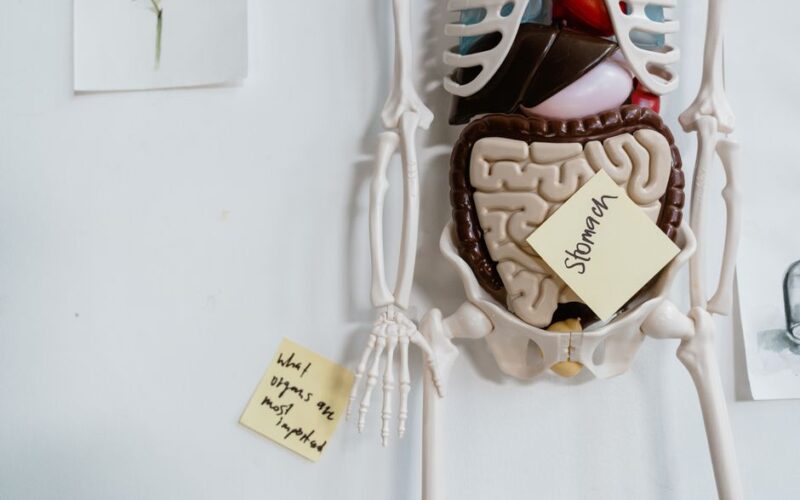
The connection between breath and digestion is more than symbolic. Your diaphragm, the primary breathing muscle, sits directly above your stomach and liver. Deep diaphragmatic breathing creates gentle internal pressure changes that stimulate the vagus nerve and help activate the parasympathetic state your gut needs to produce digestive enzymes and move food through efficiently.
When you breathe shallowly from your chest, which is common after poor sleep or during stress, your digestive system can remain sluggish. If you regularly feel bloated or slow in the morning, shallow breathing may be one overlooked piece of the picture, alongside food timing and fiber intake. (For a broader look at what affects morning digestion, the guide on Why Your Digestion Feels Sluggish After Meals and How Posture Fixes It covers complementary habits worth pairing with breathwork.)

A 3-Minute Morning Breathwork Routine for Energy and Digestion
This routine is designed to match the physiology of early waking. You can do it in bed, seated on the floor, or in a chair before you reach for your coffee. No props needed.
Minute 1: Diaphragmatic Reset (60 seconds)
Place one hand on your chest and one on your belly. Breathe in through your nose for 4 counts, directing air so that your belly rises while your chest stays relatively still. Exhale slowly through your mouth for 6 counts. Repeat for one full minute.
This activates the parasympathetic system just enough to settle overnight tension, and the belly movement begins warming up the diaphragm-gut connection.
Minute 2: Energizing Breath (60 seconds)
Switch to a slightly faster rhythm: inhale through the nose for 2 counts, exhale firmly through the nose for 2 counts. Pick up the pace so each full cycle takes about 2 to 3 seconds. This pattern, sometimes called bellows breathing or a mild version of Kapalabhati, increases oxygen delivery and mildly elevates heart rate, supporting the shift toward sympathetic activation that morning energy needs.
If you have high blood pressure, are pregnant, or have a recent abdominal injury, skip this step and stay with gentle diaphragmatic breathing throughout. Ask your healthcare provider if you are unsure.
Minute 3: Settling Breath (60 seconds)
Return to the 4-count inhale and 6-count exhale pattern from minute one. This brief return to a longer exhale signals your nervous system to stabilize rather than spike. The result is a more grounded alertness rather than an anxious buzz.
For more on using breathwork to build emotional steadiness alongside physical energy, the article on How to Build Emotional Resilience Through Simple Breathwork Without Meditation pairs well with this routine.

When to Add Coffee (If You Choose To)
If coffee is part of your morning, timing matters more than most people realize. Because cortisol is already rising naturally in the first 20 to 30 minutes after waking, adding caffeine during that window can amplify stress signaling rather than add useful alertness. Waiting until 60 to 90 minutes after waking, once the cortisol peak has begun to taper, may help you get more from the caffeine while reducing the likelihood of an anxious edge or mid-morning crash.
This is not a rigid rule, and individual responses to caffeine vary considerably. But if you currently drink coffee the moment you wake and still feel tired or jittery by mid-morning, shifting the timing is a low-effort experiment worth trying. The guide on Caffeine Timing vs. Natural Energy Rhythms: Which Strategy Actually Sustains Your Focus All Day goes deeper on this topic, including what the research says about caffeine windows and focus.
If you are curious about reducing caffeine dependence or exploring alternatives, Caffeine Sensitivity and Sleep Quality: Coffee Timing, Tea Alternatives, and Caffeine-Free Energy Compared covers realistic options without pressure to give up what you enjoy.

Making the Routine Stick
Three minutes is short enough that there is almost no barrier to starting. The most reliable way to build any new habit is to attach it to something you already do, a behavior scientists call habit stacking. Place the breathing routine immediately before you make coffee, not after you have already sat down with your phone.
If you want to pair breathwork with a morning meal that sustains your energy further, the article on High-Protein Breakfast Options for Stable Morning Energy: Eggs, Legumes, Dairy, and Whole Grains Compared gives practical options that work alongside a calmer, more prepared digestive system.
Choose one piece of this routine to practice for the next week: just the diaphragmatic reset, or just shifting coffee 60 minutes later. Small, consistent action builds more durable habits than an ambitious overhaul that stalls by Thursday.
Sources
- Clow, A. et al. “The cortisol awakening response: More than a measure of HPA axis function.” Neuroscience and Biobehavioral Reviews, Elsevier. (Search PubMed for “cortisol awakening response” for primary literature.)
- Jerath, R. et al. “Physiology of long pranayamic breathing: Neural respiratory elements may provide a mechanism that explains how slow deep breathing shifts the autonomic nervous system.” Medical Hypotheses, 67(3), 2006.
- National Institutes of Health, National Center for Complementary and Integrative Health: information on breathing exercises and the autonomic nervous system (nccih.nih.gov).
This article is for general educational and informational purposes only and is not a substitute for medical advice, diagnosis, or treatment. Health needs vary by individual. Consult a qualified healthcare professional before making significant changes to your diet, exercise routine, supplements, medication, or treatment plan, especially if you have a medical condition, are pregnant or breastfeeding, take medication, or have concerns about your symptoms.