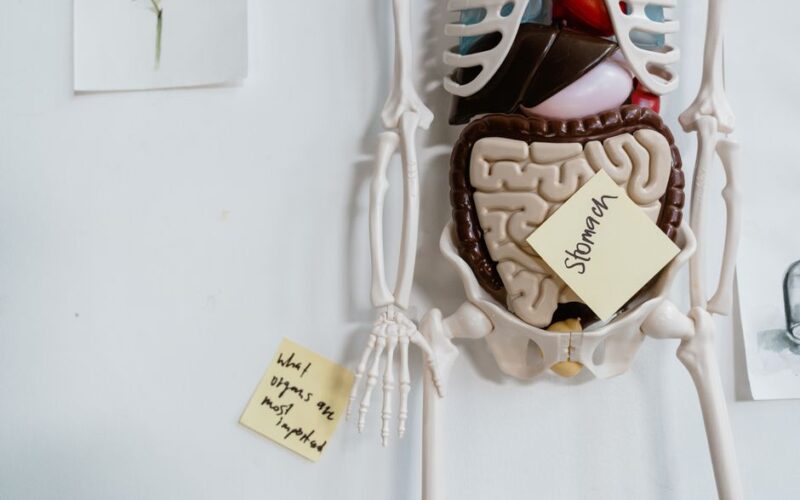


Most advice about sleep and food stops at “avoid caffeine and heavy meals.” But if you have ever eaten a “light” dinner and still woken up at 2am feeling bloated and wired, you know that the usual guidance misses something important. The question is not only what you eat. It is when you eat it and in what order.
Three real-life scenarios illustrate how small, practical shifts in meal timing for better sleep and eating sequence made a measurable difference without eliminating entire food groups or following a restrictive plan.
Case One: The Late Dinner That Kept Waking Marcus Up
Marcus, a 41-year-old project manager, ate dinner consistently around 9:30pm after long commutes. He chose what most people would call balanced meals: a salad, rice, grilled chicken, and a small bowl of fruit. But he woke up almost every night between 1am and 3am, restless and unable to get back to sleep.
His problem was not the food itself. It was the timing.
Research published in the Journal of Clinical Sleep Medicine suggests that eating close to bedtime is associated with longer sleep onset time and reduced sleep efficiency, particularly when the meal is within two to three hours of lying down. The body needs time for gastric emptying to progress and for core temperature to drop, both of which support the transition into deeper sleep stages.
After shifting dinner to 7:00pm, nothing else changed in his diet. Within two weeks, his middle-of-the-night waking became much less frequent. His nervous system had enough time to shift from the active, digestion-driven state into a calmer mode before he went to bed.
If your schedule makes earlier dinners difficult, the guide on Meal Prep for Shift Workers: How to Eat on Flipped Schedules Without Sacrificing Sleep or Energy offers practical adaptations for non-standard routines.

Case Two: The Carb-First Habit That Caused Blood Sugar Disruption
Leila, a 36-year-old teacher, had no trouble falling asleep but woke up sweating and hungry around 3am several nights a week. She assumed it was stress. Her dinner looked healthy: pasta with vegetables and a side of bread, followed by some chicken.
The problem was eating order. When refined carbohydrates are consumed first and in large amounts, they digest rapidly, pushing blood glucose up quickly. The body responds with insulin, and if the meal is eaten close to sleep, that glucose-insulin cycle can complete its arc while you are in lighter sleep stages, leaving a relative drop in blood sugar that triggers a stress hormone response and wakes you up.
Research from Tohoku University in Japan suggests that eating vegetables before carbohydrates significantly blunts the postprandial blood glucose spike. Protein eaten early in a meal slows gastric emptying through the release of peptides like GLP-1, which also moderates glucose absorption.
Leila made one change: she started eating her chicken first, then vegetables, then the pasta. She used roughly the same portions. Within about ten days, the middle-of-the-night waking episodes dropped substantially.
For a deeper look at how eating order affects how you feel after dinner generally, Why Your Digestion Feels Heavy After Dinner and How Eating Vegetables First Changes Everything walks through the mechanics clearly.

Case Three: The Nighttime Bloating That Came From Too Much Fiber Too Late
David, a 44-year-old father of two, started adding more vegetables to his dinner after reading about gut health. He added raw broccoli, cabbage, and lentils to his evening meals. He expected to feel better. Instead, he was bloated every night by 10pm and had trouble getting comfortable enough to fall asleep.
Fiber is genuinely beneficial, and including more vegetables at dinner is a good habit. But the type and amount of fermentable fiber consumed in one meal, particularly raw cruciferous vegetables and legumes, can produce significant gas when gut bacteria ferment it. That fermentation process takes time and creates discomfort that peaks right around when most people are trying to wind down.
The fix was not to cut the vegetables. David moved his higher-fiber foods, the lentils and raw brassicas, to lunch, where digestion is more active and there is more time before sleep. Dinner became cooked, lower-fermentation vegetables like zucchini, carrots, and leafy greens. The bloating resolved within a week.
If you have noticed this pattern at other meals, Fiber Without the Bloat: How to Add Plant Foods Gradually So Your Digestion Adapts is a useful next read.

What These Three Stories Point To
Taken together, these cases reveal a consistent pattern:
- Meal timing for better sleep matters more than most sleep guides acknowledge. A two-to-three hour gap between finishing dinner and lying down gives gastric emptying a meaningful head start.
- Eating protein or fat before refined carbohydrates at dinner moderates the glucose response enough to prevent the blood sugar dips that trigger nighttime waking.
- Eating vegetables first among plant foods, especially cooked over raw at dinner, reduces nighttime bloating without removing beneficial fiber from your diet.
- The type and fermentability of fiber matters at night. Moving high-fermentation foods earlier in the day is one of the simplest changes with the fastest results.
None of these changes require eliminating a food group, counting macros precisely, or following a rigid plan. They are adjustments to sequence and timing.
For a fuller framework on structuring dinner to support stable sleep, Building a Balanced Dinner for Stable Sleep: Why Protein Order and Meal Timing Matter More Than Carb Restriction goes deeper on each component.

One Small Shift Worth Starting Tonight
If you take one thing from these stories, let it be this: try finishing dinner at least two and a half hours before you plan to sleep for the next five nights. You do not need to change what you eat. Just when. Notice whether falling asleep feels easier and whether you wake less often.
If you are ready to go further, try eating protein or a cooked vegetable before your carbohydrates at your next dinner and pay attention to how you feel by 10pm.
For weekly guidance on practical habits like these, the Clean Body Mentor newsletter is a helpful companion to keep progress steady without overwhelm.
Sources
- Crispim, C.A. et al. “Relationship between food intake and sleep pattern in healthy individuals.” Journal of Clinical Sleep Medicine, 2011. (National Institutes of Health / PubMed)
- Kuwata, H. et al. “Meal sequence and glucose metabolism in type 2 diabetes.” Diabetologia, 2016. (Research from Tohoku University, Japan)
- Batterham, R.L. et al. “Gut hormone PYY physiologically inhibits food intake.” Nature, 2002.
- American Academy of Sleep Medicine: Clinical guidelines on behavioral sleep medicine practices.
This article is for general educational and informational purposes only and is not a substitute for medical advice, diagnosis, or treatment. Health needs vary by individual. Consult a qualified healthcare professional before making significant changes to your diet, exercise routine, supplements, medication, or treatment plan, especially if you have a medical condition, are pregnant or breastfeeding, take medication, or have concerns about your symptoms.