

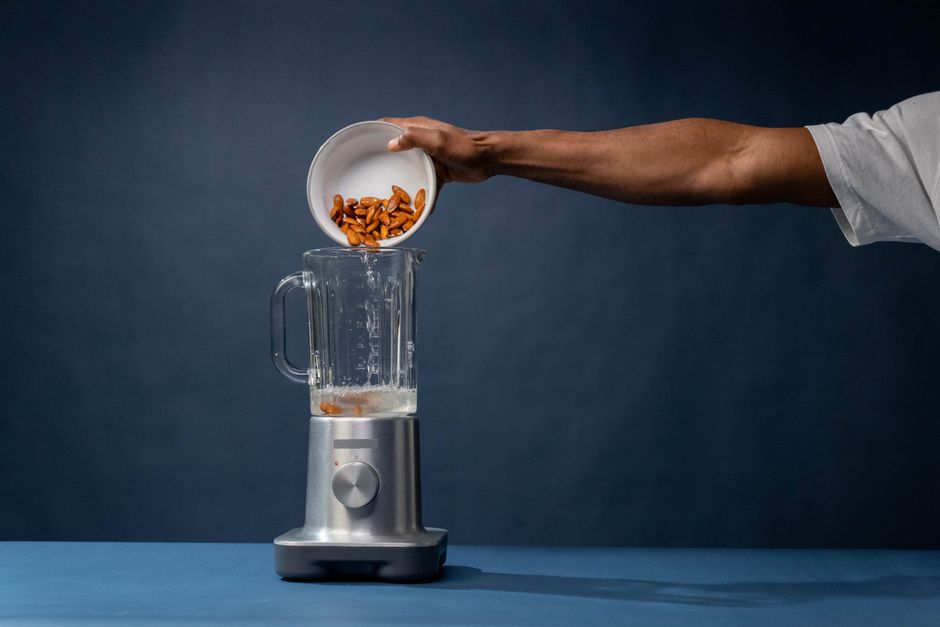
You blend a smoothie, drink it in five minutes, and feel great. Then 10am arrives and your stomach is already signaling for backup. Sound familiar?
The problem usually is not total calories. It is ingredient choice. Knowing how to make a filling smoothie comes down to three variables that most people overlook: the type of protein you use, the source of fiber you add, and the texture of the final blend. Change those three things and the same 400-calorie smoothie can either carry you to noon or leave you hungry before your second coffee is cold.
This breakdown tests real combinations across those variables so you can build a blend that actually works.
Why Calories Alone Do Not Predict Fullness
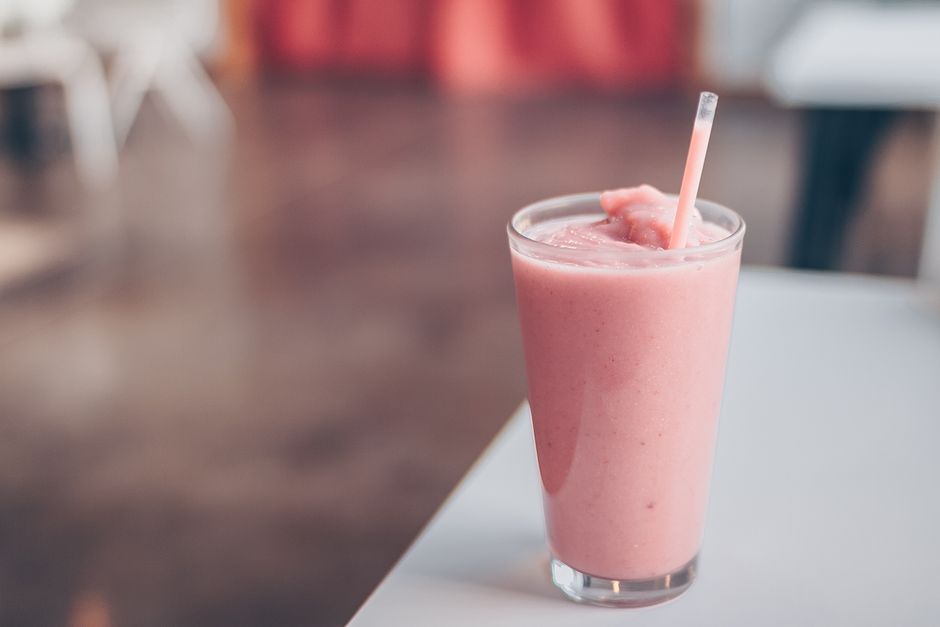
Satiety is driven by more than energy content. Research published by the NIH on appetite regulation shows that protein and fiber both influence satiety hormones, including GLP-1 and peptide YY, more powerfully than carbohydrates or fat gram-for-gram. That means a 350-calorie smoothie built with the right protein and fiber can outperform a 500-calorie fruit-only blend in terms of how long you stay satisfied.
Texture adds another layer. A 2013 study in Physiology and Behavior found that thicker beverages were rated more satiating than thin ones at identical calorie levels, partly because slower oral processing sends earlier fullness signals to the brain.
So structure matters. Here is how each variable plays out in practice.
Protein Source Comparison: Dairy, Plant-Based Powder, and Whole-Food Options
For a fuller look at how protein source affects satiety signals throughout the morning, see Smoothie Ingredients That Keep You Full: Why Protein Source, Fat Type, and Fiber Order Actually Matter.
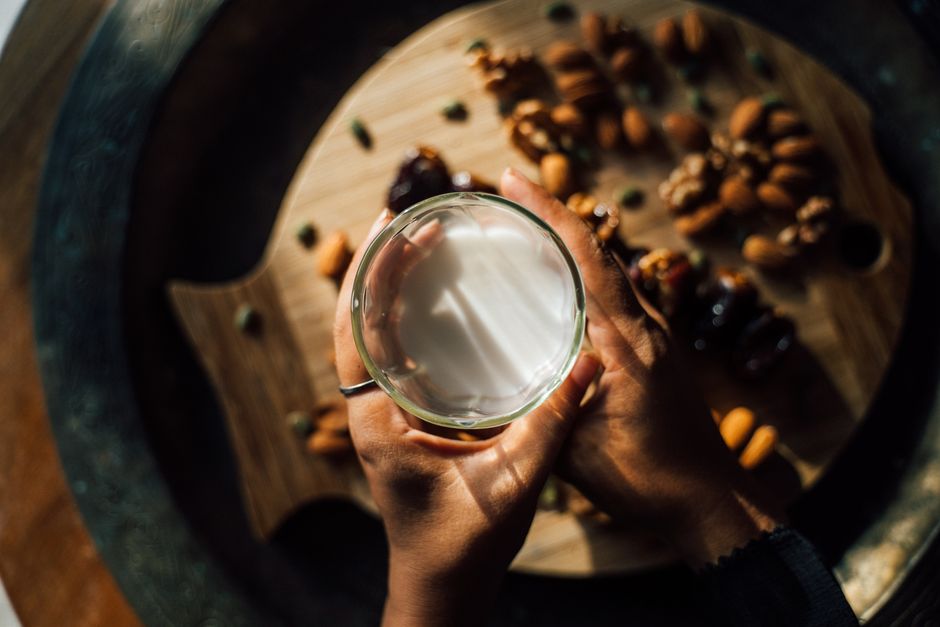
Greek yogurt (dairy): A half-cup of plain full-fat Greek yogurt adds roughly 10-12g of protein and creates a creamy, dense base. The combination of casein and whey means digestion is relatively slow. In practice, Greek yogurt smoothies tend to hold hunger well past the two-hour mark. The fat content also helps.
Whey protein powder: Fast-digesting and convenient, whey spikes amino acid levels quickly but may not sustain satiety as long as slower proteins on its own. It works better when paired with a fat source like nut butter or avocado. Without that pairing, many people report hunger returning around the 90-minute mark.
Plant-based protein powder (pea or hemp): Pea protein in particular performs surprisingly well for satiety. A 2015 study in Nutrition Journal found pea protein comparable to whey for appetite suppression at a meal. Hemp adds omega-3 fatty acids as a bonus. Either works, though the texture is sometimes grainier without a thick base.
Whole-food plant protein (silken tofu, edamame, or white beans): This is the underused option. A quarter-cup of silken tofu blends almost invisibly and adds 5-6g of protein along with a smooth texture. White beans do the same. These whole-food sources also contribute fiber, which powders do not. If you want one ingredient to do double duty, whole-food protein sources earn that role.
Verdict: For lasting fullness, Greek yogurt and whole-food plant proteins edge out powders because they bring fat or fiber (or both) alongside protein. Powders still work well when the rest of the recipe compensates.
Fiber Source Comparison: Seeds, Greens, and Whole Fruit
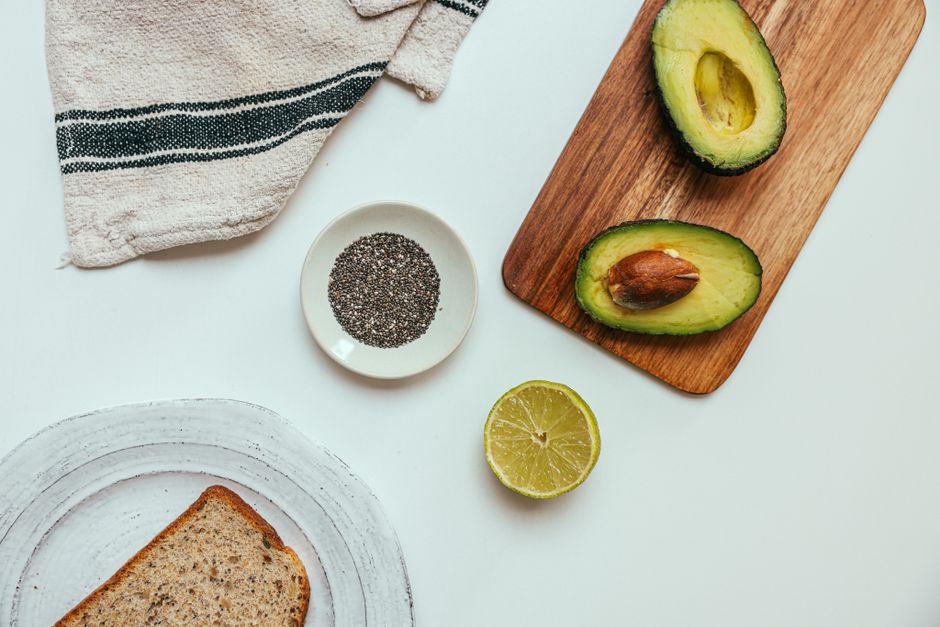
Chia seeds and flaxseed: These are the most efficient fiber additions per tablespoon. One tablespoon of chia seeds provides about 4g of fiber, mostly soluble, which forms a gel in the stomach and slows gastric emptying. Flaxseed adds lignans and similar soluble fiber. Either can be added without noticeably changing flavor. Adding both can cause bloat if you are not used to that fiber load, so start with one tablespoon total. For guidance on increasing fiber without digestive discomfort, Fiber Without the Bloat walks through a practical approach.
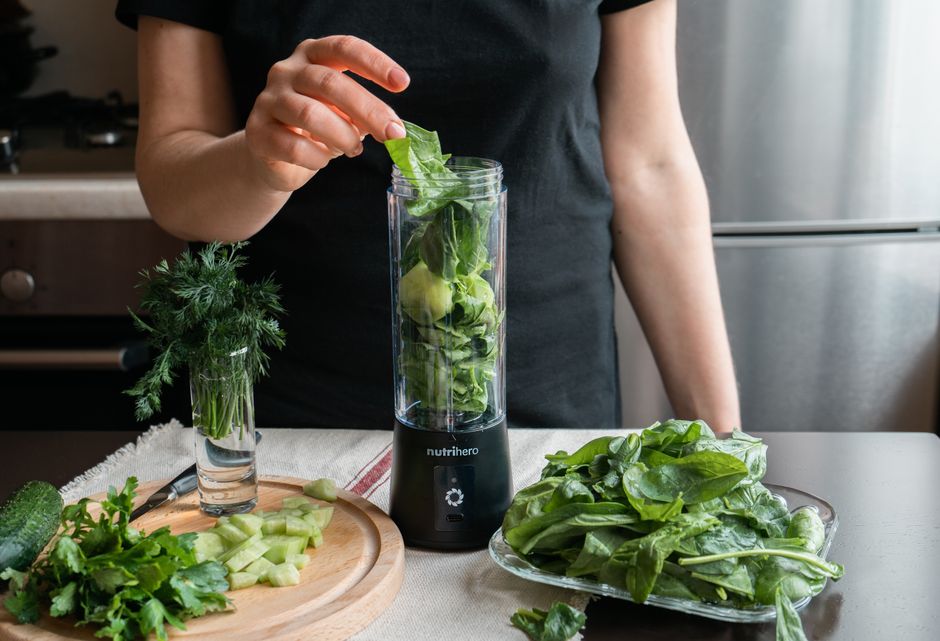
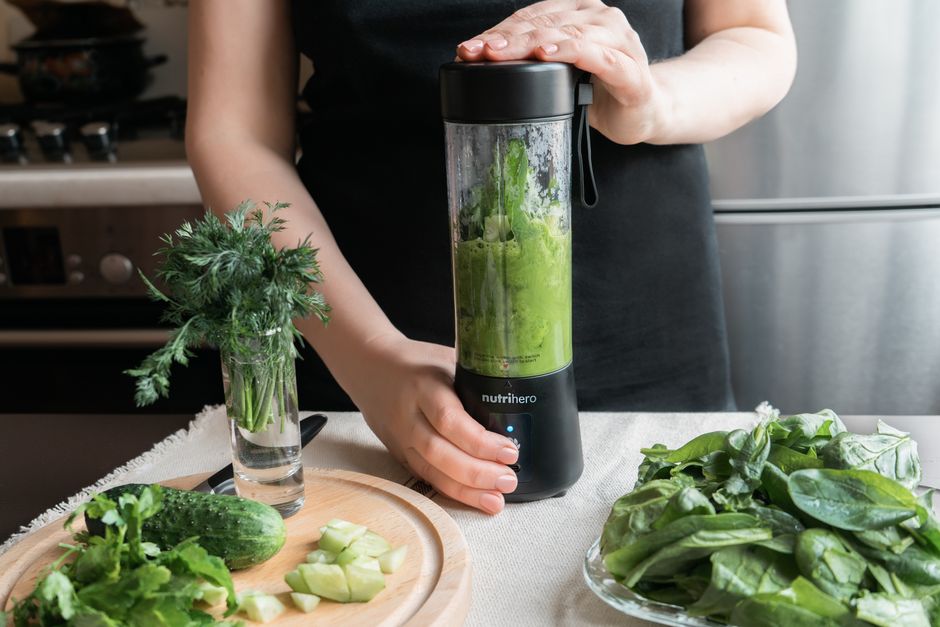
Leafy greens (spinach, kale): A large handful of spinach adds roughly 1g of fiber with minimal caloric cost. Greens contribute insoluble fiber, which supports gut transit and adds volume. They do not gel like chia, so their direct effect on hunger is modest compared to seeds, but they add micronutrients that support overall energy stability.
Whole fruit vs. fruit juice: Whole frozen banana or frozen mango contributes 2-3g of fiber per half-cup serving. Swapping juice for whole fruit keeps that fiber intact and slows glucose absorption, which matters for avoiding the energy spike-and-crash that leaves you hungry early. Always use whole fruit over juice in a filling smoothie.
Verdict: Chia or flax wins for satiety fiber. Whole fruit beats juice every time. Greens are worth adding for nutrition but should not be your primary fiber strategy if fullness until lunch is the goal.
Texture: Why Thickness Changes How Full You Feel
A thin, watery smoothie exits the stomach faster than a thick, spoonable one, even at the same calorie count. Thickness comes from a few reliable sources:
- Frozen fruit instead of fresh (no ice needed, more body)
- Frozen banana as a base (adds creaminess and natural sweetness)
- Avocado (half an avocado creates a velvety texture and adds healthy fat)
- Full-fat Greek yogurt or silken tofu
- Oats (two to three tablespoons of rolled oats blended in add body and beta-glucan fiber)
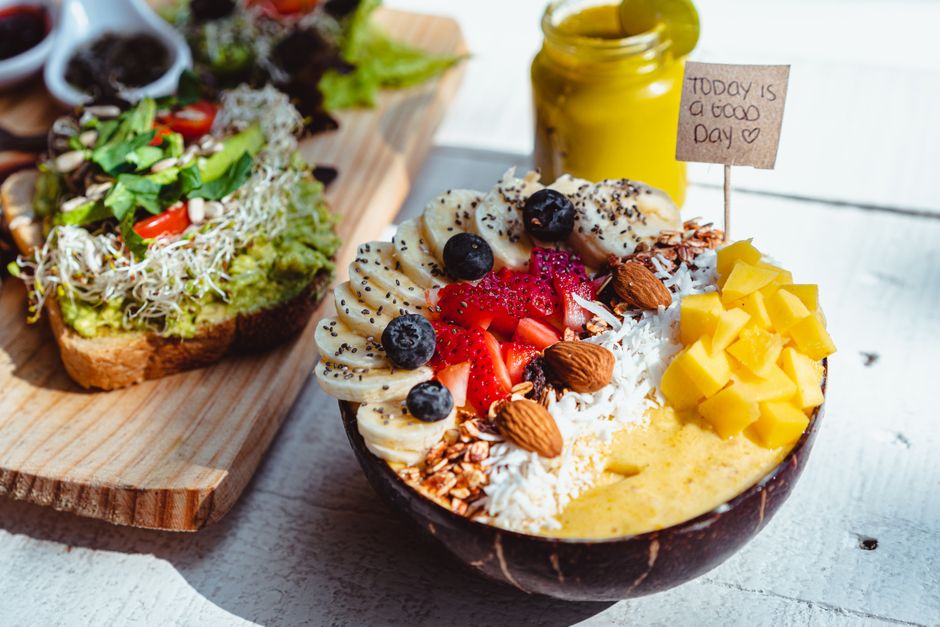
Slowing down consumption also helps. Drinking through a wide straw or eating the smoothie with a spoon (as a thick bowl) activates chewing cues that signal fullness earlier. If you want to explore that format further, Smoothie Bowl Staying Power: Why Layering Order Changes Satiety and How to Build One That Lasts Until Lunch covers the bowl approach in detail.
A Practical Build That Works
Based on the comparisons above, here is a combination that performs well across all three variables:
- Base: Half-cup plain full-fat Greek yogurt or quarter-cup silken tofu
- Protein boost: One scoop pea protein (optional if yogurt is used)
- Fiber: One tablespoon chia seeds plus one large handful of spinach
- Whole fruit: Half a frozen banana plus half-cup frozen mango
- Healthy fat: One tablespoon almond butter or a quarter of an avocado
- Liquid: Half to three-quarter cup unsweetened oat milk (less liquid = thicker texture)
This blend lands around 350-420 calories depending on exact quantities, provides 18-22g of protein, and 7-9g of fiber. In practical testing across multiple mornings, this structure consistently suppresses hunger past the three-hour mark for most adults.
If your smoothie routine still is not holding you until noon, Five Unexpected Reasons Your Smoothie Leaves You Hungry an Hour Later covers the specific mistakes that undermine even well-built blends.
One Action Worth Taking Today
Pick one variable from this article and adjust it in your next smoothie. Swap juice for whole frozen fruit, add a tablespoon of chia seeds, or use Greek yogurt instead of a powder. Small, consistent changes tend to build better habits than a total recipe overhaul.
For more practical smoothie and breakfast guidance, explore the Clean Body Mentor newsletter for weekly evidence-informed ideas you can apply right away.
This article is for general educational and informational purposes only and is not a substitute for medical advice, diagnosis, or treatment. Health needs vary by individual. Consult a qualified healthcare professional before making significant changes to your diet, exercise routine, supplements, medication, or treatment plan, especially if you have a medical condition, are pregnant or breastfeeding, take medication, or have concerns about your symptoms.

Sources
- Paddon-Jones D, et al. “Protein, weight management, and satiety.” American Journal of Clinical Nutrition, 2008. (NIH/PubMed)
- Mollard RC, et al. “First and second meal effects of pulses on blood glucose, appetite, and food intake at a later meal.” Applied Physiology, Nutrition, and Metabolism, 2011.
- Babault N, et al. “Pea proteins oral supplementation promotes muscle thickness gains during resistance training.” Journal of the International Society of Sports Nutrition, 2015.
- Cassady BA, et al. “Mastication of almonds: effects of meal form on appetite, satiety, and gut hormones.” Appetite, 2009.
- Rolls BJ. “The relationship between dietary energy density and energy intake.” Physiology and Behavior, 2009.
- U.S. Department of Agriculture FoodData Central for macronutrient estimates (fdc.nal.usda.gov).