
That second cup of coffee at 3pm feels like a logical solution. Your focus is slipping, your eyelids are heavy, and the espresso machine is right there. The problem is that caffeine taken in the mid-afternoon often delays your ability to fall asleep later, which makes the next afternoon slump even worse. Research published in the journal Science Advances (2023) found that afternoon caffeine significantly disrupts deep sleep architecture even when people feel they have slept a full night.
The better fix is not necessarily zero caffeine. It is choosing a beverage that stabilizes energy without the spike-and-crash pattern. Five blends stand out when you weigh the evidence, the taste, and the practical reality of an afternoon break.
If you want context on how caffeine timing interacts with your natural energy rhythms, Caffeine Timing vs. Natural Energy Rhythms: Which Strategy Actually Sustains Your Focus All Day is a solid companion read before diving in here.
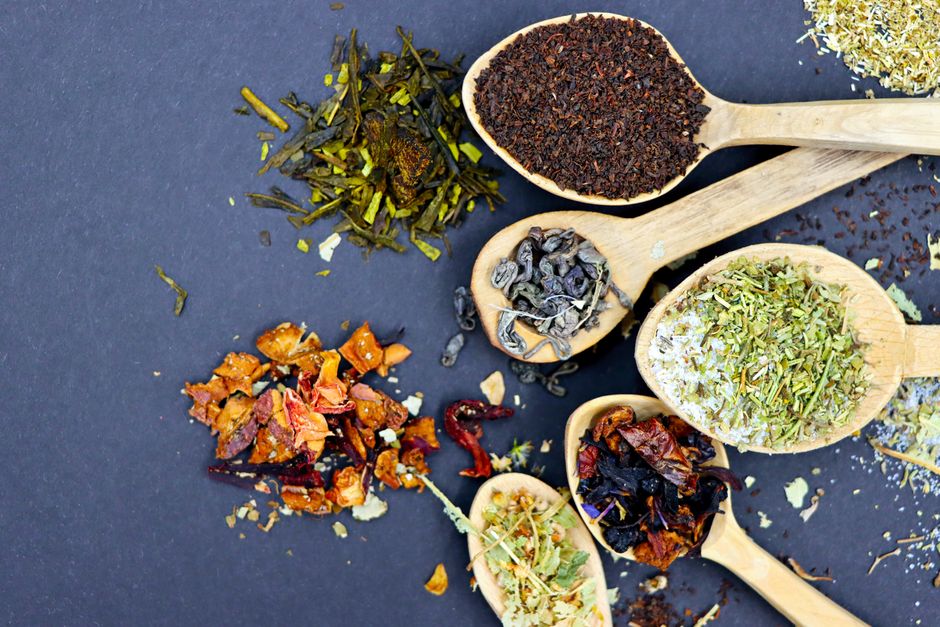
The Five Blends Reviewed
1. Ginger-Turmeric Blend (Caffeine-Free)
What it does: Ginger contains gingerols that may support circulation and reduce feelings of mental fog. Turmeric provides curcumin, which research suggests has mild anti-inflammatory properties (National Center for Complementary and Integrative Health, NIH). Neither compound will send you into a jitter-fueled sprint, but together they can take the edge off afternoon heaviness, especially when digestion is slow after lunch.
Taste: Warming, slightly spicy, earthy. Works well with a squeeze of lemon and a small amount of honey.
Brew: Steep 1 tsp each of fresh grated ginger and turmeric (or a quality bagged blend) in near-boiling water for 8-10 minutes. Cover the cup to retain volatile compounds.
Best for: People who feel sluggish and heavy after a big lunch. Also a good starting point if you are sensitive to caffeine. Pairs well with the food pairing strategies covered in How to Pair Foods for Natural Energy Without Afternoon Crashes.
Energy duration: Gentle and steady. Do not expect a noticeable surge, but most regular drinkers report feeling clearer within 20-30 minutes.
2. Adaptogenic Mushroom Blend (Caffeine-Free)
What it does: Blends built around lion’s mane, cordyceps, or reishi are marketed heavily right now. The honest picture: lion’s mane shows early promise for cognitive support in preliminary human studies (Mori et al., 2009, Phytotherapy Research), but the evidence is not yet robust. Cordyceps may support oxygen utilization during physical activity, though most data comes from animal studies. These blends are worth trying if you want a ritualistic warm drink with potential upside and no caffeine downside.
Taste: Earthy, umami-forward, sometimes slightly bitter. Quality varies enormously by brand. Look for blends that use dual-extracted mushroom fruiting bodies rather than mycelium on grain.
Brew: Follow package directions; most call for 180-190 F water and a 5-7 minute steep. Some come as instant powders.
Best for: Curious beginners comfortable with earthy flavors who want a caffeine-free afternoon ritual with adaptogenic potential.
Energy duration: Subtle. Effects, if any, are cumulative over days rather than immediate.
3. Yerba Mate (Moderate Caffeine, Naturally Occurring)
What it does: Mate contains roughly 85 mg of caffeine per 8 oz serving, plus theobromine and theophylline, which are the same compounds that make dark chocolate feel smooth rather than jittery. Many drinkers report a cleaner, more focused lift compared to coffee. Research suggests this effect is real: the xanthine combination in mate produces a more gradual release than isolated caffeine (Heck and de Mejia, Journal of Food Science, 2007).
Taste: Grassy, slightly smoky, bitter with a distinctive finish. An acquired taste for some. Cold-brewed mate is noticeably smoother.
Brew: Use 1 tbsp loose leaf in 170 F water (not boiling) for 3-5 minutes. Hotter water or longer steeping pulls sharp bitterness.
Best for: Former coffee drinkers who want a real caffeine lift without the crash, and who do not mind learning a slightly new ritual. Not ideal if you are already sensitive to caffeine or if it is past 2pm for most people. See Caffeine Sensitivity and Sleep Quality for guidance on your personal cutoff time.
Energy duration: 2-3 hours for most people, with a gentler tail-off than coffee.
4. Ceremonial-Grade Green Tea (Low-Moderate Caffeine)
What it does: Green tea contains L-theanine, an amino acid that research suggests counteracts some of the jitteriness associated with caffeine by promoting calm alertness. A meta-analysis published in Nutrients (2017, Dodd et al.) found that combined L-theanine and caffeine improved attention and alertness more than either compound alone. A standard cup provides roughly 25-45 mg of caffeine, well below a typical coffee serving.
Taste: Grassy, vegetal, smooth. Ceremonial-grade matcha whisked with warm water gives a creamier, more satisfying version of the same compounds.
Brew: For loose leaf, use 175 F water for exactly 2 minutes. Longer steeping extracts bitterness without adding benefits.
Best for: Anyone seeking a mild, evidence-supported lift with well-studied cognitive benefits. This is the most accessible starting point for most readers. Green Tea, Black Tea, and Herbal Blends for Sustained Focus gives a deeper comparison if you want to explore further.
Energy duration: 1.5-2.5 hours, smooth decline.
5. Caffeine-Free Botanical Blend (Peppermint, Lemon Verbena, Rosemary)
What it does: This category is the most genuinely caffeine-free option for people sensitive to stimulants. Peppermint aroma has been studied for its effect on alertness: a small study from Northumbria University found that peppermint scent improved memory and alertness in healthy adults. Rosemary contains 1,8-cineole, a compound that may support cognitive function in aromatherapy doses. Lemon verbena adds brightness without acidity.
Taste: Refreshing, herbal, slightly floral. Easy to enjoy iced in warm months. For year-round ideas, Iced Tea, Cold Brew, and Herbal Blends: A Cost and Flavor Comparison for Year-Round Hydration Without the Coffee Crash covers cold-preparation options.
Brew: Steep 1.5 tsp per cup in boiling water for 5-7 minutes. These botanicals handle heat well.
Best for: Afternoon drinkers who want zero caffeine, a pleasant ritual, and a genuine sensory lift from aroma and taste rather than pharmacology.
Energy duration: Effect is mostly behavioral and sensory. A five-minute tea break itself reduces perceived fatigue; that mechanism is underrated.
How to Choose the Right Blend for Your Afternoon
The right choice depends on three factors: your caffeine tolerance, how late in the day you are drinking it, and what kind of slump you are dealing with.
- Feeling foggy and heavy after lunch? Start with ginger-turmeric or the botanical blend.
- Need a genuine focus lift before 2pm? Green tea or yerba mate are evidence-supported options.
- Curious about adaptogens but caffeine-sensitive? Mushroom blends are your safest entry point.
- Drinking after 3pm? Stick to caffeine-free options to protect sleep quality. Herbal Tea Blends for Midday Energy and Digestion covers caffeine-free formulas that work specifically in that window.
Remember that the afternoon slump is often partly driven by blood sugar fluctuation and dehydration, not just sleep debt. Pairing your tea with a balanced snack addresses the root cause alongside the ritual. Why Your Afternoon Energy Crashes at 2pm and How Snack Timing Stops It walks through that connection in practical detail.

A Simple Action to Start This Week
Pick one blend from this list that matches your taste preferences and your afternoon caffeine window. Brew it at a consistent time for five days. Notice whether your 4pm alertness or your evening wind-down feels different. Small, consistent swaps tend to produce more lasting results than dramatic overhauls.
If you want ongoing practical guidance like this delivered weekly, the Clean Body Mentor newsletter is a good place to stay connected.
This article is for general educational and informational purposes only and is not a substitute for medical advice, diagnosis, or treatment. Health needs vary by individual. Consult a qualified healthcare professional before making significant changes to your diet, supplements, or treatment plan, especially if you have a medical condition, are pregnant or breastfeeding, take medication, or have concerns about your symptoms.

Sources
- Hilditch, C.J., et al. (2023). Afternoon caffeine disrupts deep sleep architecture. Science Advances. National Institutes of Health, National Center for Complementary and Integrative Health: turmeric and curcumin overview.
- Mori, K., et al. (2009). Improving effects of the mushroom Yamabushitake on mild cognitive impairment. Phytotherapy Research.
- Heck, C.I., and de Mejia, E.G. (2007). Yerba Mate Tea: A comprehensive review. Journal of Food Science.
- Dodd, F.L., et al. (2015). A double-blind, placebo-controlled study evaluating the effects of caffeine and L-theanine both alone and in combination on cerebral blood flow, cognition, and mood. Psychopharmacology. (Referenced through the broader L-theanine literature reviewed in Nutrients, 2017.)
- Moss, M., et al. Northumbria University peppermint aroma and cognitive performance study (published in the International Journal of Neuroscience).