

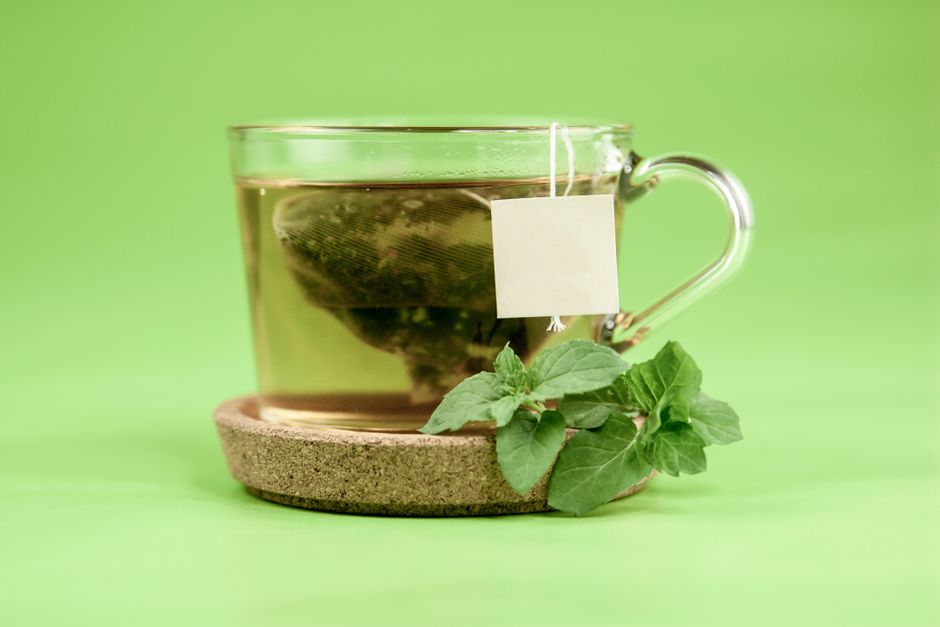
You know that 2 p.m. feeling. Lunch is settling, your focus softens, and reaching for another coffee sounds reasonable until you remember the restless night it caused last time. What you actually want is something that clears the fog and settles your stomach without creating a new problem. That is exactly where a well-chosen herbal tea for energy and digestion earns its place.
This is not a roundup of flavored water masquerading as wellness. Six herbal blends were reviewed across several afternoons, evaluated for taste, noticeable effect on focus, and digestive comfort. Here is what held up.

Why Caffeine-Free Teas Can Support Afternoon Energy
Not all energy comes from stimulants. Some herbs influence circulation, reduce the drag of sluggish digestion, or provide micronutrients that support normal cell function. Afternoon fatigue is often compounded by mild dehydration, post-lunch blood sugar dips, or slowed gut motility, so a warm, mineral-rich, or carminative (gas-clearing) tea can address the actual cause rather than just overriding it with more caffeine.
Research on circadian biology suggests that caffeine consumed after early afternoon can delay melatonin onset by as much as 40 minutes (American Academy of Sleep Medicine). If you want to understand why your coffee timing may be working against you, Caffeine Timing vs. Natural Energy Rhythms: Why Your 2pm Coffee Habit Backfires and What Actually Works offers a clear breakdown.
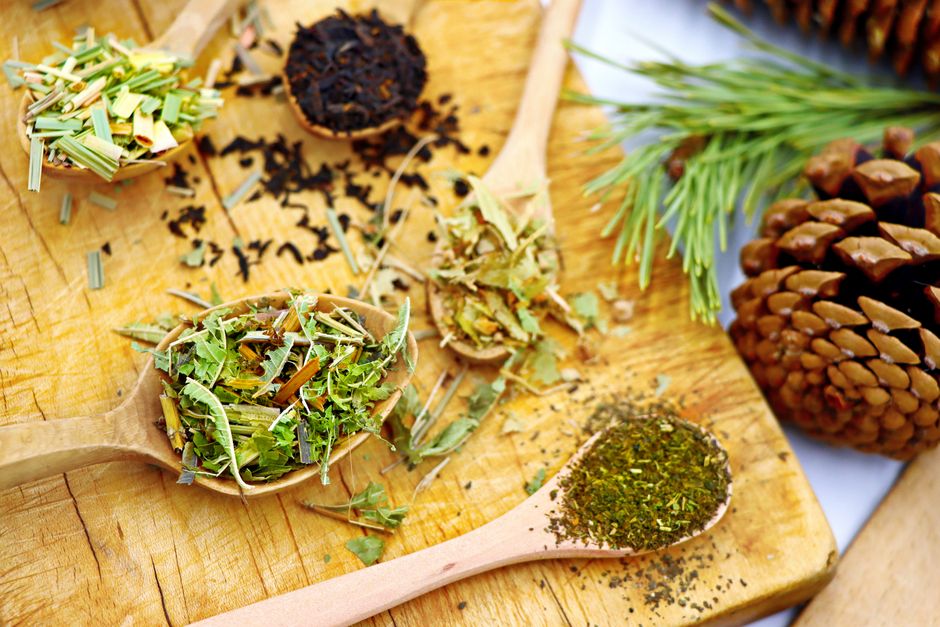
The Six Blends Reviewed
1. Ginger and Lemon
Taste: Bright, warming, slightly spicy. Easy to sip without sweetener.
Energy effect: Moderate. Ginger stimulates circulation, and the scent itself may support alertness through olfactory pathways, though research here is still developing.
Digestive effect: Strong. Ginger is one of the better-studied carminatives. A 2018 review in the journal Food Science and Human Wellness found that gingerols and shogaols may accelerate gastric emptying and reduce bloating. This blend is the most practical choice if post-lunch heaviness is your main complaint.
Brew tip: Use fresh ginger root (about five thin slices) steeped in near-boiling water for 8 to 10 minutes. Dried ginger works but delivers a sharper, less nuanced flavor.
2. Peppermint
Taste: Clean, cool, refreshing. The most palatable of the six for non-tea drinkers.
Energy effect: Light but real. The scent of peppermint has been associated with improved alertness in small controlled studies (University of Cincinnati research cited in the International Journal of Neuroscience). Consider it a sensory reset, not a stimulant.
Digestive effect: Strong, particularly for upper GI discomfort and gas. One important note: if you have acid reflux or gastroesophageal symptoms, peppermint may relax the lower esophageal sphincter and worsen symptoms. Consult a qualified healthcare professional if that applies to you.
Brew tip: Steep for 5 to 7 minutes maximum. Over-steeping turns bitter.
3. Stinging Nettle
Taste: Earthy, mild, faintly vegetal. Blends well with lemon.
Energy effect: Subtle but sustained. Nettle is unusually rich in iron, magnesium, and B vitamins, which means if low-grade nutrient gaps contribute to your afternoon drag, it may help more than herbs that work through scent or stimulation. The NIH Office of Dietary Supplements notes that inadequate iron is a common contributor to fatigue.
Digestive effect: Mild anti-inflammatory properties are noted in early research, though evidence is not yet conclusive for digestion specifically.
Brew tip: Steep 1 to 2 teaspoons of dried nettle for 10 minutes. If you forage fresh nettle, blanch it first to neutralize the sting.
4. Fennel and Licorice Root
Taste: Sweet, anise-forward, slightly polarizing. Most people either love it or skip it.
Energy effect: Minimal as a standalone energizer. However, relieving bloat and digestive pressure reliably removes a hidden fatigue trigger.
Digestive effect: Very strong for gas, cramping, and bloating. Fennel is widely used in European phytotherapy. A small clinical trial published in Evidence-Based Complementary and Alternative Medicine (2012) found fennel effective for reducing colic symptoms, and its carminative properties are recognized across multiple traditional medicine traditions.
Brew tip: Lightly crush the fennel seeds before steeping to release more volatile oils. Steep 5 to 8 minutes.
5. Ashwagandha and Tulsi (Holy Basil) Blend
Taste: Earthy, slightly herbal, mild sweetness from tulsi. Best with a small piece of cinnamon.
Energy effect: Adaptogenic herbs like ashwagandha are studied for stress reduction rather than direct stimulation. Research suggests they may support cortisol regulation over time, which can translate to more stable energy across the day. This is a slow-burn option, not a quick fix.
Digestive effect: Tulsi has shown mild carminative and anti-spasmodic properties in animal studies, though human data is limited.
Brew tip: Use a pre-blended commercial tea here unless you have access to quality ashwagandha root powder. Steep 7 to 10 minutes, covered, to retain volatile compounds.
6. Rooibos with Cinnamon
Taste: Naturally sweet, smooth, the most coffee-adjacent of the six in terms of body and warmth.
Energy effect: Moderate, likely tied to its antioxidant content (aspalathin) and pleasant sensory experience. Not stimulating, but satisfying enough to replace the habit of reaching for a second coffee.
Digestive effect: Mild. Rooibos is low in tannins compared to black tea, which means it is gentler on the gut lining and unlikely to worsen nausea or constipation.
Brew tip: Steep 5 to 6 minutes. Rooibos tolerates longer steeping without becoming bitter, unlike most herbal teas.

Building a Practical Midday Rotation
No single tea wins across every afternoon. A rotation works better than picking one and committing forever. A reasonable starting point:
- Post-lunch bloating or heaviness: Reach for ginger-lemon or fennel-licorice. Pairing tea with light post-meal movement amplifies the digestive benefit.
- Foggy focus without digestive symptoms: Peppermint or rooibos-cinnamon.
- Sustained fatigue that builds across the week: Try nettle daily for two to three weeks and assess.
- Stress-driven slumps: Ashwagandha-tulsi as a 3 p.m. ritual over several weeks.
For a wider look at how teas compare across focus, taste, and caffeine level, Green Tea, Black Tea, and Herbal Blends for Sustained Focus: A Caffeine Comparison and Taste Test for Daily Sipping covers that ground in detail. And if your afternoons feel heavy even after adjusting your tea routine, Why Your Afternoon Digestion Feels Heavy and Four Foods That Actually Lighten It may help you identify a food-level cause.

A Word on Quality and Sourcing
Herbal tea quality varies considerably. Look for products that list the plant species on the label (for example, Mentha piperita rather than just “peppermint flavor”), have transparent sourcing, and ideally carry third-party testing verification. Loose-leaf herbs from reputable suppliers typically offer stronger flavor and more reliable phytochemical content than mass-market tea bags.
If you enjoy building your own blends, the Herbal Tea for Digestion and Recovery: A Tasting Guide to Blends That Actually Work After Meals and Workouts guide includes practical blending ratios you can apply at home.

Sources
- American Academy of Sleep Medicine, caffeine and sleep latency guidance.
- Bode AM and Dong Z (2011), “The Amazing and Mighty Ginger,” in Herbal Medicine: Biomolecular and Clinical Aspects, 2nd edition, CRC Press/Taylor and Francis.
- Moss M et al. (2008), “Modulation of cognitive performance and mood by aromas of peppermint and ylang-ylang,” International Journal of Neuroscience.
- NIH Office of Dietary Supplements, Iron Fact Sheet for Health Professionals.
- Alexandrovich I et al. (2003), fennel and colic, Alternative Therapies in Health and Medicine.
This article is for general educational and informational purposes only and is not a substitute for medical advice, diagnosis, or treatment. Health needs vary by individual. Consult a qualified healthcare professional before making significant changes to your diet, supplements, or treatment plan, especially if you have a medical condition, are pregnant or breastfeeding, take medication, or have concerns about your symptoms.
Pick one blend from the list above, something that matches your most common afternoon complaint, and brew it consistently for a week. Small, sustainable swaps are the kind that actually accumulate. If you want more practical guidance like this delivered weekly, consider joining the Clean Body Mentor newsletter.