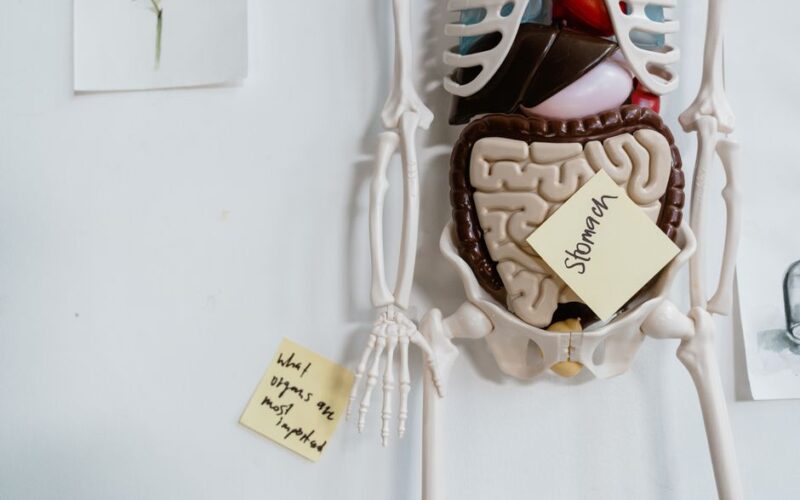


You finish a satisfying dinner, settle onto the couch, and then it hits: that dense, heavy feeling in your midsection that makes you want to do nothing except wait it out. If this happens most evenings, the culprit may not be what you are eating but the order in which you are eating it.
Most people follow an unconscious sequence: a few bites of bread or rice, then the protein, then whatever vegetables ended up on the plate. Research suggests flipping that order, starting with fiber-rich vegetables before anything else, may significantly ease post-meal bloating, slow the rise in blood sugar, and help your body absorb nutrients more efficiently.
This case study follows three readers who made one focused change, eating vegetables first at dinner, and tracked what shifted over two weeks. Their experiences are not medical outcomes and your results will vary, but the patterns they noticed align with what current evidence says about meal sequencing and digestion.
For a broader look at the mechanics behind this idea, How Meal Sequencing Shapes Your Energy and Digestion: A Beginner’s Guide to Eating in the Right Order is a useful starting point.
Why Eating Order Affects How Your Stomach Feels
Digestion is not simply a mixing bowl process. The stomach handles different macronutrients in distinct ways, and the sequence you introduce them matters.
When you eat dense carbohydrates or protein first, your stomach goes to work on those calories immediately. Vegetables, which are rich in soluble and insoluble fiber, end up sitting on top of that dense mass rather than moving through efficiently. Fermentation begins in the lower gut before that first wave of food has fully emptied the stomach, which contributes to gas and a bloated feeling.
Flipping the order changes the environment your food enters. Fiber from vegetables slows gastric emptying in a controlled way, forms a kind of buffer in the stomach, and signals satiety hormones earlier. A 2022 study published in Nutrients found that consuming vegetables and protein before carbohydrates in a structured sequence produced lower postprandial glucose spikes compared to eating carbohydrates first. Flatter blood sugar curves tend to translate into less fatigue, lighter digestion, and more stable energy after meals.
Fiber also feeds beneficial gut bacteria. When you consistently deliver fiber to the gut before it has to process heavier macronutrients, you are effectively warming up the digestive process in a way that research suggests supports more comfortable, efficient digestion.

Three Readers, One Small Change
Reader One: Priya, 41, Busy Parent
Priya had been dealing with evening bloating for years. Her typical dinner started with rice or flatbread while serving her kids, then chicken, and vegetables last if they were not already cold. She agreed to eat her salad or cooked greens first for 14 days before touching anything else on her plate.
By day four, Priya noticed she was eating more slowly overall because starting with vegetables required more chewing. By the end of the second week, she reported significantly less bloating after dinner and said she felt “lighter going to bed.” She also found she was naturally eating smaller portions of rice because she was fuller sooner.
This aligns with what Digestive Comfort Through Eating Order and Pace: Why Timing Your Food Matters More Than Portion Size describes: pace and sequence often accomplish what portion restriction never quite manages.
Reader Two: Marcus, 33, Office Worker
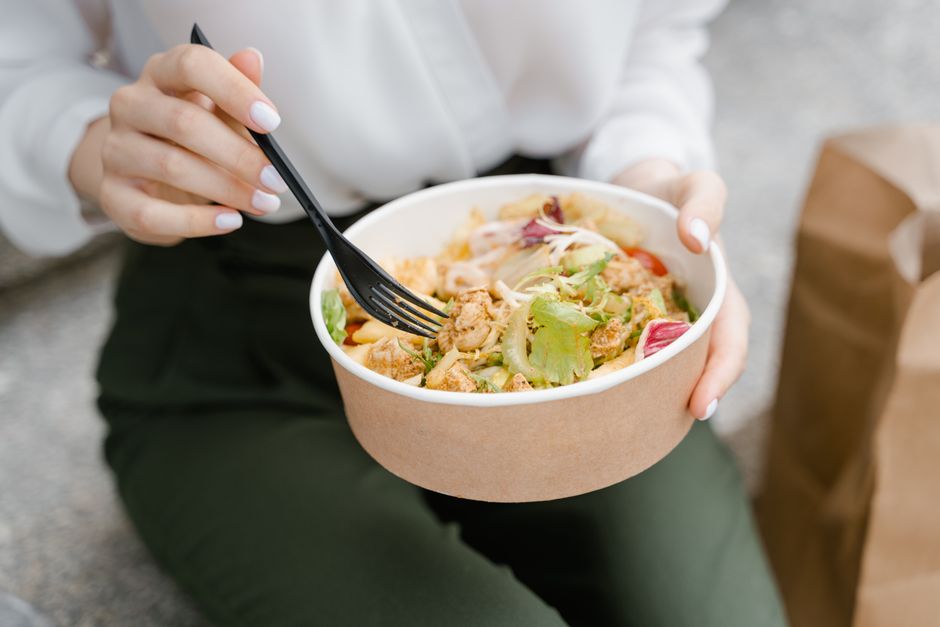
Marcus ate fast and rarely paid attention to order. His dinner was typically pasta or a grain bowl, built from the bottom up, with greens or roasted vegetables added on top mostly for color. He committed to plating his vegetables separately and eating them completely before touching the grain or protein portion.
His main observation after two weeks: he stopped experiencing what he called “the food coma” by 8 p.m. His energy after dinner stayed more consistent. He also noticed less need for antacids, which he had been using two or three times a week. He did not change what he ate, only when within the meal he ate each component.
Reader Three: Dana, 52, Health-Focused Retiree
Dana was already health-conscious but had persistent post-dinner sluggishness that she attributed to aging. Her dinners were well-balanced but protein-led. She shifted to starting every meal with a small plate of raw or lightly steamed vegetables, roughly one to one-and-a-half cups, before moving to her usual protein and starch.
Dana noticed improved digestion within the first week and said her skin felt clearer, which connects to observations in Skin Clarity and Nutrient Order: Why Eating Vegetables First Changes Your Complexion From the Inside Out. By week two she was sleeping more comfortably and attributed it partly to feeling less physically burdened at bedtime.
How to Actually Try This at Dinner Tonight
Eating vegetables first does not require a new meal plan or special shopping trip. Here is a simple approach:
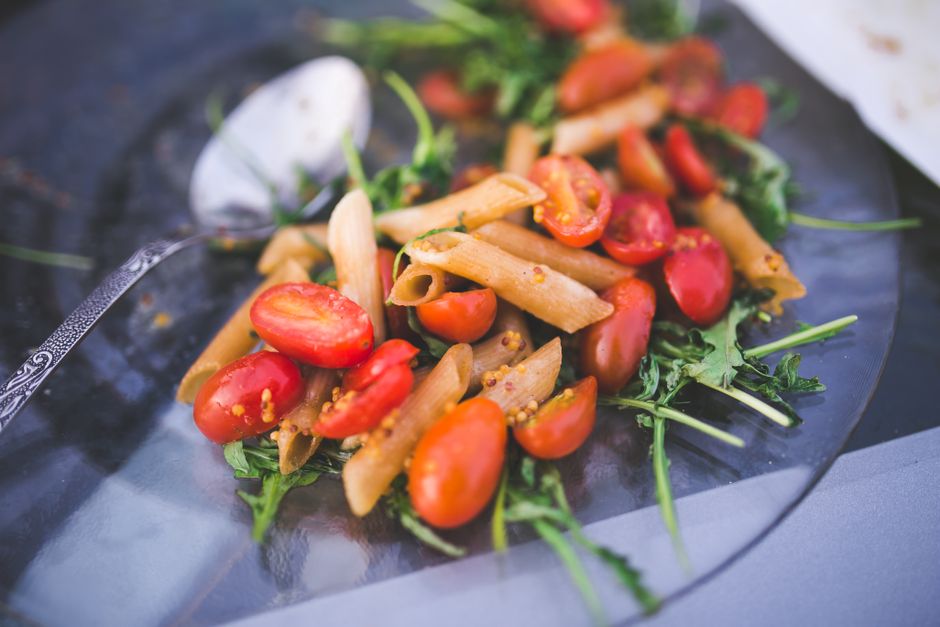
- Plate your vegetables separately before sitting down. Keeping them visually distinct makes it easier to eat them first rather than weaving them in between bites of protein or starch.
- Aim for one to two cups of vegetables before touching the rest of your plate. Cooked, raw, steamed, or roasted all count.
- Slow down for the first five minutes of the meal. Fiber requires chewing, and taking your time lets satiety signals catch up before you move to denser foods.
- Do not restrict the rest of the meal. This is not a portion-control strategy. Eat your protein and grains normally once the vegetables are done. The goal is sequence, not reduction.
- Consider a short walk after eating. Walking for Digestion: How Post-Meal Movement Supports Gut Health and Blood Sugar explains how even 10 minutes of movement after a meal can further stabilize blood sugar and ease the heaviness that comes from sitting immediately after eating.
If vegetables are tough to include regularly, you might also explore Teaching Your Family to Enjoy Vegetables Without Pressure or Reward Systems for gentle, sustainable strategies.

What to Expect in the First Two Weeks
Most people notice the first shifts within three to five days: slightly less post-dinner heaviness and a bit more energy in the hour after eating. Blood sugar stabilization builds gradually and is less immediately obvious unless you use a continuous glucose monitor.
By the end of two weeks, the habit tends to feel automatic rather than effortful, which is exactly how sustainable eating patterns take hold. The goal is consistent, gradual progress rather than a dramatic overnight transformation.
If you also experience afternoon digestion issues, How to Reduce Afternoon Bloating Without Cutting Carbs or Fats: A Practical Guide to Eating Order and Pace applies many of the same sequencing principles to lunch.

Sources
- Kubota, S., et al. (2022). “Effects of Eating Order on Glycemic Control.” Nutrients, National Library of Medicine (PubMed). Research on meal sequencing and postprandial glucose response.
- U.S. Department of Agriculture Dietary Guidelines for Americans, 2020-2025: recommendations on fiber intake and vegetable consumption (USDA.gov).
- Harvard T.H. Chan School of Public Health, The Nutrition Source: fiber and gut health overview (hsph.harvard.edu/nutritionsource).
This article is for general educational and informational purposes only and is not a substitute for medical advice, diagnosis, or treatment. Health needs vary by individual. Consult a qualified healthcare professional before making significant changes to your diet, exercise routine, supplements, medication, or treatment plan, especially if you have a medical condition, are pregnant or breastfeeding, take medication, or have concerns about your symptoms.
If this one shift resonates with you, choose a single dinner this week and commit to eating your vegetables first. That is it. No overhaul needed. For more practical, evidence-informed guidance on digestion, nutrition, and everyday wellness habits, consider subscribing to the Clean Body Mentor newsletter.