

You sit down to a bowl of pasta with grilled chicken and a side salad. Most people reach for the pasta first because it smells good and it is right there. But what if the order you eat those components quietly determines how alert you feel two hours later, and whether your stomach feels settled or bloated?
That is the core idea behind meal sequencing for energy: rearranging the components of a meal you are already eating, without changing what is on the plate, to get steadier blood sugar and a more comfortable digestive experience. No special foods required, no calorie counting, no restrictive rules.
Here is what the research suggests and how to put it into practice today.
Why Eating Order Affects Blood Sugar
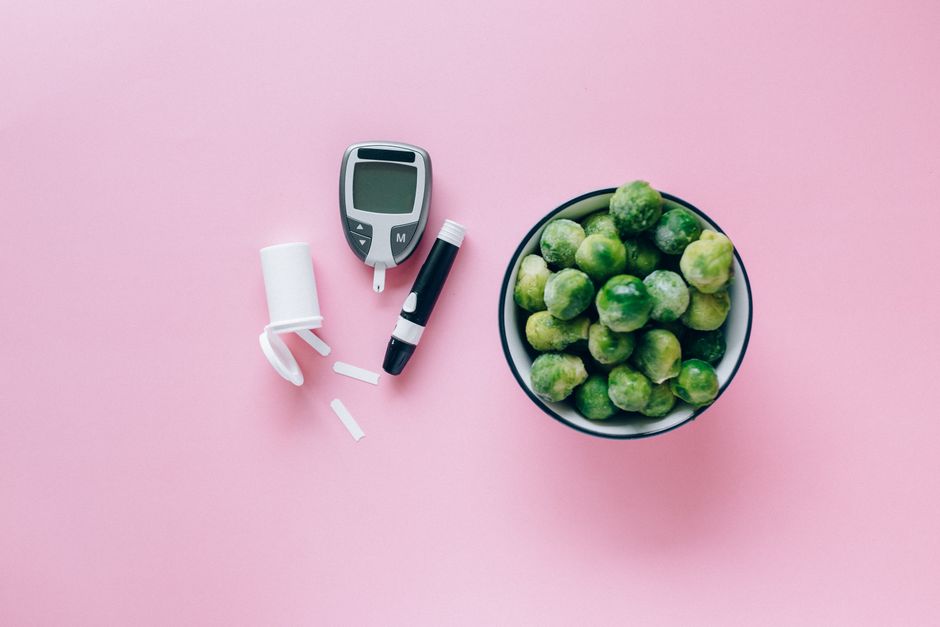
When you eat carbohydrates, your digestive system converts them into glucose and releases it into your bloodstream. How quickly that happens, and how high the spike climbs, depends partly on what else is in your stomach at the same time.
A well-cited study published in Diabetes Care (Shukla et al., 2015, Cornell University) found that eating vegetables and protein before carbohydrates significantly reduced the post-meal blood sugar spike in people with type 2 diabetes. The glucose rise was roughly 29-37 percent lower compared to eating carbohydrates first, and insulin levels followed a similar pattern.
The mechanism is not mysterious. Fiber slows gastric emptying, meaning food moves from your stomach into your small intestine more gradually. Protein stimulates the release of GLP-1, a gut hormone that further moderates how fast glucose enters your bloodstream. When these effects happen before carbohydrates arrive, the carbs are digested into a more favorable environment.
For people without diabetes, the spike may be smaller to begin with, but the principle still applies. Smoother blood sugar generally means more consistent energy and fewer mid-afternoon crashes. If you have noticed the connection between a carb-heavy lunch and the 3 p.m. slump, this guide on afternoon energy and meal composition explores that link in detail.
The Simple Sequencing Framework
Think of your plate as having three layers, eaten roughly in this order:
1. Start with fiber-rich vegetables
Raw or cooked non-starchy vegetables (leafy greens, broccoli, cucumbers, peppers) eaten first create a fiber buffer in your stomach. This primes your digestion and slows the absorption of everything that follows. Aim for a few bites to a moderate portion before moving on.
2. Eat proteins and fats next
Chicken, fish, eggs, tofu, beans, cheese, and healthy fats like olive oil or avocado work together to further slow glucose release and extend feelings of fullness. Research suggests protein is especially effective at triggering satiety hormones, which is one reason protein at lunch tends to hold your energy through the afternoon better than caffeine alone.
3. Finish with starchy carbohydrates
Rice, bread, pasta, potatoes, and other starches eaten last are digested into a stomach that already has fiber, protein, and fat working in it. This does not eliminate the blood sugar response, but it tends to blunt the sharpest part of the spike.
You do not have to eat each category in complete isolation, and a few bites of carbs mixed in along the way is fine. The goal is a general pattern, not rigid precision.

How This Affects Digestion and Fullness
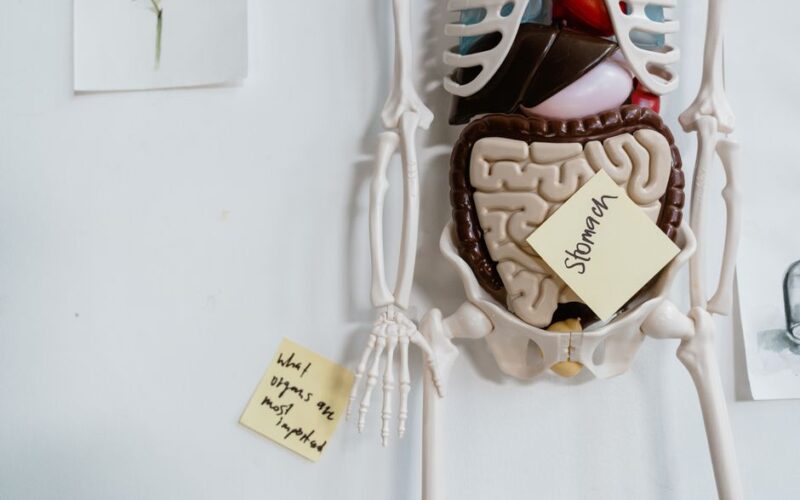
Meal sequencing for energy is not only about blood sugar. It also influences how comfortably your digestive system handles a meal.
Fiber supports gut motility, meaning it helps move food through your digestive tract at a healthy pace. Eating it early also feeds beneficial gut bacteria, which connects to broader gut health and even mood over time. If you want a deeper look at the digestion-mood relationship, this guide on gut health foods and microbiome support covers the topic well.
Protein consumed before refined carbohydrates also appears to support satiety more effectively. When your body registers protein early in a meal, it sends stronger fullness signals before you reach the higher-calorie, lower-volume carbohydrate foods. For people working toward sustainable weight management, this is a meaningful advantage that does not require skipping anything.
One thing worth noting: meal sequencing works best when you are eating at a reasonable pace. If you are rushing, the order matters less because your body does not have time to register fullness signals before you are already full or overfull. Eating pace has its own effect on bloating and energy that complements what sequencing can do.
Applying This at Real Meals
Here is how meal sequencing translates to common eating situations:
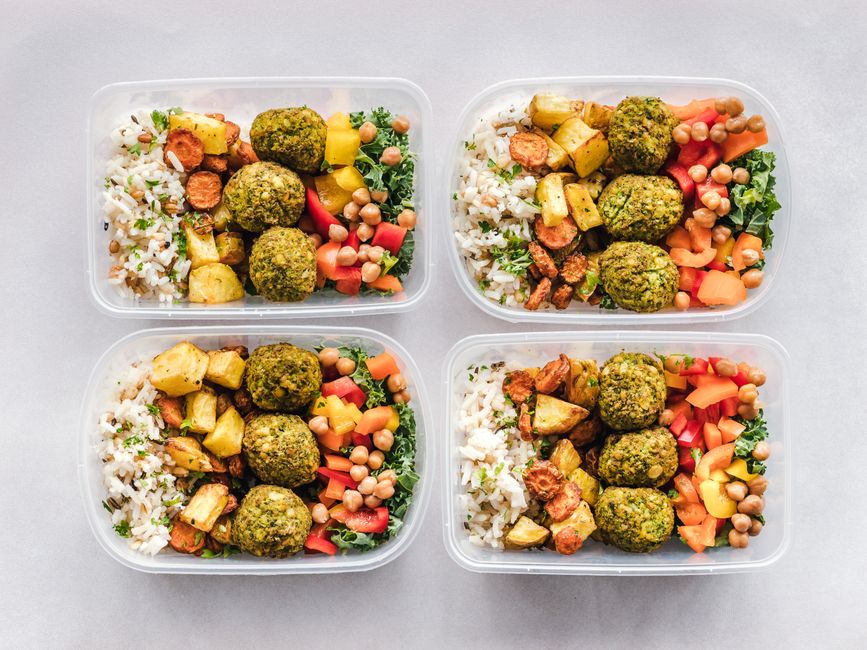
- Pasta night: Start with a green salad or roasted vegetables, eat a portion of your protein (meatballs, sausage, chicken), then enjoy the pasta.
- Burrito bowl: Eat the lettuce and salsa bites first, then work through the beans and protein, and save most of the rice for last.
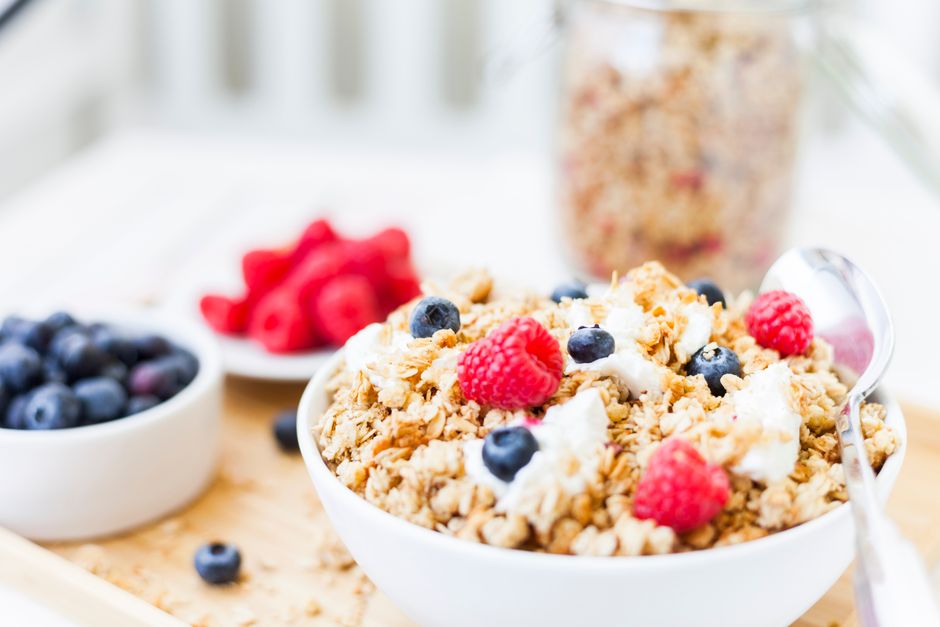
- Breakfast plate: Begin with eggs or Greek yogurt, add any fruit or vegetables, then have toast or oatmeal.
- Restaurant meals: Ask for your salad before the main course arrives rather than alongside it.
None of these changes require ordering differently or cooking new foods. You are just shifting which part of the plate you eat first.
If you are curious about how timing across the whole day interacts with energy and metabolism, meal timing and its effects on digestion and energy is a useful companion read.
What Meal Sequencing Cannot Do
It is worth being honest about the limits here. Meal sequencing is one practical tool, not a cure-all. It will not override a diet consistently high in ultra-processed foods, compensate for chronic sleep deprivation, or replace the effect of regular physical activity on blood sugar regulation.
If you have type 2 diabetes, prediabetes, insulin resistance, or any condition that affects blood sugar or digestion, talk with a registered dietitian or qualified healthcare professional before relying on sequencing as a management strategy. The research is promising but it should complement, not replace, individualized medical guidance.
For most healthy adults, though, meal sequencing for energy is a low-effort, no-cost habit adjustment with a reasonable body of evidence behind it.
One Place to Start
Choose one meal this week, probably lunch or dinner since those tend to have the clearest separation between food groups, and practice eating your vegetables first. Just that one change. Notice whether your energy holds up better in the hour or two that follows.
If that feels useful, add the protein-before-carbs step at the same meal the following week. Small, consistent practice tends to build more durable habits than overhauling everything at once.
For more practical, evidence-informed guidance on how food choices and patterns support your whole-day energy, consider subscribing to the Clean Body Mentor newsletter for weekly ideas delivered without pressure or perfection.
This article is for general educational and informational purposes only and is not a substitute for medical advice, diagnosis, or treatment. Health needs vary by individual. Consult a qualified healthcare professional before making significant changes to your diet, exercise routine, supplements, medication, or treatment plan, especially if you have a medical condition, are pregnant or breastfeeding, take medication, or have concerns about your symptoms.
Sources
- Shukla AP, Iliescu RG, Thomas CE, Aronne LJ. Food Order Has a Significant Impact on Postprandial Glucose and Insulin Levels. Diabetes Care. 2015;38(7):e98-e99. Published by the American Diabetes Association.
- Jakubowicz D, et al. Incretin, insulinotropic and glucose-lowering effects of whey protein pre-load in type 2 diabetes. Diabetologia. 2014. (Protein-first effects on GLP-1 and insulin.)
- Moran LJ, et al. Dietary fiber intake and gut microbiota. Cochrane-adjacent review literature available via PubMed, National Library of Medicine (NLM).
- U.S. National Library of Medicine, MedlinePlus: Fiber and digestive health overview.