


You already know that skipping breakfast or grabbing a refined carb-heavy meal tends to leave you hungry and distracted by mid-morning. What is harder to figure out is which protein source actually fits your schedule, your budget, and how your stomach feels at 7 a.m. Eggs, legumes, Greek yogurt, and whole grains each offer real benefits, and each comes with tradeoffs worth knowing before you commit to a routine.
This comparison looks at four of the most practical high-protein breakfast options through four lenses: satiety, prep time, cost, and digestive comfort. By the end, you should have a clearer sense of which one, or which combination, belongs in your morning.
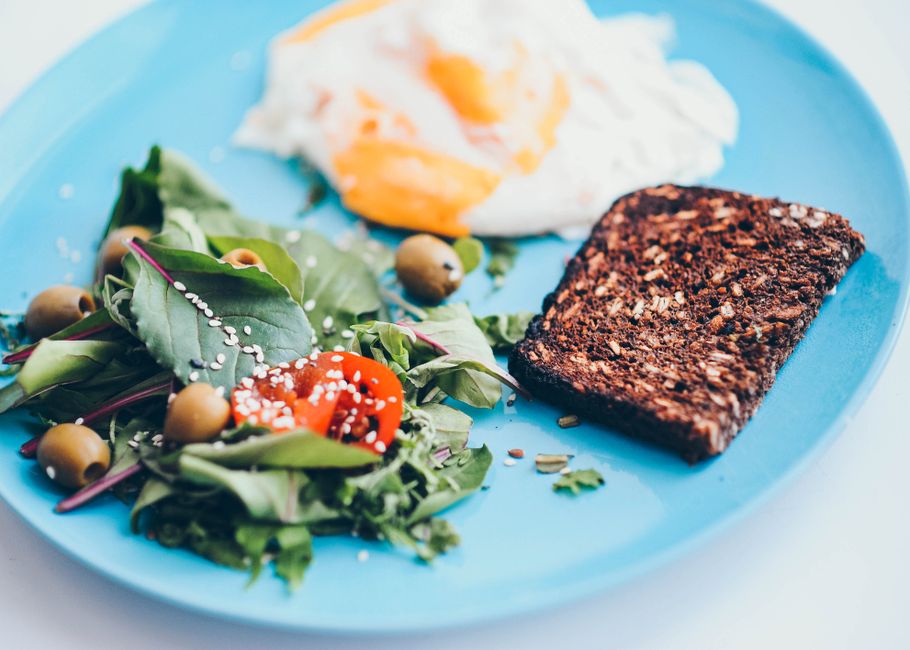
Why Morning Protein Matters More Than You Might Think
Protein at breakfast does two things that carbohydrates alone cannot: it slows gastric emptying and stimulates satiety hormones like peptide YY and GLP-1, which reduces hunger signals before your next meal. Research published in the American Journal of Clinical Nutrition suggests that higher-protein breakfasts reduce mid-morning appetite and support more consistent energy across the first half of the day.
The general target most registered dietitians recommend is 20 to 30 grams of protein at breakfast for adults managing appetite or body composition goals. Not every source below hits that number on its own, but knowing what each brings helps you build toward it. For a closer look at how protein order and timing shape your hunger signals, see Protein Order at Breakfast Changes Your Hunger Signals All Day: The Science Behind Eating Eggs or Beans First.

Eggs: The Benchmark Everyone Compares Against
Protein per serving: roughly 6 grams per large egg; two to three eggs delivers 12 to 18 grams.
Satiety: High. Eggs contain all nine essential amino acids and a combination of protein and dietary fat that extends fullness reliably. Several studies, including a frequently cited 2008 trial in the International Journal of Obesity, found that an egg-based breakfast reduced calorie intake later in the day compared to a bagel-matched breakfast.
Prep time: Fast to moderate. Scrambled eggs take under five minutes. Boiled eggs can be batch-cooked Sunday night and grabbed cold all week.
Cost: Low to moderate. A dozen eggs typically costs between $2 and $4 depending on region and type, making them one of the most cost-efficient protein sources available.
Digestive comfort: Generally easy for most people. Those with egg sensitivity or high LDL concerns should consult a registered dietitian or their healthcare provider about frequency.
Best for: Readers who want a quick, filling, versatile breakfast and can tolerate animal products.

Legumes: The Underrated Plant-Based Contender
Protein per serving: roughly 7 to 9 grams per half cup cooked, depending on the variety. Black beans, lentils, and chickpeas lead the category.
Satiety: High and sustained. Legumes combine protein with soluble fiber, which slows digestion and keeps glucose levels steadier over time. Research from the British Journal of Nutrition suggests legume-containing meals improve satiety scores compared to refined-carb alternatives.
Prep time: Slower from scratch, but very manageable with batch cooking or canned options. Canned black beans rinsed and warmed take two minutes. Lentils cooked in bulk on a weekend reheat in a minute. Pair them with eggs or a grain for a more complete amino acid profile if you are relying on legumes as a primary protein. Plant-Based Protein Timing for Stable Energy: How Legumes, Grains, and Seeds Work Together Across Your Day explains how to build those combinations effectively.
Cost: Very low. Dried lentils and canned beans are among the most affordable protein sources in any grocery store.
Digestive comfort: Variable. Some people experience gas and bloating, especially when increasing legume intake quickly. Rinsing canned legumes well and starting with smaller portions helps. Most people adapt within a few weeks.
Best for: Budget-conscious eaters, plant-based eaters, or anyone wanting fiber alongside protein.
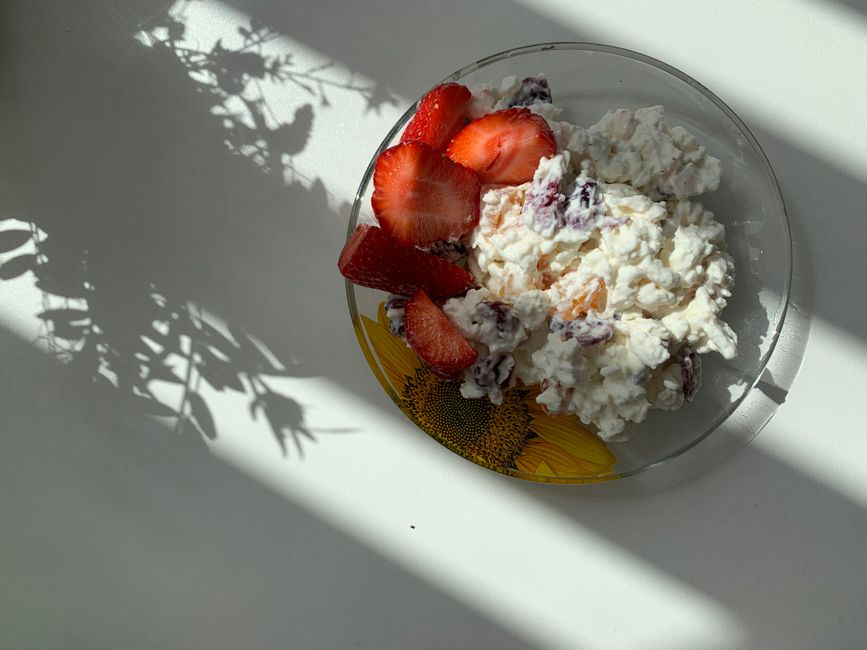
Greek Yogurt and Cottage Cheese: Convenient Dairy Proteins
Protein per serving: plain Greek yogurt offers roughly 15 to 20 grams per 3/4 cup serving. Cottage cheese delivers a similar 14 to 18 grams per half cup.
Satiety: High. Dairy proteins, particularly casein found in both Greek yogurt and cottage cheese, digest slowly and support fullness for several hours. The protein density here is genuinely impressive for how little effort these require.
Prep time: Minimal. No cooking required. Top with berries, seeds, or a spoonful of nut butter and you have a complete breakfast in under two minutes.
Cost: Moderate. Greek yogurt and cottage cheese are pricier than eggs or legumes but still reasonable for the protein they deliver.
Digestive comfort: Depends on lactose tolerance. Many people with mild lactose sensitivity tolerate Greek yogurt well because the culturing process reduces lactose content. Those with dairy allergies or stricter sensitivities should use a plant-based alternative and pair it with seeds or nut butter for protein.
Best for: Anyone short on time who wants high protein with minimal effort and tolerates dairy well.
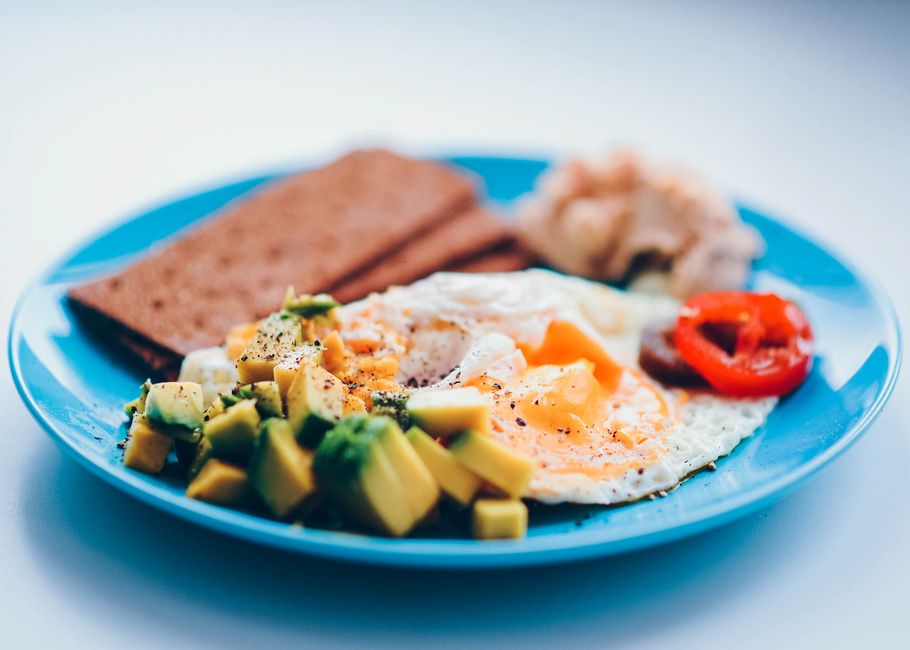
Whole Grains: A Supporting Player Worth Taking Seriously
Protein per serving: oats offer roughly 5 grams per half cup dry; quinoa delivers about 8 grams per cup cooked. Neither is a primary protein source, but both contribute meaningfully when combined with dairy, eggs, or legumes.
Satiety: Moderate on their own, stronger in combination. Whole grains bring complex carbohydrates and fiber that steady energy release, but without a protein partner they tend to lead to a mid-morning dip. Quinoa is notably the only grain that provides all essential amino acids, making it closer to a complete protein than most.
Prep time: Oats can be cooked in five minutes or prepped overnight. Quinoa takes about 15 minutes but stores well for three to four days.
Cost: Low. Oats are one of the cheapest whole foods available. Quinoa costs more but is still budget-friendly in bulk.
Digestive comfort: Gentle for most people. Oats contain beta-glucan fiber that supports gut health and has been linked to lower cholesterol levels according to the U.S. Food and Drug Administration’s qualified health claim on oats.
Best for: Readers who need carbohydrate energy for active mornings and want to build a layered breakfast, such as oats topped with Greek yogurt or a quinoa bowl with eggs.
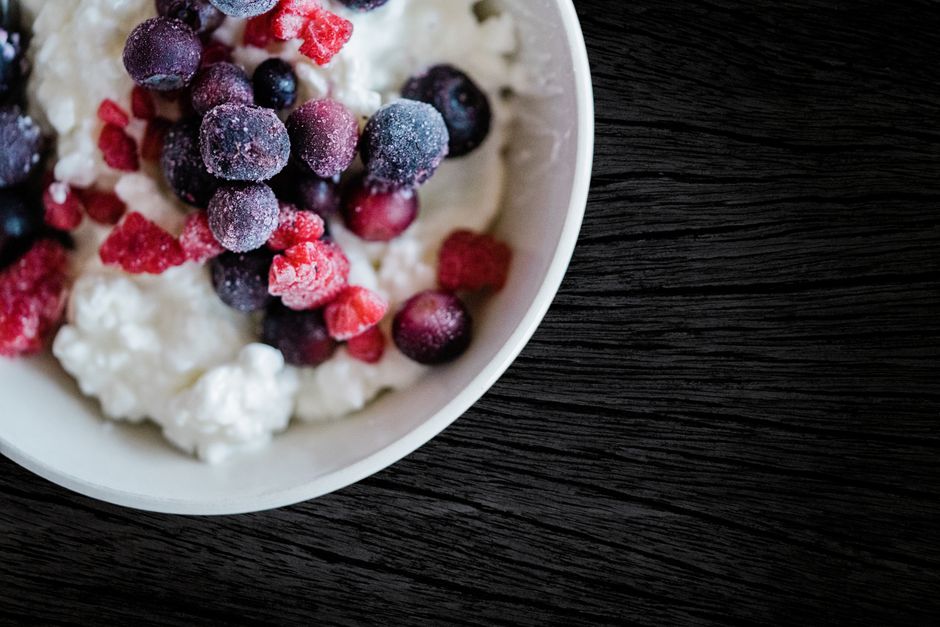
A Quick Side-by-Side
| Source | Protein (typical serving) | Prep Time | Cost | Digestive Ease |
|---|---|---|---|---|
| Eggs | 12-18g (2-3 eggs) | 2-5 min | Low | High |
| Legumes | 7-9g (1/2 cup) | 2 min (canned) | Very low | Variable |
| Greek yogurt | 15-20g (3/4 cup) | Under 2 min | Moderate | Moderate |
| Whole grains | 5-8g (1 serving) | 5-15 min | Low | High |
For a practical, real-life approach to building combinations from these sources, Building a Breakfast Routine for Stable Morning Energy: Protein, Timing, and Real-Life Combinations walks through exactly how to do that step by step.

Picking What Actually Works for You
No single source wins for every person. If your mornings are rushed, Greek yogurt or pre-boiled eggs are your most practical options. If budget is the main concern, legumes paired with oats cost almost nothing and cover both protein and fiber. If you want maximum flexibility for meal prep, eggs and whole grains are the easiest to batch-cook and store.
Combining sources often works better than relying on one alone. A bowl of oats with Greek yogurt and hemp seeds, or scrambled eggs alongside black beans, covers both protein quality and fiber in a way that sustains energy well into the afternoon. Why Your Morning Hunger Returns by 9am and Which Breakfast Pairing Prevents It for Four Hours explores which specific pairings keep appetite stable longest.
The most practical step you can take today is picking one option from this list, trying it consistently for five to seven days, and noticing how your hunger and focus respond. Small, consistent changes build far more reliable results than dramatic overhauls that fade by week two.
If you want more practical weekly guidance on meals, movement, and whole-person wellness, subscribing to the Clean Body Mentor newsletter is a simple way to stay consistent.
This article is for general educational and informational purposes only and is not a substitute for medical advice, diagnosis, or treatment. Health needs vary by individual. Consult a qualified healthcare professional before making significant changes to your diet, exercise routine, supplements, medication, or treatment plan, especially if you have a medical condition, are pregnant or breastfeeding, take medication, or have concerns about your symptoms.

Sources
- Leidy HJ et al. “The influence of higher protein intake and greater eating frequency on appetite control.” American Journal of Clinical Nutrition, 2011.
- Vander Wal JS et al. “Egg breakfast enhances weight loss.” International Journal of Obesity, 2008.
- Mollard RC et al. “First and second meal effects of legumes on blood glucose.” British Journal of Nutrition, 2011.
- U.S. Food and Drug Administration. “Oatmeal and Heart Disease: FDA Qualified Health Claim” (FDA.gov).
- USDA FoodData Central for macronutrient figures (fdc.nal.usda.gov).