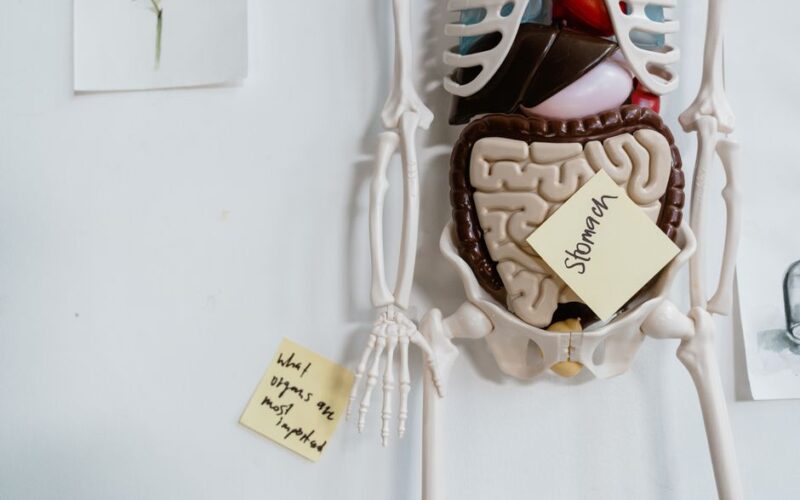

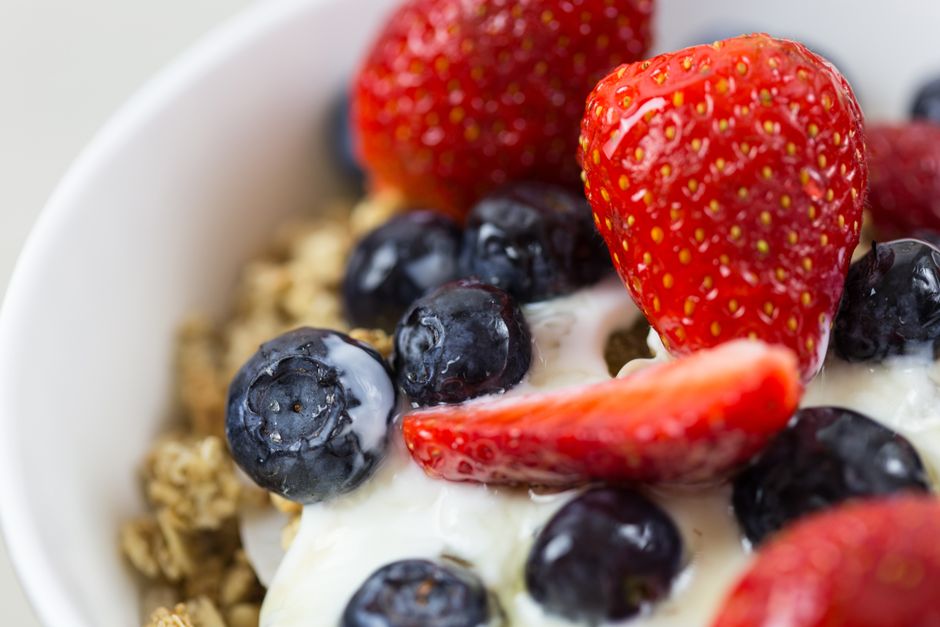
You swapped chips for a grain bowl. You added more vegetables. You are eating the way every credible nutrition resource says you should. And yet, by mid-afternoon, your stomach is uncomfortably distended and you feel like you swallowed a small balloon.
Bloating after nutrient-dense meals confuses a lot of people, and it is one of the most common reasons readers abandon healthy eating habits altogether. But the food itself is usually not the problem. Research consistently points to how you eat as a stronger driver of digestive discomfort than what you eat. The good news: the fixes are concrete, free, and do not require you to remove a single food group.
Here are five specific, evidence-informed reasons why healthy meals cause bloating, plus the habit shifts that actually resolve it.
1. You Are Eating Too Fast
Speed-eating is one of the most underappreciated causes of post-meal bloating. When you eat quickly, you swallow excess air along with your food, a process called aerophagia. That trapped air has to go somewhere, and it usually settles in your intestines as uncomfortable gas and pressure.
There is another layer. Chewing triggers the release of salivary amylase, the enzyme that begins breaking down complex carbohydrates. Skipping thorough chewing means larger, partially digested food particles reach your small intestine, where bacteria ferment them and produce gas.
A practical target: aim for 20 to 30 chews per bite, particularly for dense foods like lentils, roasted vegetables, or whole grains. Set your fork down between bites. Even a two-minute extension of your meal duration can meaningfully reduce the air you swallow. For a deeper look at how pace affects digestion, Digestive Discomfort From Rushed Eating: Why Pace and Chewing Beat Food Restriction Every Time walks through the mechanics in full.

2. Your Water Timing Around Meals Is Off
Staying hydrated is essential, but the timing of large fluid intake relative to eating matters more than most people realize. Drinking a large volume of water right before or during a meal can dilute stomach acid, which your body needs to break down protein efficiently and signal the release of digestive enzymes downstream.
Lower stomach acid activity means food stays in the stomach longer. That delayed gastric emptying creates pressure and fermentation higher up in the digestive tract, contributing directly to the bloated feeling you notice an hour after eating.
The practical fix is straightforward: drink 16 ounces of water roughly 20 to 30 minutes before your meal, then sip small amounts during eating rather than gulping large glasses. Morning Hydration vs. Evening Hydration: Which Timing Actually Shapes Your Energy, Digestion, and Sleep covers how hydration timing ripples beyond the meal itself.
3. You Are Eating High-Fiber Foods in the Wrong Order
Fiber is one of the most valuable nutrients in a whole-foods diet, supporting gut microbiome diversity, blood sugar regulation, and satiety. But eating large amounts of raw, high-fiber vegetables at the start of a meal on an empty stomach can overwhelm your digestive system before it is fully primed.
Raw cruciferous vegetables like broccoli and cauliflower, along with raw onions, beans, and certain leafy greens, ferment readily in the large intestine. When they arrive before digestive enzymes and stomach acid are fully activated, the fermentation curve steepens and gas production increases.
Experiment with eating a small amount of cooked or warm food first to activate digestion, then move to raw vegetables mid-meal. Cooking, fermenting, or simply chewing fibrous vegetables more thoroughly reduces the fermentable load. If bloating is a recurring issue, Five Recipes for High-Fiber Meals That Reduce Bloating Instead of Causing It offers meal-by-meal structure for getting fiber’s benefits without the discomfort. You might also find the food-order insights in Why Your Digestion Feels Heavy After Dinner and How Eating Vegetables First Changes Everything useful for comparison.

4. You Are Eating Under Stress
Your digestive system operates primarily through the parasympathetic nervous system, sometimes called the rest-and-digest state. When you are stressed, anxious, or distracted while eating, your body is operating in sympathetic mode, where blood is redirected away from the gut toward muscles and the brain.
In this state, stomach acid secretion decreases, gut motility slows, and the muscles that coordinate digestion contract less efficiently. A 2014 review published in the journal Gut noted that psychological stress measurably disrupts gut motility and increases visceral sensitivity, meaning you feel digestive sensations more intensely.
The fix does not require a meditation retreat. Even a 60-second pause before eating, three slow breaths, and putting your phone face-down can meaningfully shift your nervous system toward a state that supports digestion. Eating at a table rather than standing over a counter or scrolling through a screen reduces the stress load on your digestive process significantly.

5. You Sit Still Immediately After Eating
After a meal, staying completely sedentary slows gastric emptying and allows gas to accumulate in the lower digestive tract. Gentle movement, even a short walk, uses mild abdominal muscle contractions and gravity to help food and gas move through the digestive system more efficiently.
A small but well-cited study published in Diabetes Care (2022) found that a 2- to 5-minute walk after meals meaningfully improved blood sugar regulation compared to sitting. Separately, research on post-meal gastric emptying consistently shows that light upright movement speeds transit time without stressing the gut the way intense exercise can.
You do not need a post-dinner run. A 5- to 10-minute walk around the block or even light household movement is enough to nudge digestion forward. If you want to understand how body position affects this further, Why Your Digestion Feels Sluggish After Meals and How Posture Fixes It is worth reading alongside this one.

Putting It Together Without Overhauling Everything
The pattern across all five causes is the same: healthy meals cause bloating not because of the nutrients they contain, but because the conditions surrounding eating are not set up to support digestion. Eating speed, fluid timing, food order, nervous system state, and post-meal movement all shape how your body processes even the most nutrient-dense plate.
You do not need to fix all five habits at once. Choose the one that sounds most familiar to your current experience and practice it consistently for one week before adding another. Gradual habit shifts tend to stick better than wholesale overhauls, and your digestion will likely respond more noticeably when you isolate each variable.
If bloating persists despite these adjustments, or if it comes with pain, significant changes in bowel habits, or unintended weight loss, speak with a qualified healthcare professional. Those symptoms deserve a proper clinical evaluation, not a dietary workaround.
For ongoing practical guidance on eating habits, digestion, and whole-person wellness, consider signing up for the Clean Body Mentor newsletter. One small, realistic action practiced consistently is where real, lasting change begins.

Sources
- Mayer, E.A. (2011). Gut feelings: the emerging biology of gut-brain communication. Nature Reviews Neuroscience. Referenced for parasympathetic digestive function.
- Staudacher, H.M., et al. (2014). Gut microbiota, irritable bowel syndrome and diet. Gut. Referenced for stress and gut motility.
- Buffey, A.J., et al. (2022). The acute effect of interrupting prolonged sitting with light-intensity walking on postprandial glycemia. Diabetes Care. DOI: 10.2337/dc22-0097.
- National Institute of Diabetes and Digestive and Kidney Diseases (NIDDK). Gas in the Digestive Tract. National Institutes of Health.
This article is for general educational and informational purposes only and is not a substitute for medical advice, diagnosis, or treatment. Health needs vary by individual. Consult a qualified healthcare professional before making significant changes to your diet, exercise routine, supplements, medication, or treatment plan, especially if you have a medical condition, are pregnant or breastfeeding, take medication, or have concerns about your symptoms.