
Most hydration advice focuses on totals: drink eight glasses, hit 2.7 liters, carry a big water bottle. That advice is not wrong, but it skips a question that may matter just as much: when are you drinking?
Hydration timing for sleep and energy is an emerging area of practical interest, and the evidence suggests that front-loading your water intake earlier in the day can support alertness and digestion while reducing the likelihood of fragmented sleep at night. But there is no universal script. Your activity level, climate, body composition, and individual rhythm all shape what optimal timing looks like for you.
Here is a clear comparison of morning and evening hydration, what each does well, where each falls short, and how to find a pattern that actually fits your life.

What Morning Hydration Does for Your Body
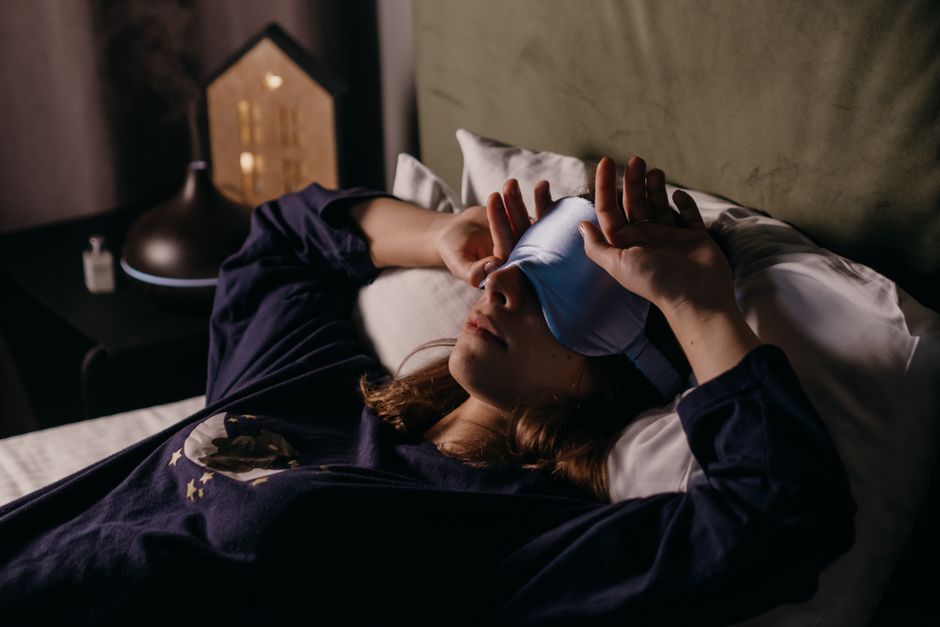
After six to nine hours of sleep, your body wakes up in a mild state of fluid deficit. You lose water through respiration and perspiration overnight, and you have not taken in anything to replace it. Research published by the National Institutes of Health notes that even mild dehydration of around 1 to 2 percent of body weight can impair cognitive performance, mood, and feelings of fatigue.
Drinking 12 to 16 ounces of water within the first 30 to 60 minutes of waking addresses that overnight deficit before it compounds. Practically speaking, this supports:
- Mental alertness. Rehydrating early helps your brain function closer to baseline before caffeine enters the picture. If you also rely on coffee, pairing it with water rather than using it as a substitute may reduce the mid-morning energy dip that follows.
- Digestive motility. Water in the morning, especially when you are upright and moving, can stimulate gastric movement. This is one reason many people find their digestion feels more active shortly after morning water intake.
- Kidney clearance. Overnight, your kidneys concentrate urine. Morning water helps dilute and move that buildup through before your day’s metabolic load increases.
For a closer look at how morning breathwork and water intake interact to influence digestion and energy, Why Your Morning Breath Affects Your Entire Day: Breathwork Timing for Energy and Digestion is worth reading alongside this one.

What Evening Hydration Does, and Where It Complicates Sleep
Staying hydrated throughout the afternoon and into the early evening matters too. Fluid intake supports muscle recovery, joint comfort, body temperature regulation, and nutrient transport. None of that stops being important after 5pm.
The complication is volume and timing relative to bedtime. When you drink a large amount of water in the hour or two before sleep, your kidneys continue processing it, and the result for many people is one or more trips to the bathroom during the night. This nocturia (nighttime urination) disrupts sleep architecture, reducing time in the deeper, more restorative stages of sleep.
A 2021 review in the journal Sleep Medicine Reviews identified nocturia as one of the more common, underappreciated causes of sleep fragmentation in otherwise healthy adults. Sleep fragmentation compounds quickly: even if you fall back asleep easily, interrupted sleep reduces the quality and continuity that make rest actually restorative. If you want to understand how sleep quality and quantity interact, Recovery Sleep vs. Extra Sleep: Why More Hours Do Not Always Mean Better Rest and How to Know Which You Actually Need covers that distinction clearly.
Evening hydration becomes more problematic when earlier intake was poor. If you under-drink through the morning and midday, you may feel thirsty at night and try to catch up. That catch-up pattern is what tends to disrupt sleep the most.
The Front-Loading Strategy: What the Evidence Suggests
A practical middle ground supported by hydration research is front-loading, meaning you aim to consume the majority of your daily fluid needs before 3pm and taper down gradually through the afternoon and evening.
A general framework that works for many adults:
- Wake to 10am: 16 to 24 oz. Address the overnight deficit. This window is also when plain water or an herbal tea can replace the impulse to reach immediately for caffeine.
- 10am to 1pm: 16 to 24 oz. Support digestion around meals and maintain midday alertness. Research suggests that hydration status is connected to afternoon cognitive performance, so staying ahead of thirst before your midday meal pays off.
- 1pm to 4pm: 12 to 16 oz. Gradual tapering begins. Continue drinking with activity as needed.
- 4pm to bedtime: 8 to 12 oz maximum, preferably finishing most of this by two hours before sleep.
This is not a rigid formula. Someone exercising intensely in the evening or living in a hot climate needs more fluid later in the day. Adjusting for those individual needs matters more than following any single schedule. For a personalized look at water needs and timing, Building a Hydration Routine That Fits Your Life: Individual Water Needs and Practical Timing Without Rules provides useful guidance.

How Meal Timing Interacts With Hydration Timing
What you eat and when also shapes your hydration needs and how water is absorbed. Meals that are higher in sodium increase fluid retention temporarily and can intensify thirst in the hours after eating. A late, salty dinner followed by significant water intake before bed creates the worst-case scenario for nighttime urination.
On the other hand, eating water-rich foods such as fruits, vegetables, and soups throughout the day contributes meaningfully to total fluid intake without requiring you to drink as much plain water. Evening meals that are lighter and well-timed tend to support better sleep, and this connects to hydration in a direct way: when digestion is calm, so is the urge to drink large amounts before bed. Sleep Quality and Evening Digestion: Why Eating Order and Meal Timing at Dinner Shape How Well You Sleep explores this intersection in more depth.
Also worth noting: drinking water between meals rather than in large amounts during meals appears to suit digestion better for some people. If you have ever noticed a heavy, sloshing feeling after eating and drinking simultaneously, Digestive Bloating From Hydration Timing: Why Drinking Water With Meals Feels Different Than Between Them explains what may be happening.
Who Benefits Most From Adjusting Hydration Timing
Not everyone experiences the same outcomes from shifting their hydration schedule. People who tend to benefit most from intentional timing include:
- Light sleepers or people who wake frequently at night and have not considered fluid intake as a contributing factor.
- People who feel sluggish in the morning despite adequate sleep, which may partly reflect overnight fluid loss.
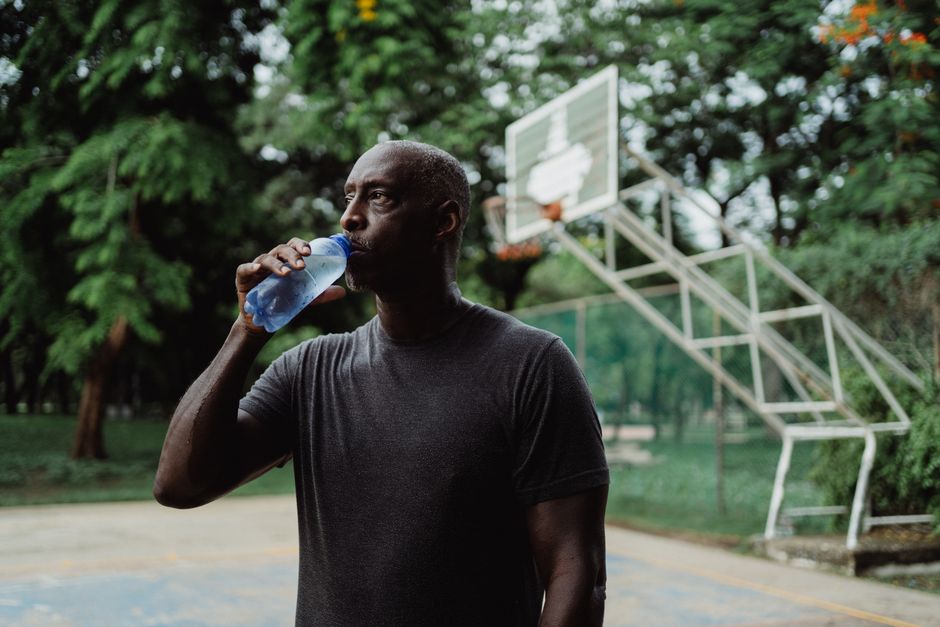
- Active adults whose fluid needs spike around training windows, requiring more deliberate planning.
- Shift workers or those with irregular schedules, for whom standard morning/evening rhythms do not apply cleanly.
If you have a medical condition affecting your kidneys, heart, or fluid regulation, talk to a qualified healthcare professional before making significant changes to your hydration routine. Fluid needs and timing in those contexts require individualized guidance.
A Practical Starting Point
You do not need a complicated system. Start with one adjustment: keep a glass of water next to your bed or coffee maker so the first thing you reach for in the morning is water, not caffeine. Then simply stop drinking large amounts two hours before your target bedtime and see whether your nighttime waking decreases within a week.
Progress in hydration habits, like most wellness habits, comes from small, consistent shifts rather than dramatic overhauls. If you want to build a sustainable routine around hydration, energy, and meal timing, the Clean Body Mentor newsletter offers practical weekly guidance you can apply without overhauling your day.
Sources
- National Institutes of Health, Office of Dietary Supplements: Hydration and cognitive performance overview.
- Sleep Medicine Reviews (2021): Review of nocturia as a cause of sleep fragmentation in adults.
- National Academies of Sciences, Engineering, and Medicine: Dietary Reference Intakes for Water, Potassium, Sodium, Chloride, and Sulfate.
This article is for general educational and informational purposes only and is not a substitute for medical advice, diagnosis, or treatment. Health needs vary by individual. Consult a qualified healthcare professional before making significant changes to your diet, exercise routine, supplements, medication, or treatment plan, especially if you have a medical condition, are pregnant or breastfeeding, take medication, or have concerns about your symptoms.