
Stress has a strange gravitational pull. Your brain naturally scans for threats, gaps, and problems because that wiring kept your ancestors alive. The trouble is, that same wiring keeps many of us locked in a loop of worry even when actual danger is low. Gratitude journaling for stress relief works, in part, by gently interrupting that loop.
This is not a guide about positive thinking or pretending hard things are not hard. It is a practical, four-week tutorial grounded in real research, built for skeptics, busy parents, and beginners who have never kept a journal before.

What the Research Actually Says
The evidence behind gratitude journaling is more solid than most wellness trends. A frequently cited randomized study published in the journal Psychotherapy Research found that participants who wrote gratitude letters for three weeks reported significantly better mental health at four and twelve weeks compared to those who only received counseling (Wong et al., American Psychological Association). Separately, neuroimaging research from Indiana University suggests that gratitude exercises may activate medial prefrontal cortex regions associated with emotional regulation and social bonding.
Research also links regular reflective writing to lower cortisol reactivity, improved sleep quality, and a modest but measurable lift in emotional resilience over time. That last phrase matters: over time. Gratitude journaling is a cumulative habit, not a quick fix. Most studies showing meaningful effects ran for two to eight weeks, which is exactly why this guide uses a four-week structure.
If you are also dealing with stress that shows up in your body, pairing journaling with a physical outlet can reinforce the benefits. Walking for Stress Relief and Mood: A Three-Week Progressive Plan for Beginners is a natural companion to this guide.

Before You Start: Setting Realistic Expectations
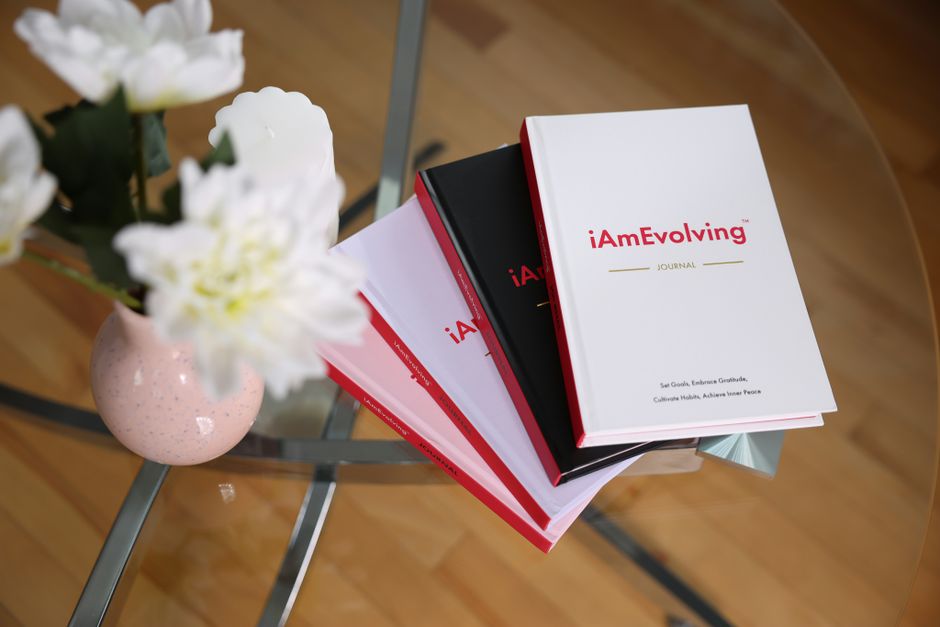
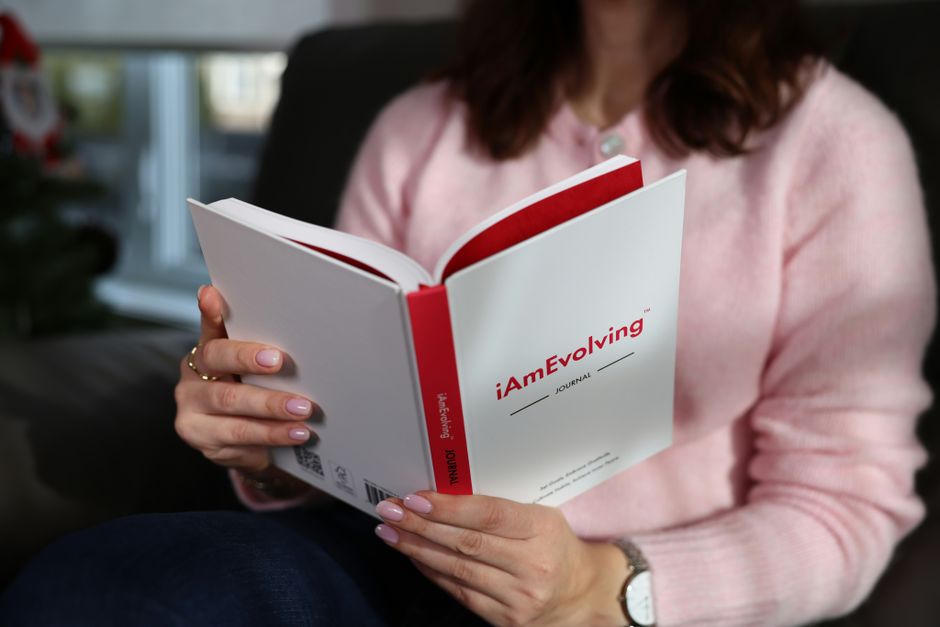
You do not need a beautiful leather journal. A composition notebook, a notes app, or a folded sheet of paper works fine. You do not need to write every day perfectly to see results. Consistency matters more than perfection.
Time commitment: five to ten minutes per session. That is it. Research on gratitude interventions typically uses writing sessions of under ten minutes, so longer does not automatically mean better.
Pick one consistent time slot. Morning journaling pairs well with coffee and eases you into the day. Evening journaling works well as a wind-down before sleep, which may also support sleep quality. Either is valid. What matters most is that the slot is genuinely available to you most days.

Week One: Building the Foundation (Days 1-7)
The goal this week is simply to show up. Do not pressure yourself to feel grateful. Write three things you noticed today that were not terrible. That bar is deliberately low.
Starter prompts for week one:
- Something that did not go wrong today
- A person who helped you, even briefly
- A physical comfort you took for granted (warmth, a meal, quiet)
Write two to three sentences per item, not just a word. Specificity is the key ingredient. “My coworker covered for me when I was late” activates more neural engagement than just writing “work.”
At the end of each session, note how you feel on a simple 1-5 scale. This gives you real data to review at week four.
Week Two: Adding Depth (Days 8-14)
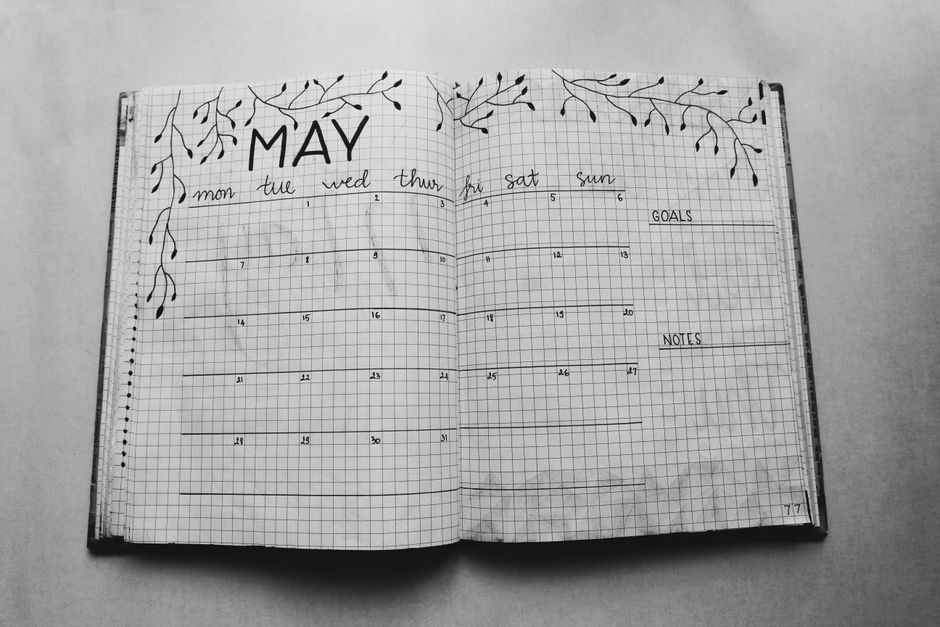
This week, you will start moving beyond listing and begin briefly reflecting on why each item matters to you.
Week two prompts:
- What is one challenge from this week that also taught you something?
- Who in your life makes hard days more bearable, and what specifically do they do?
- What is one small habit you have that quietly supports you?
You may notice resistance around mid-week. Some days, nothing feels grateful-worthy. That is normal, not failure. On those days, return to the low bar from week one. Showing up is the practice.
Stress often connects to how we interpret our own emotions, not just external events. If you find stress tangling with hunger or mood, Stress Eating vs. Afternoon Hunger: A Case Study of Four People Who Built Awareness Without Shame explores that link with honesty and without shame.

Week Three: Noticing Shifts (Days 15-21)
By week three, many people notice small but real shifts: a slightly faster reset after a frustrating moment, a tiny reduction in the mental replay of problems at night. Do not expect transformation. Notice what is actually different.
This week, add one new prompt type: gratitude about yourself.
Week three prompts (add one per session):
- One thing you handled reasonably well this week
- A value you lived out, even imperfectly
- Something your body did for you today that you usually ignore
Self-directed gratitude feels awkward for many beginners. That is healthy self-awareness, not arrogance. Being able to acknowledge your own effort is part of building emotional resilience, which is one of the long-term goals of this practice.
If stress is also disrupting your breathing or nervous system activation, Breathing Patterns That Calm Your Nervous System Without Meditation: A Practical Guide for Stress Relief on Demand pairs extremely well with journaling as a complementary tool.
Week Four: Deepening and Deciding What Comes Next (Days 22-28)
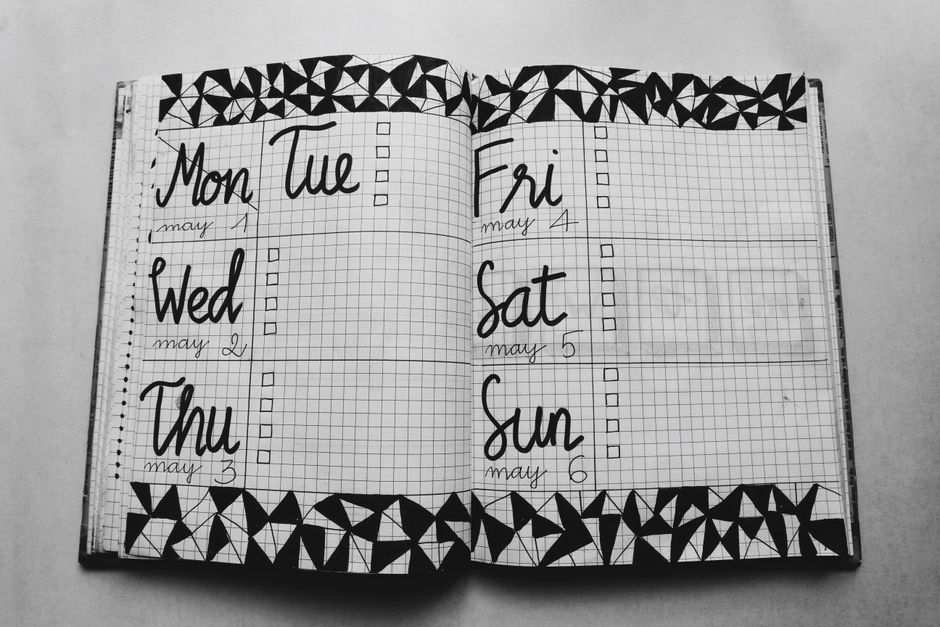
This week is about integration. You are not just practicing gratitude; you are deciding whether and how this habit belongs in your life long-term.
Week four prompts:
- What has shifted in how you notice your day since week one?
- What stressor feels slightly smaller or more manageable than it did four weeks ago?
- What would continuing this practice give you over the next three months?
On the final day, reread your week one entries. Most people are surprised by what they notice: either how much has shifted or how consistent their appreciation for certain things has been all along. Both are meaningful data.
Also review your 1-5 mood ratings. Even a modest average improvement is worth acknowledging.
Troubleshooting for Real Life
“I forget to journal.” Set a two-minute phone alarm labeled with a short cue: “3 good things.” Habit stacking works too. Journal right after an existing daily anchor like brushing your teeth or making coffee.
“I feel fake writing this.” You are not required to feel grateful while writing. You are required to look for what is working. The emotional shift, when it comes, arrives after the writing, not during.
“I missed five days.” Pick up where the week left off. The research is on consistency across weeks, not on a perfect daily streak. Missing days does not reset your progress.
“My stress is too big for this to help.” Gratitude journaling is one tool, not a solution for grief, trauma, anxiety disorders, or clinical depression. If your stress feels unmanageable, please reach out to a licensed mental-health professional. Journaling can be part of a broader care plan, not a replacement for one.
For stress that lives in your body as physical tension or digestive discomfort, Digestive Sluggishness vs. Nervous System Stress: Why Your Gut Slows When You Rush and What to Do About It explains the gut-stress connection in practical terms.

What to Do After Week Four
If the practice helped, simplify it. A sustainable long-term version might be just three sentences each morning, three to five days a week. Research does not suggest you need daily practice forever to maintain benefits; regular practice that you actually do is more valuable than a perfect routine you abandon.
Choose one prompt from this guide that felt most useful and keep it as your anchor. That one question is enough to keep the habit alive.
If you want more practical tools for whole-person wellness, consider signing up for the Clean Body Mentor newsletter, where new evidence-informed guides land each week without overwhelm.
This article is for general educational and informational purposes only and is not a substitute for medical advice, diagnosis, or treatment. Health needs vary by individual. Consult a qualified healthcare professional before making significant changes to your diet, exercise routine, supplements, medication, or treatment plan, especially if you have a medical condition, are pregnant or breastfeeding, take medication, or have concerns about your symptoms.
Sources
- Wong, Y. J., et al. (2018). Does gratitude writing improve the mental health of psychotherapy clients? Evidence from a randomized controlled trial. Psychotherapy Research. Published via American Psychological Association.
- Kini, P., et al. (2016). The effects of gratitude expression on neural activity. NeuroImage. Indiana University research team.
- Emmons, R. A., and McCullough, M. E. (2003). Counting blessings versus burdens: An experimental investigation of gratitude and subjective well-being in daily life. Journal of Personality and Social Psychology. American Psychological Association.