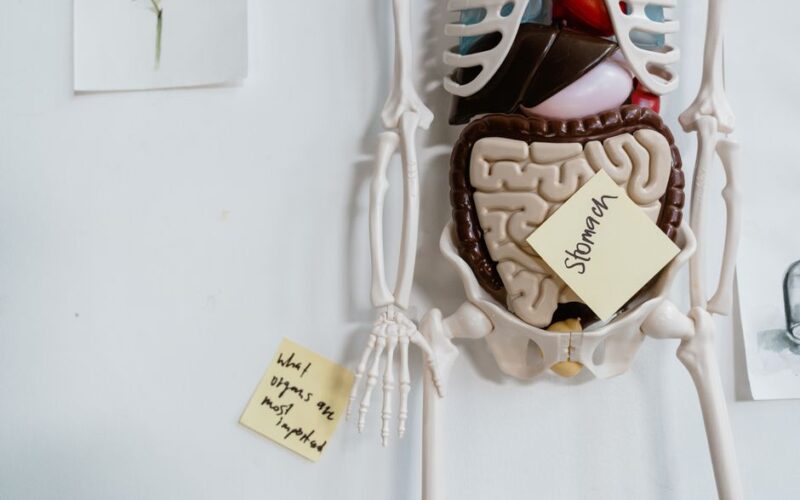


You have probably heard the eight-glasses-a-day rule so many times it feels like law. The truth is, that number was never backed by strong clinical evidence. The National Academies of Sciences, Engineering, and Medicine sets general adequate intake at roughly 3.7 liters (about 125 oz) daily for most men and 2.7 liters (about 91 oz) for most women, but these figures include water from food and all beverages, and they shift significantly based on your body, habits, and environment.
Personalized hydration water intake is not a tracking project. It is a set of flexible signals and small anchors that fit around your actual life. The listicle below breaks it down.
1. Start With Your Thirst Signal, Then Calibrate It
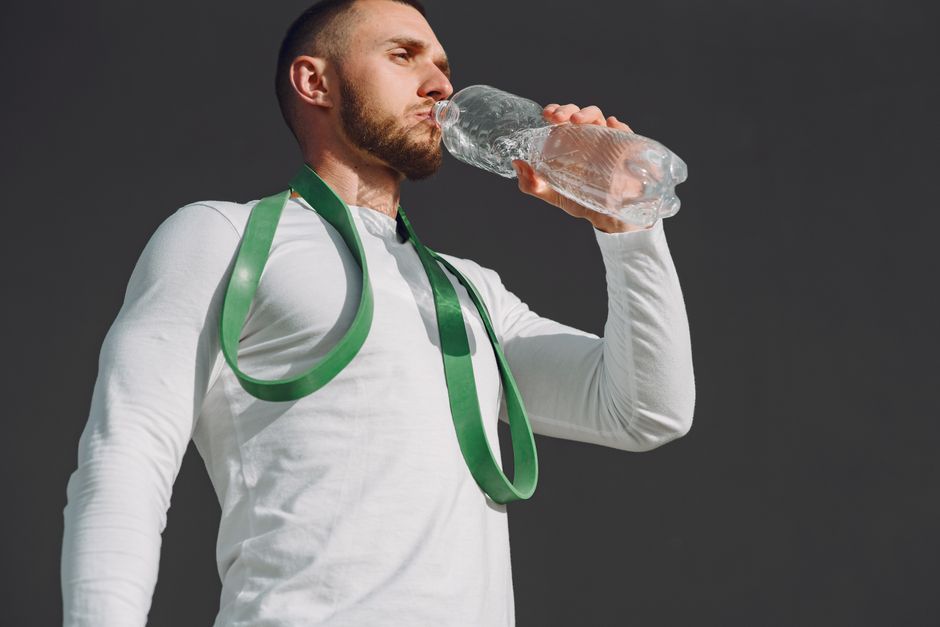
Thirst is a reasonably reliable early cue for most healthy adults. Research published in the journal Nutrients (2019) suggests that relying on thirst works well unless you are an older adult (where thirst sensitivity can decline), exercising intensively, or working in the heat.
A quick calibration check: look at your urine color mid-morning, a few hours after your first drink of the day. Pale straw yellow is the target range. Dark amber means you are behind. Colorless can mean you are over-drinking, which, while rare, does carry its own risks.
For a deeper look at what your baseline actually looks like, the guide Hydration Without the Rules: Why Individual Water Needs Vary and How to Find Your Baseline walks through the factors that move your number up or down.
2. Account for the Variables That Actually Shift Your Needs
Instead of chasing a fixed number, think in terms of the conditions that raise or lower your demand:
- Body size and lean mass. Larger bodies and people with more muscle tissue generally require more water because muscle holds more intracellular fluid.
- Activity level. Even a 30-minute brisk walk in warm weather can mean an extra 400 to 600 ml of fluid lost through sweat. Strength training sessions add similar or greater losses depending on intensity and room temperature.
- Climate and humidity. Hot, dry environments accelerate fluid loss. Air conditioning and heated indoor air can be surprisingly dehydrating over a long day.
- Diet composition. Foods like cucumber, watermelon, leafy greens, and citrus contribute meaningfully to your daily intake. High-sodium or high-protein eating patterns tend to increase your water requirement.
- Caffeine and alcohol. Both have mild diuretic effects at higher doses. A morning coffee does not cancel out, but if you are drinking four to six cups daily, net fluid loss is worth considering.

3. Use Timing Anchors Instead of Counting Glasses
Tracking every ounce of water is unnecessary for most people and can become its own stressor. Timing anchors, small cues tied to things you already do, work better as a sustainable habit.
Here are practical anchors worth trying:
- Before breakfast. A glass of water (roughly 250 to 350 ml) before eating helps replace what you lost overnight and may support digestive comfort in the morning.
- Before and during meals. Drinking water around meals is not harmful to digestion for most people, and the feeling of fullness can support mindful eating without restriction. For more on how timing interacts with bloating, see Digestive Bloating From Hydration Timing: Why Drinking Water With Meals Feels Different Than Between Them.
- Around movement. Drink about 400 to 600 ml in the hour before a workout and sip steadily during. Recovery hydration after exercise is equally important. If you want the specifics, Hydration Timing Around Workouts: When to Drink Water for Better Performance and Recovery goes deeper.
- Afternoon slump window. Many people mistake dehydration for hunger or fatigue around 2 to 3 pm. A glass of water or an electrolyte-balanced drink during this stretch often makes a noticeable difference. If you find plain water unsatisfying by that point, Why Your Afternoon Thirst Spikes and What to Drink When Water Alone Won’t Satisfy It offers some useful alternatives.
- Before bed (lightly). A small amount, around 150 to 200 ml, helps you avoid waking up dehydrated without disrupting sleep with bathroom trips.

4. Electrolytes Matter More Than Most People Think
Water alone does not tell the full story. Sodium, potassium, and magnesium help your cells actually use the fluid you take in. If you sweat heavily, eat very little sodium, or work out intensively, drinking large amounts of plain water without replacing electrolytes can dilute your blood sodium levels, a condition called hyponatremia.
For most people with a balanced diet, food provides enough electrolytes. But if you notice muscle cramps, persistent fatigue, or headaches even when drinking consistently, the issue may be electrolyte balance rather than total volume. A registered dietitian can help you sort this out without resorting to expensive supplements.

5. Match Your Beverage Choices to Real-Life Situations
Water does not have to be plain to count. Herbal teas, sparkling water, and diluted fruit-infused water all contribute. Beverages like iced tea and cold brew can add to your daily total while offering a flavor payoff that keeps you drinking more consistently. The cost and flavor comparison in Iced Tea, Cold Brew, and Herbal Blends: A Cost and Flavor Comparison for Year-Round Hydration Without the Coffee Crash is worth reading if you are bored with plain water.
Coffee and tea contribute to total fluid intake even with mild diuretic effects at moderate amounts. Sugary drinks and alcohol are less efficient hydrators and come with other nutrition tradeoffs worth keeping in mind.
6. Build the Habit Around Your Actual Schedule, Not an Ideal Day
Sustainable hydration water intake rarely comes from willpower alone. It comes from removing friction. A few low-effort ways to make consistency more automatic:
- Keep a reusable bottle visible on your desk or counter, not in a cabinet.
- Link a drink of water to an existing habit: after brushing teeth, before each meal, at every screen break.
- If you use a phone, set one mid-morning and one mid-afternoon reminder, then stop. Two cues are usually enough.
- Notice how you feel after consistently drinking well for a few days: clearer focus, fewer headaches, and better digestive comfort are common early signals that your routine is working.

A Note on Skin, Performance, and Other Claimed Benefits
Research does support that adequate hydration contributes to cognitive performance, exercise output, kidney function, and digestion. Claims about dramatic skin transformation or weight loss from water alone are worth viewing with some skepticism, though consistent hydration does support overall metabolic function and appetite regulation over time.
Choose one anchor from this list that fits naturally into your current day. Try it for one week before adding another. That kind of gradual progress tends to stick far longer than a rigid eight-glasses protocol ever could. For more practical daily wellness guidance, consider joining the Clean Body Mentor newsletter.
Sources
- National Academies of Sciences, Engineering, and Medicine. Dietary Reference Intakes for Water, Potassium, Sodium, Chloride, and Sulfate. National Academies Press, 2005.
- Liska, D., et al. “Narrative Review of Hydration and Selected Health Outcomes in the General Population.” Nutrients, 2019.
- Popkin, B. M., D’Anci, K. E., and Rosenberg, I. H. “Water, Hydration, and Health.” Nutrition Reviews, 2010.
- American College of Sports Medicine position stand on exercise and fluid replacement (via the ACSM official site).
This article is for general educational and informational purposes only and is not a substitute for medical advice, diagnosis, or treatment. Health needs vary by individual. Consult a qualified healthcare professional before making significant changes to your diet, exercise routine, supplements, medication, or treatment plan, especially if you have a medical condition, are pregnant or breastfeeding, take medication, or have concerns about your symptoms.