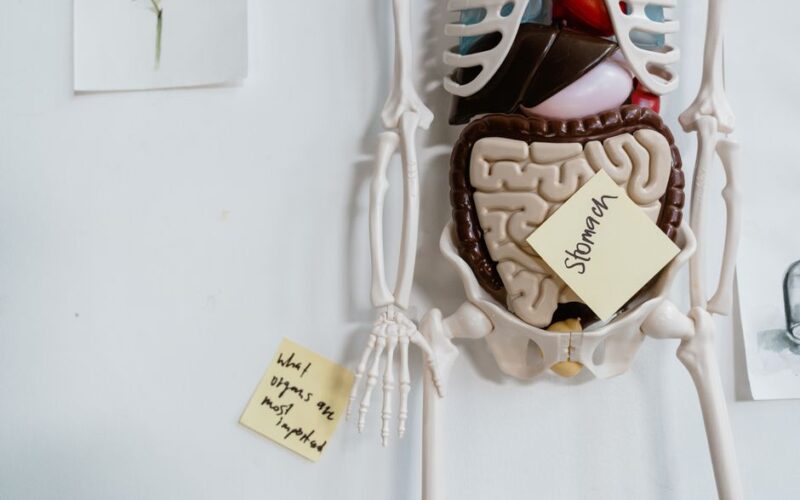


You are staring at the pantry at 3:15pm. You are not sure if you are genuinely hungry or just stretched thin from a difficult meeting. You grab something, finish it quickly, and then feel a familiar wave of self-criticism. Sound familiar?
The confusion between emotional eating vs physical hunger is one of the most common experiences adults describe, yet it rarely gets discussed without a side helping of shame. The four scenarios below are drawn from experiences that reflect real patterns. Each person found a small, sustainable practice that helped them respond to cravings with curiosity rather than judgment.
Before diving in, it helps to understand one foundational difference: physical hunger tends to build gradually, accepts a variety of foods, and eases once you eat. Emotional hunger often arrives suddenly, targets specific comfort foods, and lingers even after eating. Research published by the American Psychological Association notes that stress activates cortisol, which can increase appetite and drive preference for calorie-dense, palatable foods. Knowing this biology can reduce self-blame before it starts.

Scenario 1: The Parent Who Confused Exhaustion With Hunger
Who: Maya, a parent of two young children working part-time from home.
The pattern: Every afternoon around 4pm, Maya found herself searching the kitchen for something sweet. She had eaten a decent lunch. Her stomach was not growling. Still, the pull toward chocolate or crackers felt urgent.
What shifted: A registered dietitian suggested Maya try a one-minute body check before opening any cabinet. She would sit, place one hand on her belly, and ask: “Is this a stomach signal or a stress signal?” Most afternoons, the answer was exhaustion and the mental load of caregiving, not actual fuel need.
The practice: Rather than restricting the snack, Maya began pairing a short walk around the block with a glass of water first. Often the craving softened. When it did not, she ate something protein-rich without guilt. Walking for stress relief can shift nervous system state quickly, and Maya found it helped her distinguish tiredness from hunger within a couple of weeks.

Scenario 2: The Remote Worker Who Ate Through Boredom
Who: James, a 34-year-old software developer working entirely from home.
The pattern: James described grazing continuously between 1pm and 5pm, eating small amounts every 20 to 30 minutes. He was not physically hungry. He was under-stimulated and mildly anxious about a deadline.
What shifted: James noticed that he never reached for food when he was genuinely absorbed in a project. That observation became his first real clue. The eating was a dopamine placeholder, a way to create a small reward loop when the work felt tedious or stressful.
The practice: He started using a brief breathing reset before each snack trip. Four counts in, hold for four, four counts out. If the urge passed or softened after two rounds, it was not physical hunger. This mirrors what breathwork research suggests about interrupting the stress response before it escalates into habitual behavior. When James did need fuel, he built a rotation of high-protein snacks that kept him genuinely satisfied rather than grazing on low-satiety options.

Scenario 3: The Professional Who Skipped Lunch and Paid for It at Dinner
Who: Priya, a 41-year-old project manager with back-to-back meetings most days.
The pattern: Priya believed she was stress eating every evening because she arrived home ravenous and ate large portions quickly. She labeled herself an emotional eater and felt guilty almost every night.
What shifted: When she tracked her actual meals for one week, the picture clarified. She was not eating emotionally at dinner. She was genuinely starving because she had eaten almost nothing between 7am and 6pm. The emotional component was guilt about eating a large meal, not the eating itself.
The practice: Priya built a structured lunch with protein and fiber so her body received adequate fuel mid-day. Building a high-protein lunch for stable afternoon energy became a turning point. Evening hunger dropped significantly within two weeks, and so did her self-criticism, because she finally had evidence that her evening appetite was physiological, not a character flaw.
This distinction matters enormously. Many people misidentify physical hunger as emotional eating simply because it arrives intensely or at an inconvenient time.

Scenario 4: The Grad Student Who Ate Through Academic Stress
Who: Leo, a 27-year-old graduate student managing thesis deadlines and financial pressure.
The pattern: Leo reached for chips, cookies, and fast food almost exclusively during high-stress study blocks. He ate very little when relaxed but could consume several hundred extra calories during a single anxious afternoon.
What shifted: A campus counselor introduced Leo to the concept of emotional hunger as information rather than weakness. The craving was a signal that something needed attention: a break, a conversation, a movement reset, or sometimes just acknowledgment that the stress was real.
The practice: Leo began journaling one sentence before eating during study sessions: “What am I actually feeling right now?” He was not trying to avoid food. He was building the pause that mindful eating practices describe as the space between impulse and response. Over time, he found that naming the feeling reduced its intensity, and he still ate when physically hungry without any restriction rules.

What These Four Scenarios Have in Common
None of these people eliminated emotional eating entirely. That was never the goal. They each built a small, consistent practice that created a brief pause between the impulse and the response. A body check. A breathing reset. A food log. A single journaled sentence.
Research suggests that awareness practices, including mindful eating and self-monitoring, can reduce emotional eating frequency without requiring restriction (Harvard T.H. Chan School of Public Health discusses this in the context of mindful eating and appetite regulation). The shift is not from eating to not eating. It is from reacting automatically to choosing with more clarity.
If you have been stuck in a shame spiral around cravings, consider starting with just one of these approaches this week. You do not need to overhaul your relationship with food overnight. Small consistent actions compound over time into genuine body literacy.
For a closer look at a related pattern, the afternoon cravings case study covering the 3pm snacking cycle offers additional practical tools that pair well with what you have read here.

Sources
- American Psychological Association. “Stress and Eating.” APA Stress in America survey data and cortisol-appetite research summaries.
- Harvard T.H. Chan School of Public Health, The Nutrition Source. “Mindful Eating.”
- Daubenmier J, et al. “Mindfulness Intervention for Stress Eating to Reduce Cortisol and Abdominal Fat.” Journal of Obesity, 2011. (PubMed)
This article is for general educational and informational purposes only and is not a substitute for medical advice, diagnosis, or treatment. Health needs vary by individual. Consult a qualified healthcare professional before making significant changes to your diet, exercise routine, supplements, medication, or treatment plan, especially if you have a medical condition, are pregnant or breastfeeding, take medication, or have concerns about your symptoms.