


If you’ve browsed a health food store recently, you’ve probably seen shelves stacked with digestive enzyme supplements promising to end bloating, speed up digestion, and unlock nutrients you’d otherwise miss. The marketing is convincing. But before you spend $30 to $60 a month on capsules, it’s worth asking a simpler question: does your body already have this covered, either on its own or through the foods you eat?
The honest answer is: it depends, and the difference matters.
How Digestive Enzymes Actually Work
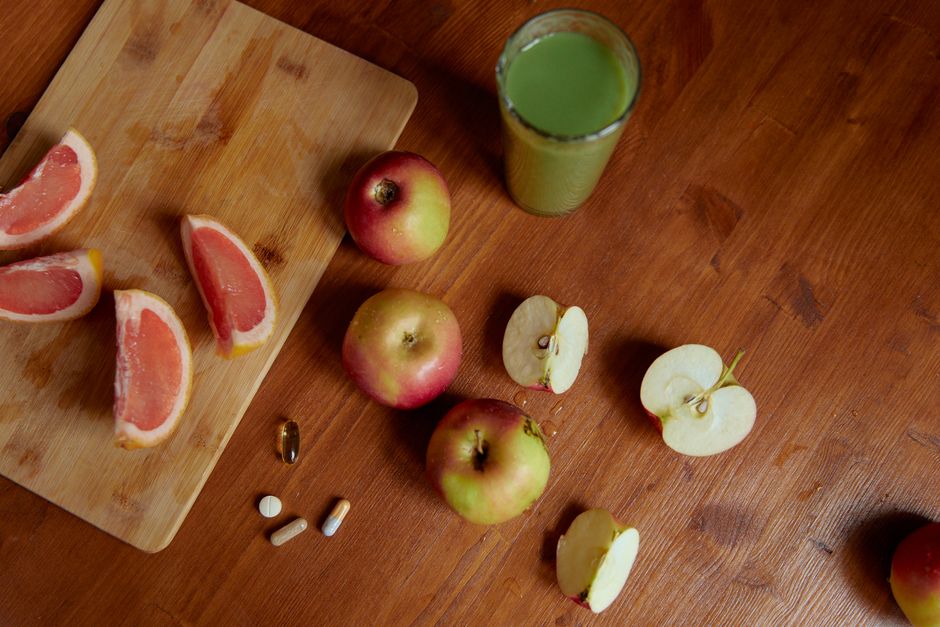
Your body produces enzymes throughout your digestive tract to break food into absorbable pieces. Salivary amylase starts in your mouth. Your stomach releases pepsin for protein. Your pancreas delivers a full range, including lipase for fats, amylase for carbohydrates, and proteases for proteins. Your small intestine contributes enzymes like lactase and sucrase.
For most healthy adults, this system works well on its own. The National Institute of Diabetes and Digestive and Kidney Diseases (NIDDK) notes that digestive enzyme insufficiency is typically tied to specific medical conditions, not everyday bloating or sluggishness.
That context matters a lot when you’re evaluating whether supplements are the right tool for you.
What Whole Foods Genuinely Bring to Digestion
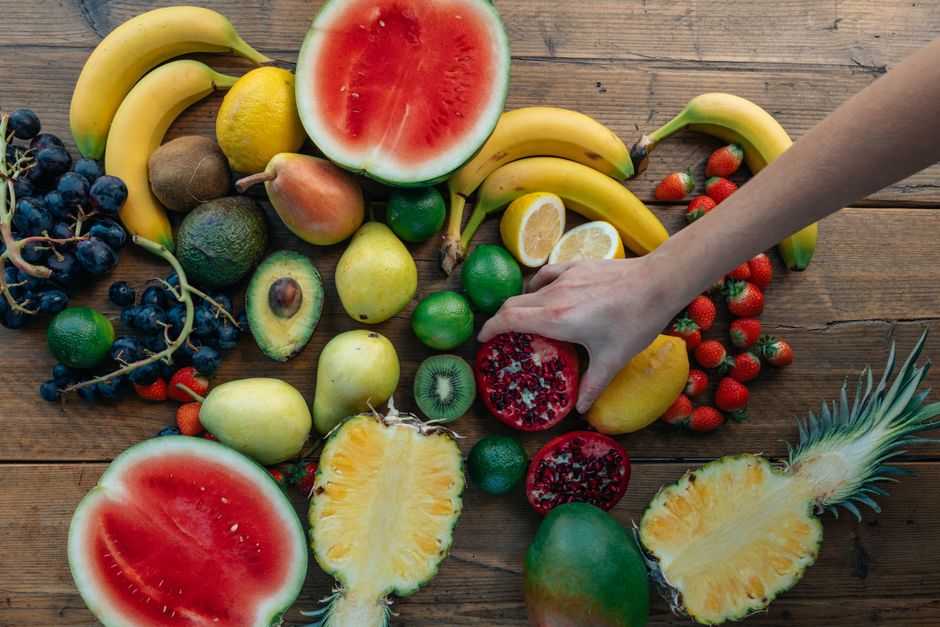
Several whole foods contain naturally occurring enzymes that can support digestion, and the research behind some of them is reasonably solid.
Raw pineapple contains bromelain, a protease that helps break down protein. Studies published in journals indexed by PubMed suggest bromelain has anti-inflammatory and digestive properties, though most research has used concentrated supplement doses rather than food amounts.
Raw papaya contains papain, another protease with a long history of traditional use. A small 2013 clinical trial (Digestive Diseases and Sciences) found that a papaya preparation helped reduce bloating and constipation symptoms in participants with minor digestive complaints.
Raw honey and raw apple cider vinegar are frequently cited in wellness spaces, but the evidence for their specific enzyme activity in humans is thinner. They may support digestion through other mechanisms, such as prebiotic effects or acidity, rather than direct enzymatic action.
Fermented foods work differently but are often grouped with enzyme-rich foods. Kimchi, miso, kefir, and sauerkraut introduce beneficial bacteria that influence gut function and may improve the breakdown of certain foods, including lactose. The Harvard T.H. Chan School of Public Health notes that fermented food consumption is associated with increased gut microbiome diversity.
Cooked legumes deserve a mention here because cooking actually reduces the enzyme inhibitors (lectins and phytates) that can interfere with digestion in raw legumes. Properly cooked beans are easier on your system, not harder, which challenges the idea that raw always means more digestive benefit.
For a practical look at how to pair these foods for digestive comfort without restriction, see Digestive Rest Days: Why Your Gut Needs Breaks From Rich Foods and How to Eat Lighter Without Restriction.
When Digestive Enzyme Supplements Actually Make Sense
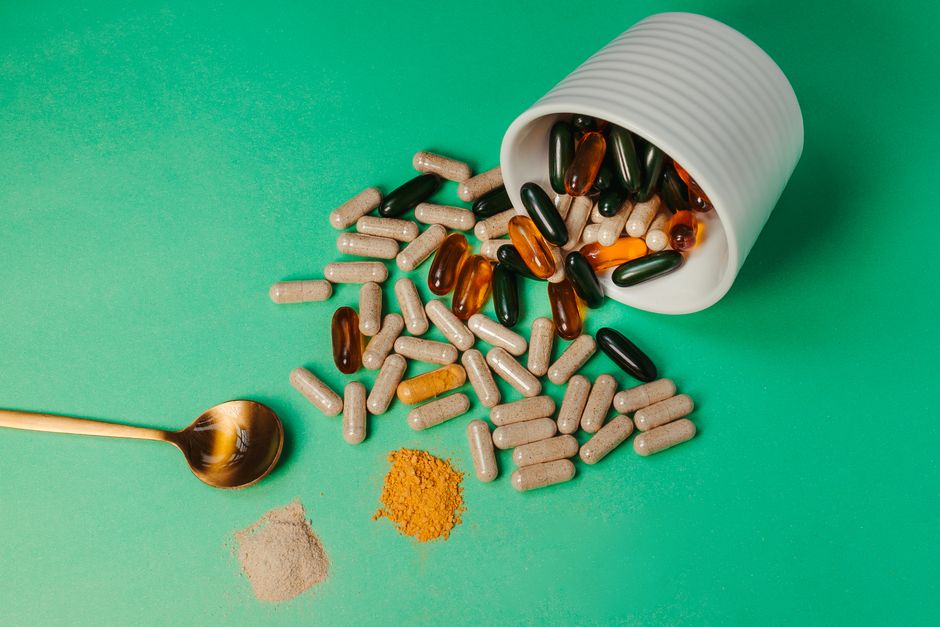
There are genuine clinical scenarios where enzyme supplements are not just marketing but evidence-backed tools.
Exocrine pancreatic insufficiency (EPI): When the pancreas can’t produce adequate enzymes, typically seen in people with chronic pancreatitis, cystic fibrosis, or after certain surgeries, prescription pancreatic enzyme replacement therapy (PERT) is a standard, well-supported treatment. This is a medical diagnosis managed with a healthcare provider.
Lactase supplements: If you experience gas, bloating, or discomfort after dairy, a lactase deficiency is common and well-documented. Over-the-counter lactase supplements (like Lactaid) have a reasonable evidence base for reducing symptoms in people with lactose intolerance, as noted in a 2010 review in the Annals of Internal Medicine.
Alpha-galactosidase (Beano): This enzyme helps break down oligosaccharides in beans and cruciferous vegetables. Small controlled trials suggest it can reduce gas for people who are sensitive to these foods.
Outside these specific situations, the evidence thins considerably. Most broad-spectrum “digestive enzyme blends” sold at health food stores have limited rigorous human trial data supporting their use in otherwise healthy adults. As discussed in Gut Health Supplements vs. Real Food: When Pills Help and When Whole Foods Do the Job Better, this pattern, where targeted supplements outperform broad blends, holds across much of the gut supplement category.
The Cases Where Whole Foods Do the Work Better
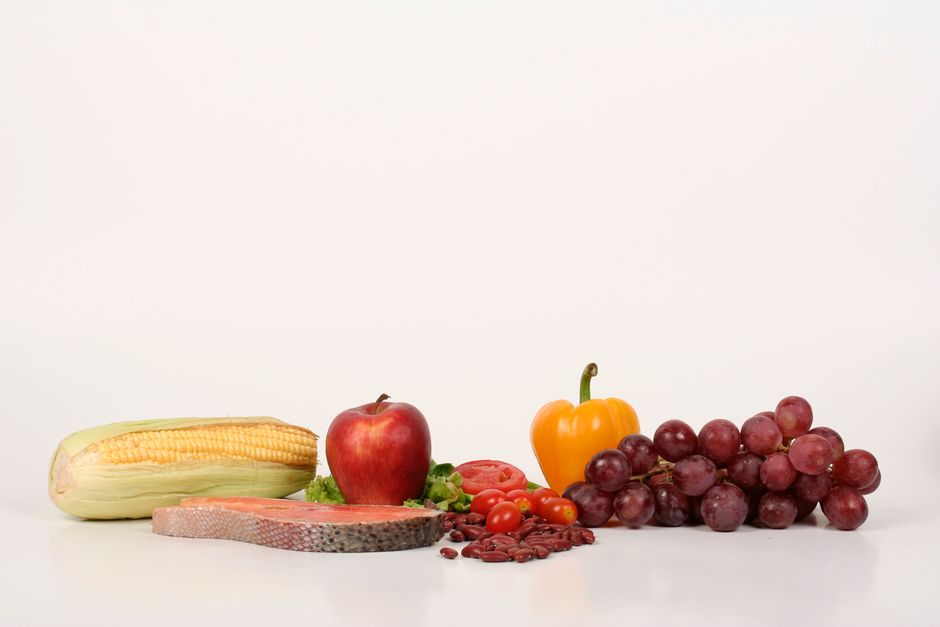
For most people without a diagnosed enzyme deficiency, whole foods win on several fronts:
- Fiber from fruits, vegetables, and legumes feeds beneficial gut bacteria and supports motility in ways that enzyme capsules do not replicate.
- Polyphenols in colorful produce have prebiotic and anti-inflammatory effects that go beyond enzymatic activity.
- Consistent, varied eating builds a resilient gut environment over time, which no supplement can shortcut.
- Cost and sustainability favor whole foods: a weekly rotation of papaya, kefir, kimchi, and well-cooked legumes costs less than most monthly supplement subscriptions and delivers broader nutritional benefit.
It’s also worth considering that digestive complaints often have non-enzyme causes. Rushing through meals, shallow breathing, and posture after eating all influence how comfortably food moves through your system. If bloating is your main concern, you may find more relief from slowing down at the table than from adding a supplement. The guide on Digestive Bloating From Rushed Meals: Why Chewing Speed and Pause Breaks Matter More Than Food Swaps goes deeper on that angle.
Similarly, Digestive Sluggishness vs. Nervous System Stress: Why Your Gut Slows When You Rush and What to Do About It explains how stress state, not enzyme availability, is often the real culprit behind post-meal heaviness.

A Simple Decision Framework
Before reaching for a supplement, work through these questions:
- Do you have a diagnosed condition like EPI, lactose intolerance, or a known enzyme deficiency? If yes, work with a healthcare provider on an appropriate protocol.
- Is a specific food group causing symptoms? Targeted single-enzyme supplements (lactase, alpha-galactosidase) have better evidence than broad blends.
- Are you eating enzyme-supportive whole foods regularly? Raw pineapple, papaya, fermented foods, and well-cooked legumes cover meaningful ground without a capsule.
- Have you addressed eating pace, posture, and stress? These factors consistently get overlooked when digestive discomfort is blamed solely on enzyme capacity.
If you’ve worked through all four and still have persistent symptoms, that’s a signal to see a registered dietitian or gastroenterologist rather than buy a stronger supplement.
Putting It Into Practice
Choose one small action from this article and build it into your week. You might add raw papaya to a smoothie, swap one meal for a fermented-food-forward bowl, or simply slow down your chewing at dinner and notice whether it shifts how you feel afterward. Small, consistent changes to what and how you eat tend to produce more lasting digestive comfort than any supplement promise.
For ongoing practical guidance on gut-friendly eating and whole-person wellness, consider signing up for the Clean Body Mentor newsletter.
This article is for general educational and informational purposes only and is not a substitute for medical advice, diagnosis, or treatment. Health needs vary by individual. Consult a qualified healthcare professional before making significant changes to your diet, exercise routine, supplements, medication, or treatment plan, especially if you have a medical condition, are pregnant or breastfeeding, take medication, or have concerns about your symptoms.
Sources
- National Institute of Diabetes and Digestive and Kidney Diseases (NIDDK): Digestive Diseases overview. niddk.nih.gov
- Muss C, et al. “Papaya preparation (Caricol) in digestive disorders.” Digestive Diseases and Sciences, 2013.
- Suarez F, et al. “Pancreatic supplements reduce symptomatic response of healthy subjects to a high fat meal.” Digestive Diseases and Sciences, 1999. (Referenced for enzyme supplement context.)
- Levri KM, et al. “Do probiotics reduce adult lactose intolerance? A systematic review.” Journal of Family Practice, 2005.
- Harvard T.H. Chan School of Public Health, The Nutrition Source: Fermented Foods. hsph.harvard.edu