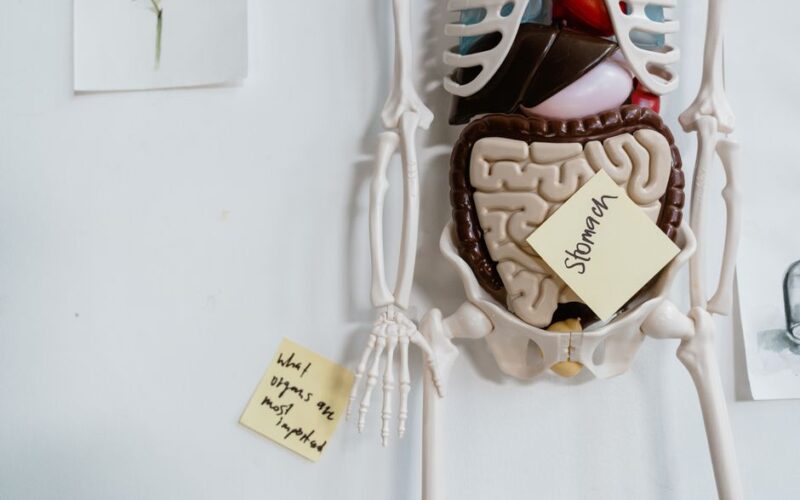

The supplement aisle promises a lot. Probiotic capsules, psyllium powders, digestive enzymes, and prebiotic gummies line pharmacy shelves with language that suggests your gut is one pill away from working perfectly. But digestive supplements effectiveness is genuinely inconsistent, and knowing the difference between marketing and evidence can save you money and frustration.
This comparison breaks down the three most common gut-health supplement categories, looks at what the research actually supports, and shows you where whole foods deliver the same or better results without the price tag.
What the Research Says About Probiotic Capsules
Probiotics are the most purchased digestive supplement worldwide, and some of the evidence for them is real. A 2020 meta-analysis published in the journal Gut Microbes found that specific strains, particularly Lactobacillus rhamnosus GG and Saccharomyces boulardii, may help reduce antibiotic-associated diarrhea in adults and children. The key word is specific: strain matters enormously, and most capsules on store shelves do not disclose whether they contain the strains studied in clinical trials.
For everyday bloating, irregular bowel movements, or general digestive discomfort in otherwise healthy adults, the evidence supporting probiotic supplements is much weaker. A 2019 review in Cell Host and Microbe (Zmora et al.) found that probiotic colonization after supplementation varies widely between individuals, and some people’s gut bacteria actively resist the introduced strains.
When a probiotic supplement may help:
- During or immediately after a course of antibiotics
- For clinically diagnosed irritable bowel syndrome, under guidance from a gastroenterologist
- For travelers dealing with short-term digestive disruption
When fermented whole foods likely do the job:
Yogurt with live active cultures, kefir, kimchi, sauerkraut, and miso deliver diverse bacterial strains alongside fiber, protein, and micronutrients that no capsule can replicate. Research from Stanford (Wastyk et al., Cell, 2021) found that a high-fermented-food diet increased microbiome diversity more effectively than a high-fiber diet in a randomized controlled trial. If your digestion is generally healthy, a daily serving of yogurt or kefir is a lower-cost, whole-person approach to supporting your gut.
For a closer look at how digestive health connects to other visible health markers, read Digestive Wellness and Skin Health: How Gut Function Actually Affects Your Complexion.

Fiber Supplements: Useful Bridge or Unnecessary Shortcut?
Fiber is where supplements can play a legitimate supporting role, but context matters. The U.S. Dietary Guidelines recommend 25-38 grams of dietary fiber per day depending on age and sex. Most American adults get around 16 grams. That gap is real, and fiber supplements like psyllium husk can help close it.
Psyllium husk specifically has reasonable evidence behind it. The FDA allows a qualified health claim linking psyllium fiber to reduced risk of heart disease when consumed consistently. Research also suggests psyllium may support regularity and soften stool consistency for people with constipation.
That said, isolated fiber supplements lack the vitamins, minerals, antioxidants, and water content that come bundled with fiber in whole plant foods. Beans, lentils, oats, chia seeds, apples, and broccoli deliver fiber alongside nutrients that work together in ways a powder cannot fully duplicate.
When a fiber supplement makes sense:
- Traveling when vegetable and fruit access is limited
- Recovering from a procedure that restricts solid food temporarily
- As a short-term bridge while you build better eating habits
When whole foods are clearly better:
If you have reliable access to produce, legumes, and whole grains, eating a balanced breakfast with whole grains, protein, and healthy fats and building meals around plants is almost always a more sustainable strategy than supplementing around a low-fiber diet long-term.
If your digestion feels slow or heavy after meals, understanding why afternoon digestion feels heavy and making small food swaps is often more effective than reaching for a fiber pill.
Digestive Enzyme Supplements: Narrow Use, Overhyped for Most
Digestive enzyme supplements claim to help your body break down food more efficiently. For people with specific diagnosed conditions, such as exocrine pancreatic insufficiency or lactase deficiency (the cause of lactose intolerance), enzyme therapy prescribed or recommended by a physician can be genuinely necessary and effective.
For healthy adults without these conditions, the evidence is thin. Your pancreas and small intestine produce digestive enzymes continuously. Supplementing them when the system is working normally provides little documented benefit. A 2019 review in the International Journal of Food Sciences and Nutrition found no strong evidence supporting over-the-counter enzyme supplements for general digestive discomfort in healthy populations.
One exception worth noting: alpha-galactosidase (sold under the brand name Beano) has decent short-term evidence for reducing gas from beans and cruciferous vegetables. If you’re adding more legumes to your diet for their fiber and protein benefits, this type of enzyme may reduce the temporary discomfort that often accompanies that dietary shift.
When enzyme supplements have a place:
- Diagnosed lactase deficiency (lactase supplements with dairy-containing meals)
- Diagnosed pancreatic enzyme insufficiency
- Transitioning to a higher-legume diet temporarily
When eating habits are a better focus:
Slowing down your eating pace and chewing thoroughly are habits with no cost and real impact. Research suggests gastric enzyme activity is influenced by how well food is mechanically broken down before it reaches the stomach. Digestive discomfort from rushed eating is a common but overlooked problem that no supplement addresses.
How to Decide: A Practical Comparison
| Supplement | Evidence Strength | Whole-Food Alternative | Best Case for Supplement |
|---|---|---|---|
| Probiotic capsule | Moderate for specific strains/conditions | Kefir, yogurt, fermented vegetables | Antibiotic recovery, IBS under guidance |
| Fiber powder | Moderate for psyllium | Beans, oats, chia, produce | Travel, limited food access |
| Digestive enzyme | Weak for healthy adults | Slower eating, chewing well | Lactase deficiency, diagnosed EPI |
The Bottom Line on Digestive Supplements Effectiveness
Digestive supplements are not a scam, but they are also not a replacement for eating patterns that support gut health over time. The strongest evidence points to specific supplements for specific situations, not blanket daily use for everyone.
If your digestion feels off, it is worth pausing before ordering a supplement stack. Consider whether you are eating enough fiber-rich whole foods, including any fermented foods regularly, eating at a reasonable pace, staying hydrated, and managing stress (which significantly affects gut motility). Many people notice meaningful digestive improvement from these changes alone.
If symptoms are persistent, unusual, or significantly affecting your daily life, that is a conversation to have with a qualified healthcare professional or registered dietitian, not a reason to self-prescribe a supplement protocol.
Choose one change from this article that feels manageable: adding a daily serving of yogurt or kefir, building one meal around legumes and whole grains, or simply slowing down at your next meal. Consistent small habits tend to move the needle more than capsules.
Sources:
- Zmora N, et al. “Personalized Gut Mucosal Colonization Resistance to Empiric Probiotics Is Associated with Unique Host and Microbiome Features.” Cell, 2018. (Referenced via 2019 Cell Host and Microbe follow-up work.)
- Wastyk HC, et al. “Gut-microbiota-targeted diets modulate human immune status.” Cell, 2021.
- U.S. Dietary Guidelines for Americans, 2020-2025. U.S. Department of Agriculture and U.S. Department of Health and Human Services.
- FDA qualified health claim: Soluble fiber from psyllium and risk of heart disease.
- Ianiro G, et al. “Digestive Enzyme Supplementation in Gastrointestinal Diseases.” Current Drug Metabolism, 2016.
This article is for general educational and informational purposes only and is not a substitute for medical advice, diagnosis, or treatment. Health needs vary by individual. Consult a qualified healthcare professional before making significant changes to your diet, supplements, or treatment plan, especially if you have a medical condition, take medication, or have concerns about your symptoms.