

You hit a wall at 2pm. Your concentration slips, a dull headache creeps in, and you find yourself staring at the snack drawer or reaching for another coffee. The real culprit may not be hunger or a caffeine gap. It may be the glass of water you never drank.
This is not a reminder to “drink eight glasses a day.” That rule is oversimplified and mostly unsupported by current evidence. What research does support is this: even mild dehydration, before you register thirst, can measurably reduce cognitive performance, reaction time, and mood. Understanding how your body signals fluid need, and when those signals mislead you, is one of the most practical, low-cost tools for maintaining steady energy and mental focus throughout your day.
Why Thirst Is a Lagging Indicator
Thirst is regulated primarily by osmoreceptors in the hypothalamus, which detect rising sodium concentration in the blood as fluid volume drops. The problem is that this mechanism triggers only after the body has already lost roughly 1 to 2 percent of its body weight in water. That sounds small, but research published in the Journal of Nutrition (2011, University of Connecticut Human Performance Laboratory) found that a fluid loss of just 1.36 percent in women was enough to impair mood, increase feelings of fatigue, and reduce concentration, all without participants feeling noticeably thirsty.
The takeaway: by the time you feel thirsty, your performance has likely already dipped. Thirst is confirmation of dehydration, not a warning that it is approaching.
Additionally, the thirst signal weakens with age. Older adults often register significantly less thirst at equivalent dehydration levels, which makes proactive hydration habits especially important as you get older.
How Dehydration Disguises Itself
The reason dehydration is so commonly missed is that its early symptoms overlap almost entirely with other familiar discomforts.
- Afternoon brain fog that feels like a post-lunch slump is often partly a hydration issue, not purely a blood sugar issue.
- Hunger pangs are frequently thirst in disguise. The hypothalamus processes hunger and thirst signals through adjacent pathways, and the two can get conflated, especially when you are distracted or under stress.
- Mild headaches in the late morning or early afternoon frequently trace back to insufficient morning fluid intake.
- Low-grade fatigue and irritability can both appear before dehydration becomes obvious.
This misreading leads to a predictable cycle: you feel foggy, you eat a snack or drink coffee, neither fully resolves it, and by evening you feel depleted without knowing why. For a closer look at how afternoon energy crashes intersect with food timing, Why Your Afternoon Energy Crashes at 2pm and How Snack Timing Stops It covers that angle in detail.
The Practical Framework: Timing Over Volume
Rather than tracking ounces obsessively, think of hydration for energy as a timing practice with a few anchoring habits.
Drink Before You Feel It
The most effective shift is front-loading your fluid intake before cognitive demands peak. Drinking 12 to 16 ounces of water shortly after waking, before coffee, is one of the highest-return habits you can build. Overnight, your body loses fluid through respiration and perspiration without replacement. Starting the day rehydrated establishes a better baseline for the hours ahead.
For a deeper look at how morning versus evening hydration affects your energy and digestion differently, Morning Hydration vs. Evening Hydration: Which Timing Actually Shapes Your Energy, Digestion, and Sleep is worth reading alongside this guide.
Use Environmental and Behavioral Cues, Not Just Thirst
Because thirst is unreliable, pairing water intake with existing habits works better than relying on how you feel. Some practical anchors:
- Before each meal (this also supports satiety and digestion)
- At the start and midpoint of any work block or focus session
- Every time you stand up from a desk or leave a room
- Before and after any physical activity, even a short walk
This approach, sometimes called “habit stacking” in behavioral research, does not require counting. It builds consistent intake across the day without obsessing over a specific target.
Calibrate to Your Body and Context
The National Academies of Sciences, Engineering, and Medicine set general adequate intake at approximately 3.7 liters per day for men and 2.7 liters for women, including fluids from food. But these are population averages. Your actual needs shift based on heat, humidity, exercise intensity, caffeine intake (which has a mild diuretic effect at high doses), and individual body size.
If you want a personalized, sustainable way to think about individual water needs, Building a Hydration Routine That Fits Your Life: Individual Water Needs and Practical Timing Without Rules offers a flexible structure that avoids rigid daily targets.
Watch for the Signals That Actually Work
Urine color remains the most accessible real-time indicator of hydration status. Pale yellow (similar to lemonade) generally reflects good hydration. Dark yellow or amber signals that you need more fluid. Clear and colorless may indicate overhydration, which is rare outside of endurance sports but worth noting.
The goal is not to maximize water intake. It is to maintain a consistent, moderate level of hydration that supports your brain and body without causing the discomfort of overdrinking.
Electrolytes: When Water Alone Falls Short
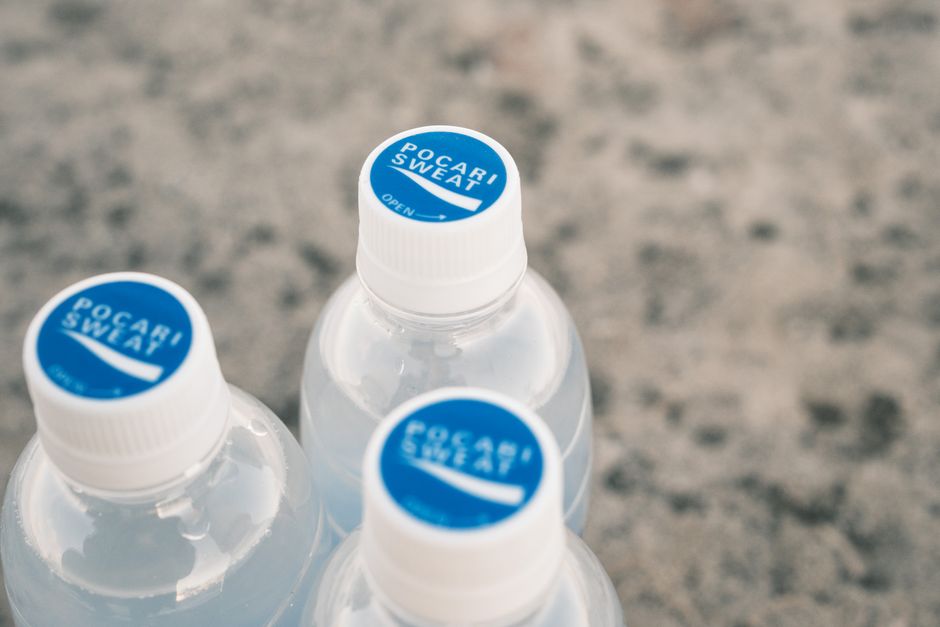
Fluid balance is not just about water volume. Electrolytes, particularly sodium, potassium, and magnesium, govern how effectively your cells absorb and retain fluid. If you are drinking adequate water but still feeling foggy or fatigued, especially after heavy sweating or intense exercise, plain water may not be restoring balance on its own.
For most people in everyday, non-athletic contexts, whole foods cover electrolyte needs. Fruits, vegetables, and minimally processed foods provide meaningful sodium, potassium, and magnesium without supplements. If your activity level is high or you sweat heavily, Electrolyte Timing for Home Workouts: When Water Alone Isn’t Enough and What to Drink Instead covers when and how to supplement strategically.
Caffeine and Hydration: A Common Trade-Off
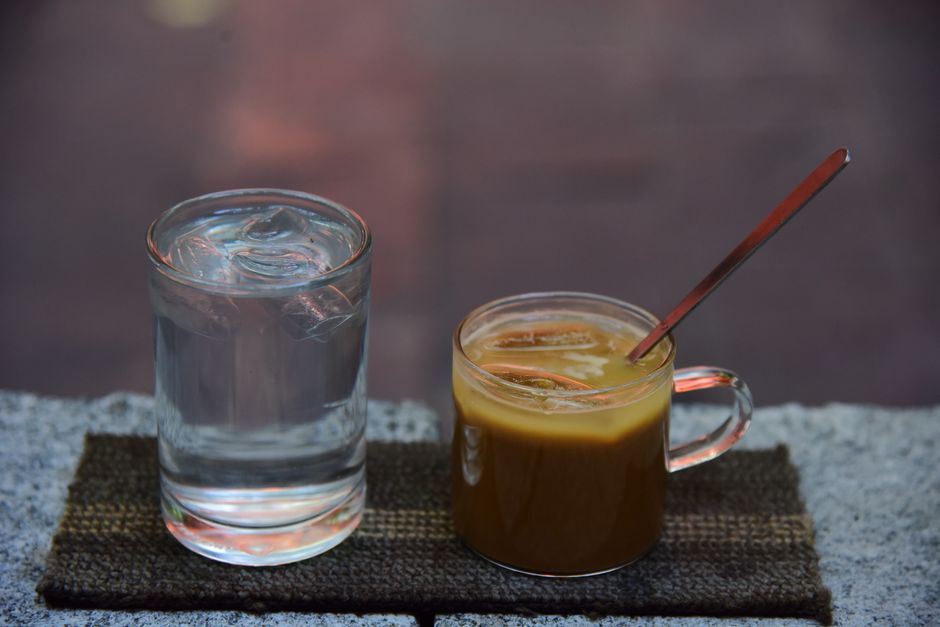
Many people manage afternoon energy with coffee or tea, which is reasonable, but the interaction with hydration matters. Caffeine does have a mild diuretic effect, though at typical intake levels (two to three cups of coffee per day) this effect is modest and generally offset by the fluid in the beverage itself. The bigger concern is reaching for caffeine when dehydration is the primary issue. Caffeine can temporarily sharpen focus but does not address fluid deficit, which means the underlying cause of your slump persists.
If you are navigating both caffeine timing and hydration for energy, Caffeine Before 10am vs. After 2pm: How Timing Changes Your Afternoon Focus, Sleep, and Energy Crashes addresses the timing piece in practical detail.
One Small Action to Start
If you are unsure where to begin, choose one concrete change from this article and repeat it consistently for two weeks. A strong starting point: place a glass of water on your nightstand tonight and drink it before coffee tomorrow morning. Notice whether your late-morning clarity or afternoon focus shifts over several days.
For broader practical guidance on sustainable wellness habits, the Clean Body Mentor newsletter delivers evidence-informed tips weekly, with no pressure and no extreme advice.
This article is for general educational and informational purposes only and is not a substitute for medical advice, diagnosis, or treatment. Health needs vary by individual. Consult a qualified healthcare professional before making significant changes to your diet, exercise routine, supplements, medication, or treatment plan, especially if you have a medical condition, are pregnant or breastfeeding, take medication, or have concerns about your symptoms.
Sources
- Armstrong, L.E., et al. (2012). “Mild Dehydration Affects Mood in Healthy Young Women.” Journal of Nutrition, University of Connecticut Human Performance Laboratory. (PubMed)
- National Academies of Sciences, Engineering, and Medicine. (2005). Dietary Reference Intakes for Water, Potassium, Sodium, Chloride, and Sulfate. National Academies Press.
- Ganio, M.S., et al. (2011). “Mild dehydration impairs cognitive performance and mood of men.” British Journal of Nutrition. (PubMed)
- U.S. National Library of Medicine, MedlinePlus: “Water in Diet” (general hydration guidance).


