

You survived winter on heartier meals, less movement, and maybe more comfort food than you planned. Now spring is here, the days are longer, and your digestion still feels sluggish, bloated, or just off. You are not imagining it.
Seasonal eating and digestion have a real, practical relationship. When the season shifts, so does the composition of available food, your activity level, your hydration patterns, and even the microbes your gut depends on. This guide explains what is actually happening in spring and how specific produce choices can support a meaningful, sustainable reset.
Why Spring Throws Digestion Off Balance
Winter eating tends to be heavy on root vegetables, dense grains, slow-cooked proteins, and warming fats. These foods digest more slowly by design, which is not a problem in the cold months when your body is less active and less hydrated. When spring arrives, several things change at once:
- Activity increases gradually. Even light increases in walking or outdoor movement alter gut motility. Research published through the American Journal of Gastroenterology has noted that physical activity influences intestinal transit time, meaning your gut expects more movement signals that it may not be getting consistently yet.
- Hydration shifts. Warmer air increases fluid loss. Mild dehydration slows stool transit and contributes to that stuck, heavy feeling.
- Fiber intake often dips before it rises. The transition out of winter produce before spring crops peak can leave a fiber gap that disrupts the gut microbiome’s preferred rhythm.
- Stress and seasonal mood changes play a role. The gut-brain axis is bidirectional, meaning emotional or psychological shifts in spring can register as digestive discomfort. If you want to dig deeper into that connection, How Digestive Bloating Worsens on Stressful Days and What to Eat When Your Gut Feels Stuck covers the stress-digestion link directly.
No single factor is the culprit. Usually it is a combination, and seasonal eating digestion patterns reflect that complexity.
What Spring Produce Actually Does for Your Gut
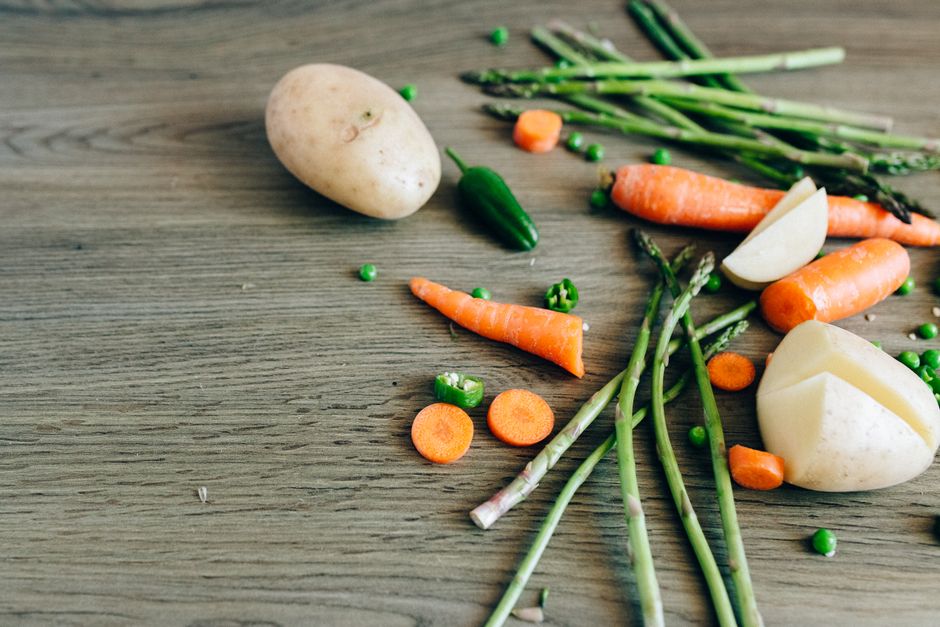
Seasonal produce is not a marketing idea. When plants are harvested at peak ripeness and eaten close to that point, they carry higher concentrations of the fiber, water content, and phytonutrients that support digestive function. Spring crops are particularly useful because many of them are high in soluble fiber, prebiotics, and natural water content.
Here are four spring staples worth adding intentionally:
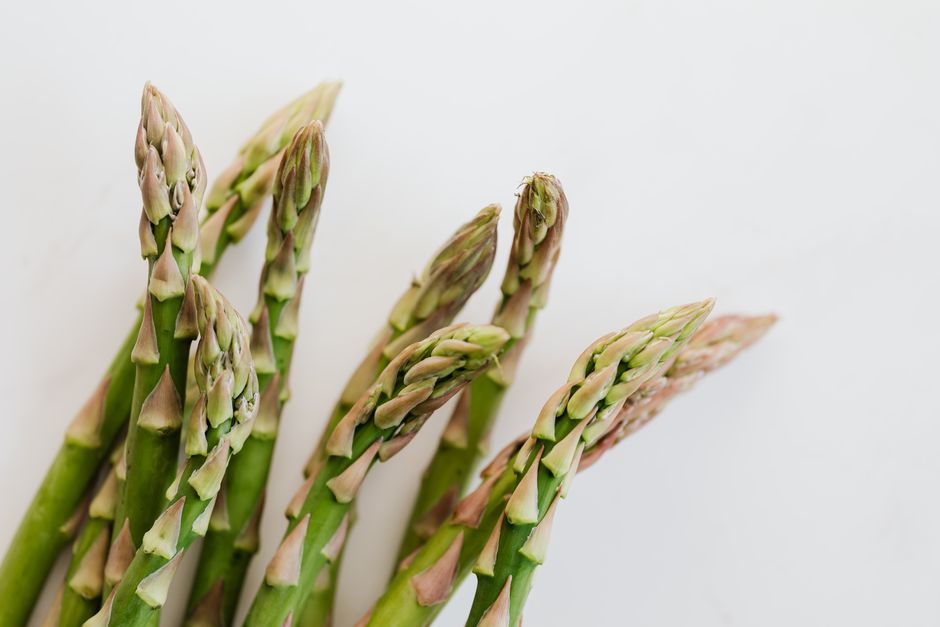
Asparagus
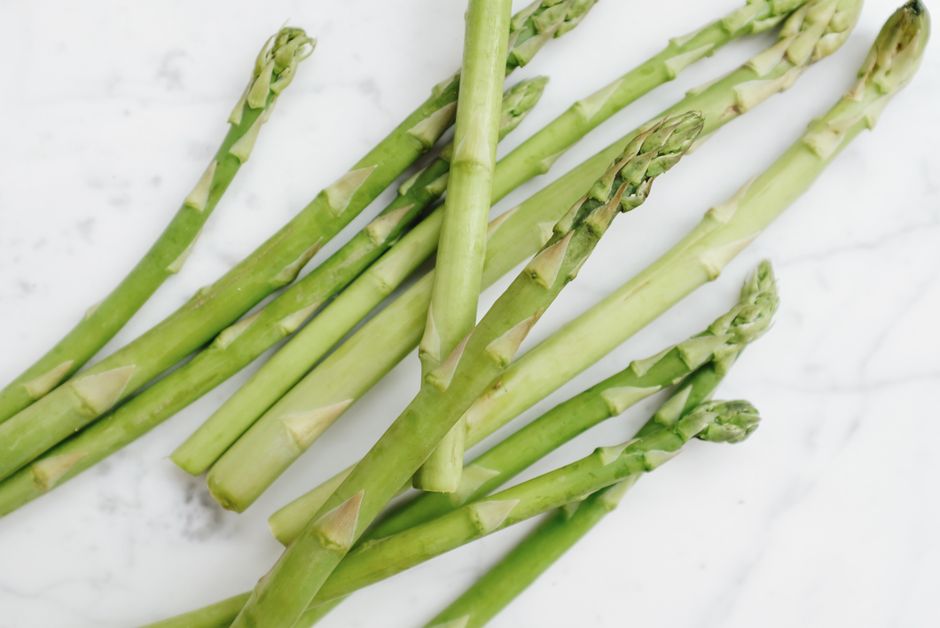
Asparagus is one of the richest natural sources of inulin, a prebiotic fiber that feeds beneficial gut bacteria. The USDA notes that asparagus also provides folate, vitamin K, and water content that supports transit. Roast it simply or add it to grain bowls. If budget is a concern, Seasonal Eating on a Real Budget: Why Spring Greens and Root Vegetables Cost Less Than You Think breaks down which spring items offer the best nutritional value per dollar.
Artichokes
Artichoke hearts are high in both soluble and insoluble fiber, with research suggesting the cynarin compound may support bile production, which helps fat digestion. A single medium artichoke provides roughly 7 grams of fiber (USDA FoodData Central). They are more work to prepare whole, but canned or jarred artichoke hearts make the benefit accessible any night of the week.
Spring Peas and Snap Peas
Fresh peas carry a combination of plant protein, fiber, and natural sugars that digest more steadily than processed carbohydrates. They also carry a high water content that gently supports intestinal movement. Add them raw to salads or lightly cooked to pasta for an easy spring swap.
Leafy Greens (Spinach, Arugula, Watercress)
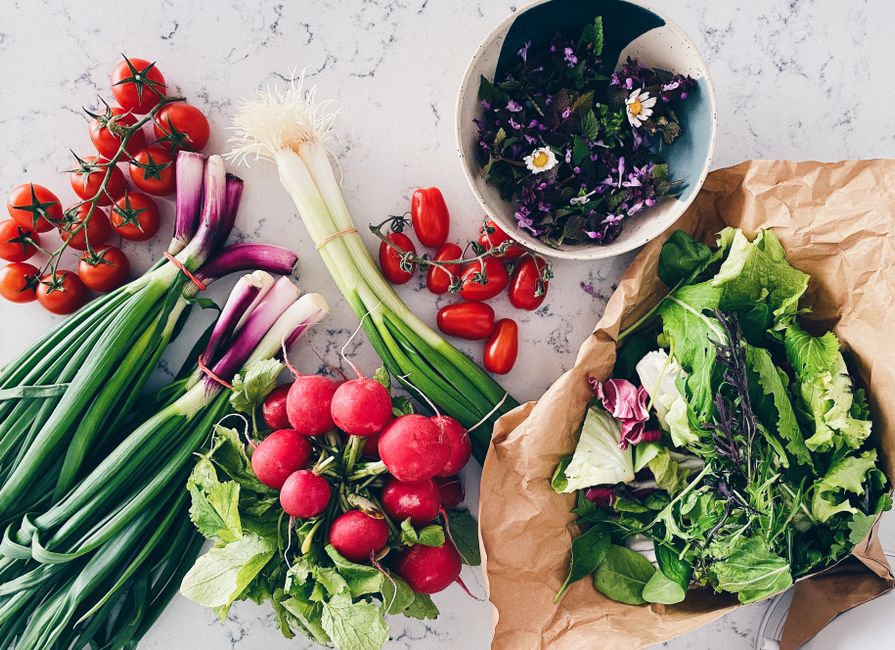
Spring greens are harvested young and tend to be more tender and higher in water content than their winter counterparts. Their mild bitterness signals the production of digestive enzymes, which may support more efficient breakdown of food after meals. For a practical guide on sequencing vegetables within your meals, How to Eat Vegetables First at Meals for Better Digestion and Stable Blood Sugar is worth reading alongside this one.
How to Make the Transition Without Bloating
Here is the part that catches most people off guard: adding a lot of high-fiber spring produce too quickly can actually worsen bloating before it helps. The gut microbiome adapts gradually, not overnight.
A practical approach:
- Add one new spring vegetable per week. This gives your gut bacteria time to adjust enzyme production.
- Increase water intake alongside fiber. Aim to drink water before and between meals, not just with them. Morning Hydration vs. Evening Hydration: Which Timing Actually Shapes Your Energy, Digestion, and Sleep offers specific timing strategies.
- Cook vegetables lightly at first. Steamed or roasted versions of asparagus and artichoke are easier on a transitioning gut than raw preparations.
- Keep movement consistent. Even a short daily walk supports gut motility. Five Unexpected Reasons Your Digestion Improves on Outdoor Walking Days and Slows on Rest Days explains the mechanism clearly.
- Chew thoroughly and slow your eating pace. This is not a cliche. Chewing initiates enzymatic digestion and reduces the fermentable load reaching your large intestine undigested.
For a fuller guide on adding plant fiber without triggering discomfort, Fiber Without the Bloat: How to Add Plant Foods Gradually So Your Digestion Adapts is the next logical read.

Simple Seasonal Swaps to Try This Week
You do not need a new meal plan. A few targeted swaps move the needle:
- Swap heavy winter stews for lighter soups with peas, asparagus, or spinach as the base vegetable.
- Replace dense winter grains with lighter options like farro or quinoa paired with spring greens.
- Trade a processed afternoon snack for snap peas with hummus. The fiber and protein combination supports stable energy and gentler digestion.
- Add a handful of arugula or watercress to your next smoothie or egg dish for prebiotic support without a big flavor change.
None of these swaps require restriction or calorie counting. They are about alignment, shifting your plate toward what the season naturally offers.

A Word on Timing and Routine
Seasonal eating digestion benefits are not just about what you eat but when your digestive system is most ready. Research suggests gastric emptying is slightly faster in the morning and early afternoon, which may be why lighter, fiber-forward meals tend to feel better at those times in spring. Heavier meals later in the day can compound the stuck feeling many people notice during seasonal transitions.
Paying attention to this rhythm, without rigidity, is one of the most sustainable digestion habits you can build.
Start Small, Stay Consistent
Choose one swap or one spring vegetable from this article and work it into your meals consistently for the next two weeks. Notice how your digestion responds before adding anything else. Small, repeated changes tend to produce more durable results than a full dietary overhaul.
If you want to expand your seasonal eating habits further, explore our guides on Spring Produce on a Real Budget: Which Vegetables Cost Less Right Now and Taste Better Than Winter Stockpiles or subscribe to the Clean Body Mentor newsletter for practical, weekly wellness guidance you can actually use.
This article is for general educational and informational purposes only and is not a substitute for medical advice, diagnosis, or treatment. Health needs vary by individual. Consult a qualified healthcare professional before making significant changes to your diet, exercise routine, supplements, medication, or treatment plan, especially if you have a medical condition, are pregnant or breastfeeding, take medication, or have concerns about your symptoms.
Sources
- USDA FoodData Central: asparagus and artichoke nutritional profiles (fdc.nal.usda.gov)
- American Journal of Gastroenterology: research on physical activity and gut motility
- Peters, H.P. et al., “The effect of physical exercise on intestinal integrity and permeability,” Gut (general reference to exercise-gut motility evidence)
- National Institutes of Health Office of Dietary Supplements: dietary fiber fact sheet (ods.od.nih.gov)


