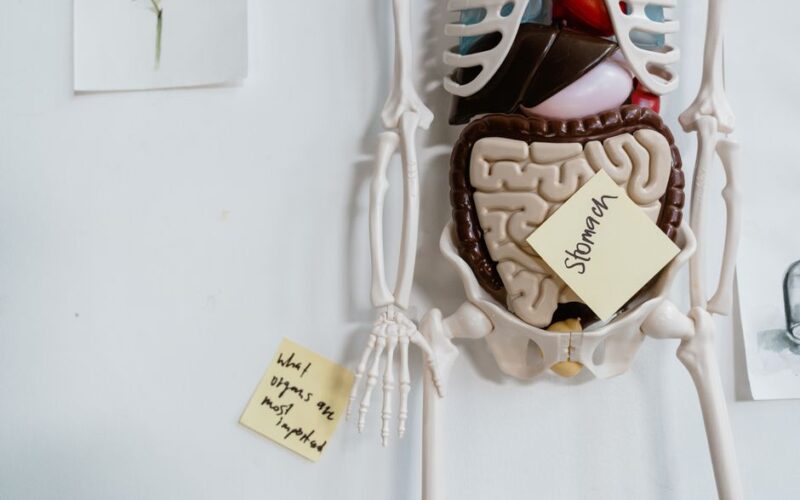


You ate a normal lunch, but by mid-afternoon your stomach feels tight, heavy, and uncomfortable. Sound familiar? If your worst bloating days line up with your most stressful ones, that is not a coincidence. Digestive bloating and stress are connected through a direct biological pathway, and understanding that link makes it much easier to find real relief without cutting food groups or reaching for pills.
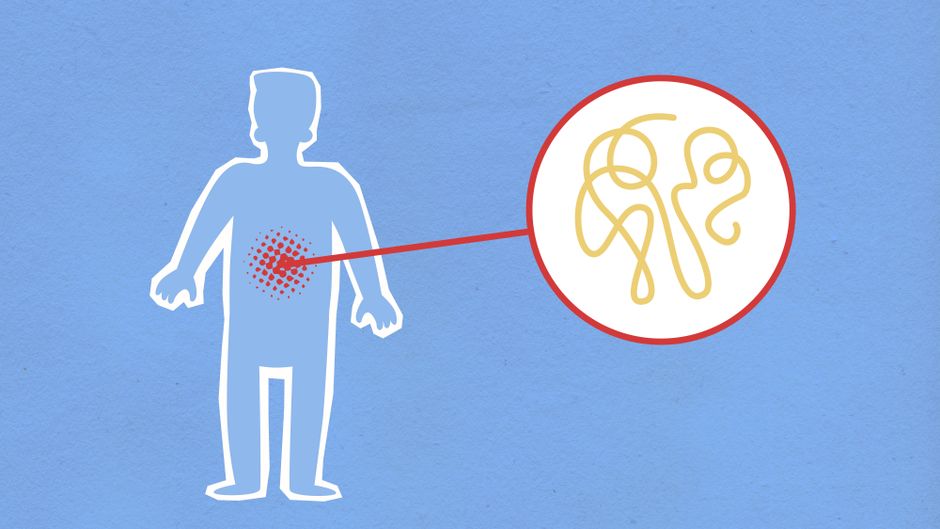
Why Stress Physically Slows Your Digestion
Your nervous system runs digestion through two competing modes. The parasympathetic branch, often called “rest and digest,” keeps stomach acid, digestive enzymes, and gut motility working smoothly. The sympathetic branch, your “fight or flight” response, does the opposite: it redirects blood flow away from the gut, suppresses enzyme output, and slows the muscular contractions that move food through your intestines.
When a work deadline or emotional tension activates your stress response, your body treats the situation like a physical threat. Digestion is deprioritized. Food that would normally move steadily through your intestines can stall, ferment longer, and produce more gas. Research published in the journal Gut (part of BMJ) has documented this gut-brain interaction, showing that psychological stress alters gut motility and can increase intestinal permeability.
This is why digestive bloating from stress feels different from bloating after eating a large meal. The underlying mechanism is your nervous system, not necessarily the food itself. If you want a deeper look at this connection, Digestive Sluggishness vs. Nervous System Stress: Why Your Gut Slows When You Rush and What to Do About It covers the physiology in more detail.

The Foods That Help When Your Gut Feels Stuck
The goal on high-stress days is not restriction. It is choosing foods that are easy to move through a slowed gut while also delivering nutrients your nervous system actually needs.
Warm, Cooked, Low-Fiber Foods in Small Portions
Raw vegetables and large high-fiber meals are excellent on calm days but can overwhelm a stress-slowed gut. When your intestines are sluggish, partially cooked or well-cooked produce requires less digestive effort. Think steamed zucchini, soft-cooked carrots, or a warm vegetable soup rather than a raw salad piled high with cruciferous vegetables.
Smaller, more frequent meals also reduce the load on your digestive system at any one time. A modest bowl of rice with cooked greens and a soft-boiled egg puts less demand on a stressed gut than a giant burrito would.
Ginger and Peppermint
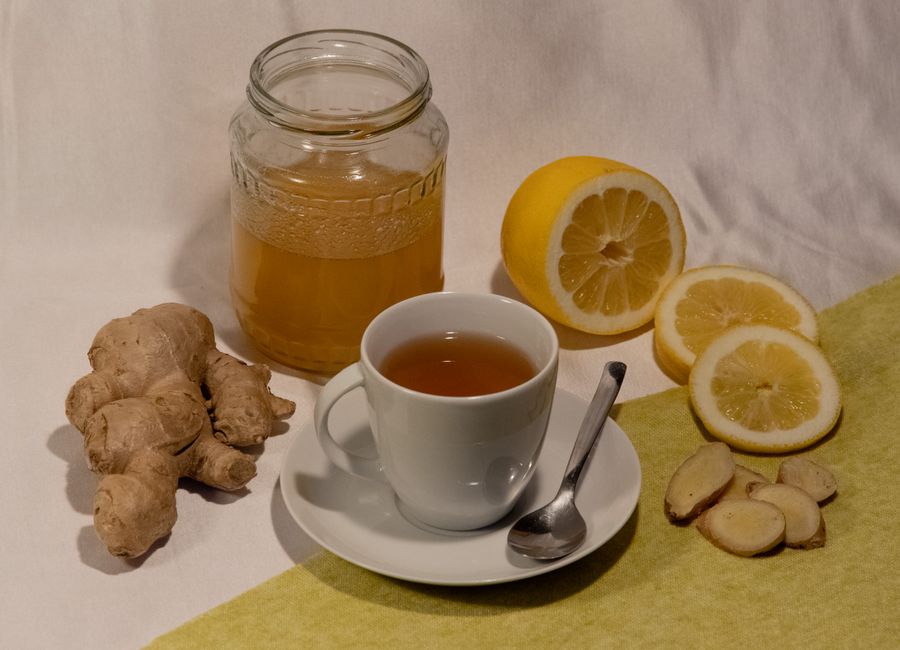
Both have real research support for digestive comfort. The National Center for Complementary and Integrative Health (NCCIH) notes that ginger has been studied for nausea and may help support gastric emptying. Peppermint oil has been studied specifically for irritable bowel symptoms, including bloating. You do not need supplements. A cup of ginger tea or peppermint tea brewed from real leaves or tea bags can be genuinely soothing and also doubles as a pause that slows your eating pace.
Easily Digested Protein
Protein supports your nervous system’s ability to produce serotonin, a neurotransmitter heavily influenced by gut function. Eggs, plain Greek yogurt, canned salmon, and cooked chicken thighs are all relatively easy to digest. They give you steadiness without the fermentation risk that raw legumes or very high-fiber protein sources might add on a rough day. For ideas on building a satisfying gut-friendly meal, Building a Gut-Healing Lunch Bowl That Stops Afternoon Bloating Without Cutting Food Groups is worth a look.
Hydration With Warm Water or Herbal Tea
Dehydration slows gut motility further. Warm water and non-caffeinated herbal teas encourage peristalsis, the wave-like contractions that push food through. Cold carbonated drinks can add to gas and bloating, especially when your gut is already sluggish.

Eating Habits That Matter as Much as Food Choice
What you eat on stressed days matters, but how you eat matters just as much. Your parasympathetic nervous system cannot activate while you are rushing, scrolling, or eating at your desk in full work mode.
Slow down before you start eating. Even three slow, deep belly breaths before a meal can begin to shift your nervous system toward a more relaxed state. This is not a metaphor. Diaphragmatic breathing activates the vagus nerve, which directly stimulates the parasympathetic branch responsible for digestion. If you want to understand how posture and breathing affect bloating specifically, Digestive Comfort Through Breathing and Posture: Why How You Sit Matters More Than What You Eat goes into useful detail.
Chew thoroughly. Mechanical breakdown of food in the mouth reduces the digestive burden further down. Research suggests that slower, more deliberate chewing reduces swallowed air and gives stomach enzymes a better-prepared food mass to work with.
Eat sitting down, upright, and away from your screen when possible. The position of your body during a meal influences how your digestive tract handles what you eat. Slumping or eating while hunched over a keyboard compresses the abdomen and can slow transit. Even 10 minutes seated upright, focused on your food, makes a measurable difference.
Do not skip meals under stress. Skipping meals might seem like a solution when you have no appetite, but it often makes afternoon and evening bloating worse because larger, irregular meals are harder to process. A small, easy-to-digest meal eaten consistently is better for a stressed gut than one large meal after a full day of nothing.
A Simple Stress-Day Eating Pattern
Here is a practical framework you can use without overhauling your diet:
- Morning: Warm oatmeal with banana slices and a small amount of nut butter, plus ginger or chamomile tea
- Midday: A small bowl of warm soup or soft grain bowl with cooked vegetables and a simple protein (eggs, canned fish, or tender chicken)
- Afternoon snack: Plain Greek yogurt with a few cooked or very ripe berries, or a small handful of walnuts
- Evening: A light, warm meal such as steamed fish with soft sweet potato and a drizzle of olive oil
This is not a rigid plan. It is a template that keeps meals small, easy to digest, and consistently spaced, which is exactly what a stress-slowed gut needs.

One Small Action Worth Practicing
If you take just one thing from this article, make it this: on your next stressful day, take three slow belly breaths before you eat anything, then sit down and eat something small and warm rather than skipping the meal or grabbing something rushed. That single combination, a brief nervous system reset plus an easy-to-digest meal, addresses both the root cause and the symptoms of stress-related bloating.
For more practical guidance on everyday digestive comfort, explore Digestive Health and Mood: How Gut Function Changes Your Mental Well-Being Without Supplements. And if you want weekly, realistic wellness strategies delivered to your inbox, consider joining the Clean Body Mentor newsletter.
This article is for general educational and informational purposes only and is not a substitute for medical advice, diagnosis, or treatment. Health needs vary by individual. Consult a qualified healthcare professional before making significant changes to your diet, exercise routine, supplements, medication, or treatment plan, especially if you have a medical condition, are pregnant or breastfeeding, take medication, or have concerns about your symptoms.
Sources
- Mayer, E.A. (2011). “Gut feelings: the emerging biology of gut-brain communication.” Nature Reviews Neuroscience. BMJ Publishing Group, Gut journal collection also documents gut motility and psychological stress.
- National Center for Complementary and Integrative Health (NCCIH). “Ginger.” U.S. Department of Health and Human Services. nccih.nih.gov
- Capello, G. et al. (2007). “Peppermint oil (Mintoil) in the treatment of irritable bowel syndrome.” Digestive and Liver Disease.
- Mayer, E.A. et al. (2015). “Gut/brain axis and the microbiota.” Journal of Clinical Investigation. Published by the American Society for Clinical Investigation.