You finish a meal, feel that familiar pressure in your belly, and immediately start replaying your food choices. Too much fiber? Too much fat? The real culprit, though, might be sitting hunched over your phone, taking shallow sips of air, and rushing back to work before your body has had a chance to shift into digest mode.
Digestive comfort posture breathing is a connection most people never think about, yet the science behind it is surprisingly clear. This tutorial walks you through what is actually happening in your gut when you slouch and rush, then gives you three specific posture adjustments and a 2-minute seated breathing practice you can start today.
Why Your Nervous System Controls More of Digestion Than Your Food Does
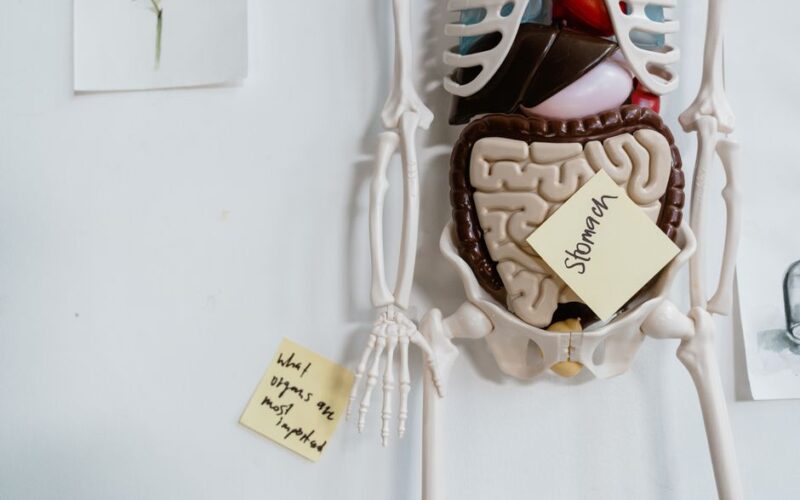
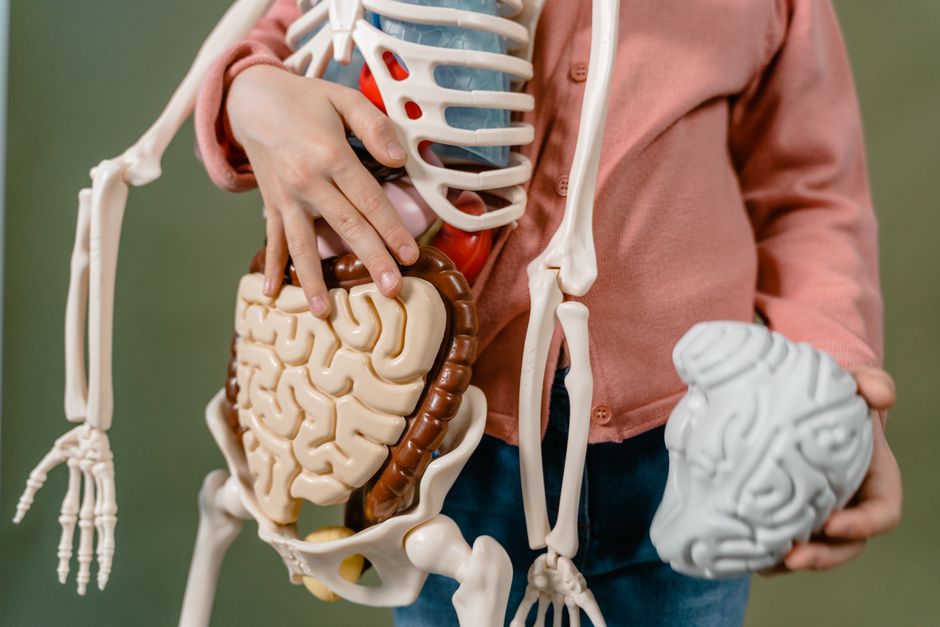
Your digestive tract is lined with its own extensive nerve network, sometimes called the enteric nervous system. It takes its cues from the autonomic nervous system, which has two main modes: sympathetic (fight-or-flight) and parasympathetic (rest-and-digest). Research published in the journal Neurogastroenterology and Motility confirms that parasympathetic activity, primarily through the vagus nerve, coordinates the muscular contractions that move food through your gut, triggers enzyme release, and supports nutrient absorption.
When you are stressed, rushed, or slumped forward, your body leans toward sympathetic mode. Blood flow shifts away from digestive organs, gut motility slows, and the stomach struggles to empty efficiently. You feel heavy, bloated, and uncomfortable, not because your salad had too much kale but because your nervous system never received the signal that it was safe to digest.
Shallow chest breathing reinforces this pattern. It keeps the diaphragm tight, compresses the abdomen, and sends a low-grade stress signal to the brain. Correcting your posture and breath after eating can help flip this switch.
If you want to understand how emotional stress compounds this effect, the article Digestive Sluggishness vs. Nervous System Stress: Why Your Gut Slows When You Rush and What to Do About It goes deeper into the gut-stress relationship.
Three Posture Adjustments That Create More Room for Digestion
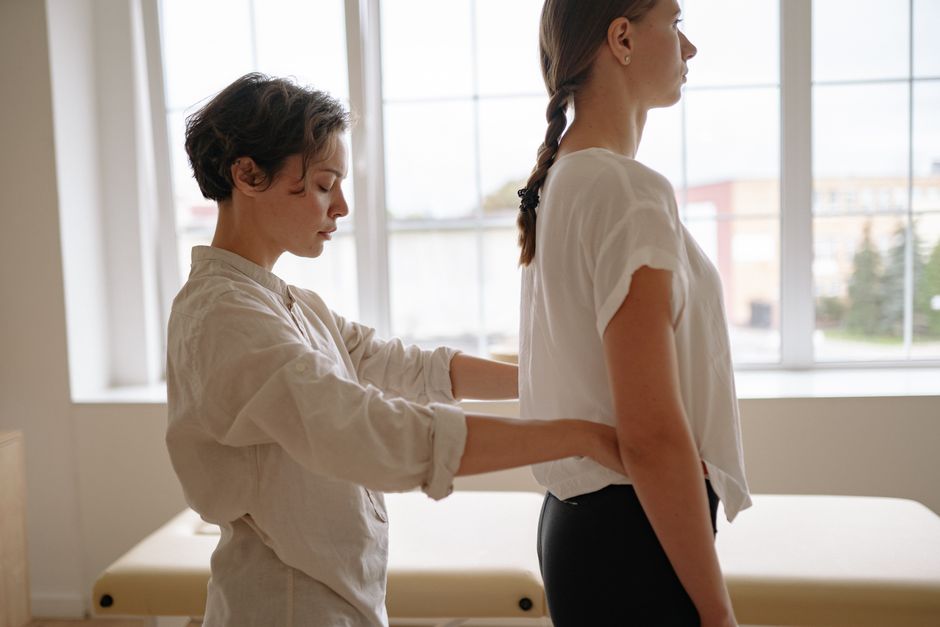
You do not need a standing desk or a posture corrector. These three adjustments take about 30 seconds and noticeably reduce abdominal compression.
1. Uncross Your Legs and Ground Both Feet
Crossing your legs or tucking one foot under you tilts the pelvis and twists the lower abdomen, adding internal pressure to an already-active digestive process. Plant both feet flat on the floor, roughly hip-width apart. Feel your sitting bones make equal contact with the chair. This simple act realigns the pelvis and takes pressure off the ascending and descending colon.
2. Stack Your Spine: Hips, Ribcage, Skull
Imagine a gentle thread pulling the crown of your head toward the ceiling. Rather than tucking your chin aggressively or thrusting your chest forward, you are creating length through the spine so each vertebra can sit on top of the one below it. When your ribcage is stacked over your hips rather than collapsed toward them, your stomach and intestines have the physical space they need to expand and contract normally during peristalsis.
For desk workers who spend most of the day rounding forward, Mobility Drills for Desk Workers: Reverse Sitting Stiffness and Reclaim Posture in 10 Minutes offers a practical 10-minute reset for the whole body.
3. Relax Your Belly, Not Your Posture
This one surprises people. Many of us hold chronic tension in the abdominal wall, especially those who have spent years sucking in their stomachs for appearance. A braced or held-in belly physically restricts the stomach from expanding downward after a meal. After you have stacked your spine, consciously soften the muscles across your lower abdomen. Let your belly gently move outward as you breathe. You are not slouching; you are giving your digestive organs room to work.
A 2-Minute Seated Breathing Routine for Post-Meal Comfort
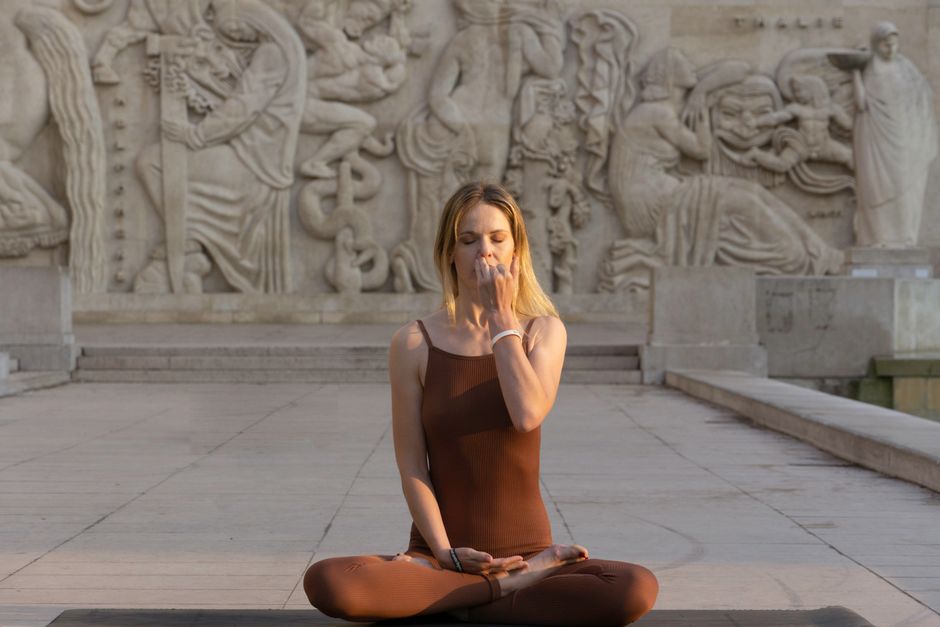
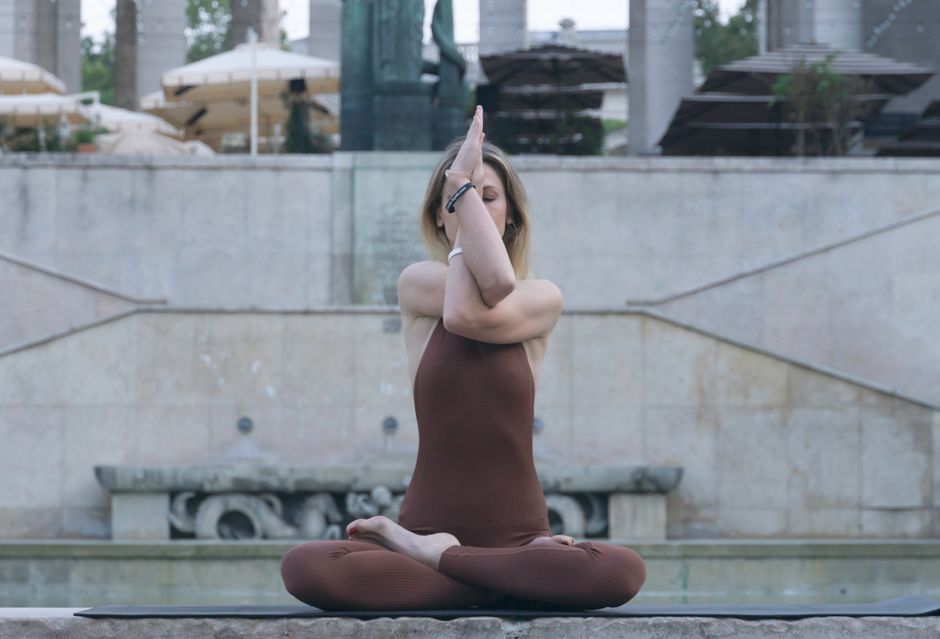
This routine takes about 2 minutes and is designed specifically for the 10 to 15 minutes right after eating, when your body most needs parasympathetic support. You can do it at the table, on the couch, or at your desk.
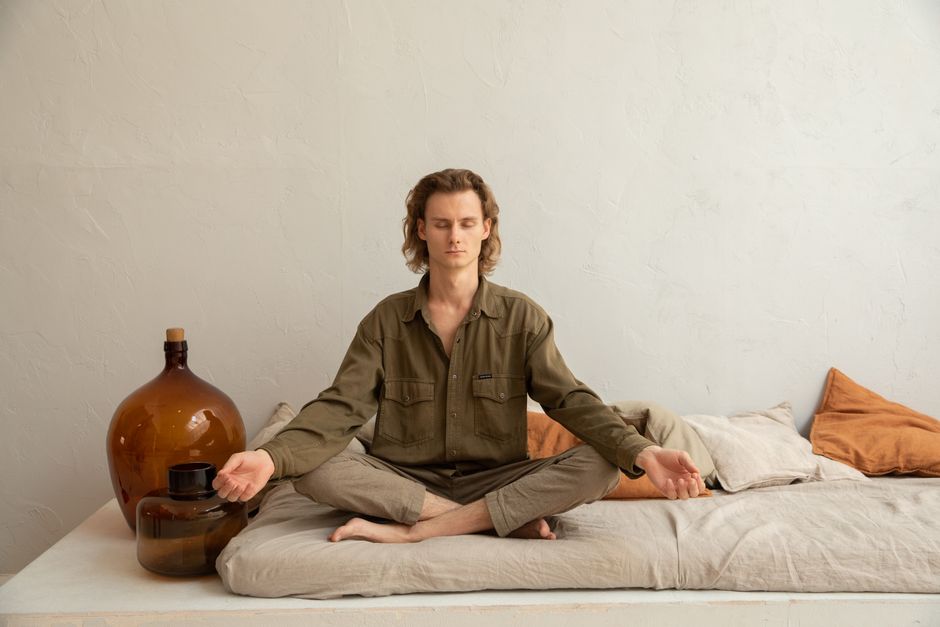
Step 1 (30 seconds): Settle and observe. Sit in your stacked-spine position with feet grounded. Place one hand lightly on your lower belly. Notice whether your breath is reaching your hand or staying high in your chest. Do not change anything yet; just observe.
Step 2 (60 seconds): Diaphragmatic breath cycles. Inhale slowly through your nose for a count of four, directing the breath downward so your lower hand rises gently. Exhale through pursed lips or a relaxed open mouth for a count of six. The longer exhale activates the vagus nerve and nudges the nervous system toward parasympathetic mode. Research from the National Institutes of Health has documented that slow, extended exhalation increases heart rate variability, a reliable marker of parasympathetic tone. Repeat for about five to six breath cycles.
Step 3 (30 seconds): A soft body scan. Starting at your jaw (which many people clench during meals), move attention slowly down to your neck, shoulders, hands, and finally your belly. Each time you notice tightness, exhale and let it soften. End the routine with one final deep inhale and a long, audible sigh-exhale.
If breathwork interests you beyond digestion, Breathing Patterns That Calm Your Nervous System Without Meditation: A Practical Guide for Stress Relief on Demand provides a broader toolkit.
Pairing This Practice With Other Digestive Habits
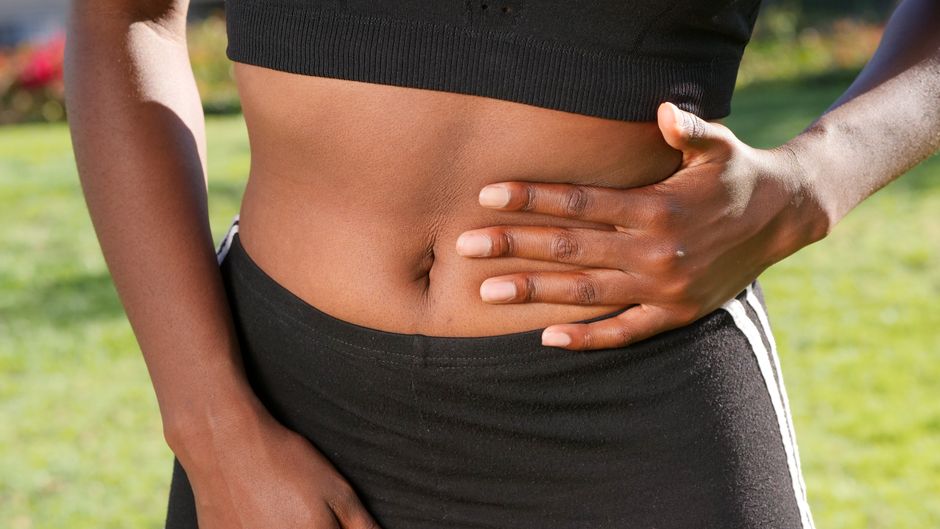
Posture and breathing work best when combined with the eating pace habits most people overlook. Rushing through meals, for example, leads to swallowing excess air and reduces chewing efficiency. You can explore that side of digestive comfort in Digestive Bloating From Rushed Meals: Why Chewing Speed and Pause Breaks Matter More Than Food Swaps.
Gentle post-meal movement is another layer. Even a 5 to 10 minute walk after eating may support gastric emptying and reduce that heavy, stagnant feeling. Stretching for Digestion: How Post-Meal Movement Supports Nutrient Absorption and Comfort walks through a short movement sequence you can pair with this breathing practice.
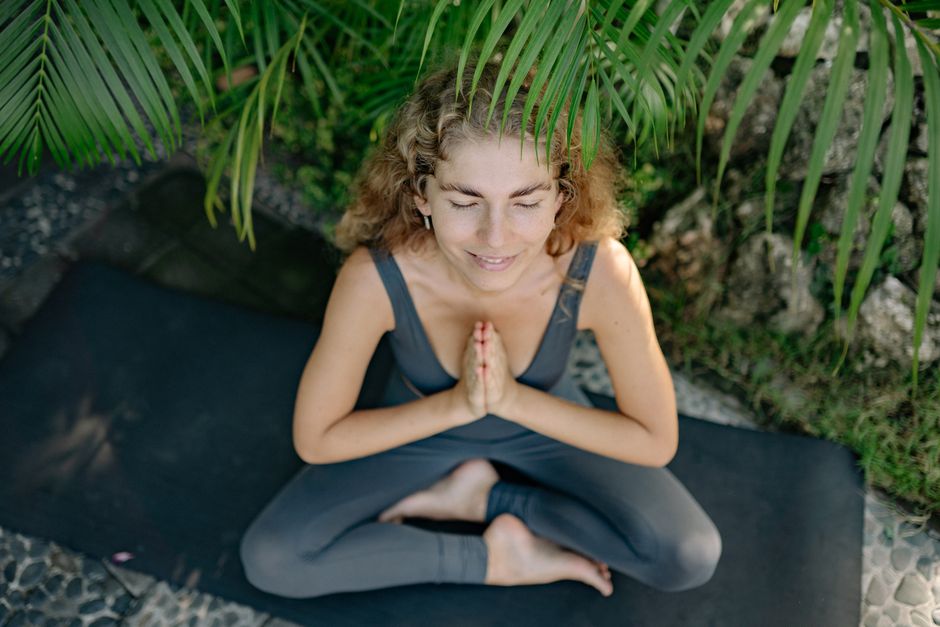
One Small Action to Start Today
Choose the single posture adjustment that feels most relevant to your body right now. Maybe it is uncrossing your legs at dinner tonight, or softening your belly tension during your lunch break. Practice it consistently for one week before layering in the breathing routine.
Small, repeatable changes are how sustainable habits actually form. You do not need to overhaul your diet to feel more comfortable after meals. Sometimes the answer is simply sitting better and breathing more fully.
For more practical wellness guidance like this, consider signing up for the Clean Body Mentor newsletter, where we share evidence-informed tips each week without pressure, shame, or complicated plans.
This article is for general educational and informational purposes only and is not a substitute for medical advice, diagnosis, or treatment. Health needs vary by individual. Consult a qualified healthcare professional before making significant changes to your diet, exercise routine, supplements, medication, or treatment plan, especially if you have a medical condition, are pregnant or breastfeeding, take medication, or have concerns about your symptoms.
Sources
- Furness, J.B. (2012). The enteric nervous system and neurogastroenterology. Nature Reviews Gastroenterology and Hepatology. Referenced for vagus nerve and parasympathetic regulation of digestion.
- National Institutes of Health, National Center for Complementary and Integrative Health: research on slow breathing and heart rate variability as a marker of autonomic nervous system tone.
- Bhatt, D.L. et al. Overview of autonomic nervous system effects on the gastrointestinal tract. Referenced in Neurogastroenterology and Motility literature on sympathetic suppression of gut motility.