
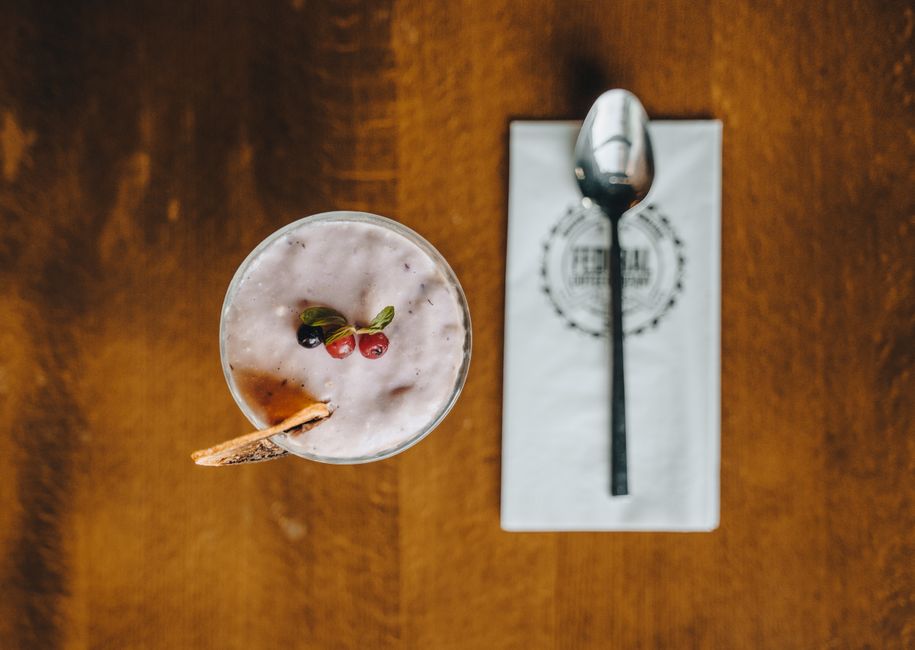
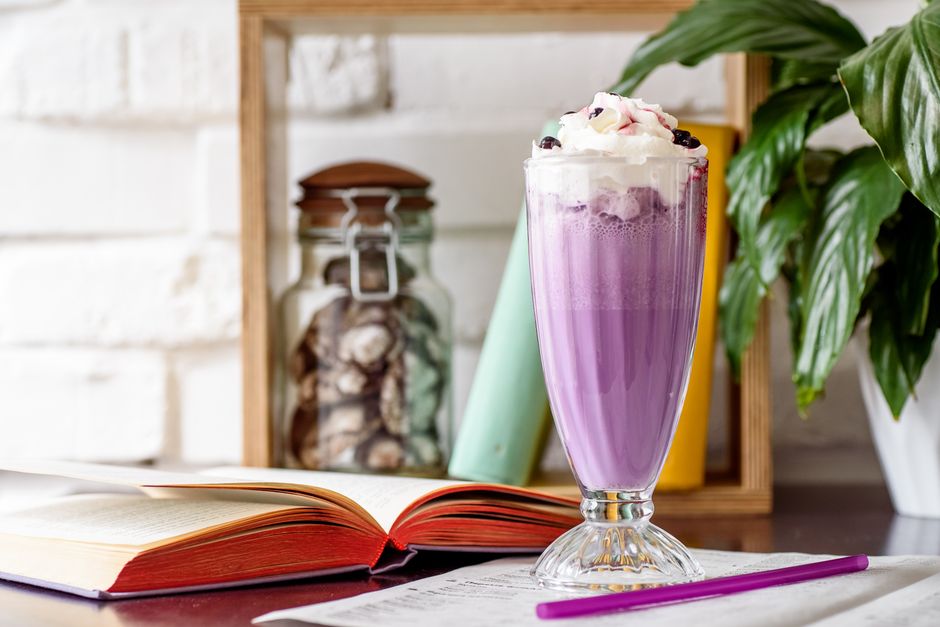
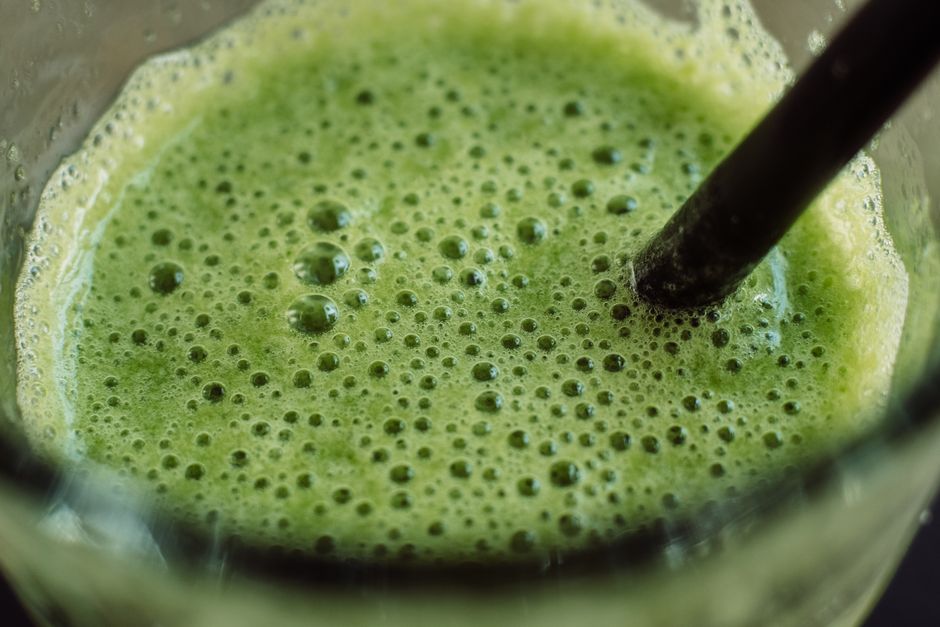
You blend a banana, a handful of frozen berries, a scoop of protein powder, some almond butter, and oat milk. You drink it in four minutes. By 10am you are hungry again.
The next morning, you build the exact same combination into a bowl, top it with granola, sliced fruit, and chia seeds, and eat it slowly with a spoon. You feel satisfied until noon.
Same calories. Same macros. Completely different hunger experience.
This is not a coincidence, and it is not about willpower. It comes down to something food researchers call smoothie satiety texture: the way physical form, eating pace, and sensory engagement combine to shape how full you feel and how long that feeling lasts.
Why Texture Changes How Your Brain Reads Fullness
Your brain and gut do not measure fullness in calories. They measure it through a network of signals: stomach stretch, hormone release, chewing activity, and the time food spends in front of you. Texture sits right at the center of all four.
Research published in Appetite and summarized by the British Nutrition Foundation suggests that foods requiring more oral processing (more chewing, more time) produce stronger satiety signals than liquids delivering the same energy. Chewing activates mechanoreceptors in the jaw, which send early satiety cues to the brain before the stomach is even full. Liquid calories, by contrast, move through the stomach relatively quickly and produce less stretch, which is one reason drinks can underdeliver on the feeling of “enough.”
This is part of the same reason that smoothie ingredients that keep you full matter so much: fiber type and fat source affect thickness, and thickness affects how your body responds even before digestion begins.
When you eat a smoothie bowl topped with crunchy granola or seeds, you are adding oral processing time, sensory contrast, and visual engagement to the same ingredients. That combination appears to slow eating pace and amplify satiety signals without adding meaningful calories.
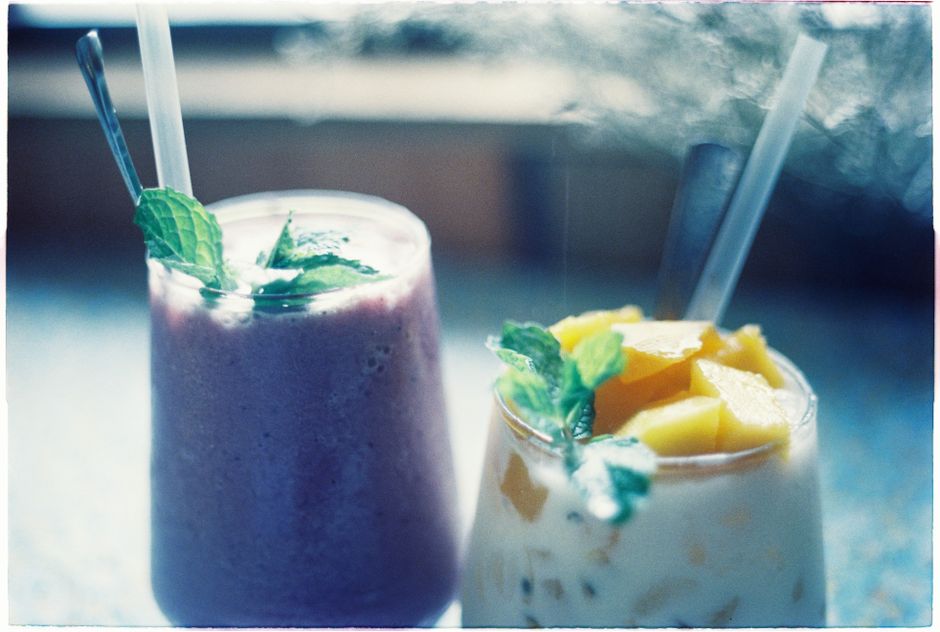
The Drinkable Smoothie: Real Strengths and Real Limits
A blended smoothie is not a bad choice. It has genuine advantages worth keeping in mind.
Where smoothies work well:
- Post-workout recovery, when you want fast nutrient absorption
- Busy mornings with under ten minutes to eat
- Situations where chewing feels difficult (illness, jaw soreness, early morning low appetite)
- Calorie targets that benefit from portion control without volume eating
Where smoothies tend to fall short for satiety:
- Breakfasts that need to carry you through a long morning
- Days when you will be on your feet or mentally active for three-plus hours before lunch
- Routines where you drink quickly without pausing
If you rely on smoothies for breakfast satiety, Smoothie Satiety Secrets on ingredient order and timing goes into detail on how sequencing protein, fat, and fiber inside the blend can meaningfully extend fullness even in liquid form.
The honest limit: even a well-built smoothie, consumed in under five minutes, delivers less satiety per calorie than the bowl version of the same recipe for most people. That difference is largely structural, not nutritional.
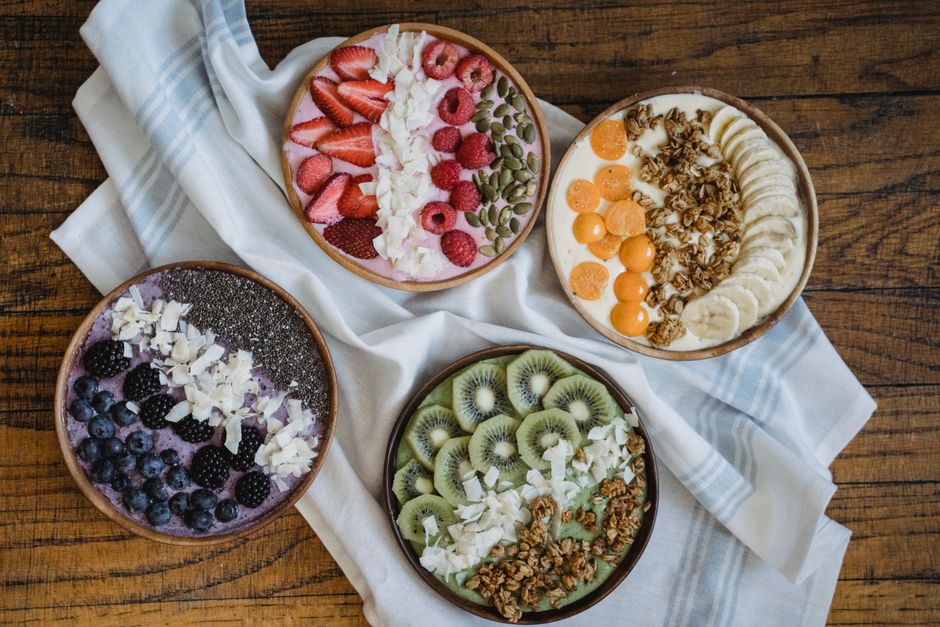
The Smoothie Bowl: Why the Format Earns Its Reputation
A smoothie bowl starts with a thicker base (less liquid, frozen fruit, or added oats blended in) and relies on toppings to introduce texture contrast. That combination creates several satiety advantages that calories alone do not explain.
Eating pace slows automatically. You cannot gulp a bowl. Spooning, chewing granola, and biting through fruit pieces naturally extend your meal time. Research suggests slower eating is consistently linked to lower calorie intake and higher satiety scores, partly because the gut has more time to release hormones like GLP-1 and peptide YY before you finish eating.
Sensory engagement increases. Seeing a colorful, layered bowl, hearing the crunch of toppings, and tasting different textures across bites keeps your attention on the meal. Distracted or rushed eating is associated with reduced satiety awareness and higher likelihood of eating again sooner. You can read more about how eating posture and pace affect digestion and comfort in Digestive Bloating From Rushed Meals.
Stomach volume is higher. The thicker base plus toppings usually occupies more physical space in the stomach than the liquid version, contributing to stretch-based satiety signals.
Where bowls fall short:
- They take more time and prep attention
- Toppings add calories that are easy to underestimate (granola portions matter)
- They are not portable in the same way a smoothie is
Head-to-Head: Choosing the Format That Fits Your Day
| Factor | Drinkable Smoothie | Smoothie Bowl |
|---|---|---|
| Prep and cleanup | Faster | Slightly more |
| Satiety duration (typical) | 2-3 hours | 3-4+ hours |
| Eating pace | 3-6 minutes | 10-15 minutes |
| Texture variety | Low | High |
| Portable | Yes | No |
| Post-workout use | Excellent | Less practical |
| Appetite management | Moderate | Stronger |
Neither format is universally better. The smoothie bowl earns a satiety advantage on most mornings when you have ten minutes to sit down and eat. The drinkable smoothie earns its place on time-pressured days and after workouts.
One practical middle path: use a drinkable smoothie on busy weekday mornings but build in a small high-protein snack around the two-hour mark to bridge the gap. For days when you have time to sit, the bowl format is almost always the stronger choice for keeping hunger at bay until lunch.
If you want deeper guidance on building a breakfast that genuinely survives until noon, Building a High-Protein Breakfast That Survives Until Lunch walks through protein source, pairing order, and timing in practical terms.
One Small Change Worth Trying This Week
If you already make smoothies regularly and want to test whether texture makes a difference for your hunger, try this: on your next day off, pour half your usual smoothie into a bowl, add two tablespoons of granola and a tablespoon of chia seeds, and eat it with a spoon without your phone. Note when you feel hungry again compared to your usual smoothie mornings.
That single experiment, repeated two or three times, often tells you more about your individual smoothie satiety texture response than any study average can.
Choose one format adjustment from this article and practice it consistently for a week. Small, repeatable habits are how lasting change actually builds. If you want more practical, evidence-informed guidance like this delivered weekly, the Clean Body Mentor newsletter covers real nutrition and wellness strategies without the noise.
This article is for general educational and informational purposes only and is not a substitute for medical advice, diagnosis, or treatment. Health needs vary by individual. Consult a qualified healthcare professional before making significant changes to your diet, exercise routine, supplements, medication, or treatment plan, especially if you have a medical condition, are pregnant or breastfeeding, take medication, or have concerns about your symptoms.
Sources
- Chambers, L., McCrickerd, K., and Yeomans, M. R. “Optimising foods for satiety.” Trends in Food Science and Technology, 2015. Cited via British Nutrition Foundation summary.
- Bolhuis, D. P., et al. “Slow food: sustained impact of harder foods on the reduction in energy intake over the course of the day.” PLOS ONE, 2014.
- Rogers, P. J., and Brunstrom, J. M. “Appetite and energy balancing.” Physiology and Behavior, 2016. Overview of GLP-1 and gut satiety hormone timing.
- U.S. Department of Agriculture, Dietary Guidelines for Americans 2020-2025: guidance on nutrient-dense food patterns and meal structure.