
You do not need a full gym to build meaningful muscle. But you do need to choose a tool that fits your actual life, not the ideal version of it. The debate around resistance bands vs. dumbbells vs. bodyweight for muscle building at home is less about which is objectively best and more about which one you will consistently use given your space, your budget, and how well your body recovers between sessions.
This comparison skips the marketing claims and gets practical.
What the Research Actually Says About Muscle Building at Home
Building muscle, technically called skeletal muscle hypertrophy, requires two things regardless of equipment: progressive overload (gradually increasing the challenge on a muscle) and adequate recovery. A 2019 review published in the Journal of Strength and Conditioning Research found that resistance training with elastic bands produced similar muscular strength and endurance outcomes compared to conventional resistance training in several populations when effort and volume were equated.
Bodyweight research adds nuance: a 2015 study in the Journal of Human Kinetics showed bodyweight squats performed to high repetitions produced measurable hypertrophy in trained individuals, especially when combined with slow tempo and reduced rest. The takeaway is that all three tools can build muscle. Your job is to match the right one to your constraints.
Resistance Bands: Portable, Joint-Friendly, and Easy to Underestimate
Best for: Limited space, tight budget, joint sensitivity, travel.
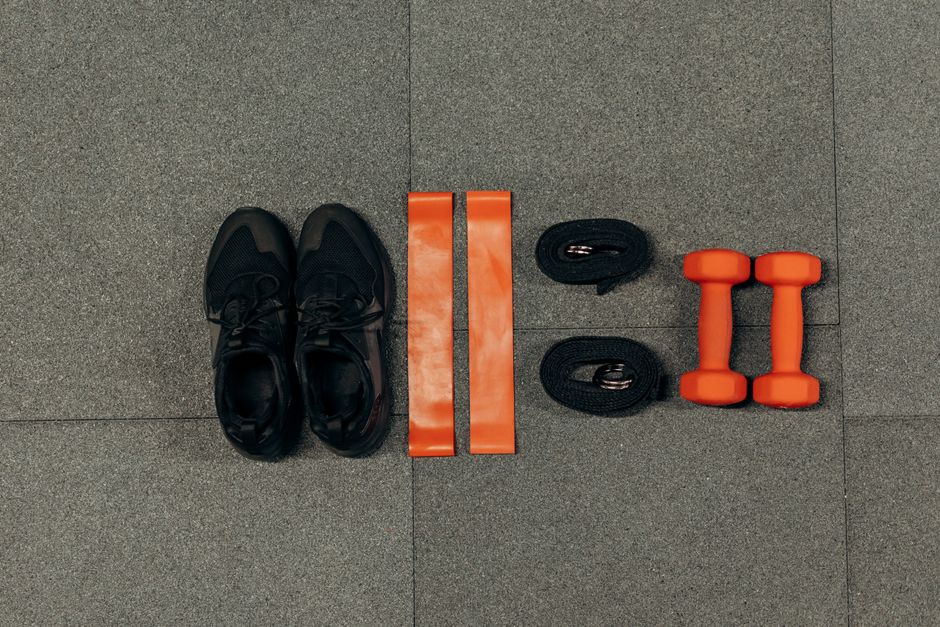
A full set of loop bands or tube bands with handles typically costs between $20 and $60. They store in a drawer and can be anchored to a door, a heavy piece of furniture, or your own body. That portability is genuinely useful, not just a marketing point.
The mechanics of bands differ from free weights in one important way: resistance is highest at the end of the range of motion where the band is most stretched. This is the opposite of how dumbbells work. For exercises like rows, chest presses, or lateral raises, this ascending resistance curve challenges your muscles differently and may reduce joint stress at the weakest point of the movement.
The drawback is that progression requires either doubling bands, shortening the anchor point, or buying progressively heavier bands. Without deliberate load tracking, it is easy to stall without realizing it.
For a progressive approach to bodyweight and band training together, Strength Training Plateaus at Home: Five Beginner Mistakes That Stall Progress and How to Push Past Them Without Heavy Weights walks through common sticking points beginners hit with home tools.
Dumbbells: Precise Load, Intuitive Progression, Higher Upfront Cost
Best for: Reliable progressive overload, strength and hypertrophy goals, intermediate lifters.
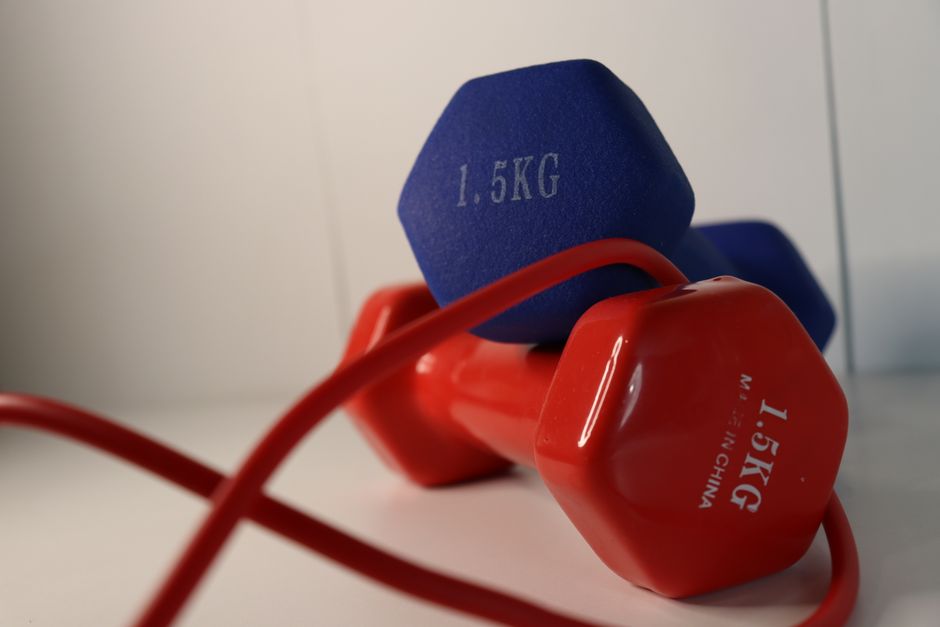
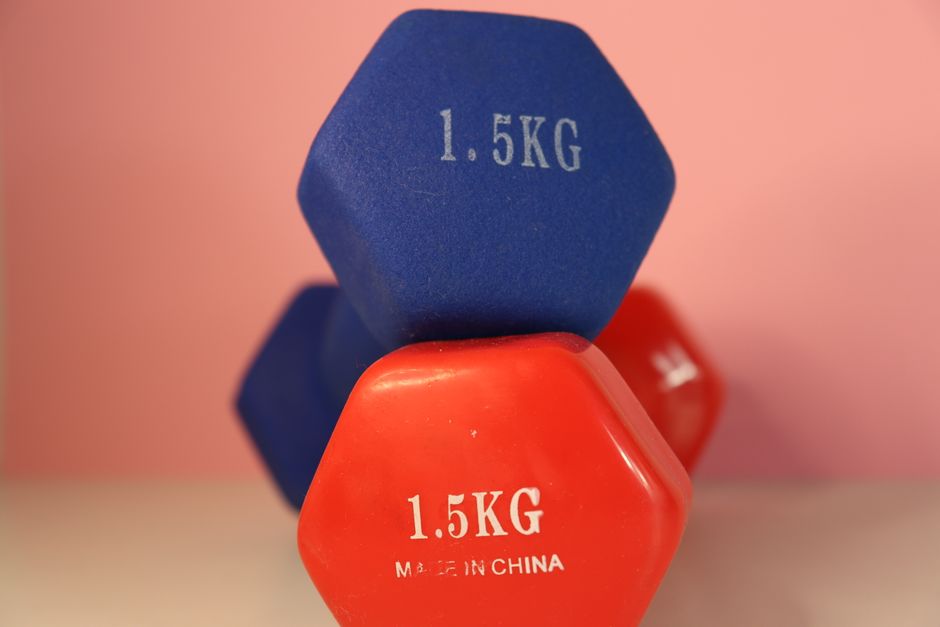
Adjustable dumbbells (brands like Bowflex SelectTech or PowerBlock) can range from $200 to $450 for a pair, though fixed-weight sets can be assembled more cheaply over time. The benefit is precise, repeatable loading. You know you lifted 25 lbs last Tuesday, and today you can try 27.5 lbs. That clarity makes tracking easier.
For compound movements such as goblet squats, Romanian deadlifts, bent-over rows, and overhead presses, dumbbells offer a natural range of motion with bilateral and unilateral variations. Research on free weights consistently shows high muscle activation across upper and lower body movements, partly because stabilizer muscles are recruited to control the load throughout the range of motion.
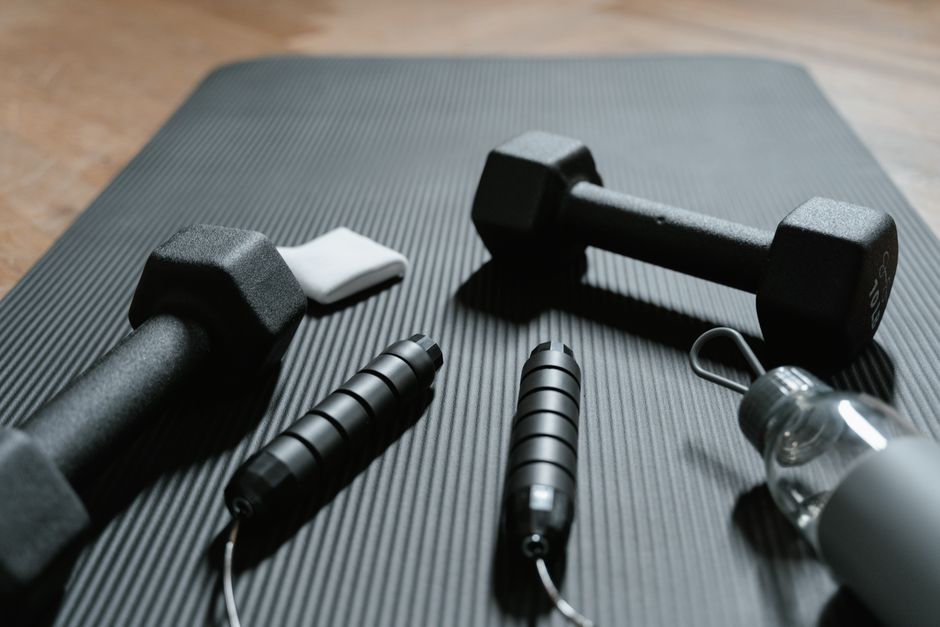
The trade-off is cost and footprint. A quality adjustable pair, a mat, and enough room to hinge and press are the minimum. If your apartment is small or your budget is stretched, that barrier is real.
If you are building out a first routine with dumbbells or minimal equipment, Strength Training on a 20-Minute Budget: A Realistic Four-Week Home Plan for Beginners gives a structured starting point that does not require a lot of gear.
Bodyweight: Free, Always Available, Harder Than It Looks to Progress
Best for: Zero budget, complete beginners, active recovery days, core and movement quality work.
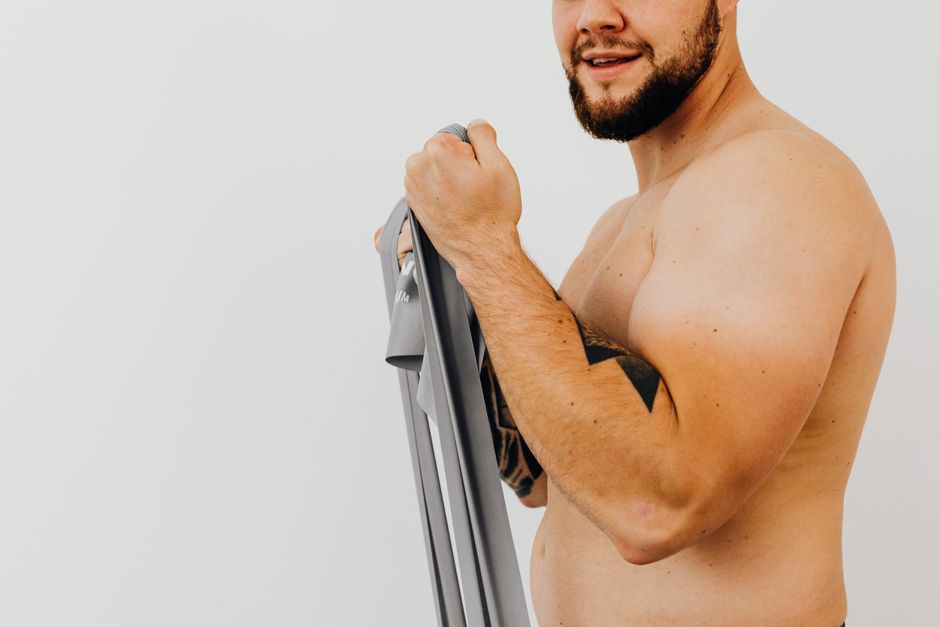
Bodyweight training is often dismissed once someone has access to weights, but that undersells its potential. Push-up variations, Bulgarian split squats, single-leg Romanian deadlifts, pike presses, and archer rows challenge muscle groups at high levels when executed with good mechanics and progressive difficulty.
The challenge is that progressive overload requires creativity. Moving from a standard push-up to an archer push-up to a ring push-up is a progression, but it demands intentional planning. Without that structure, bodyweight training tends to plateau at a maintenance level rather than building new muscle.
For lower body work specifically, Home Leg Strength Without Equipment: Progressive Bodyweight Drills That Build Power for Stairs, Walking, and Daily Life shows how to layer difficulty without any equipment at all.
Bodyweight also pairs well with recovery-focused training. Intuitive Strength Training at Home: Why Progressive Bodyweight Beats Generic Workout Plans makes the case for listening to your body and adjusting based on daily readiness rather than following a rigid script.

Matching the Tool to Your Real Constraints
| Constraint | Best Option |
|---|---|
| Under $50 budget | Resistance bands |
| Small apartment (under 200 sq ft) | Bands or bodyweight |
| Joint pain or injury history | Bands (consult a professional) |
| Clear strength goal with tracking | Adjustable dumbbells |
| No equipment and no budget | Bodyweight |
| Traveling frequently | Bands |
| Want to combine tools | Bands plus bodyweight |
Recovery capacity matters too. Heavier dumbbell work taxes the nervous system more than bands or bodyweight. If you are sleeping poorly, under high stress, or early in a new routine, lower-stimulus tools give you a better chance of staying consistent without running yourself down. What you eat around your sessions also shapes how well your muscles repair. Strength Training Recovery Meals: Why Protein Timing and Carb Type Shape Muscle Repair Better Than Supplements covers the nutrition side of that equation.
The Honest Verdict
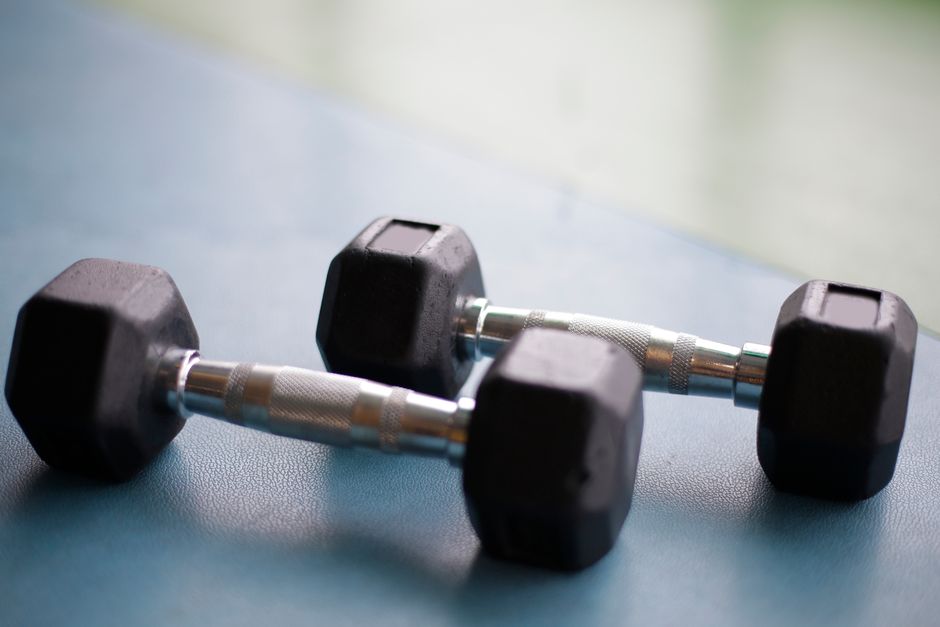
For most people starting home-based muscle building, resistance bands are the lowest-friction entry point. They are affordable, easy to store, and capable of producing real results when you progress them deliberately. As your budget and commitment grow, adjustable dumbbells add the precision and load range needed for sustained hypertrophy. Bodyweight is not a consolation prize. It is a legitimate foundation for strength, especially in lower body work and when you need a lower-recovery-cost session.
The best tool is the one you actually use three or four times a week, with intention and progression. Pick one, start this week, and build from there.
This article is for general educational and informational purposes only and is not a substitute for medical advice, diagnosis, or treatment. Health needs vary by individual. Consult a qualified healthcare professional before making significant changes to your diet, exercise routine, supplements, medication, or treatment plan, especially if you have a medical condition, are pregnant or breastfeeding, take medication, or have concerns about your symptoms.
Sources
- Lopes, J. S. S., et al. (2019). Effects of training with elastic resistance versus conventional resistance on muscular strength: A systematic review and meta-analysis. SAGE Open Medicine. Published by SAGE Journals.
- Calatayud, J., et al. (2015). Muscle activation during push-ups with different suspension training systems. Journal of Human Kinetics. Published by Sciendo.
- Schoenfeld, B. J. (2010). The mechanisms of muscle hypertrophy and their application to resistance training. Journal of Strength and Conditioning Research. Published by the National Strength and Conditioning Association.
- American College of Sports Medicine Position Stand on Resistance Training (ACSM). Available at acsm.org.