
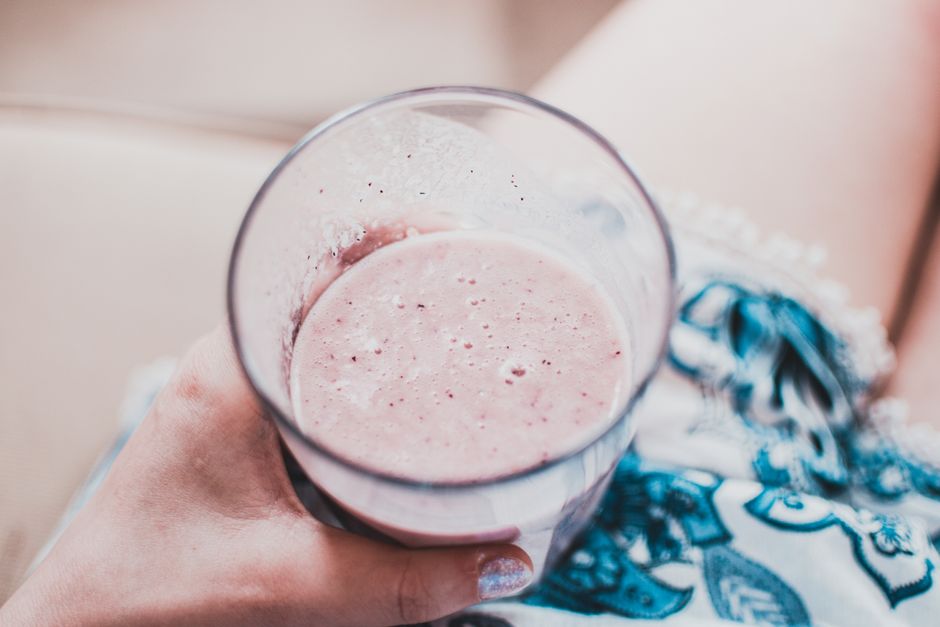
You did everything right. You added Greek yogurt, a scoop of protein powder, a handful of spinach, and a cup of frozen berries. You blended it smooth, drank it in five minutes, and by 10:30 a.m. your stomach was already asking questions.
This is one of the most common smoothie frustrations, and the fix is not usually adding more protein powder. Research suggests that how you structure a smoothie, including texture, liquid ratio, ingredient order during blending, and even how fast you drink it, plays a meaningful role in smoothie satiety and hunger fullness signals. Here is what the evidence shows, and what actually works.
Why Smoothies Can Underdeliver on Satiety
Blended food processes faster in your digestive system than whole food. A 2013 study published in Food Quality and Preference found that blending reduces particle size, which can accelerate gastric emptying compared to eating the same ingredients intact. Faster emptying means your stomach sends fullness signals earlier, but those signals also fade faster.
The result: you feel full immediately after drinking, but that feeling evaporates before lunch.
Three structural factors drive this:
- Liquid-to-solid ratio: A very liquid smoothie clears the stomach faster than a thicker one.
- Fiber form: Soluble fiber from whole fruit or flaxseed slows digestion; heavily blended fiber is still present but may behave differently than chewing whole food.
- Protein timing within the blend: Where protein sits in the overall macronutrient balance matters, but so does whether it is combined with fat and fiber or floating in a mostly sugary-fruit base.
For a deeper look at why the same ingredients in different formats produce different hunger outcomes, Five Unexpected Reasons Your Smoothie Leaves You Hungry an Hour Later: Ingredient Order, Timing, and Satiety Fixes covers the mechanics in detail.
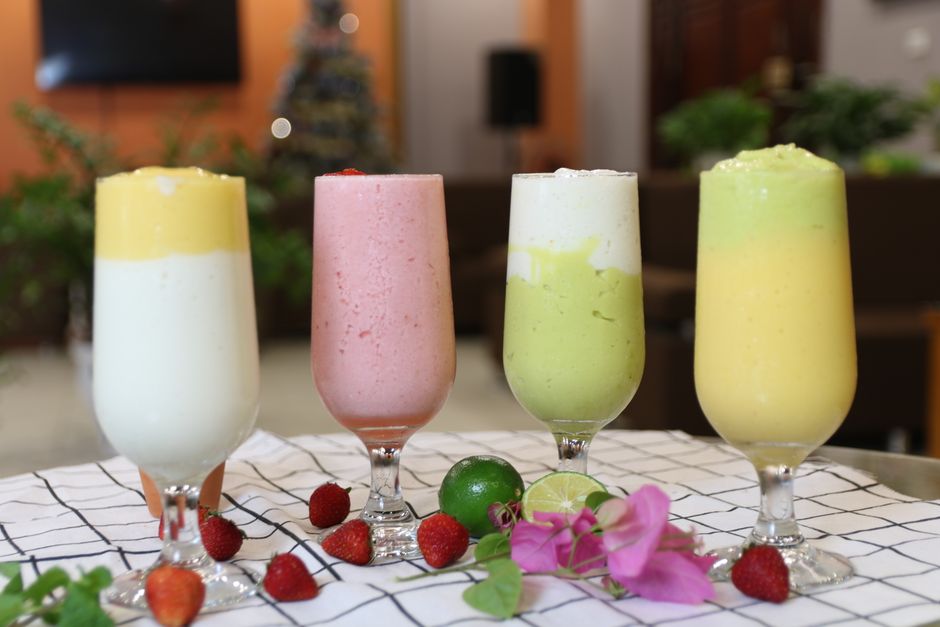
Side-by-Side: Two Recipes, One Satiety Gap
Comparing two real-world smoothie builds reveals exactly where the gap appears.
Recipe A: The Thin Berry Blend
- 1.5 cups almond milk
- 1 cup frozen mixed berries
- 1 scoop vanilla protein powder
- 1 tablespoon honey
Approximate macros: 35g carbohydrate (mostly sugars), 25g protein, 2g fat, 3g fiber.
Recipe B: The Thick-and-Layered Blend
- 0.75 cup unsweetened almond milk
- 0.5 cup plain full-fat Greek yogurt
- 1 cup frozen berries
- 1 tablespoon almond butter
- 1 tablespoon ground flaxseed
- 0.5 cup frozen cauliflower or zucchini
Approximate macros: 28g carbohydrate, 22g protein, 12g fat, 6g fiber.
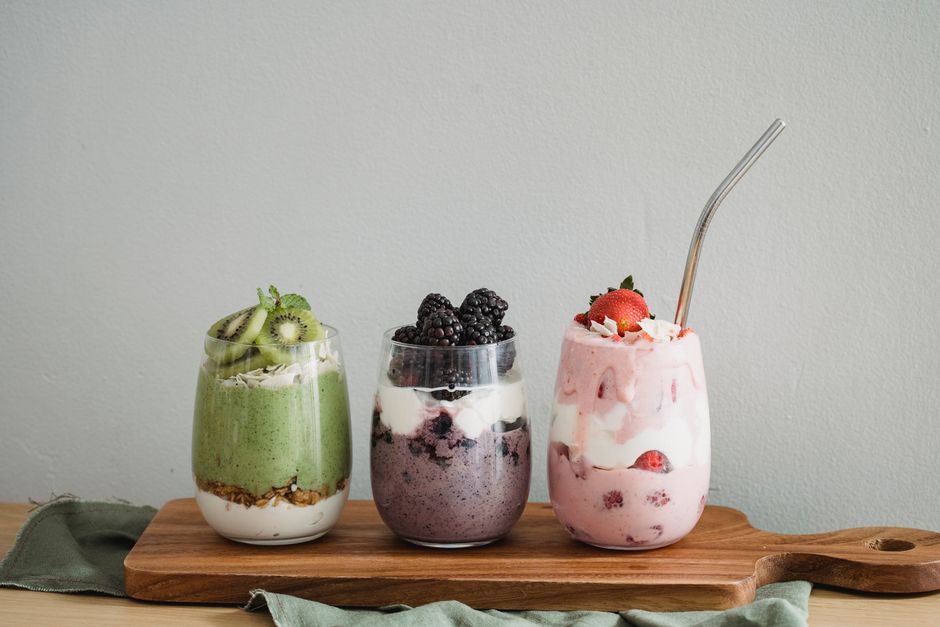
Recipe A is not bad, but it is mostly liquid with minimal fat and fiber. Recipe B uses half the liquid, adds fat from almond butter, and incorporates flaxseed for soluble fiber plus a frozen vegetable to bulk thickness without spiking sugar. The thicker texture also slows drinking speed naturally, which gives your gut hormones more time to register satiety.
Research from the American Journal of Clinical Nutrition suggests that higher viscosity beverages activate slower gastric emptying and stronger satiety hormone responses, including peptide YY and GLP-1, compared to thin liquids with identical calorie counts.
The Ingredient Order That Changes Everything
Blending order affects texture more than most people realize. When you add liquid first and protein powder or fibrous ingredients last, the blend stays thinner. A better sequence for smoothie satiety:
- Add frozen vegetables or ice to the blender first. This creates the structural base.
- Layer in fibrous ingredients: flaxseed, chia seeds, oats.
- Add protein sources: Greek yogurt, protein powder, cottage cheese.
- Add fruit next.
- Pour liquid last, adding only enough to blend, not to thin out the texture.
This sequence keeps the blend thick and requires slightly more chewing effort if eaten with a spoon, which research from Physiology and Behavior associates with stronger satiety responses.
If you prefer drinking over eating with a spoon, keeping the liquid below 0.75 cup still makes a noticeable difference. For a related format that takes this concept further, Smoothie Bowl Staying Power: Why Layering Order Changes Satiety and How to Build One That Lasts Until Lunch gives a complete guide.
Timing: When You Drink Matters as Much as What You Drink
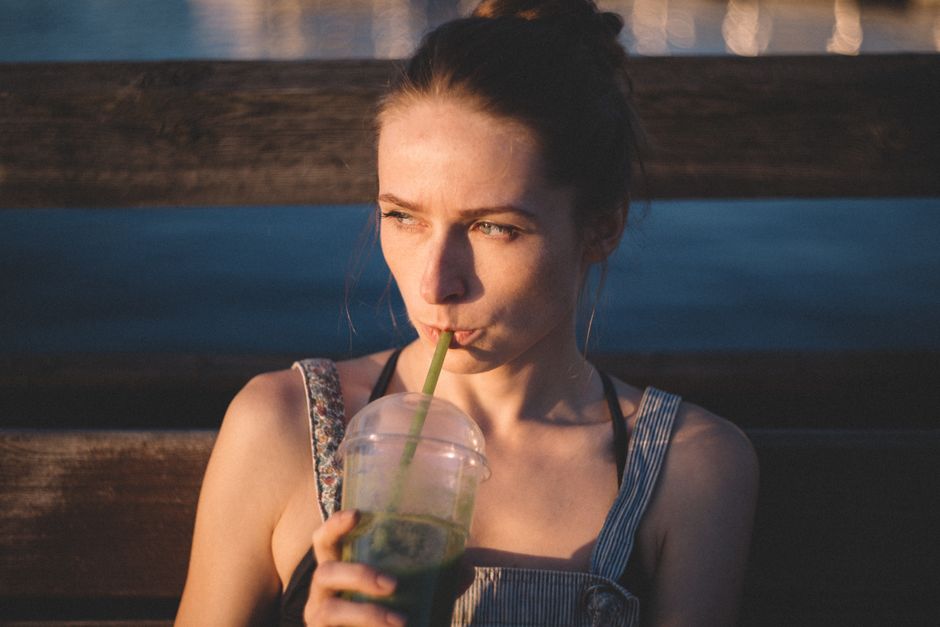
Drinking a smoothie too quickly bypasses the oral processing phase that helps trigger early satiety signals. A 2011 review in Appetite noted that slower eating speeds are consistently linked to greater fullness ratings, even when calorie intake stays the same.
Practical timing suggestions:
- Take at least 10 to 15 minutes to finish your smoothie rather than draining it in under five.
- Drink it around 7 to 8 a.m. if you need to last until noon. A smoothie consumed before 7 a.m. may not bridge a five-hour gap reliably, especially on high-activity mornings.
- Pair it with something to chew, even a small handful of nuts or half a slice of whole-grain toast. Research suggests the act of chewing sends independent satiety signals that liquid meals skip entirely.
If your smoothie regularly leaves you reaching for a snack before 11 a.m., Five Unexpected Reasons Your Breakfast Leaves You Hungry by 9am (And What Actually Fixes It) offers complementary breakfast-level fixes.
Practical Modifications for Common Situations
If you are in a rush and blend thin: Stir in one tablespoon of chia seeds after blending and wait three minutes before drinking. Chia absorbs liquid rapidly and thickens the texture without re-blending.
If protein powder is your main protein: Pair it with half an avocado or two tablespoons of nut butter to add fat, which slows absorption and extends the fullness window.
If you are managing body composition goals: A thick smoothie with 25 to 30 grams of protein, 8 to 12 grams of fat, and at least 5 grams of fiber tends to support a sustained calorie deficit without triggering strong mid-morning hunger. You do not need to track obsessively; building those elements into the recipe handles it naturally.
For the afternoon side of this equation, Building a Balanced Lunch That Survives Afternoon Slumps: Protein, Carbs, and Timing That Actually Keep You Alert picks up where your smoothie leaves off.
The Bottom Line
Smoothing satiety, hunger, and fullness are not just about protein grams. Texture, liquid volume, ingredient sequence, and drinking pace all shape how long your blend keeps you satisfied. A thicker smoothie consumed slowly with fat and fiber built in outperforms a thin, high-protein shake almost every time.
Choose one change from this article, whether it is cutting your liquid by a quarter cup, adding a tablespoon of flaxseed, or simply taking 12 minutes instead of three to finish your smoothie. Consistency with small shifts tends to produce more lasting results than overhauling your entire routine at once.
If you want to explore more practical nutrition strategies, the Clean Body Mentor newsletter delivers evidence-informed guidance each week with the same no-pressure approach.
This article is for general educational and informational purposes only and is not a substitute for medical advice, diagnosis, or treatment. Health needs vary by individual. Consult a qualified healthcare professional before making significant changes to your diet, exercise routine, supplements, medication, or treatment plan, especially if you have a medical condition, are pregnant or breastfeeding, take medication, or have concerns about your symptoms.
Sources
- Bolhuis, D.P., et al. (2013). “Texture and satiation.” Food Quality and Preference. Cited for gastric emptying and blending particle size.
- Zhu, Y., et al. (2014). “Viscosity and satiety hormones.” American Journal of Clinical Nutrition. Cited for viscosity effects on GLP-1 and PYY.
- Cassady, B.A., et al. (2009). “Beverage viscosity and appetite.” Physiology and Behavior. Cited for texture and satiety response.
- Andrade, A.M., et al. (2011). “Eating rate and satiety.” Appetite. Cited for slower eating and fullness ratings.