
You eat a reasonable lunch and still hit a wall around 2pm. Your focus blurs, your motivation dips, and you start eyeing the coffee machine or the snack drawer. The frustrating part is that you feel like you did everything right.
The truth is, afternoon energy crashes often have less to do with eating too much or too little and more to do with how your meal was put together and in what order you consumed it. Building a balanced lunch for energy is less about counting calories and more about understanding how your body responds to protein, carbohydrates, fat, and timing across the midday window.
Here is a practical breakdown of what research suggests, what meal combinations actually work, and one structural shift you can start today.
Why Lunch Sends You to Sleep Instead of Sustaining You
Blood glucose is part of the story. When a meal is heavy in refined carbohydrates and light in protein or fat, blood sugar can rise quickly and then drop, taking your energy and concentration with it. Research published in journals covering postprandial metabolism consistently shows that meals with a higher glycemic load produce more pronounced afternoon dips in alertness compared to mixed meals with fiber and protein (research overview available from the National Institutes of Health’s National Library of Medicine, PubMed).
But glucose alone does not explain everything. Meal size, eating pace, hydration status, and even the order in which you eat food groups all influence how you feel an hour after finishing. A large meal also signals increased blood flow to the digestive system, which can reduce the mental sharpness available for cognitive work.
The goal of a balanced lunch for energy is not a tiny salad. It is a meal designed to keep blood sugar stable, satiety signals steady, and digestion manageable so your brain gets a sustained fuel supply rather than a spike and crash.

The Three-Part Formula That Actually Works
1. Lead With Protein and Vegetables, Then Add Carbs
Eating order matters more than most people realize. A study published in Diabetes Care (2015, Weickert and Pfeiffer) and subsequent research from Weill Cornell Medicine found that eating protein and vegetables before carbohydrates at the same meal produced significantly lower post-meal blood glucose compared to eating carbohydrates first, even when the total food intake was identical.
In practical terms: start your lunch with whatever has protein in it. Chicken, eggs, legumes, tofu, Greek yogurt, canned salmon. Add vegetables or a side salad. Then eat your grain, bread, rice, or wrap last. You do not need to separate them by more than a few minutes. Just consciously begin with protein.
This approach also pairs naturally with the guidance in Why Your Stomach Feels Heavy After Lunch and How Eating Order Actually Fixes It, which explores why sequencing your foods affects digestion comfort as well as energy.
2. Choose Whole-Grain Carbs, and Do Not Skip Them
Skipping carbohydrates at lunch in an attempt to avoid the slump often backfires. Carbohydrates support serotonin production and provide glucose that the brain genuinely depends on. The issue is carbohydrate quality, not carbohydrate presence.
Whole-grain options (brown rice, quinoa, whole wheat bread, oats, barley) digest more slowly and deliver a steadier glucose release compared to white rice, white bread, or refined pasta. This is explained in depth in Lunch Carbs and Afternoon Clarity: Why Refined vs. Whole-Grain Timing Changes Your 2pm Focus.
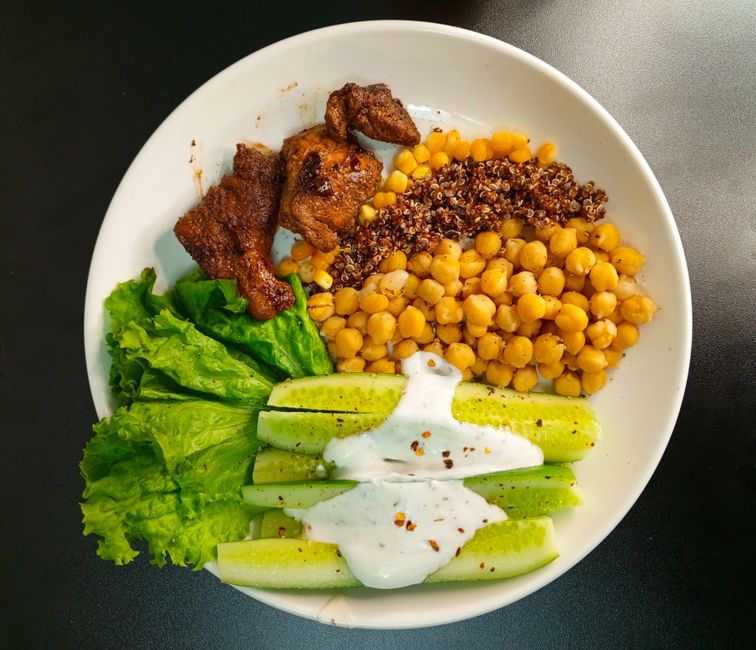
A useful portion guideline: roughly a quarter of your plate in whole grains, a quarter in a quality protein source, and half in vegetables or fiber-rich foods. This rough structure supports stable energy without leaving you overly full.
3. Include Fat, But Keep It Moderate at Midday
Healthy fat (from avocado, olive oil, nuts, seeds, or fatty fish) slows gastric emptying, which smooths out the blood sugar curve and extends satiety. However, very high-fat lunches can intensify post-meal sluggishness for some people, particularly when fat intake is substantial and physical activity is low afterward.
A moderate amount works well. Think a quarter of an avocado on a grain bowl, a drizzle of olive oil on roasted vegetables, or a small handful of walnuts with your meal. Fat supports focus; a heavy dose of it at midday can compete with it.

Real Lunch Combinations That Hold You Until Dinner
These are not recipes with exact measurements. They are structured combinations built around the formula above.
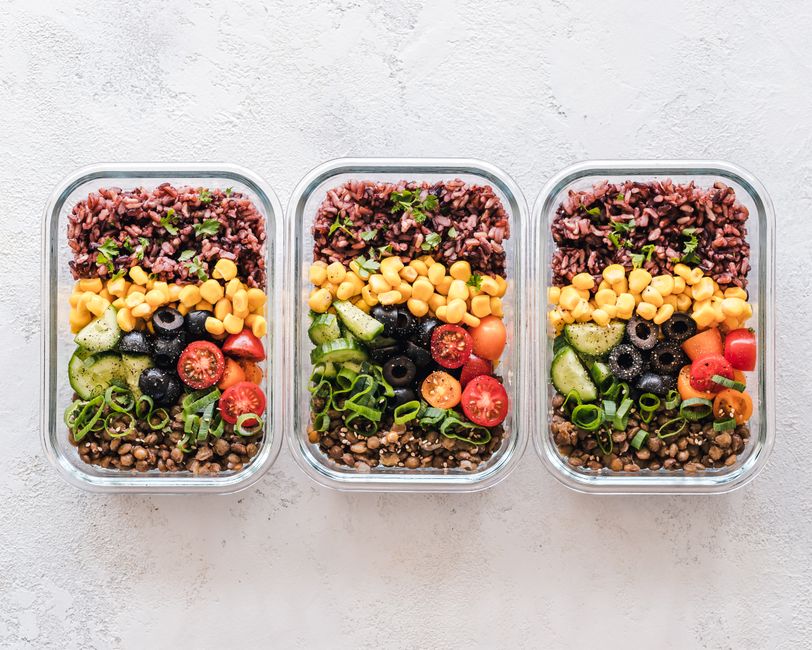
- Grain bowl: Quinoa base, grilled chicken or chickpeas, roasted broccoli and peppers, tahini drizzle. Eat the chicken and vegetables first, then the quinoa.
- Wrap done right: Whole wheat tortilla, sliced turkey or hummus, spinach, cucumber, shredded carrots. Eat the filling before rolling the last bite of tortilla.
- Leftover lunch plate: Last night’s lentil soup or stir-fry over brown rice. Eat the protein-vegetable portion first.
- Simple desk lunch: Canned salmon or hard-boiled eggs, raw vegetables, a small portion of whole grain crackers, and a piece of fruit eaten last.
For a deeper look at building complete midday meals, Building a High-Protein Lunch for Stable Afternoon Energy: Macros, Meal Combos, and Real-Life Examples walks through the macro math in plain language.
The Timing Layer: When You Eat Matters Too
Eating lunch very late (after 2pm) has been associated with disrupted afternoon alertness and hunger regulation in circadian rhythm research. If your schedule allows, aiming for a midday meal between 12pm and 1:30pm tends to align better with natural cortisol rhythms that support alertness in the early afternoon.
Also worth noting: dehydration and post-lunch fatigue often overlap. Even mild dehydration can impair concentration and mood. A glass of water before or with your meal, rather than immediately after, may support digestion and mental clarity. The guide on Building a Hydration Routine That Fits Your Life: Individual Water Needs and Practical Timing Without Rules covers this in practical detail.
If you work through lunch or eat very quickly, the speed itself can be a factor. Eating at a pace that allows fullness signals to register (roughly 15 to 20 minutes) prevents both overeating and the food coma that follows a rushed, oversized meal.

When Lunch Alone Is Not Enough
Some people genuinely need a small bridge snack in the mid-afternoon, especially if their lunch window is early or their workload is physically or mentally demanding. This is not a failure of lunch planning. It is a normal variation in individual energy needs.
If you find yourself consistently hungry or foggy by 3pm despite a solid lunch, a protein-forward snack (cottage cheese, a boiled egg, edamame, or a small portion of nuts) can stabilize the gap. High-Protein Snacks That Actually Keep You Full: Plant-Based and Omnivore Options for Sustainable Afternoon Energy offers a practical rotation you can work with.
One Change Worth Starting This Week
You do not need to overhaul your lunch habits all at once. Choose one shift: eat your protein before your carbs at tomorrow’s lunch. Notice how you feel at 3pm compared to your usual pattern. Small, consistent changes build more durable habits than dramatic overhauls.
For broader guidance on pairing foods for sustained focus, the Clean Body Mentor newsletter delivers practical weekly guidance on nutrition, movement, and everyday wellness habits worth building.
This article is for general educational and informational purposes only and is not a substitute for medical advice, diagnosis, or treatment. Health needs vary by individual. Consult a qualified healthcare professional before making significant changes to your diet, exercise routine, supplements, medication, or treatment plan, especially if you have a medical condition, are pregnant or breastfeeding, take medication, or have concerns about your symptoms.
Sources
- Shukla AP, Iliescu RG, Thomas CE, Aronne LJ. “Food Order Has a Significant Impact on Postprandial Glucose and Insulin Levels.” Diabetes Care, 2015. Available via PubMed, National Library of Medicine.
- National Library of Medicine (PubMed): postprandial glycemic response and cognitive performance research summaries.
- USDA MyPlate guidance on balanced meal proportions: myplate.gov
- Weickert MO, Pfeiffer AF. “Metabolic effects of dietary fiber consumption and prevention of diabetes.” Journal of Nutrition, referenced via National Library of Medicine.