

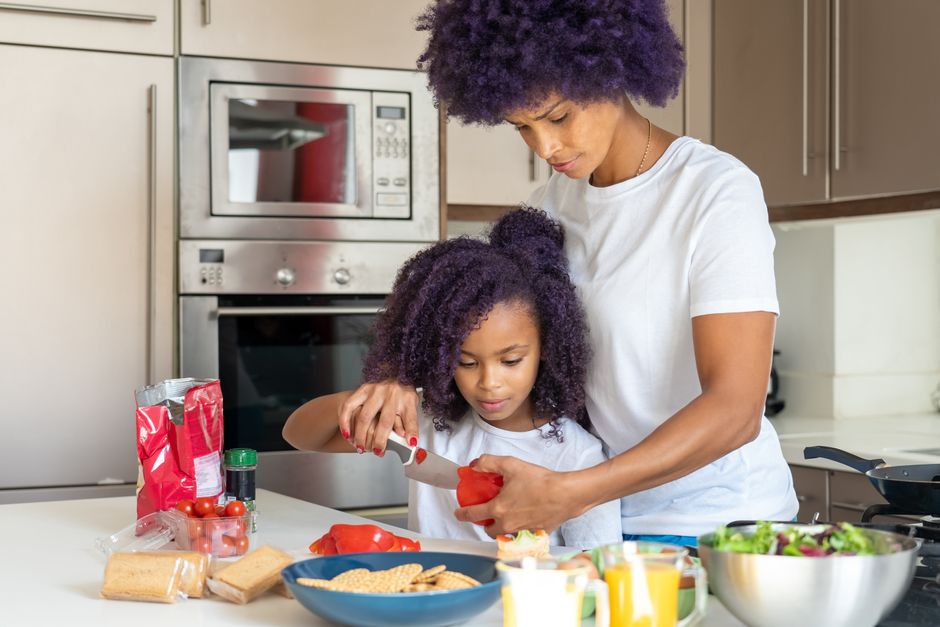
If you have ever sat at the dinner table watching your child push broccoli to the edge of the plate, you already know that “just one more bite” rarely ends well. The standoff is stressful for everyone, and research suggests it may actually make things worse.
A growing body of evidence, including studies reviewed by the journal Appetite, finds that pressure-based feeding tactics, reward systems (“eat your peas and you can have dessert”), and sneaking vegetables into food can undermine a child’s ability to recognize their own hunger and satiety signals. The goal of teaching kids to eat vegetables is not a single clean plate. It is a slow accumulation of comfort, familiarity, and genuine interest.
This article follows four composite families through a three-month progressive approach grounded in the Division of Responsibility (sDOR) framework developed by dietitian Ellyn Satter, whose work on child feeding is cited by pediatric nutrition researchers and organizations such as the Academy of Nutrition and Dietetics.
Why Common Tactics Often Backfire
Before the plan, it helps to understand what the evidence says is working against you when you hide spinach in a brownie or offer a sticker for finishing a salad.
Hiding vegetables sidesteps the exposure children need to actually learn to like a food. Research from the University of Leeds published in Pediatric Obesity found that repeated neutral exposure, seeing, smelling, and touching a food without pressure, was more effective than concealment at building long-term acceptance.
Reward systems attach a transactional meaning to eating that can backfire: the vegetable becomes the undesirable obstacle and the reward becomes the only desirable outcome. The child learns to distrust both their appetite and the food.
“One more bite” pressure activates a stress response at the table that children associate with the food itself. Over time the food becomes something to dread, not enjoy.
The families in this plan tried to drop all three before month one.
The Four Families: Starting Points
- Family A (parents Dani and Rob, two children ages 4 and 7): Only corn and raw carrots accepted. Every other vegetable refused entirely.
- Family B (single parent Marisol, one child age 6): Strong gag response to cooked textures; ate only raw cucumber strips.
- Family C (parents Yusuf and Priya, three children ages 5, 9, and 11): Older child ate most vegetables; younger two refused anything green.
- Family D (grandparent-led household, child age 8): History of several years of pressure-based mealtimes; strong food anxiety at the table.
All four started from the same instruction: stop commenting on whether vegetables are eaten. Serve them alongside preferred foods without ceremony.
Month One: Familiarity Without Stakes
The only job in month one is repeated, low-pressure exposure. No encouragement to eat. No praise for tasting. No disappointment if the food is ignored.
Practical steps each family used:
- Serve small portions of one new vegetable alongside familiar favorites at least three to four evenings per week. Research from the European Food Information Council suggests it can take 10 to 15 exposures before a child shows genuine acceptance of an unfamiliar food.
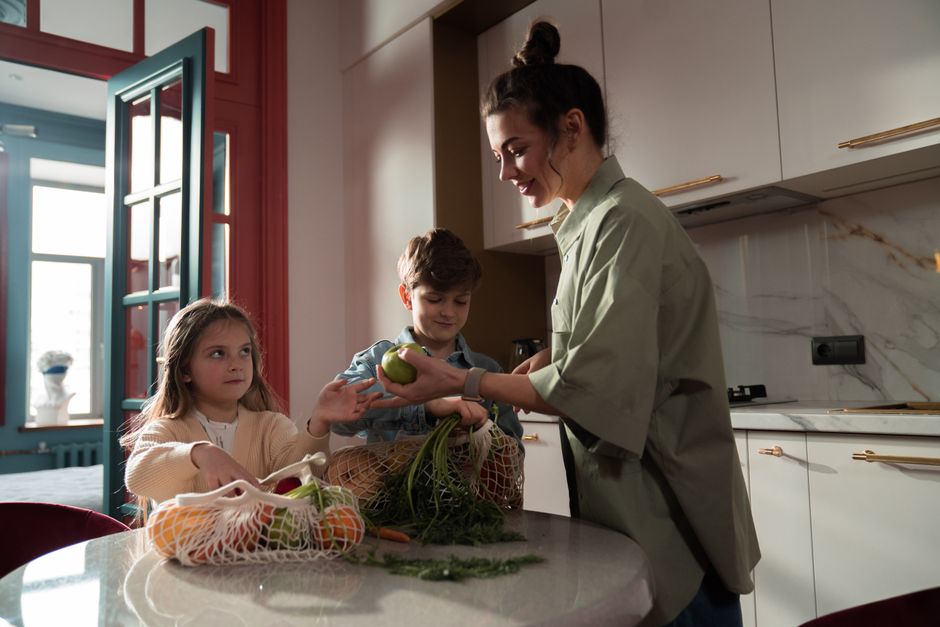
- Involve kids in selection. Families visited a produce section and let children pick one vegetable to bring home, with no promise of tasting it.
- Normalize vegetables at the table by eating them yourself without making a performance of it. Children are attentive observers.
At the end of month one, Family A’s younger child began touching carrots she had never touched before. Family D’s child stopped flinching when a salad appeared on the table. These are real wins even though nothing was eaten.
For ideas on building meals that work alongside this approach, Five Family Meals That Invite Kids to Eat Real Food Without Praise or Pressure offers practical dinner combinations that support the same philosophy.
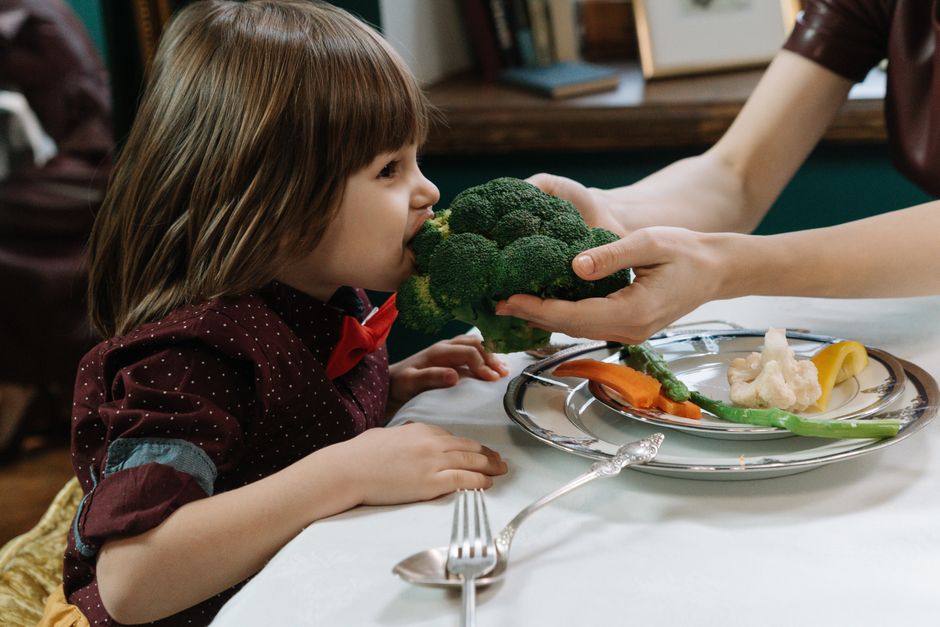
Month Two: Adding Choice and Simple Preparation
With reduced table anxiety in place, month two introduces gentle agency. Children who feel some control over food choices are more likely to try new foods, a pattern supported by self-determination theory in nutrition education contexts.
- Offer two versions of the same vegetable: raw versus roasted, with dip versus plain. Let the child choose one, both, or neither.
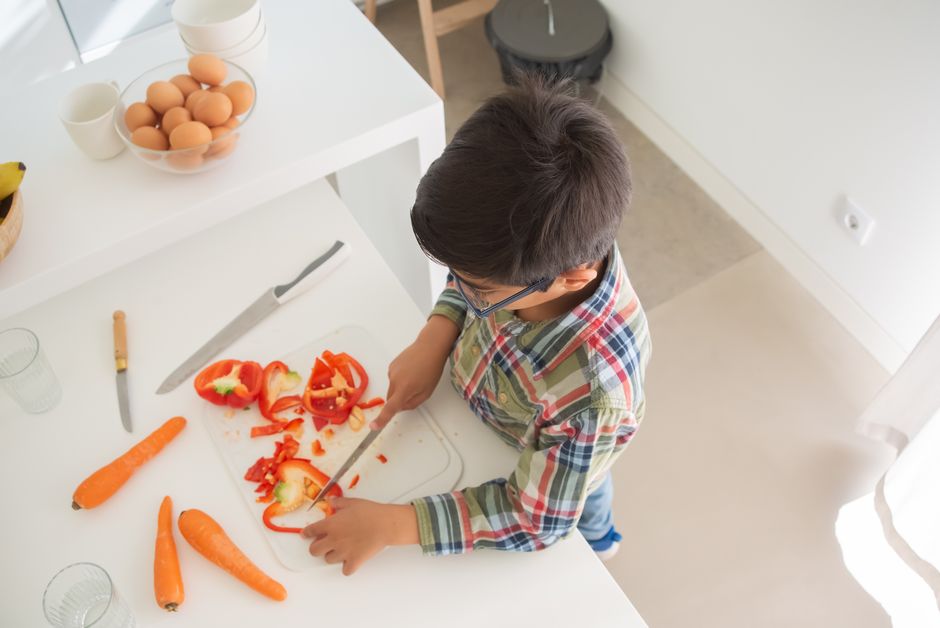
- Bring kids into prep. Even a five-year-old can wash cherry tomatoes, tear lettuce, or stir a dressing. Ownership of preparation increases curiosity.
- Name textures and colors descriptively rather than evaluatively. “This one is crunchy” lands differently than “this one is good for you.”
Family C’s nine-year-old began eating roasted red peppers after cutting them himself. Family B’s child tried a roasted zucchini strip because the texture differed from the cooked versions she had refused before.
This is also a good time to talk about where vegetables come from. Seasonal Produce Nutrition: Why Winter Root Vegetables and Spring Greens Deliver Different Nutrients and Cost Less can give you context to share age-appropriately with curious older kids.
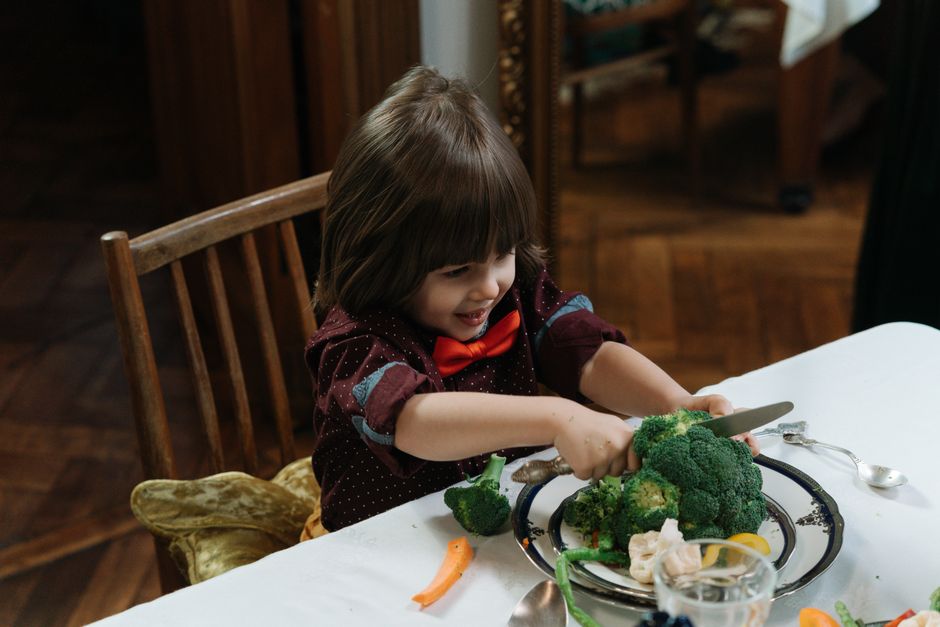
Month Three: Building Real Enjoyment
By month three, the families shifted from exposure to genuine mealtime participation. The vegetable was no longer a stranger at the table.
- Let children serve themselves. Even a small, self-chosen portion matters because it places control with the child.
- Introduce variety within accepted vegetables. If cucumber strips were accepted, try Persian cucumbers, sliced lengthwise, or cucumber rounds with hummus.
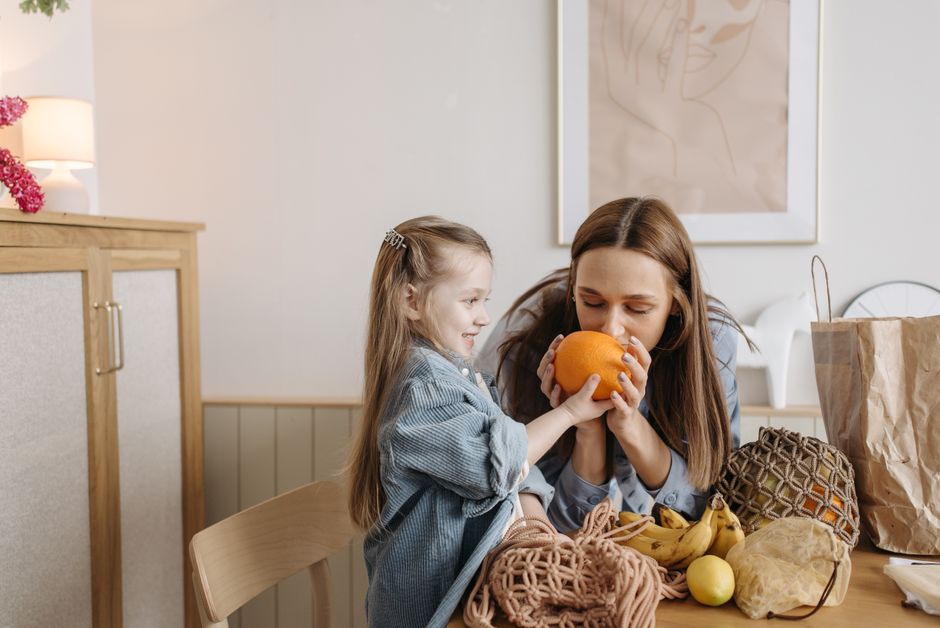
- Celebrate curiosity, not compliance. If a child smells something new or asks what it is, acknowledge that interest without pivoting to pressure.
Family A’s seven-year-old began voluntarily eating sliced cucumber and bell pepper strips. Family D’s child, after two months of zero pressure at the table, tried roasted sweet potato without being asked. Family B’s child still had strong texture sensitivities, but her comfort at the table had visibly changed, and she accepted raw vegetables in three new forms.
None of these outcomes came from a sticker chart.
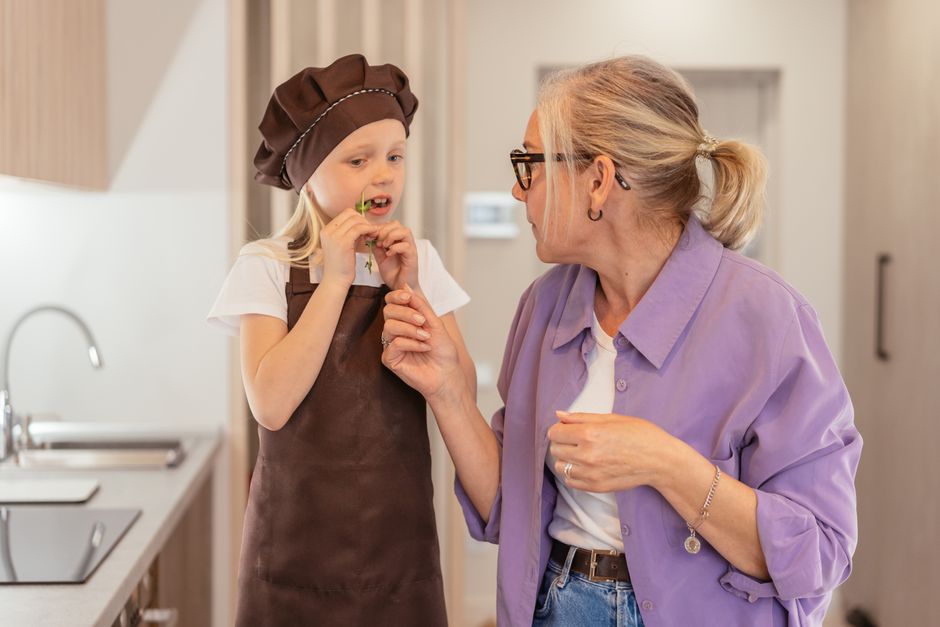
What These Families Learned
The three-month pattern these families followed mirrors what pediatric feeding specialists describe as responsive feeding: the adult decides what is offered and when; the child decides whether and how much to eat. This division of responsibility reduces mealtime conflict and, over time, tends to expand what children are willing to try.
It is worth acknowledging that some children have genuine sensory processing differences or feeding difficulties that go beyond typical picky eating. If a child has significant food anxiety, a limited diet affecting growth, or physical discomfort during eating, a registered dietitian or pediatric feeding therapist is the right next step, not another exposure plan.
For adults curious about applying similar principles to their own eating habits, Mindful Eating Without the Rules: How to Eat With Awareness and Enjoyment Instead of Restriction explores the same idea of building a calm, non-pressured relationship with food.

One Place to Start This Week
Choose one vegetable your child has seen before but consistently refuses. Serve a small portion alongside a favorite food at dinner this week without comment. Do not ask them to try it. Do not praise them if they do. Just let it be there.
Repeat it three or four more times over the next two weeks. That quiet, patient repetition is the first real step in teaching kids to eat vegetables in a way that lasts.
For more practical family wellness guidance, consider joining the Clean Body Mentor newsletter for weekly evidence-informed ideas you can use in real life.
This article is for general educational and informational purposes only and is not a substitute for medical advice, diagnosis, or treatment. Health needs vary by individual. Consult a qualified healthcare professional before making significant changes to your diet, exercise routine, supplements, medication, or treatment plan, especially if you have a medical condition, are pregnant or breastfeeding, take medication, or have concerns about your symptoms.
Sources
- Satter, E. (2000). Child of Mine: Feeding with Love and Good Sense. Bull Publishing. (Ellyn Satter’s Division of Responsibility in Feeding framework is referenced by the Academy of Nutrition and Dietetics.)
- Fildes, A., et al. (2014). “Nature and nurture in children’s food preferences.” American Journal of Clinical Nutrition. (Repeated exposure research context.)
- Cooke, L., et al. University of Leeds research on vegetable exposure published in Pediatric Obesity, referenced via the European Food Information Council’s review of food neophobia in children.
- Birch, L.L., & Fisher, J.O. (1998). Development of eating behaviors among children and adolescents. Pediatrics, 101(3 Pt 2), 539-549.
- European Food Information Council (EUFIC): “Why do children need repeated exposure to new foods?” (eufic.org, referenced without a fabricated URL.)