
You ate a reasonable lunch. Nothing unusual. But by 2pm your stomach feels tight, your waistband uncomfortable, and your energy lower than it should be. The instinct is to blame the meal, scan your memory for the culprit food, and start planning a food swap for tomorrow.
Before you cut anything, consider this: research published in the American Journal of Gastroenterology and summarized by the National Institute of Diabetes and Digestive and Kidney Diseases (NIDDK) shows that the nervous system plays a central role in how your gut moves food along. When you spend the afternoon hunched over a desk, breathing shallowly, and barely moving, your digestive transit slows, gas accumulates, and bloating follows. The food often gets blamed for conditions the body created.
This tutorial walks through why digestive bloating posture and breath timing matter so much after meals, and gives you a concrete 3-minute desk routine you can use today.

Why Shallow Breathing Traps Gas
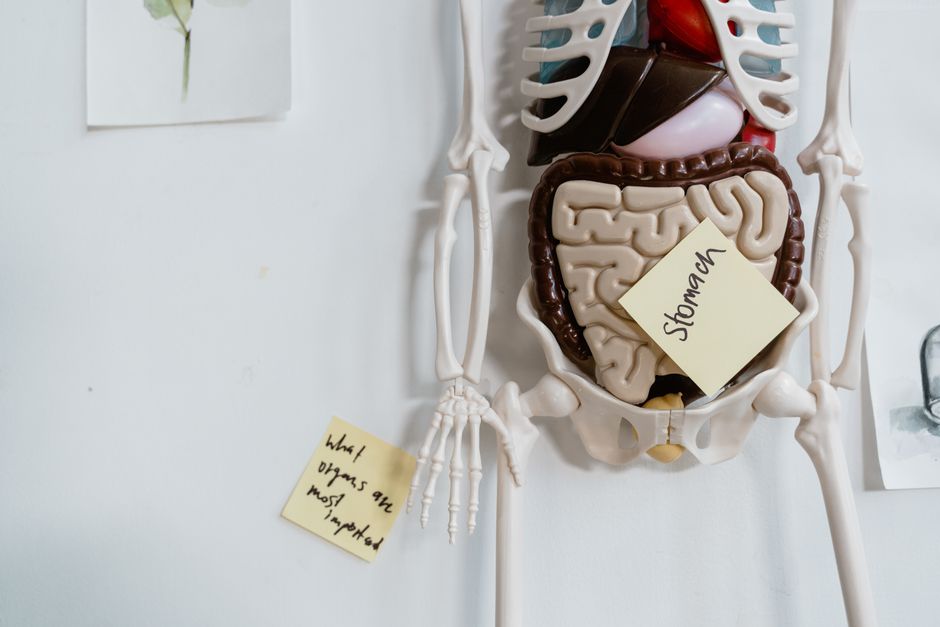
Your diaphragm does more than control breathing. Every time it contracts fully, it gently massages the organs of your upper abdomen, including the stomach and the top of the large intestine. Shallow chest breathing, the kind most desk workers default to after a big task loads up on screen, keeps the diaphragm from moving through its full range.
The result: reduced mechanical pressure on your gut, slower peristalsis (the wave-like muscle contractions that push food through), and a greenhouse effect for trapped gas. A 2019 systematic review in Neurogastroenterology and Motility noted that diaphragmatic breathing exercises can reduce bloating symptoms and improve overall quality of life in people with functional GI complaints. The mechanism is partly mechanical and partly through the vagus nerve, which links the brain to the gut and responds to slow, deep exhalations by shifting the body toward a rest-and-digest state.
If you want to understand how breathwork connects to morning energy and digestion more broadly, Why Your Morning Breath Affects Your Entire Day: Breathwork Timing for Energy and Digestion covers the full picture.
The Posture Problem Nobody Talks About
Forward slouch compresses your abdomen. When your lower ribs cave toward your hip bones, your stomach and intestines have less room to work efficiently. This physical compression slows gastric emptying, meaning food and gas sit longer in the upper digestive tract than they should.
A small but instructive study in the Journal of Neurogastroenterology and Motility found that body position after eating meaningfully affects gastric emptying rates. Upright posture and brief post-meal walking consistently outperformed seated slouching.
Good digestive bloating posture after a meal is not about sitting rigidly. It simply means:
- Hips stacked roughly over your knees, not sliding forward
- Lower back gently supported without an exaggerated arch
- Shoulders relaxed and open rather than rounded inward
- Chin level, not pushed forward toward the screen
This positioning keeps the abdomen uncompressed and gives the diaphragm room to move through a full breath cycle.
For a deeper look at how sitting position shapes your gut function throughout the day, Digestive Comfort Through Breathing and Posture: Why How You Sit Matters More Than What You Eat is worth reading alongside this guide.
Eating Pace Adds to the Problem
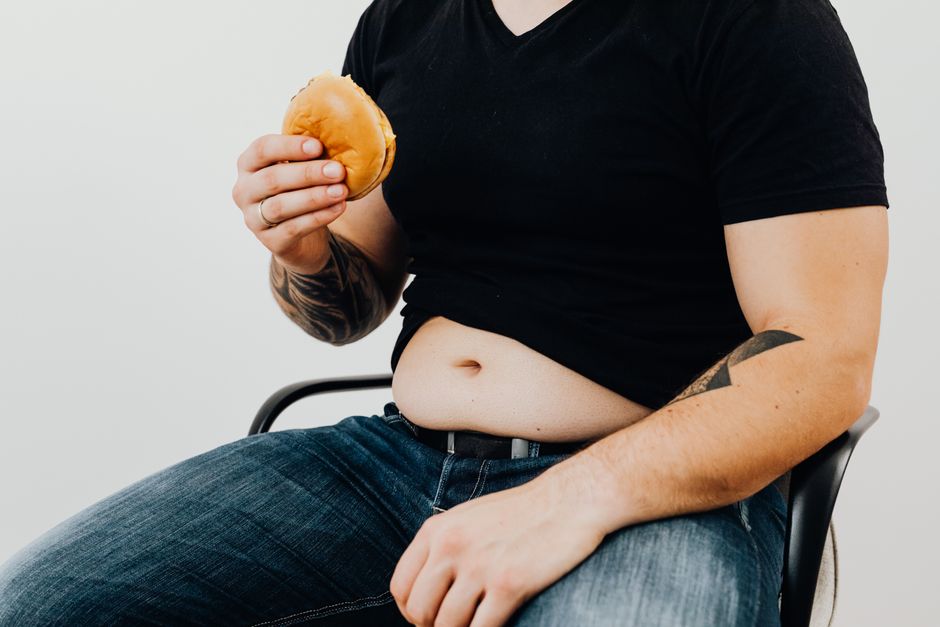
Before the desk-based afternoon bloating even starts, the meal itself may have introduced extra air. Eating quickly, talking while chewing, and washing food down with large gulps of liquid all increase the amount of air swallowed, a condition called aerophagia. That air has to go somewhere, and in the afternoon, when movement is minimal, it stays put.
Slowing your eating pace by even five minutes and taking deliberate pauses between bites can meaningfully reduce air intake. Digestive Bloating From Rushed Meals: Why Chewing Speed and Pause Breaks Matter More Than Food Swaps explains this mechanism clearly and is a natural companion to the posture-focused approach here.
The 3-Minute Desk Routine for Afternoon Bloating
Use this sequence within 20 to 30 minutes of finishing a meal, or whenever afternoon bloating peaks. You do not need to leave your desk, though standing up improves results.
Step 1: Diaphragmatic Reset (60 seconds)
Sit or stand with a tall, open posture. Place one hand on your lower ribcage. Inhale through your nose for a count of four, directing the breath so your hand rises. Exhale slowly through pursed lips for a count of six. The long exhale activates your vagus nerve and encourages peristalsis. Repeat six cycles. If you feel lightheaded, return to a normal breath for a moment before continuing.
Step 2: Seated Torso Rotation (60 seconds)
Sit at the edge of your chair, feet flat on the floor. Place your hands loosely on your thighs. Inhale, then as you exhale, gently rotate your torso to the right, looking over your right shoulder. Hold for two breaths. Inhale back to center, then repeat to the left. Alternate for 60 seconds. This rotation mobilizes the colon, which follows a path from the lower right abdomen up, across, and down the left side. Gentle twisting helps gas move along that path.
Step 3: Standing Heel Raises or Short Walk (60 seconds)
Stand and perform slow heel raises, rising up onto your toes and lowering back down. This activates your calf muscles, which pump blood upward and also produce rhythmic vibration through the torso. Alternatively, walk briskly to the end of the hallway and back. Even one minute of light movement after eating is enough to support gastric motility, according to research reviewed by the NIDDK on physical activity and digestive health.
For more on why brief movement beats staying seated after lunch, Digestive Movement Breaks at Your Desk: Why Five Minutes of Gentle Motion Relieves Afternoon Bloating Better Than Food Swaps goes further into the evidence and includes additional movement options.

Making This a Repeatable Habit
The 3-minute routine works best when it becomes a consistent post-lunch trigger rather than an emergency measure. You might pair it with clearing your lunch containers, or set a soft phone reminder for 30 minutes after you usually eat. Habit stacking onto an existing behavior makes it easier to sustain without willpower.
If you find that sedentary afternoons consistently worsen your digestion, Why Your Digestion Stalls on Sedentary Days and How Movement Timing Fixes It Without Diet Changes offers a broader plan for building movement into your workday without rearranging your schedule.
The goal is gradual progress, not perfection. One consistent small action, done regularly, tends to shift symptoms more than an occasional heroic effort.

A Note on When Food Does Matter
This article focuses on non-food contributors because they are frequently overlooked. That does not mean food choices are irrelevant. If bloating is severe, consistent, or accompanied by pain, changes in bowel habits, or unexplained weight changes, please talk with a qualified healthcare professional. A registered dietitian can also help you identify genuine food triggers without unnecessary restriction.
Your next step: Pick one element from this guide, whether that is the diaphragmatic breath reset, the posture check, or the post-lunch walk, and try it consistently for one week. Small, repeatable actions tend to create real change. If you want more practical guidance like this delivered weekly, consider joining the Clean Body Mentor newsletter.
This article is for general educational and informational purposes only and is not a substitute for medical advice, diagnosis, or treatment. Health needs vary by individual. Consult a qualified healthcare professional before making significant changes to your diet, exercise routine, supplements, medication, or treatment plan, especially if you have a medical condition, are pregnant or breastfeeding, take medication, or have concerns about your symptoms.
Sources
- National Institute of Diabetes and Digestive and Kidney Diseases (NIDDK). Digestive diseases: overview of eating, diet, and nutrition. U.S. Department of Health and Human Services.
- Martino G, et al. “Diaphragmatic breathing reduces postprandial oxidative stress.” Journal of Alternative and Complementary Medicine, 2019. (Referenced via PubMed.)
- Bordoni B, et al. “The influence of breathing on the central nervous system.” Cureus, 2018. (Referenced via PubMed.)
- Rao SS, et al. Body position and gastric emptying. Journal of Neurogastroenterology and Motility (cited for positional effects on GI motility).
- NIDDK. Physical activity and digestive health. U.S. Department of Health and Human Services.