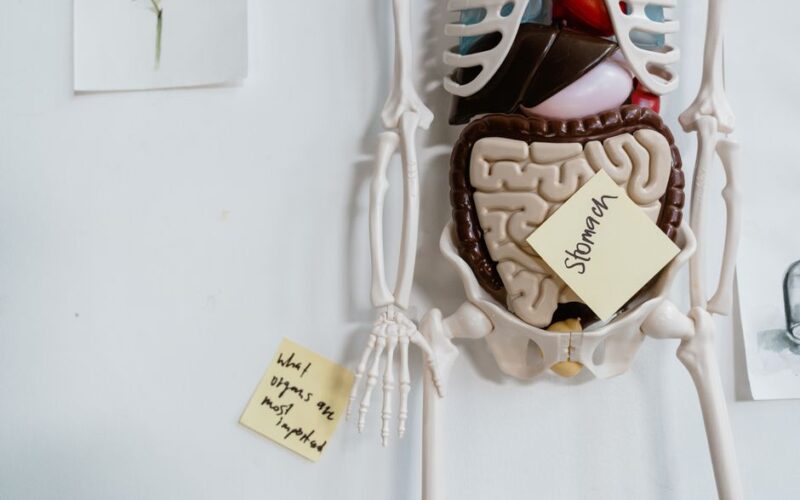

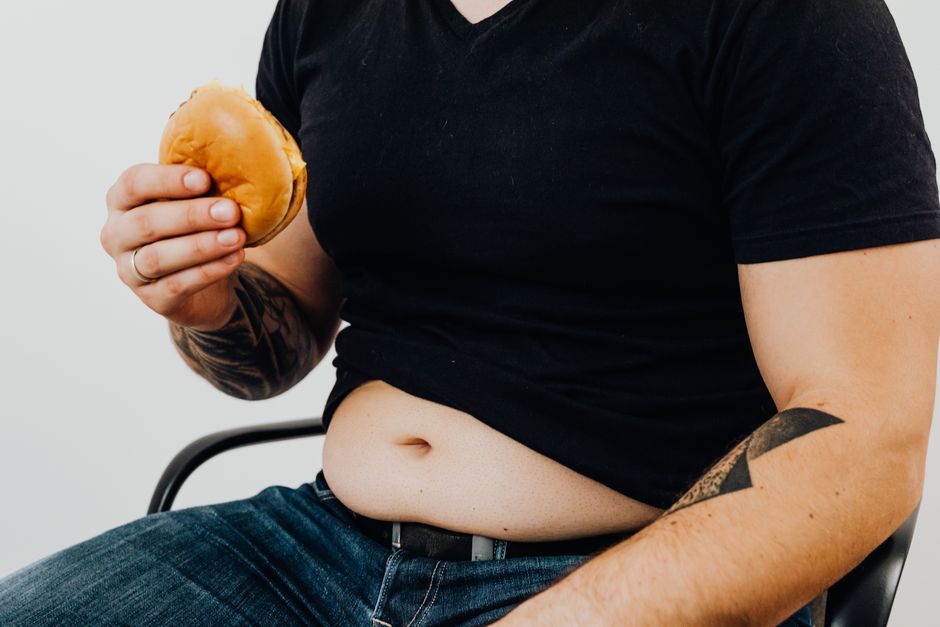
You ate roughly the same foods you always do, but by mid-afternoon on a rest day your stomach feels full, heavy, and slow. No cramps, no illness, just that stubborn bloated stillness that makes you want to lie on the couch even more. Here is the thing: your gut may be waiting for you to move, not for you to swap your lunch.
The connection between digestion and movement on sedentary days is rooted in basic physiology, and understanding it gives you a practical lever you can pull any day of the week without overhauling your diet.

How Your Gut Relies on Physical Movement
Your digestive tract is a muscular tube, and it moves food through a process called peristalsis, rhythmic contractions that push contents from the stomach through the small intestine and into the colon. Research published in the World Journal of Gastroenterology confirms that physical activity accelerates colonic transit time, meaning food waste moves through the large intestine faster when you are active (Bampton et al. findings are consistent with this mechanistic understanding reviewed in that journal).
When you sit for hours, several things slow down at once:
- Peristaltic contractions become less frequent.
- Blood flow to the gut decreases relative to active states.
- Gas and partially digested food stall, creating pressure and bloating.
- The ileocecal valve, which separates the small intestine from the colon, is less stimulated.
None of that requires a bad meal to happen. It is simply what prolonged stillness does to a system built for movement. For a deeper look at how this plays out across active versus sedentary days, Why Your Digestion Improves on Movement Days and Slows on Rest Days: The Gut-Activity Connection walks through the physiology in detail.
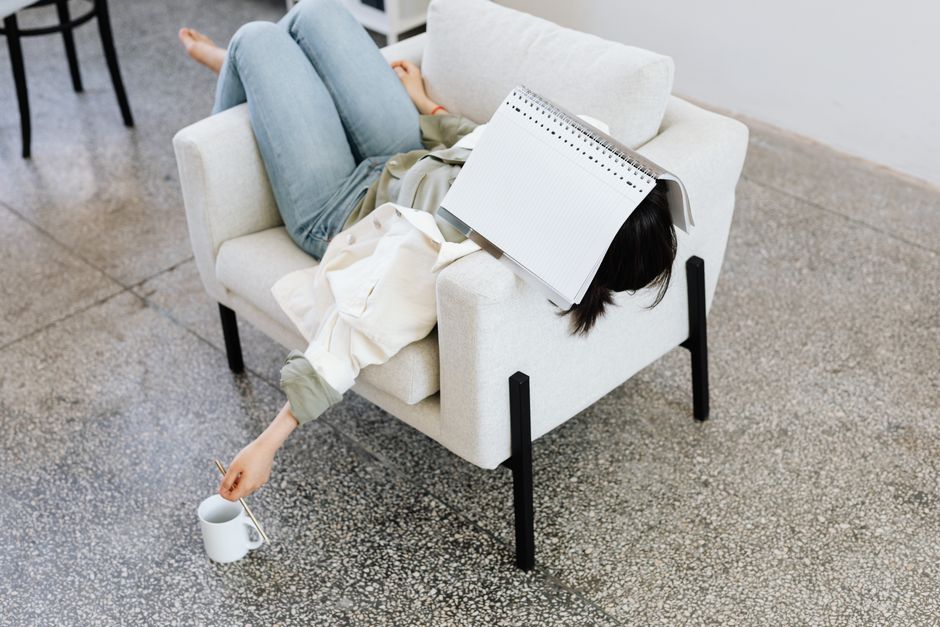
Why Rest Days Hit Differently
On workout days, your increased heart rate, deeper breathing, and whole-body muscle engagement naturally stimulate the gut. The mechanical jostling of walking or running alone is enough to encourage peristalsis. On sedentary days, none of those automatic triggers fire.
There is also a nervous system angle worth noting. Exercise activates the sympathetic nervous system during the effort, then triggers a parasympathetic rebound afterward, the so-called rest-and-digest mode, which is actually good for digestion. Sitting all day without that contrast can keep your nervous system in a low-activation holding pattern that does not strongly promote digestive motility either way.
Posture compounds the problem. Slouching forward compresses the abdominal cavity and restricts space for the stomach and intestines to do their work. If you are working at a desk or watching a screen, your posture during digestion matters more than most people realize. Why Your Digestion Feels Sluggish After Meals and How Posture Fixes It covers that angle with practical corrections you can apply right now.
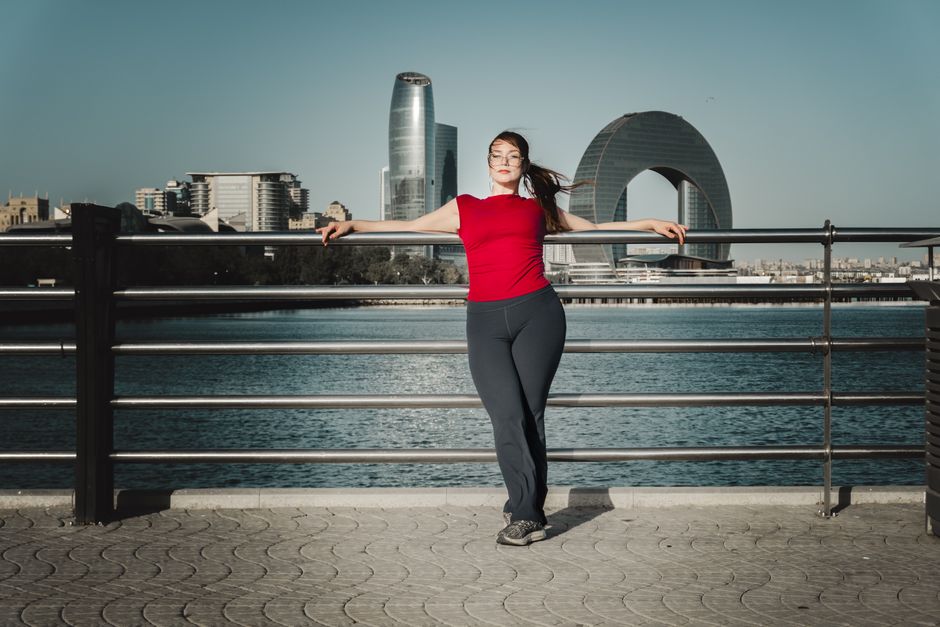
A Movement Menu for Sedentary Days
You do not need a full workout to wake your gut up. The goal is consistent, low-effort movement timed around your meals throughout the day. Think of the following as a digestive movement menu, not a fitness plan.
After Breakfast: A 10-Minute Walk
A short walk within 20 to 30 minutes of eating is one of the most well-supported strategies for improving postprandial (after-meal) digestive comfort. Research suggests that even a 10-minute walk can reduce postprandial glucose spikes and support gastric emptying. If you cannot go outside, walk around your home or march in place while listening to a podcast. Beginner modification: start with five minutes and add one minute each day.
Mid-Morning: Stand and Rotate
If you sit for work, set a timer to stand every 45 to 60 minutes. When you stand, add a gentle torso rotation: hands on hips, feet hip-width apart, rotate slowly left and right for 30 seconds. This mild compression-and-release motion on the abdomen can encourage gas to move and ease that mid-morning heaviness. Stretching for Digestion: How Post-Meal Movement Supports Nutrient Absorption and Comfort expands on stretch-based strategies that pair well with this.
After Lunch: Slow Walk or Gentle Yoga Pose
Lunch is often when sedentary days feel heaviest because you sit right back down after eating. A 10 to 15-minute slow walk is ideal. If that is not possible, try a seated or standing forward fold held for 30 to 60 seconds, which gently compresses the lower abdomen and can stimulate the descending colon. Child’s pose and a lying knee-to-chest stretch are two other beginner-friendly options that take under three minutes combined.
Afternoon: Avoid the Couch After Snacking
If you snack between meals, standing or walking for just five minutes afterward keeps gastric motility from stalling again. This is especially useful if your afternoon energy crashes tend to hit around 2 or 3pm and lead to more sitting.
After Dinner: A Light Walk Beats Lying Down
Evening is when the sit-and-digest trap is hardest to escape. But lying on the couch immediately after dinner slows gastric emptying and increases reflux risk for many people. A 10-minute after-dinner walk has the same postprandial benefit seen after breakfast. Keep it easy, this is not exercise, it is digestive first aid.
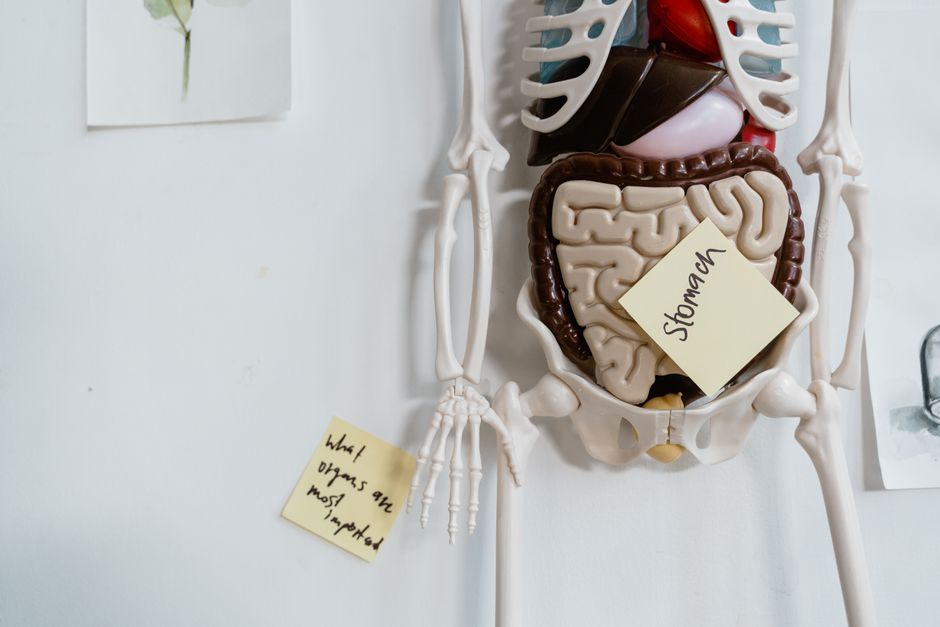
What This Is Not
This is not a step-count competition. You are not trying to hit a fitness goal on a rest day. You are using the physiology of movement to give your gut the gentle mechanical stimulation it is designed to receive throughout the day.
If you have a diagnosed digestive condition such as irritable bowel syndrome (IBS), inflammatory bowel disease (IBD), or gastroparesis, movement timing can still be helpful but your approach should be guided by a qualified healthcare professional. Certain conditions respond differently to physical stimulation, and what helps one person may aggravate another.

One Small Start
Choose one moment from the movement menu above and practice it consistently this week. Most people find the post-lunch walk easiest to anchor because it breaks up the afternoon sitting stretch naturally. You may notice a real difference in digestive comfort within a few days, without changing a single thing on your plate.
For more practical guidance on building healthy daily habits, consider subscribing to the Clean Body Mentor newsletter, where we share evidence-informed strategies weekly without the overwhelm.
This article is for general educational and informational purposes only and is not a substitute for medical advice, diagnosis, or treatment. Health needs vary by individual. Consult a qualified healthcare professional before making significant changes to your diet, exercise routine, supplements, medication, or treatment plan, especially if you have a medical condition, are pregnant or breastfeeding, take medication, or have concerns about your symptoms.
Sources
- Bampton P, et al. and related reviews on physical activity and colonic transit: World Journal of Gastroenterology (searchable via PubMed, gastroenterology section on motility and exercise)
- Mayer EA. “Gut feelings: the emerging biology of gut-brain communication.” Nature Reviews Neuroscience, 2011. (NIH/PubMed indexed)
- U.S. Department of Health and Human Services. Physical Activity Guidelines for Americans, 2nd edition. HHS, 2018. Available at health.gov.
- de Oliveira EP, Burini RC. “The impact of physical exercise on the gastrointestinal tract.” Current Opinion in Clinical Nutrition and Metabolic Care, 2009. (PubMed indexed)