

When someone you love dies, a relationship ends, or a major loss lands, your body does not simply grieve in a metaphorical sense. It responds in measurable, physical ways, and one of the most disorienting is the disappearance of hunger.
If you have stood in your kitchen after a loss, opened the refrigerator, and felt absolutely nothing, you are not being dramatic. Your body’s appetite regulation is genuinely disrupted by the physiology of grief, and forcing a full meal can sometimes make things worse before they get better.
Understanding what is happening and knowing a few low-effort, nutrient-dense foods can make staying nourished during grief much more manageable.

Why Grief Shuts Down Your Hunger
Acute grief activates the sympathetic nervous system, the same stress-response system that prepares your body for perceived danger. Stress hormones, particularly cortisol and adrenaline (epinephrine), suppress appetite by slowing gastric motility and interfering with hunger-signaling hormones like ghrelin and leptin. Research published by the American Psychological Association and reviewed across multiple grief studies confirms that bereaved individuals commonly report significant decreases in appetite and food intake, especially in the early weeks following a loss.
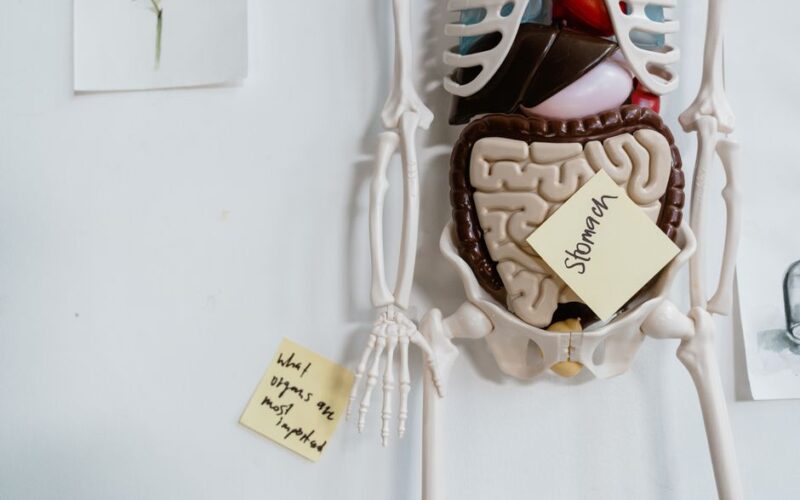
Your gut is also part of the picture. The enteric nervous system, sometimes called the “second brain,” is exquisitely sensitive to emotional stress. Grief can create nausea, a tight or hollow stomach sensation, and general digestive unease that makes eating feel physically uncomfortable even when you intellectually know you need food. For more on how emotional stress connects to physical digestion, Digestive Sluggishness vs. Nervous System Stress: Why Your Gut Slows When You Rush and What to Do About It explains the gut-nervous system relationship clearly.
Forcing a large meal when cortisol is elevated and digestion is sluggish often results in nausea, bloating, or stomach pain, which can create a negative association with eating that compounds the problem. The goal during active grief is not to eat normally. The goal is to stay nourished in whatever small, realistic ways your body will accept.

Grief Appetite vs. Emotional Stress Eating: Two Ends of the Same Spectrum
Not everyone loses their appetite during grief. Some people experience grief appetite and emotional stress eating at the opposite end: seeking comfort foods repeatedly, eating without physical hunger, or eating well past fullness as a way to manage overwhelming feelings. Both responses are rooted in the same disrupted stress-hormone and nervous-system landscape.
If you recognize yourself in the comfort-eating pattern, Emotional Eating vs. True Physical Hunger: A Case Study of Four People Who Built Awareness Without Shame offers a nonjudgmental framework for understanding the difference without layering guilt on top of grief. Both patterns deserve compassion, not correction.

Five Foods That Work When Appetite Is Gone
These are not miracle foods. They are chosen because they are easy to prepare or require no preparation at all, sit gently in a stressed digestive system, and deliver meaningful nutrition in small portions.
1. Banana with Nut Butter
A banana requires no preparation, travels easily, and provides fast-absorbing carbohydrates plus potassium, which stress hormones can deplete. Add one tablespoon of almond or peanut butter for protein and fat that slow glucose release and add staying power. Even half a banana with a small spoonful of nut butter counts and is far better than nothing.
2. Plain Greek Yogurt
High-protein, soft in texture, and cold enough to feel soothing, plain Greek yogurt is one of the most forgiving grief foods. A single cup delivers roughly 17 to 20 grams of protein depending on the brand, along with calcium and live cultures that may support gut health during a period when digestion is already under stress. Add a drizzle of honey if the tartness feels like too much effort.
3. Soft-Boiled or Scrambled Eggs
Eggs are among the most nutrient-dense foods per calorie available. They provide complete protein, B vitamins, and choline, a nutrient that supports brain function and mood regulation. Scrambled eggs take under five minutes and can be eaten directly from the pan. One or two eggs eaten on their own, without needing a full plate around them, still provides real nourishment.
4. Bone Broth or a Simple Warm Soup
Warm liquids are easier for a grieving digestive system to tolerate than solid food. Bone broth provides sodium (important if you have not been eating regularly), some protein, and the psychological warmth that cold food simply cannot offer. Low-sodium canned soups with soft vegetables work just as well. Sipping from a mug rather than eating from a bowl lowers the psychological barrier of a “meal.”
5. Fortified Smoothie
A smoothie sidesteps the act of eating entirely, which can matter enormously during grief when sitting down to food feels performative or impossible. Blend half a banana, a handful of spinach (which you will not taste), one scoop of protein powder or a cup of Greek yogurt, and enough milk or a non-dairy alternative to move through the blender. This delivers protein, carbohydrates, iron, and magnesium in under three minutes and under ten ounces of volume. For more on building smoothies that actually keep you satisfied, Smoothie Satiety Breakdown: Protein Type, Fiber Source, and Texture Tested Against Real Hunger Until Lunch breaks down the approach.

Small, Consistent, and Without Judgment
During grief, aiming for three nutritious meals a day is often unrealistic and can add another layer of self-criticism to an already heavy emotional load. A more useful target is to eat something with genuine nutritional value every four to five hours, even if that something is small, simple, and eaten while sitting on your couch.
Hydration matters too. Cortisol and emotional crying both deplete fluids and electrolytes. Keeping water or an electrolyte drink nearby, or sipping warm broth, can help you stay functional during a period when the body is under real physiological strain. Grief and its physical effects on sleep, appetite, and recovery are explored in more depth in Grief and Your Body: Why Emotional Loss Disrupts Sleep, Appetite, and Recovery.
If appetite loss persists beyond two to three weeks, becomes extreme, or is accompanied by significant weight loss, dizziness, or difficulty functioning, reaching out to a qualified healthcare professional is a reasonable and caring step for yourself.

One Small Action
Choose one food from the list above and keep it accessible in your home this week, no meal planning required. If a smoothie sounds most doable, mix one tomorrow morning. If a warm cup of broth at night feels right, let that count. Grief is not a time for optimization. It is a time for sustaining yourself with whatever small acts of nourishment your body will accept.
For more practical guidance on eating and emotional well-being, explore the Clean Body Mentor newsletter, where weekly wellness insights arrive without pressure or perfection.
This article is for general educational and informational purposes only and is not a substitute for medical advice, diagnosis, or treatment. Health needs vary by individual. Consult a qualified healthcare professional before making significant changes to your diet, exercise routine, supplements, medication, or treatment plan, especially if you have a medical condition, are pregnant or breastfeeding, take medication, or have concerns about your symptoms.

Sources
- American Psychological Association. Grief: Coping with the loss of your loved one. APA Help Center.
- Buckley, T., et al. “Physiological correlates of bereavement and the impact of bereavement interventions.” Dialogues in Clinical Neuroscience, 2012. (Referenced via PubMed)
- Gershon, M.D. The Second Brain. HarperCollins, 1998. (Foundational reference on enteric nervous system and stress response)
- U.S. Department of Agriculture FoodData Central. Nutrient profiles for eggs, Greek yogurt, and bananas. USDA.