

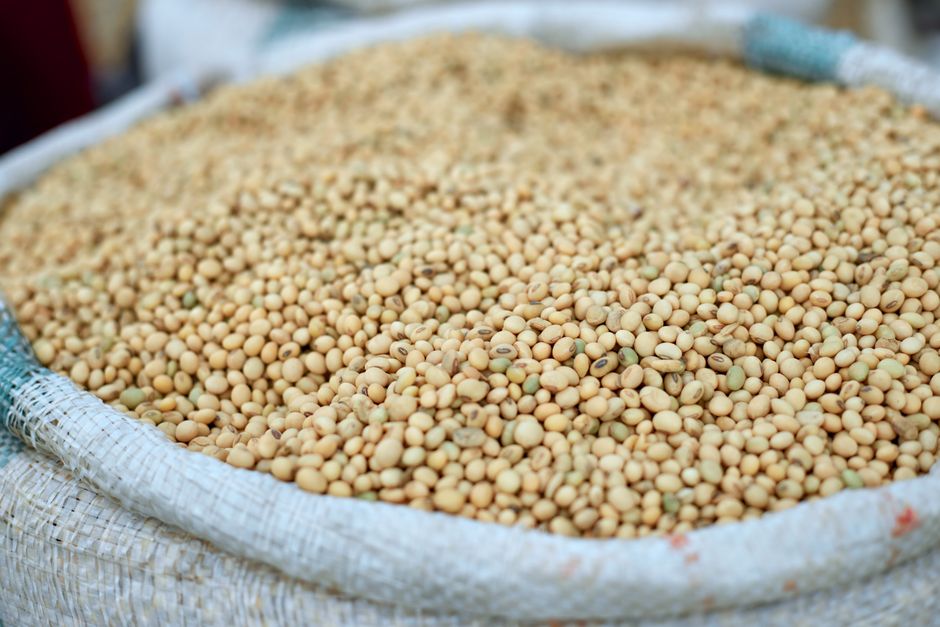
You have probably heard “eat more legumes and grains” more times than you can count. What that advice rarely includes is which ones keep you genuinely satisfied, how much they cost at a real grocery store, and whether you can realistically get them on the table on a Tuesday night.
This guide cuts through the noise with a side-by-side comparison of seven common whole-food plant proteins, ranked across three practical dimensions: satiety science, grocery cost, and time-to-table. If sustainable weight management or simply eating better is on your list, knowing these tradeoffs helps far more than a generic meal plan ever will.
What Drives Satiety in Plant Proteins
Before the rankings, a quick note on the science. Satiety from protein comes from several overlapping mechanisms: protein stimulates hormones like peptide YY and GLP-1 that signal fullness, it has a higher thermic effect than fat or carbohydrate (meaning your body burns more energy digesting it), and it slows gastric emptying. Research published in the American Journal of Clinical Nutrition consistently shows that higher-protein meals reduce subsequent calorie intake compared with lower-protein alternatives.
Plant proteins, however, vary in digestibility and amino acid completeness. Pairing different sources across a day (not necessarily at every meal) generally covers your full amino acid needs. Fiber content also matters: high-fiber plant proteins create physical bulk in the stomach and feed gut bacteria linked to satiety hormones. For a practical look at building fiber into meals without discomfort, see Fiber Without the Bloat: How to Add Plant Foods Gradually So Your Digestion Adapts.
The Comparison Table
Ratings are approximate and based on a standard cooked or ready-to-use serving.
| Source | Protein per Serving | Satiety Score | Avg. Cost per Serving | Active Prep Time |
|---|---|---|---|---|
| Lentils (cooked) | ~18 g / cup | High | $0.20-$0.35 | 25-30 min (no soaking) |
| Chickpeas (canned) | ~15 g / cup | High | $0.50-$0.80 | 2 min |
| Black beans (canned) | ~15 g / cup | High | $0.50-$0.75 | 2 min |
| Tempeh | ~19 g / 3 oz | Very High | $1.20-$1.80 | 10 min |
| Firm tofu | ~10 g / 3 oz | Moderate | $0.80-$1.20 | 10-15 min |
| Hemp seeds | ~10 g / 3 tbsp | Moderate | $0.80-$1.20 | 0 min |
| Edamame (frozen) | ~17 g / cup | High | $0.60-$1.00 | 5 min |
Costs are U.S. estimates based on average national grocery prices and will vary by region and store.
Legumes: The Everyday Powerhouses
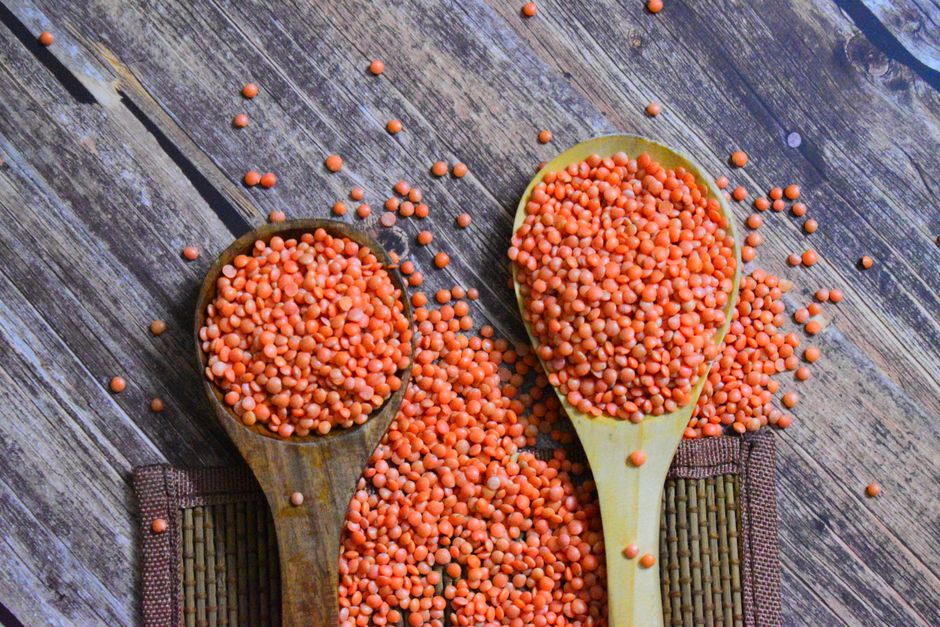
Lentils are the standout value buy. Dry lentils require no soaking, cook in about 25 minutes, and deliver a combination of protein and soluble fiber that research suggests produces a particularly strong satiety response. A 2014 review in the journal Obesity found that legume-rich diets were associated with greater feelings of fullness compared to non-legume control diets. Red lentils blend easily into soups and sauces, making them a useful base for meal prep for shift workers or anyone cooking ahead.
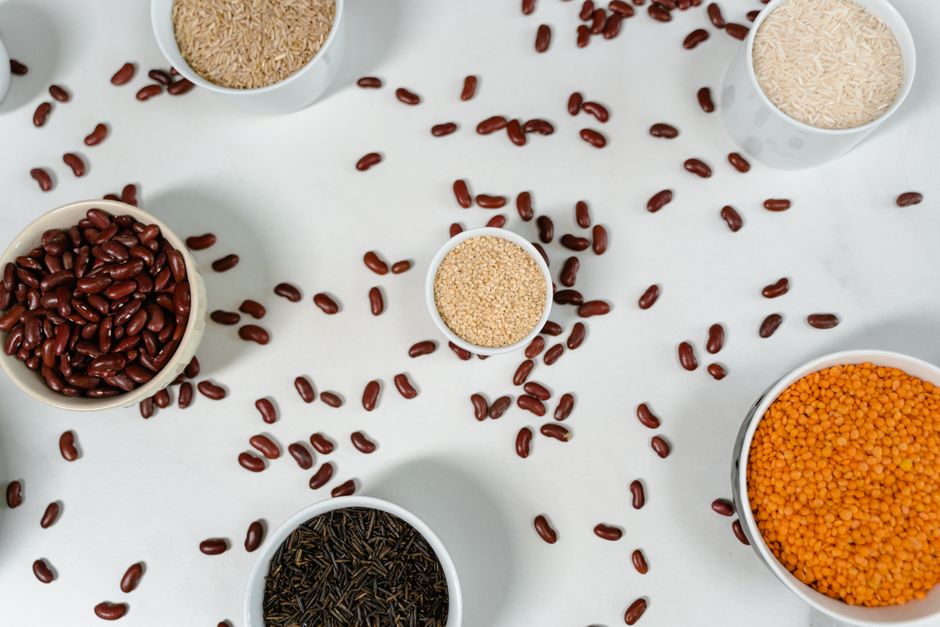
Chickpeas and black beans in canned form are the fastest whole-food protein you will find. Drain, rinse, and eat. They share a similar satiety profile to lentils because of their resistant starch content, which ferments in the large intestine and may support fullness-related gut hormones. If budget is your primary concern, dried versions cost even less (around $0.15 per serving) but require an overnight soak and longer cook time.
One honest tradeoff: if you are new to legumes, introducing them gradually matters. High fiber load can cause bloating in the short term while your gut microbiome adapts.
Tempeh and Tofu: Fermented vs. Neutral
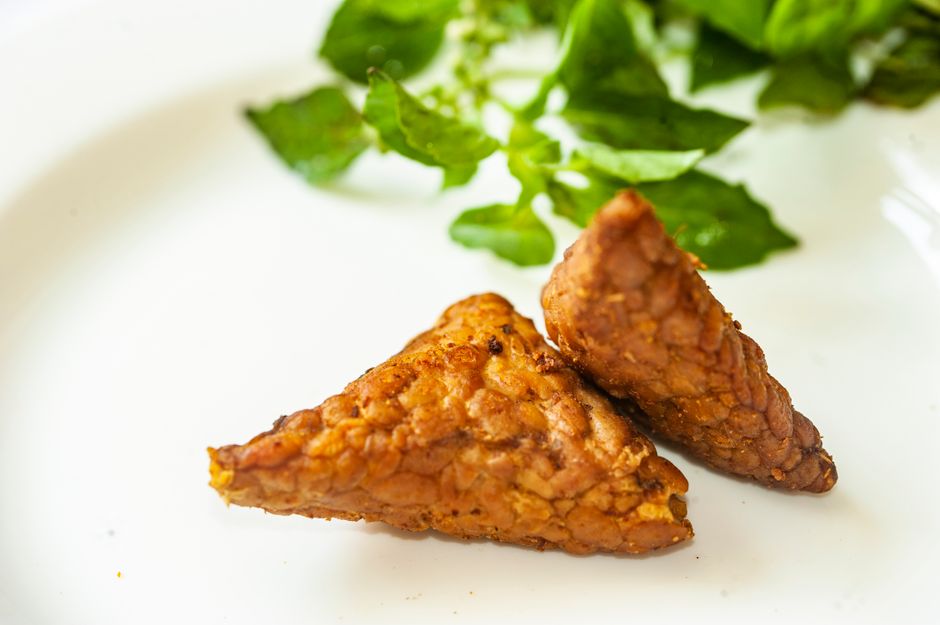
Tempeh wins on protein density and satiety among soy products. Its fermentation process increases protein digestibility and produces a firm, chewy texture that encourages slower eating, which itself supports satiety (your brain needs about 20 minutes to register fullness). It absorbs marinades well and crisps in a pan in under 10 minutes. The higher cost compared to legumes is offset by its nutritional return.
Firm tofu delivers solid protein but at a lower amount per ounce than tempeh. Its mild flavor and soft texture make it versatile in scrambles, stir-fries, and grain bowls. Satiety is moderate; pairing tofu with a fiber-rich vegetable or grain bumps that response meaningfully. For ideas on how to build complete, satisfying plates, the guide on building a balanced breakfast bowl with whole grains, protein, and healthy fats applies the same logic across meals.
Hemp Seeds and Edamame: The Convenience Picks
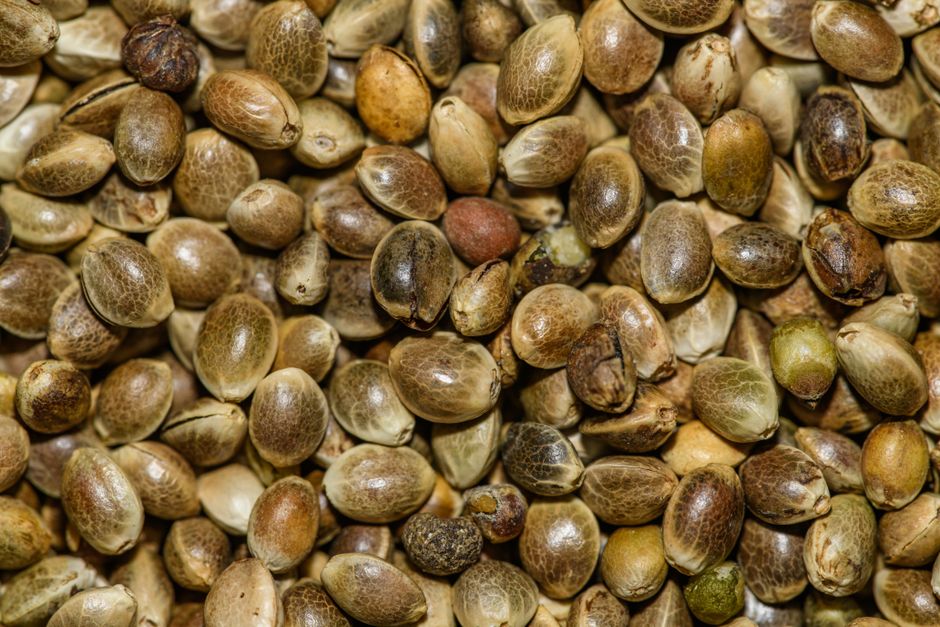
Hemp seeds require zero preparation. Three tablespoons stirred into oatmeal, a smoothie, or yogurt adds a complete amino acid profile (one of few plant sources with all essential amino acids) and a mild, nutty taste. The cost per gram of protein is higher than legumes, but the convenience factor is genuinely unbeatable. Satiety is moderate rather than high because the serving size is small and fiber content is lower than legumes.
For more on how protein source and texture affect hunger between meals, see High-Protein Snacks That Actually Keep You Full.
Edamame (frozen, microwaveable) hits a sweet spot: high protein, meaningful fiber, low prep time, and reasonable cost. It works as a snack, a bowl topper, or a side dish. Research suggests soy protein compares favorably to other plant proteins in satiety outcomes, making edamame a practical grab-and-go option.
Honest Tradeoffs Before You Choose
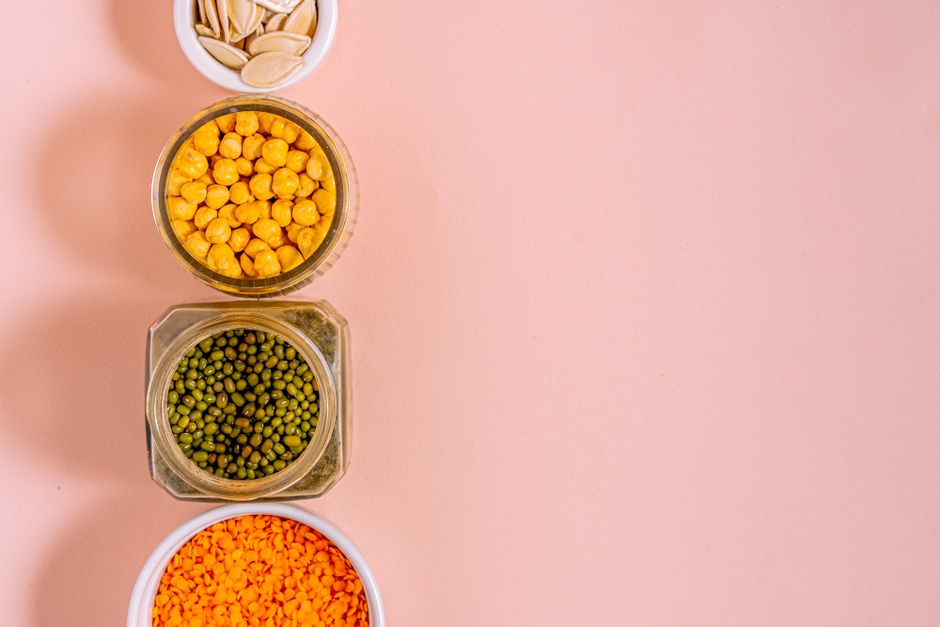
- Lowest cost, highest satiety: Dry lentils or black beans. Requires planning but minimal active effort.
- Fastest and still filling: Canned chickpeas or edamame from frozen.
- Best protein density: Tempeh, if the cost fits your budget.
- Best for no-cook additions: Hemp seeds, ideal for smoothies and bowls.
- Most flexible for cooking styles: Firm tofu, though it needs pairing with fiber to maximize fullness.
No single source is perfect for every situation. A practical approach is to anchor most meals around lentils or canned beans for cost and satiety, use tempeh or tofu a few times a week for variety, and keep hemp seeds or edamame on hand for speed.
A Simple Starting Point
Choose one source from this list that you do not currently use and try it in a single meal this week. That one realistic action, repeated consistently, builds the sustainable habit that actually shifts body composition and energy over time, without a complete dietary overhaul.
If you want to explore how these proteins fit into your broader eating pattern, the Building a High-Protein Breakfast That Survives Until Lunch guide offers a practical framework you can adapt to any meal.
Sources
- Leidy, H.J. et al. (2015). “The role of protein in weight loss and maintenance.” American Journal of Clinical Nutrition. Published by Oxford University Press on behalf of the American Society for Nutrition.
- Abete, I. et al. (2010). “Obesity reviews: legumes and weight management.” Obesity Reviews. Wiley.
- Messina, V. (2014). “Nutritional and health benefits of dried beans.” American Journal of Clinical Nutrition (supplement). Oxford University Press.
- U.S. Department of Agriculture FoodData Central (nutritional values for all sources listed): fdc.nal.usda.gov
This article is for general educational and informational purposes only and is not a substitute for medical advice, diagnosis, or treatment. Health needs vary by individual. Consult a qualified healthcare professional before making significant changes to your diet, exercise routine, supplements, medication, or treatment plan, especially if you have a medical condition, are pregnant or breastfeeding, take medication, or have concerns about your symptoms.