

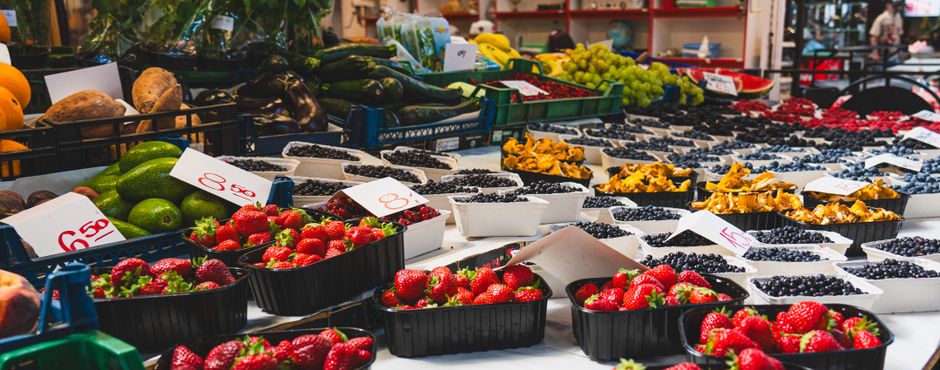
Most grocery carts look the same in January as they do in June. Broccoli, bell peppers, spinach, and tomatoes show up every week regardless of season, and the bill quietly climbs. What most shoppers do not realize is that buying produce out of its natural growing window means paying a premium for food that traveled farther, sat longer, and often tastes noticeably flat.
Eating with the seasons is one of the most practical ways to stretch a grocery budget without giving up nutrient-dense vegetables. Research published by the USDA Economic Research Service confirms that retail produce prices follow predictable seasonal patterns, with peak-season items sometimes costing 40 to 60 percent less than the same items bought off-season. That gap is real, and knowing how to use it can reshape your entire approach to healthy eating.
Here is a practical, season-by-season guide to the biggest price shifts, why they happen, and exactly how to shift your cart without making mealtime complicated.
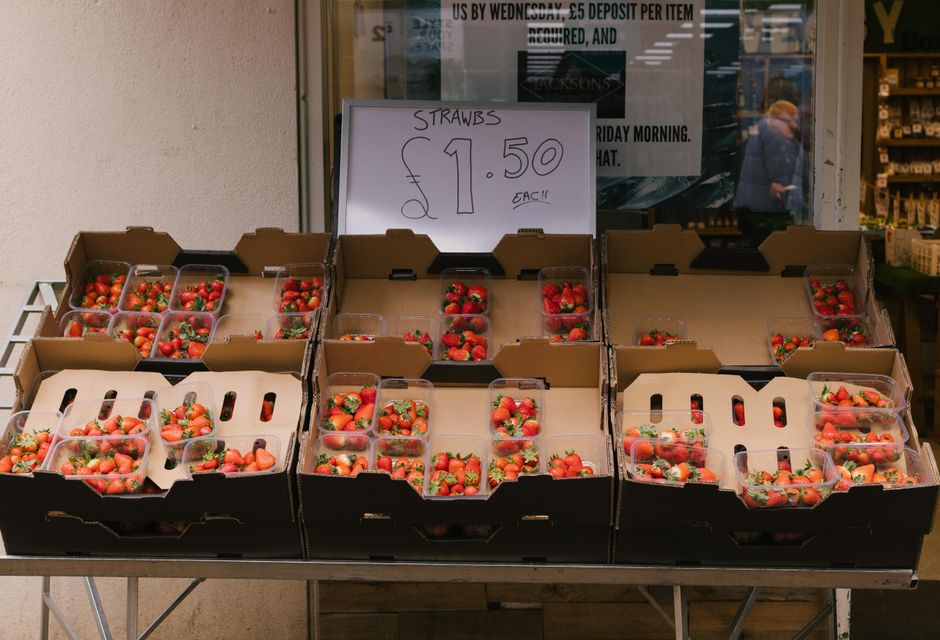
1. Understand Why the Price Gap Exists
Price drops during peak season come down to a simple supply-and-demand dynamic. When a crop reaches full harvest volume in its natural growing region, supply spikes and transportation costs shrink because produce does not need to cross continents to reach you. The opposite happens in the off-season: growers ship from distant climates, energy costs for greenhouse production rise, and storage costs add up. You pay for all of it.
Nutrition can shift too. A review in the journal Food Chemistry found that some vegetables lose measurable amounts of water-soluble vitamins like vitamin C during extended cold storage and long-distance shipping. Buying in-season does not guarantee maximum nutrition, but shorter time from field to store generally means less nutrient degradation.
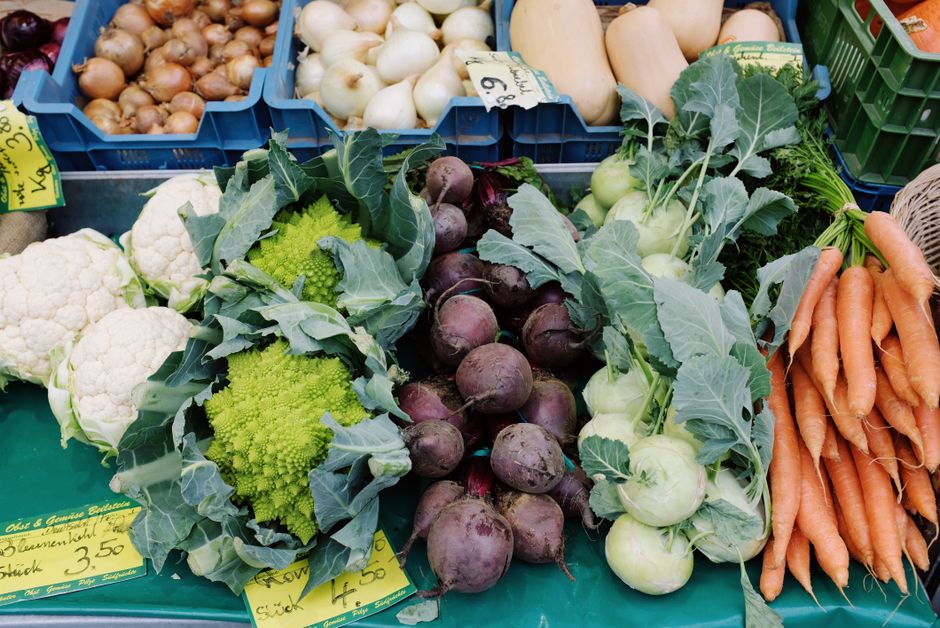
2. Winter Root Vegetables: The Budget Stars of Cold Months
Winter is the season most shoppers dread for produce variety, but it is actually a great time to eat well cheaply if you know where to look.
Lowest-cost picks in winter:
- Carrots
- Turnips
- Parsnips
- Beets
- Sweet potatoes
- Butternut squash
- Cabbage
- Kale and collard greens
Root vegetables store exceptionally well, which keeps prices low from late fall through early spring. A five-pound bag of carrots in January often costs less per serving than a single bunch of asparagus in December. Cabbage is routinely one of the cheapest vegetables per pound in any season, but winter pricing is especially low.
These vegetables are also nutrient-dense. Sweet potatoes deliver fiber, potassium, and vitamin A. Beets provide folate and nitrates that research suggests may support healthy circulation (according to findings published in the British Journal of Nutrition). Kale offers calcium, vitamin K, and vitamin C even in its cold-season form.
For ideas on how digestion responds to heavier root vegetables during colder months, Why Digestion Stalls in Cold Months and How Seasonal Eating Restarts It Without Food Restriction offers a useful companion read.
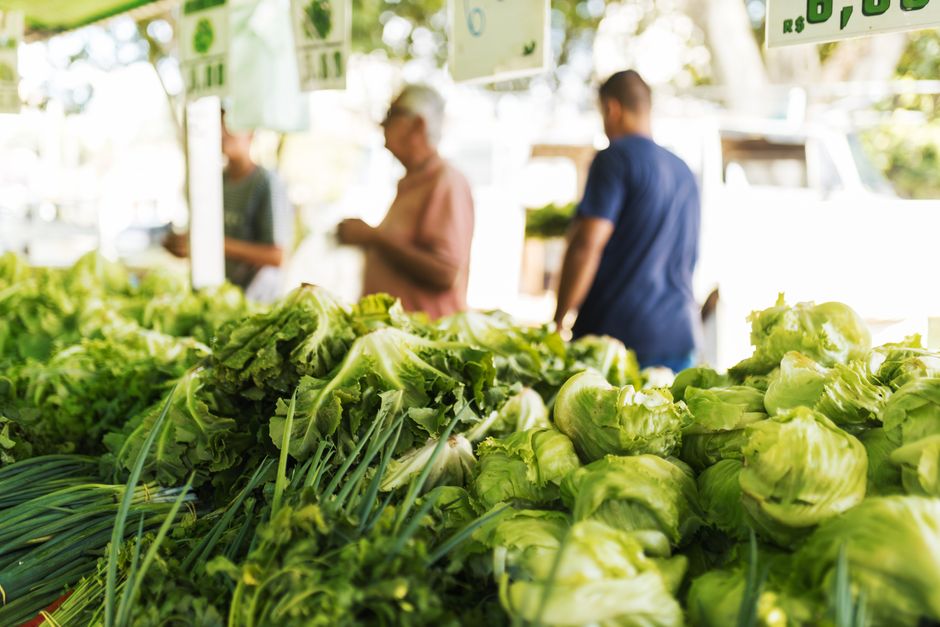
3. Spring: When Greens Drop in Price and Flavor Surges
As temperatures warm, spring greens flood regional markets and prices fall sharply. This is the season to load up on:
- Asparagus
- Peas and snap peas
- Spinach
- Arugula
- Radishes
- Spring onions
- Artichokes
- Swiss chard
Asparagus is a useful price marker. In peak spring harvest weeks, a pound can cost a third of what it does in November. Spinach bags that stay expensive all winter suddenly go on sale. If you have been curious about Spring Produce on a Real Budget: Which Vegetables Cost Less Right Now and Taste Better Than Winter Stockpiles, that guide breaks down the exact timing by region.
Spring greens tend to be lighter and higher in water content, which means they pair well with the shift toward warmer meals and salads. They also cook fast, making weeknight prep simpler.
4. Summer: Peak Abundance at Peak Value
Summer brings the widest variety and some of the lowest prices per pound for:
- Zucchini and summer squash
- Tomatoes
- Corn
- Green beans
- Cucumbers
- Eggplant
- Bell peppers
- Berries (nutritionally dense and often affordable at farmers markets)
This is the season to prep and preserve. If you find tomatoes or zucchini at a remarkable price, buying in bulk and roasting or freezing a batch extends the value well into fall. Frozen vegetables retain most of their nutrition, as outlined in Five Vegetables That Taste Better Frozen Than Fresh and Cost Half the Price Year-Round, which is worth reading before you stock your freezer.
5. Fall: Transition Season with Overlapping Deals
Fall is the transition window when summer vegetables are still finishing their runs and winter storage crops begin arriving. Prices can be very low for:
- Winter squash varieties (acorn, delicata, spaghetti squash)
- Broccoli and cauliflower
- Brussels sprouts
- Late tomatoes
- Apples and pears
Broccoli and cauliflower reach their best quality and lowest price in cool fall weather. Buying them now and blanching for the freezer means you have budget-friendly, nutritious vegetables ready when winter prices rise.
6. Three Practical Strategies to Shift Your Cart Year-Round
Check the weekly circular before writing your list. Stores discount whatever is in peak supply. If broccoli is on sale, build meals around it rather than buying it only when a recipe calls for it.
Keep a short seasonal cheat sheet on your phone. A simple note with two or three peak-season vegetables per season takes two minutes to make and removes guesswork at the store. The broader framework behind this is covered in Seasonal Eating on a Real Budget: Why Spring Greens and Root Vegetables Cost Less Than You Think.
Use frozen strategically, not as a last resort. Frozen peas, corn, and edamame are often cheaper year-round than fresh off-season equivalents, and their nutrient profiles hold up well. Pairing fresh seasonal picks with frozen staples gives you flexibility without blowing the budget.
If your grocery habits have been quietly working against your health goals, Why Your Grocery Cart Sabotages Weight Loss Before You Cook a Single Meal addresses the broader patterns worth examining.
7. Storage Tips That Protect Your Investment
Buying seasonal produce only saves money if it does not spoil before you use it. A few habits help:
- Store root vegetables in a cool, dark, dry place (not the refrigerator) for up to several weeks.
- Wrap leafy greens in a dry paper towel inside a loosely closed bag to extend fridge life by several days.
- Blanch and freeze any surplus within two to three days of purchase to lock in both flavor and nutrition.
- Keep citrus and apples separate from other produce. Ethylene gas from apples accelerates ripening in nearby vegetables.
Small storage habits protect the dollars you spent at the register and reduce food waste, which quietly adds up across a year.
Pick one change this week: look at what is on sale at your store, identify the seasonal vegetable driving that discount, and plan two meals around it. That single habit, repeated consistently, adds up to real savings and more varied, nutrient-dense eating across every season.
For more practical food guidance, explore the Clean Body Mentor nutrition guides or join the weekly newsletter for evidence-informed healthy living tips delivered simply.
This article is for general educational and informational purposes only and is not a substitute for medical advice, diagnosis, or treatment. Health needs vary by individual. Consult a qualified healthcare professional before making significant changes to your diet, exercise routine, supplements, medication, or treatment plan, especially if you have a medical condition, are pregnant or breastfeeding, take medication, or have concerns about your symptoms.
Sources
- USDA Economic Research Service: Fruit and Vegetable Prices data series (ers.usda.gov)
- Bouzari A, Holstege D, Barrett DM. “Vitamin retention in eight fruits and vegetables: a comparison of refrigerated and frozen storage.” Food Chemistry, 2015.
- Lidder S, Webb AJ. “Vascular effects of dietary nitrate (as found in green leafy vegetables and beetroot).” British Journal of Nutrition, 2013.


