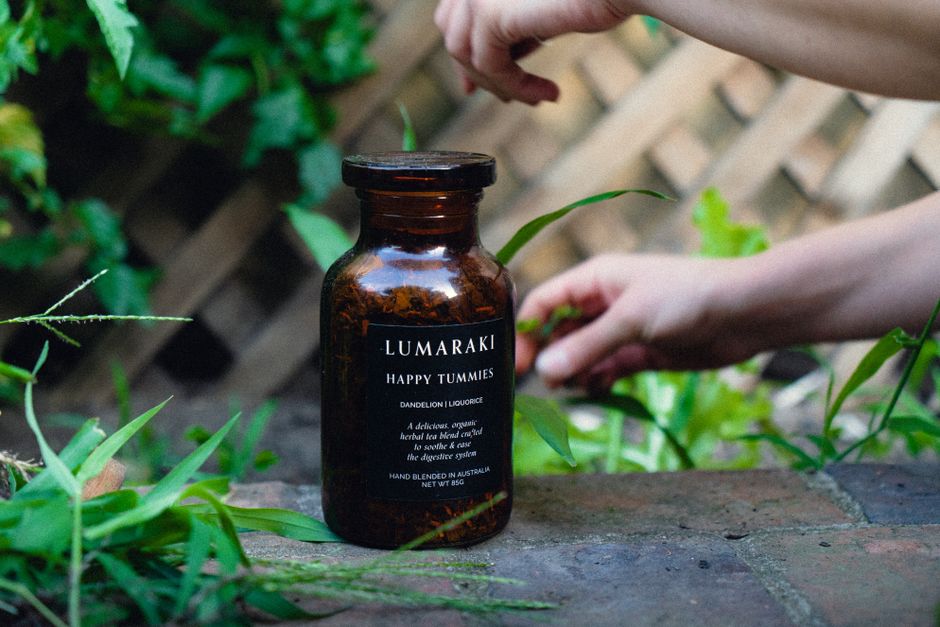
If your digestion feels heavier and slower every winter, you are not imagining it. Bloating that was manageable in September, irregular bathroom trips, and that sluggish post-meal feeling that lingers longer than usual, all of these are common cold-weather complaints. And most of them have nothing to do with eating the wrong foods.
Seasonal wellness and digestive health are more connected than most people realize. Understanding why winter slows your gut is the first step. The second step is adjusting what you eat without giving anything up.

Why Your Gut Slows Down in Winter
Three things shift in cold months that directly affect digestion: you move less, your body redirects energy toward warmth, and the produce available changes.
Reduced movement is probably the biggest factor. Physical activity mechanically stimulates peristalsis, the muscular contractions that push food through your digestive tract. Research published through the National Institute of Diabetes and Digestive and Kidney Diseases (NIDDK) confirms that physical inactivity is a contributing factor to constipation. When daily step counts drop because it is cold outside, that natural gut stimulus disappears with them. If you want to explore how strongly movement affects gut timing, Why Your Digestion Stalls on Sedentary Days and How Movement Timing Fixes It Without Diet Changes goes deeper on this connection.
Lower core temperature encourages the body to slow non-essential processes to conserve heat. Digestion is metabolically expensive, and some research suggests that reduced environmental temperature may modestly slow gastric motility, the rate at which food moves from your stomach into the small intestine.
Seasonal produce shifts matter too. Winter diets in many households drift toward more processed, low-fiber convenience foods as fresh salads and raw summer vegetables become less appealing in cold weather. Fiber intake drops, and gut bacteria that thrive on diverse plant matter lose some of their food supply. The gut microbiome responds to what you consistently eat, so a sustained dip in plant variety tends to show up as sluggish, less regular digestion over weeks.
What Warming Seasonal Foods Actually Do for Your Gut
The answer to winter digestive slowdown is not a supplement protocol or a restrictive cleanse. It is a shift toward foods that are naturally abundant in winter, easier to cook, and genuinely supportive of gut motility.
Here is what the evidence points toward:
-
Root vegetables (sweet potatoes, carrots, parsnips, beets) are high in soluble fiber, which ferments slowly in the large intestine to feed beneficial bacteria and soften stool. They are also easy to roast in large batches for meal prep throughout the week. Seasonal Eating on a Real Budget: Why Spring Greens and Root Vegetables Cost Less Than You Think shows that eating with the season does not have to cost more.
-
Cooked leafy greens (kale, chard, spinach) retain most of their fiber even after cooking and are easier to digest warm than raw for people who find large salads heavy in winter.
-
Legumes (lentils, chickpeas, white beans) provide both soluble and insoluble fiber and are naturally warming in soups and stews. If you are not used to eating them regularly, increase them gradually to avoid gas and bloating. The guide Fiber Without the Bloat: How to Add Plant Foods Gradually So Your Digestion Adapts walks through this step by step.
-
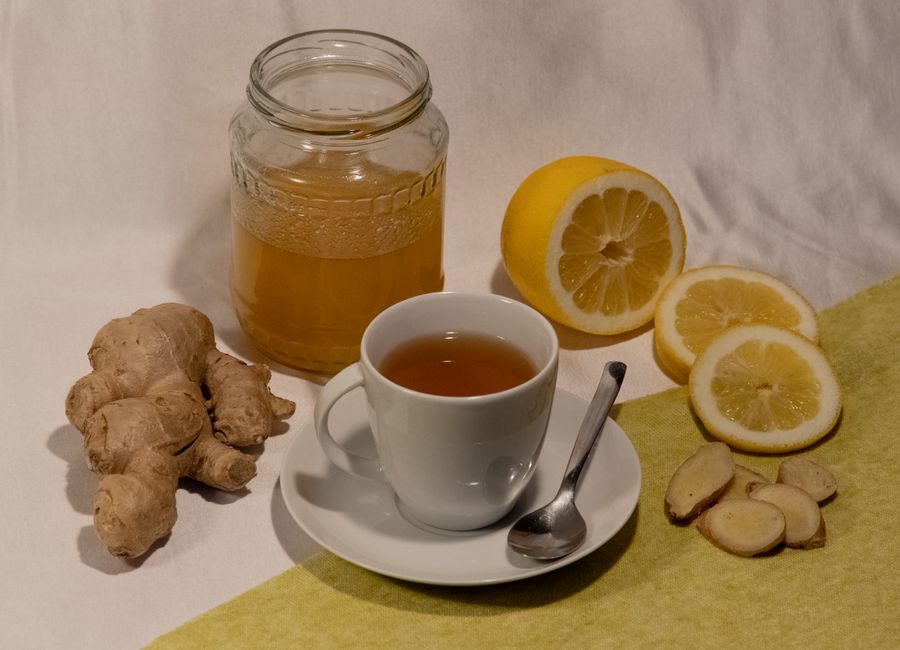
Ginger and fennel have a long history of use for digestive comfort. While more large-scale human trials are needed, several small clinical studies (reviewed in journals including the Journal of Ethnopharmacology) suggest ginger may help accelerate gastric emptying. Adding fresh ginger to soups or warm teas is a low-risk, practical choice.
-
Warm liquids throughout the day help maintain gut motility and soften stool. Many people drink less fluid in winter because they do not feel as thirsty. A simple habit is starting meals with a cup of warm broth or herbal tea.
Building a Winter Eating Pattern That Supports Digestion
The goal here is not a meal plan you follow perfectly. It is a loose seasonal rhythm that makes gut-supportive choices the default without restricting anything.
Start meals with something warm and plant-based. A cup of vegetable soup or a small serving of roasted vegetables before your main dish takes advantage of eating order. Research suggests that starting with fiber-rich vegetables may slow glucose absorption and support satiety. For more on how this works, How to Eat Vegetables First at Meals for Better Digestion and Stable Blood Sugar explains the mechanics clearly.
Cook in larger batches twice a week. A pot of lentil soup, a tray of roasted root vegetables, or a batch of cooked grains takes about 30 minutes and provides gut-supportive fiber for several days with minimal daily effort.
Keep moving, even indoors. A 15-20 minute walk after meals, even inside a building or up and down stairs, meaningfully supports gastric motility. You do not need to keep your outdoor summer step count. You just need to avoid prolonged sitting right after eating.
Space your meals consistently. Irregular meal timing disrupts the migrating motor complex, the wave of gut contractions that sweeps debris between meals. Eating at roughly consistent times across the day supports this built-in digestive housekeeping.
Do not worry about raw versus cooked. In winter, cooked vegetables are not inferior to raw ones. Cooking breaks down cell walls, which can actually make some nutrients more bioavailable. Eating warm, cooked plants consistently beats eating cold salads reluctantly.
A Realistic Day of Winter Gut-Supportive Eating
This is not a prescription. It is one example of how these ideas look in practice:
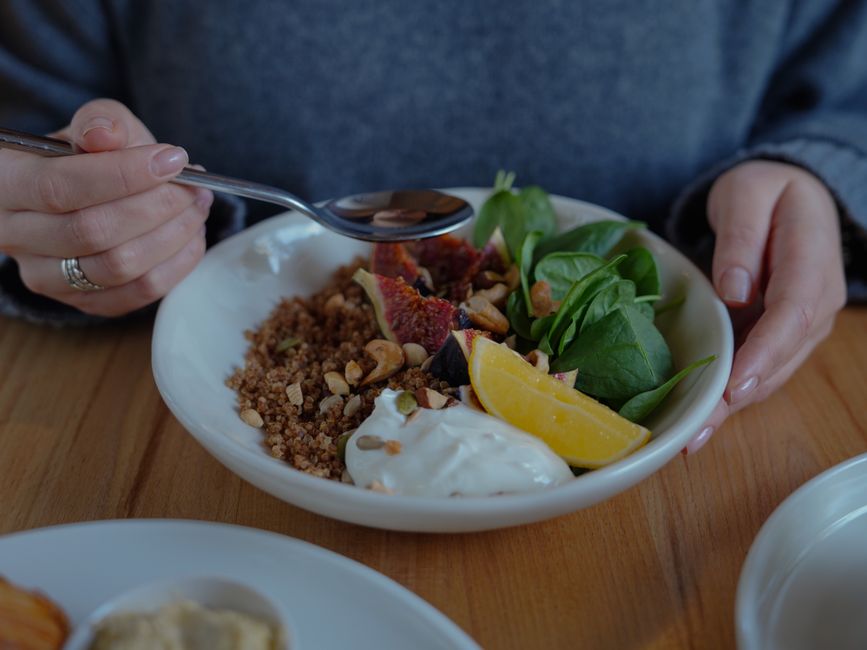
- Morning: Warm oatmeal with ground flaxseed, sliced banana, and a cup of ginger tea
- Lunch: Lentil and carrot soup with a small piece of whole-grain bread
- Afternoon: A small handful of nuts or a piece of fruit with warm herbal tea
- Dinner: Roasted sweet potato, cooked greens, and a protein of your choice (eggs, chicken, tofu)
- After dinner: A short 15-minute walk or light movement before sitting down for the evening
Notice that nothing is removed. The pattern simply adds fiber-rich, warming foods and a bit of movement without cutting anything out.

One Small Step to Start This Week
Pick one habit from this article and practice it consistently for the next two weeks. Maybe that means roasting a tray of root vegetables on Sunday, adding ginger to your morning tea, or taking a short walk after dinner. Small, repeated actions tend to produce more lasting change than complete seasonal overhauls.
If you want to explore how these principles extend into spring, How Your Digestion Changes With the Seasons and What to Eat to Feel Better is a natural next read. And if you find bloating is still a persistent issue even after making these shifts, it may be worth a conversation with your doctor or a registered dietitian to rule out other contributing factors.
This article is for general educational and informational purposes only and is not a substitute for medical advice, diagnosis, or treatment. Health needs vary by individual. Consult a qualified healthcare professional before making significant changes to your diet, exercise routine, supplements, medication, or treatment plan, especially if you have a medical condition, are pregnant or breastfeeding, take medication, or have concerns about your symptoms.
Sources
- National Institute of Diabetes and Digestive and Kidney Diseases (NIDDK). Constipation. U.S. Department of Health and Human Services.
- Haniadka R, et al. “A review of the gastroprotective effects of ginger (Zingiber officinale Roscoe).” Food and Function, 2013.
- Muir JG, et al. Dietary fiber and the gut microbiome. Current Opinion in Gastroenterology, various editions.
- Slavin JL. “Fiber and Prebiotics: Mechanisms and Health Benefits.” Nutrients, 2013 (PubMed ID: 23609775).