
Most nutrition advice focuses on what you eat. But a growing body of research suggests that the order in which you eat your food matters more than most people realize. Specifically, eating vegetables first before protein and carbohydrates appears to meaningfully reduce post-meal blood sugar spikes and support smoother digestion.
This is not a diet overhaul. You do not need to change what is on your plate, only when it reaches your fork.

Why Meal Order Actually Matters
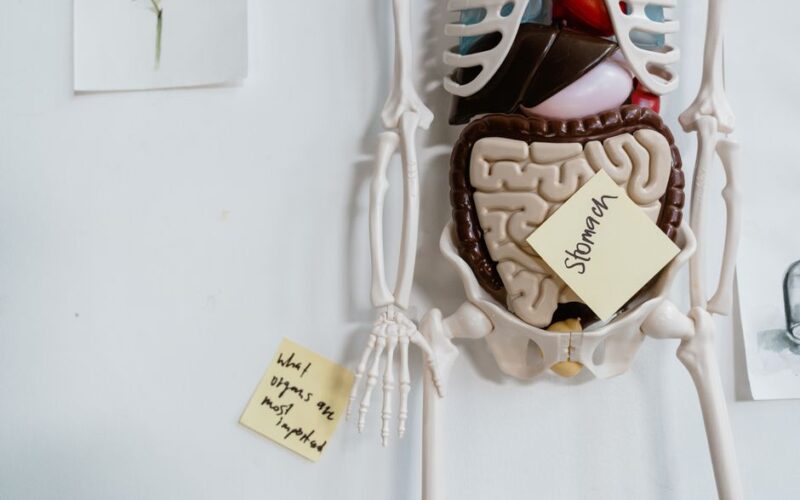
When you eat vegetables first, the fiber in those vegetables forms a kind of physical buffer in your stomach. This slows the rate at which carbohydrates are digested and absorbed, which in turn blunts the glucose spike that typically follows a starchy or high-carbohydrate meal.
Several clinical studies have examined this directly. Research published in Diabetes Care (Imai et al., 2014) found that participants with type 2 diabetes who ate vegetables before carbohydrates had significantly lower post-meal blood glucose and insulin levels compared to when they ate carbohydrates first. A follow-up study from Weill Cornell Medicine, published in BMJ Open Diabetes Research and Care (2015), demonstrated that eating food in the order of vegetables, then protein and fat, then carbohydrates produced roughly 37 percent lower glucose peaks after meals compared to eating carbohydrates first.
For people managing blood sugar, trying to support weight loss, or simply wanting to feel more energized after eating, that is a meaningful difference from one simple habit.
Fiber also feeds beneficial gut bacteria and slows gastric emptying, which contributes to a longer sense of fullness. If you are curious about fiber’s broader role in gut comfort, the guide on Fiber Without the Bloat: How to Add Plant Foods Gradually So Your Digestion Adapts covers that territory in detail.
The Ideal Eating Order at Each Meal
The general sequence that research supports is:
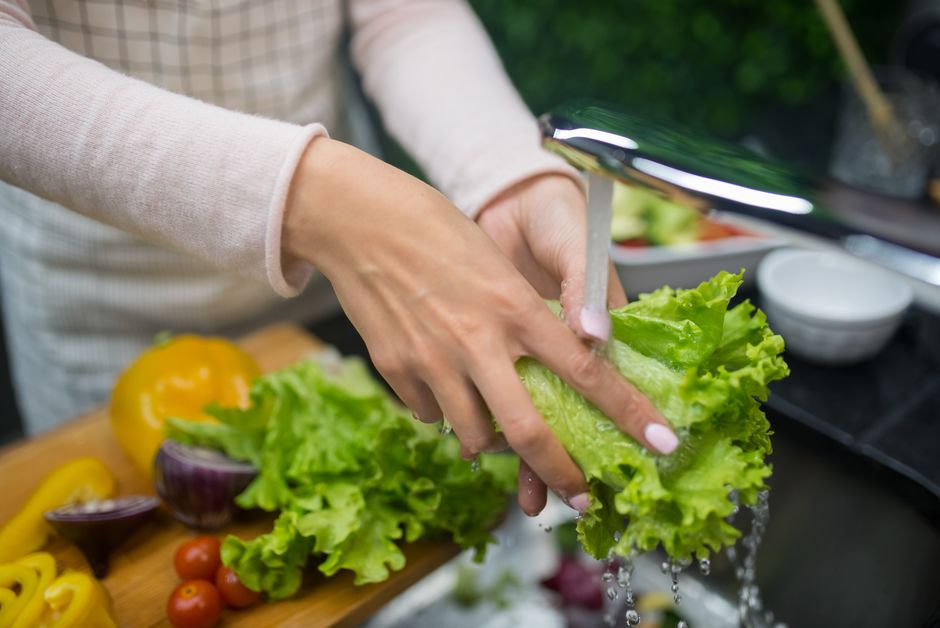
- Non-starchy vegetables first (salads, cooked greens, raw slices, roasted vegetables)
- Protein and healthy fat next (eggs, chicken, fish, legumes, nuts, cheese)
- Starchy carbohydrates last (rice, bread, pasta, potatoes, fruit)
This does not mean you eat these in completely separate courses. It means you take several bites of vegetables at the start of the meal before moving on to everything else. Even a two to three minute head start for vegetables appears to make a measurable difference.

How to Apply This at Breakfast, Lunch, and Dinner
Breakfast
Breakfast is the trickiest because many common morning foods are carb-heavy. Here is how eating vegetables first can work:
- Scrambled eggs with spinach: Eat a small bowl of sauteed spinach or sliced tomatoes before finishing the eggs and any toast.
- Smoothie bowl: If vegetables are blended in, you are already ahead. Add a small side of raw cucumber or bell pepper if you want to apply the order principle more deliberately.
- Avocado toast: Start with sliced cucumber, cherry tomatoes, or a handful of arugula before eating the toast portion.
For more ideas on morning nutrition, the guide on High-Protein Breakfast Options for Stable Morning Energy pairs well with this habit.
Lunch
Lunch lends itself naturally to this approach:
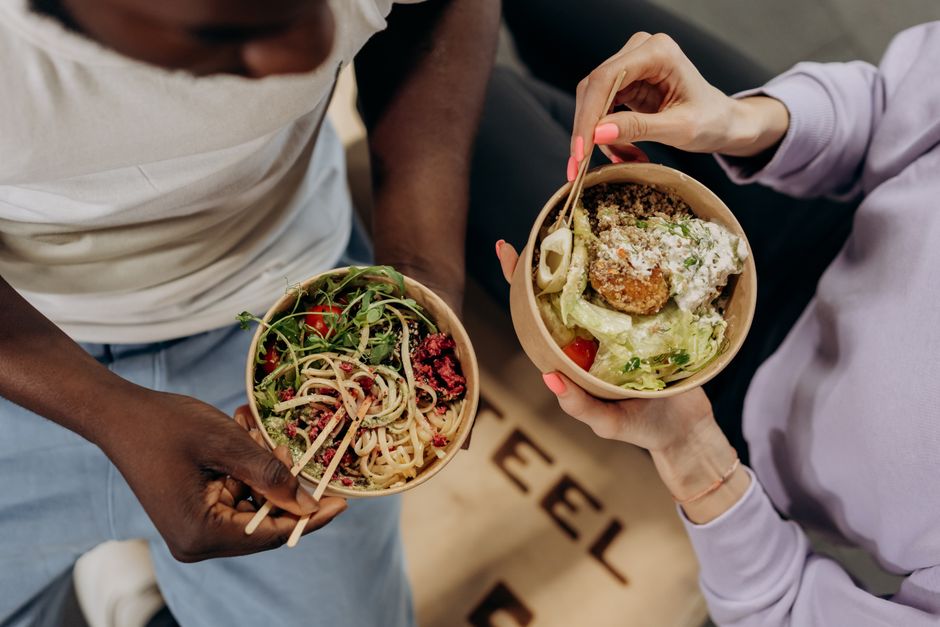
- Bowl meals: Start by eating all the greens and roasted vegetables at the bottom before layering in the grain and protein on top.
- Soup and sandwich: Have a broth-based vegetable soup first, then move to the sandwich.
- Salad with a grain side: Eat the salad before moving to rice, quinoa, or bread.
If post-lunch energy dips are a recurring problem, the piece on Meal Timing for Stable Afternoon Energy offers additional context on why food order and timing interact.
Dinner
Dinner is where this habit is easiest to build. Most dinner plates already include a vegetable side. The adjustment is simply starting there.
- Roasted broccoli, zucchini, or asparagus: Eat these first before touching the protein or starch.
- Salad as a true starter: Serve a small green salad and finish it before the main plate arrives.
- Stir-fry: Scoop out the vegetables first and eat several bites before combining with rice or noodles.
Dinner eating habits also connect to sleep quality. If you are curious about how meal timing and food order at night affect rest, the article on Sleep Quality and Evening Digestion explores that connection.
For a related angle on why heavy dinners affect digestion specifically, Why Your Digestion Feels Heavy After Dinner and How Eating Vegetables First Changes Everything is worth a read.

Practical Notes for Real Life
You do not need a perfect plate. If your meal is a mixed dish like a stew or casserole, eating vegetables first is less applicable. This habit is most useful at structured meals where components are visible and separate.
Raw versus cooked vegetables both work. The key mechanism is fiber content, which remains largely intact whether the vegetable is raw or lightly cooked. Cooking does not eliminate this benefit.
Portion size still matters. Eating vegetables first helps regulate appetite and blood sugar, but it works alongside a generally balanced eating pattern, not as a standalone fix for a high-calorie or low-nutrient diet.
Speed matters too. Rushing through your vegetable starter defeats part of the purpose. Chewing slowly and pausing before moving to the next food gives fiber time to slow gastric emptying. If meal pacing is something you are working on, Digestive Bloating From Rushed Meals covers why chewing speed and pause breaks are often more impactful than food swaps.
A Simple Way to Start
You do not need to restructure every meal at once. Choose one meal today, most likely dinner since it has the clearest vegetable sides, and commit to eating your vegetables first for one week. Notice how you feel during the meal, how hungry you are an hour afterward, and whether your energy holds steadier in the couple of hours that follow.
Once that feels natural, apply it to lunch. Breakfast may require a bit more creativity, but it is entirely doable with a small shift in what you prepare.
If you want broader support for building sustainable eating habits, the Clean Body Mentor newsletter includes practical weekly guidance that fits into real schedules.
Disclaimer: This article is for general educational and informational purposes only and is not a substitute for medical advice, diagnosis, or treatment. Health needs vary by individual. Consult a qualified healthcare professional before making significant changes to your diet, exercise routine, supplements, medication, or treatment plan, especially if you have a medical condition, are pregnant or breastfeeding, take medication, or have concerns about your symptoms.
Sources
- Imai S, et al. “Eating vegetables before carbohydrates improves postprandial glucose excursions.” Diabetes Care, 2014. (Journal of the American Diabetes Association)
- Shukla AP, et al. “Food Order Has a Significant Impact on Postprandial Glucose and Insulin Levels.” BMJ Open Diabetes Research and Care, 2015. (Weill Cornell Medicine research team)
- Slavin JL. “Dietary fiber and body weight.” Nutrition, 2005. (Elsevier; overview of fiber’s role in satiety and gastric emptying)