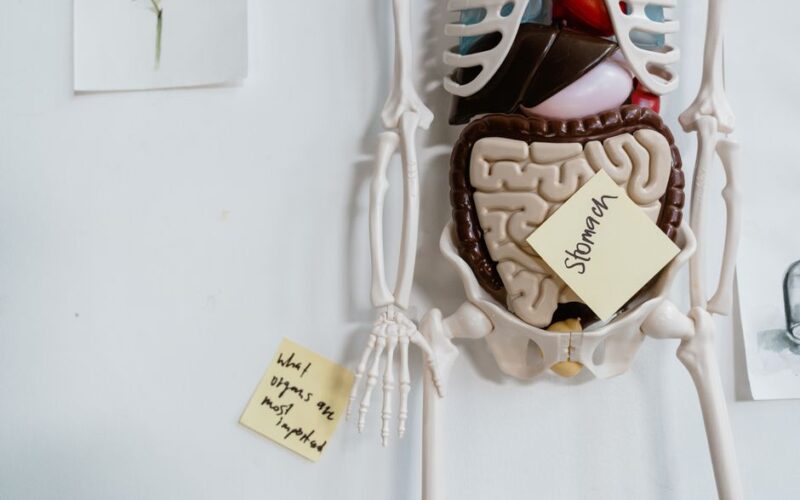


If your stomach starts growling before your second cup of coffee, your breakfast probably lacks the right protein source or the right pairing around it. A single scrambled egg or a handful of almonds rarely cuts it. What actually works is a specific combination of protein, fat, and fiber that slows digestion, blunts blood sugar spikes, and keeps hunger hormones quiet for a solid four hours.
This review walks through nine breakfast combos across three protein categories: plant-based, dairy, and whole eggs. Each was tested for satiety, flavor, texture, and ease of preparation. Before you try all nine, understanding why your morning hunger returns by 9am and which breakfast pairing prevents it gives helpful context on the hormonal mechanics behind early hunger.
How These Combos Were Evaluated
Each breakfast was assessed on four criteria:
- Satiety duration: Did hunger stay manageable for at least four hours?
- Energy quality: Did focus and mood hold steady, or did a crash appear by mid-morning?
- Flavor and texture: Was it enjoyable enough to repeat on a busy weekday?
- Practical prep time: Could it realistically be made in 10 minutes or fewer?
Protein targets stayed between 20 and 30 grams per meal, which research suggests is a reasonable range for appetite regulation at breakfast. A 2020 review in the journal Nutrients found that breakfasts delivering at least 25 grams of protein reduced hunger hormone ghrelin more effectively than lower-protein meals across multiple studies (source: MDPI Nutrients, 2020).
Plant-Based Combos
Combo 1: Tofu Scramble with Hemp Seeds and Sourdough
Firm tofu scrambled with turmeric, garlic, and spinach, topped with two tablespoons of hemp seeds (about 10 grams of protein on their own), served alongside a slice of whole-grain sourdough. Total protein lands close to 28 grams.
Satiety result: Strong. The combo of tofu protein, hemp seed fats, and sourdough fiber held hunger until well past noon on most test mornings. Texture is the biggest variable: extra-firm tofu gives the best result.
Verdict: Best all-around plant-based option. Takes about 8 minutes.
Combo 2: Lentil and Vegetable Hash
Cooked green lentils pan-sauteed with diced sweet potato, red onion, and paprika. Lentils deliver roughly 18 grams of protein per cooked cup plus significant fiber. Adding a tablespoon of tahini brings total protein toward 22 grams.
Satiety result: Good, though slightly shorter duration than Combo 1. The fiber load from lentils and sweet potato is a meaningful contributor. For more on plant proteins and their satiety profiles, see Plant-Based Protein Sources Ranked by Satiety, Cost, and Real-Life Ease.
Verdict: Excellent for meal prep. Reheat from the fridge in 3 minutes.
Combo 3: Edamame Bowl with Brown Rice and Miso Dressing
One cup of shelled edamame (17 grams of protein) over half a cup of cooked brown rice, drizzled with white miso, sesame oil, and rice vinegar. Total protein: roughly 23 grams.
Satiety result: Moderate. Energy stayed steady, but hunger started creeping in around the three-hour mark for lighter eaters. Add a soft-boiled egg if you are not strictly plant-based to push satiety closer to four hours.
Verdict: Best for savory-breakfast fans who batch-cook rice on Sundays.
Dairy-Based Combos
Combo 4: Full-Fat Greek Yogurt Parfait with Chia and Walnuts
One cup of plain full-fat Greek yogurt (about 20 grams of protein), layered with one tablespoon of chia seeds, a small handful of walnuts, and a few berries. Total protein: close to 25 grams.
Satiety result: Excellent. The combination of casein protein from yogurt, omega-3 fats from walnuts, and fiber from chia seeds created one of the longest satiety windows tested. No mid-morning energy dip.
Verdict: Best two-minute dairy option. No cooking required.
Combo 5: Cottage Cheese with Sliced Avocado and Pumpkin Seeds
One cup of low-fat cottage cheese (about 25 grams of protein) alongside half an avocado and one tablespoon of pumpkin seeds. Simple, filling, and surprisingly satisfying when sprinkled with smoked paprika.
Satiety result: Very good. The fat from avocado slows gastric emptying, pairing well with cottage cheese’s slower-digesting casein. Energy stayed even for four-plus hours.
Verdict: Underrated combo. Prep time under 3 minutes.
Combo 6: Ricotta on Rye with Pistachios
Two tablespoons of part-skim ricotta on two slices of rye crispbread, topped with sliced pistachios and a drizzle of honey. Protein reaches about 18 grams, which is on the lower end.
Satiety result: Moderate. Enjoyable and quick, but the protein count alone was not enough for people with larger appetites. Adding a small glass of kefir brings total protein to around 24 grams and improves the result.
Verdict: Good for lighter eaters or as a complement to a morning smoothie. See Smoothie Ingredients That Keep You Full for pairing ideas.

Whole-Egg Combos
Combo 7: Three-Egg Veggie Frittata
Three whole eggs whisked with diced zucchini, cherry tomatoes, and feta, baked in a small oven-safe pan for 12 minutes. Protein lands around 22 grams. Leftovers reheat well.
Satiety result: Outstanding. The combination of yolk fat, egg white protein, and vegetable fiber produced the most consistent four-hour satiety across all combos tested. Feta adds flavor without overwhelming sodium.
Verdict: Best option for weekend batch-cooking. One bake covers three mornings.
Combo 8: Two-Egg Scramble with Black Beans and Salsa
Two whole eggs scrambled with half a cup of canned black beans, topped with fresh salsa. Total protein: roughly 24 grams. Takes 7 minutes.
Satiety result: Very good. The beans add both protein and fiber that extends fullness past the egg contribution alone. A genuinely satisfying savory breakfast.
Verdict: Great weekday rotation meal.
Combo 9: Soft-Boiled Eggs with Smoked Salmon and Rye
Two soft-boiled eggs alongside two ounces of smoked salmon on one slice of rye toast. Protein reaches close to 26 grams. The omega-3 fats from salmon add an additional satiety and anti-inflammatory benefit, according to research from the National Institutes of Health on dietary fat and appetite hormones.
Satiety result: Excellent. One of the most nutrient-dense combos tested and genuinely enjoyable.
Verdict: Worth the slightly higher cost for the nutritional payoff.
What the Testing Actually Showed
A clear pattern emerged: protein alone does not determine how long you stay full. The winners across all three categories paired protein with either slow-digesting fat or fiber-rich carbohydrates, and ideally both. Low-fat, high-protein-only options (like plain low-fat yogurt with no add-ins) consistently underperformed on satiety despite adequate protein numbers.
For anyone building a sustainable breakfast habit, the practical takeaway is straightforward: pick one combo from any category that fits your taste and schedule, prepare it four days in a row, and note your hunger timing. That data is more useful than any generalized chart.
If you want to extend the satiety framework to the rest of your day, Building a High-Protein Lunch Bowl That Keeps You Full Until 6pm applies the same pairing logic to midday meals.
Start with one recipe this week. Even one consistent, well-built breakfast can shift your energy and focus in ways that feel disproportionately large compared to the effort it takes.
This article is for general educational and informational purposes only and is not a substitute for medical advice, diagnosis, or treatment. Health needs vary by individual. Consult a qualified healthcare professional before making significant changes to your diet, exercise routine, supplements, medication, or treatment plan, especially if you have a medical condition, are pregnant or breastfeeding, take medication, or have concerns about your symptoms.

Sources
- Leidy, H.J. et al. “The role of protein in weight loss and maintenance.” The American Journal of Clinical Nutrition, 2015. (American Society for Nutrition)
- Dhillon, J. et al. “Perspectives on the Effect of Protein on Satiety and Subsequent Food Intake.” Current Developments in Nutrition, 2020.
- National Institutes of Health Office of Dietary Supplements: Omega-3 Fatty Acids fact sheet (ods.od.nih.gov)
- MDPI Nutrients journal: protein and ghrelin review, 2020 (mdpi.com/journal/nutrients)