

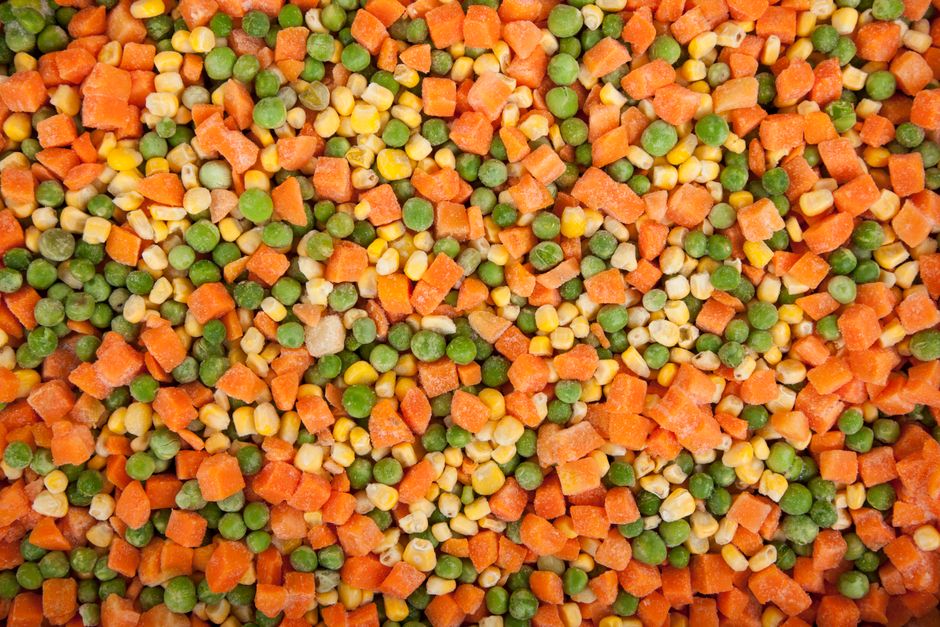
Fresh produce has a reputation problem that frozen does not deserve to inherit. The image of limp, watery frozen vegetables comes mostly from overcooking them in the 1970s. Today, the science tells a different story: many frozen vegetables are harvested at peak ripeness and flash-frozen within hours, locking in vitamins and flavor before the slow nutrient loss of refrigerated transport has a chance to begin.
A report from the University of California, Davis, published in the Journal of Agricultural and Food Chemistry, found that frozen produce often matched or exceeded fresh in levels of key nutrients including vitamin C, beta-carotene, and folate. The USDA also acknowledges that frozen and canned vegetables count toward daily vegetable targets just as fresh ones do.
For five specific vegetables, frozen is not just an acceptable backup. It is genuinely the better call most of the year, in terms of frozen vegetables nutrition and cost. Here is the breakdown.
1. Spinach: The One That Fresh Cannot Win
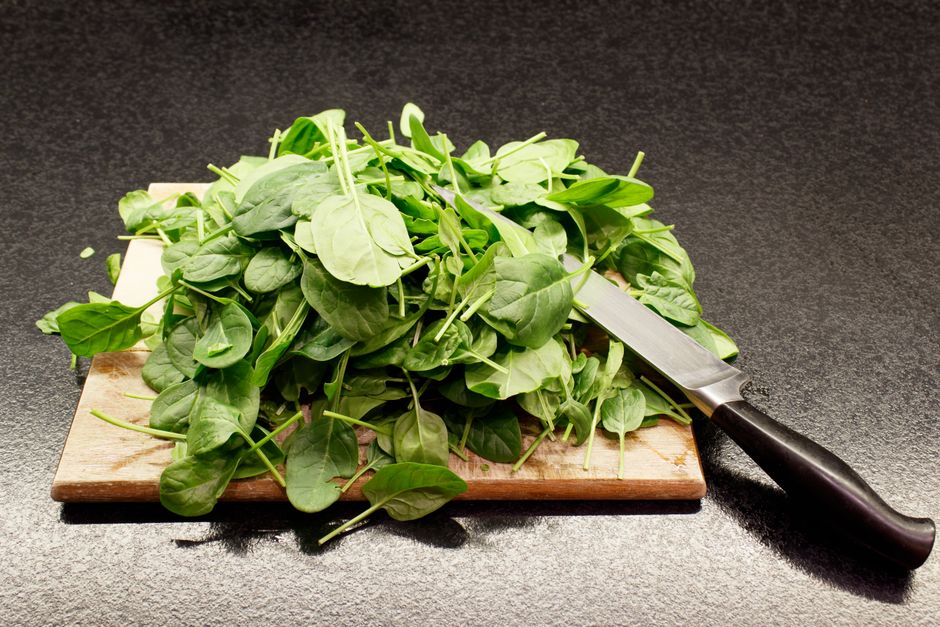
Fresh spinach wilts the moment heat touches it and loses nearly half its folate within a week of harvest, according to a Penn State study published in the Journal of Food Science. Frozen spinach skips that window entirely. It is blanched and frozen at peak nutrient density, giving you roughly the same folate and iron per serving without the guilt of watching a whole bag turn slimy in your crisper drawer.
Practically, frozen spinach is a workhorse. It blends into smoothies without altering the flavor, folds into pasta sauces and soups, and adds bulk to egg dishes without needing to be washed, dried, or massaged. A 16-ounce bag of frozen spinach typically costs around $2 to $2.50 and replaces what would be two or three bags of fresh at double the price.
If you are working on high-fiber meals or balanced dinners, frozen spinach is one of the easiest nutrient-dense additions you can make without adding prep time.
2. Broccoli: Flavor That Peaks Before It Hits the Shelf
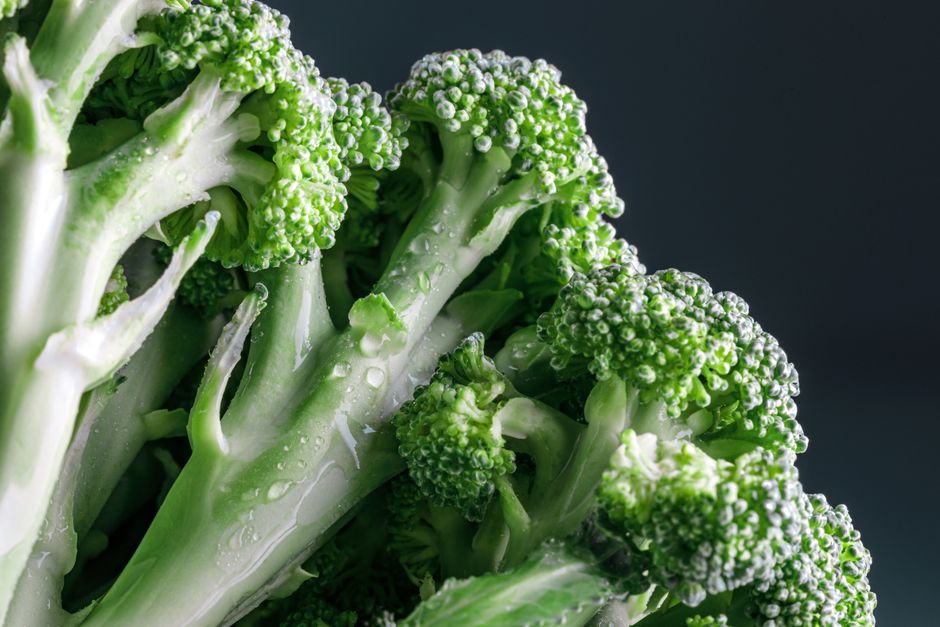
Fresh broccoli starts converting its sugars to starch the moment it is cut. By the time it reaches a store shelf and then sits in your refrigerator for a few days, its sweetness has dimmed noticeably. Frozen broccoli is cut and frozen within hours of harvest, which preserves that mild, slightly sweet flavor better than any refrigerated transportation chain can.
On the nutrition side, broccoli frozen within hours of harvest retains strong levels of vitamin C and glucosinolates, the compounds research associates with cellular protection. Overcooking is the enemy here: steam or roast frozen broccoli florets just until tender and you will notice the difference compared to the gray, soft version that gave frozen vegetables a bad name.
Cost-wise, a large bag of frozen broccoli florets runs about $2 to $3 and keeps for months. Fresh broccoli crowns cost more and have roughly a one-week useful window.
3. Peas: Frozen Is the Original
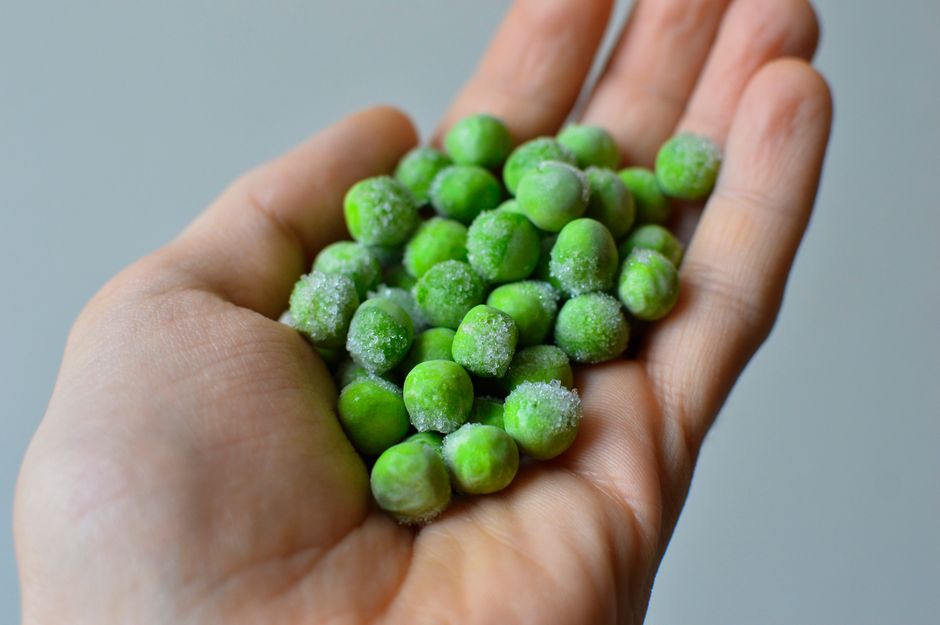
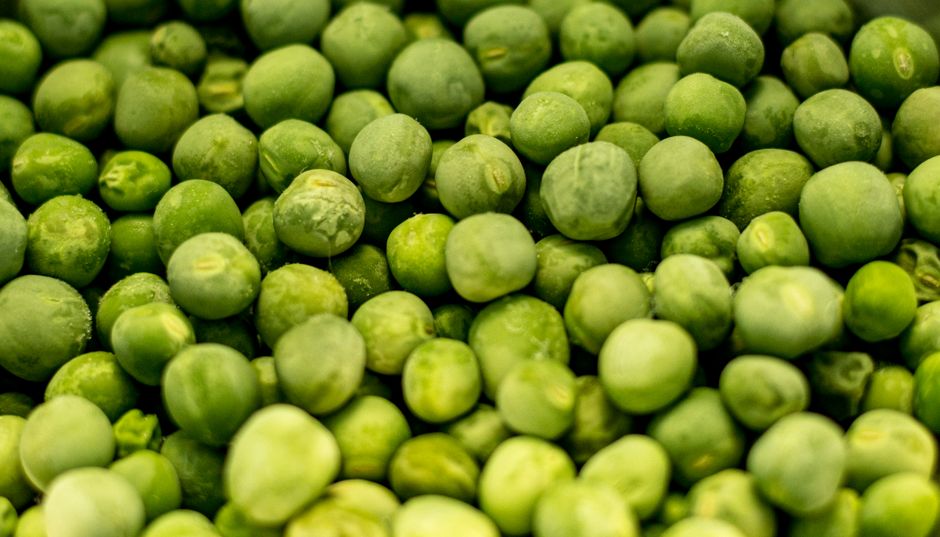
There is a reason professional kitchens keep frozen peas in the freezer and rarely bother sourcing fresh ones outside of spring peak season. Fresh peas convert their sugars to starch within hours of picking, making them noticeably starchy and bland by the time they arrive at a grocery store. Frozen peas are blanched and frozen so quickly after harvest that food writer Harold McGee and others have long noted they are arguably never available “fresh” in any meaningful way outside of a farm.
Nutritionally, frozen peas carry solid fiber, plant-based protein, and vitamin K. They cook in two to three minutes, add color and sweetness to rice dishes, soups, and grain bowls, and cost around $1.50 to $2 per pound. If you are building plant-based dinners that deliver complete protein, pairing peas with a grain rounds out the amino acid profile efficiently and cheaply.
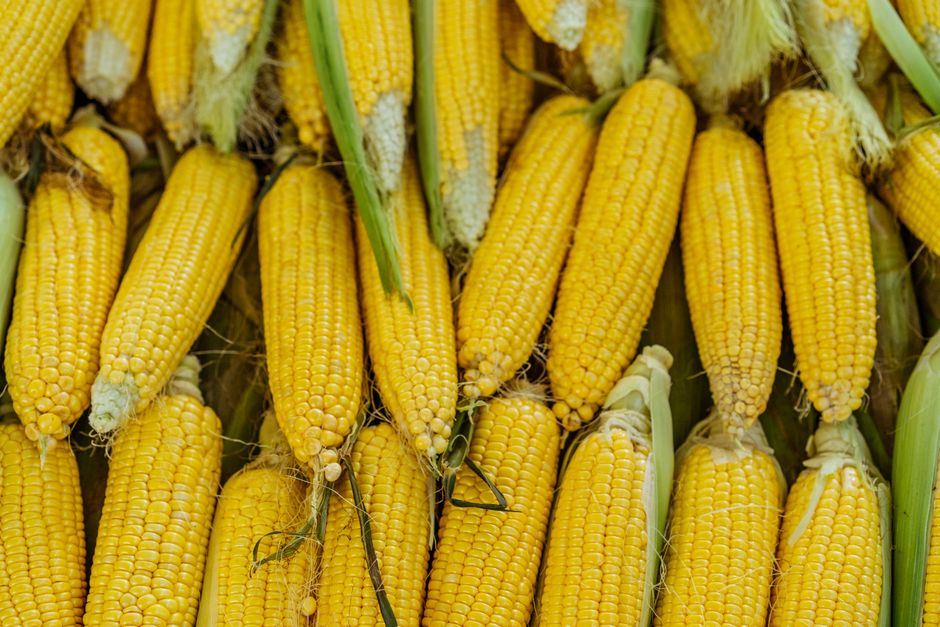
4. Corn: The Summer Flavor You Can Have in January
Frozen corn is picked at the peak of summer sweetness and frozen immediately, which means you get that bright, slightly milky corn flavor in the middle of winter when fresh corn is either unavailable or traveling thousands of miles. Fresh off-season corn is almost always disappointing: starchy, pale, and expensive.
From a frozen vegetables nutrition and cost perspective, corn holds up well. It provides B vitamins, fiber, and antioxidants including lutein and zeaxanthin, which research published by the American Journal of Clinical Nutrition has associated with eye health. A bag of frozen corn kernels costs roughly $1.50 to $2.50 and requires no shucking, cutting, or planning.
Frozen corn works in everything from stir-fries and tacos to soups and grain bowls, and it thaws in minutes. This is one of those cases where the frozen version is genuinely the smarter choice for balanced eating without seasonal restrictions.
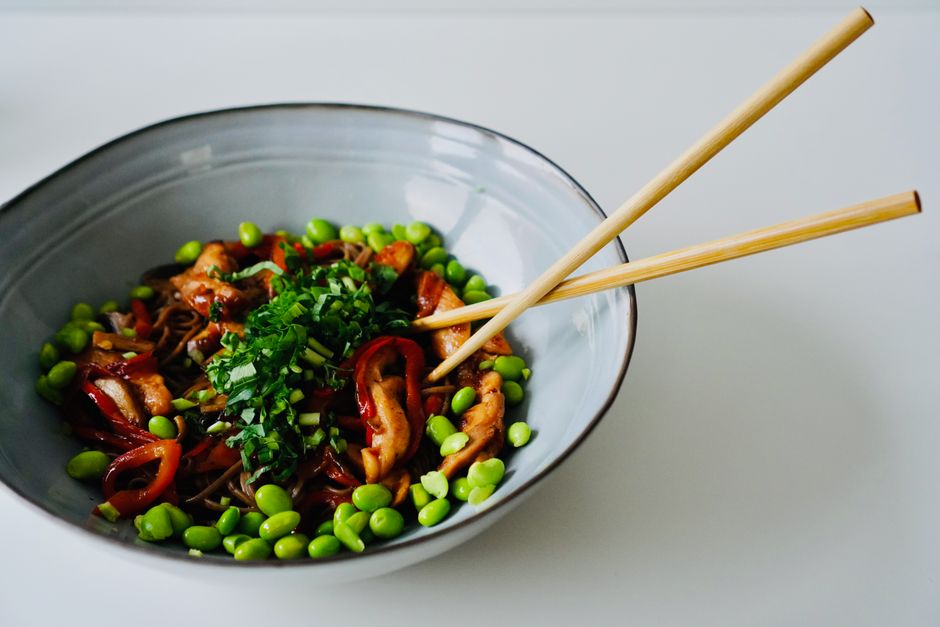
5. Edamame: Year-Round Protein at a Fraction of the Cost
Edamame is rarely sold fresh outside of specialty stores and farmers markets during a narrow summer window. Frozen shelled edamame is available everywhere, year-round, and delivers a nutritional profile that is hard to beat: about 8 grams of plant protein per half cup, plus fiber, iron, and calcium.
Cost is another advantage. Frozen shelled edamame runs about $3 to $4 per 16-ounce bag and can stretch across multiple meals as a snack, salad topper, grain bowl addition, or quick side. It is one of the most affordable complete plant proteins available in a grocery store freezer aisle.
If you are exploring whole-food plant proteins ranked by cost and satiety, edamame consistently holds its own against more expensive protein sources like hemp seeds or specialty legumes.
A Note on How to Cook Frozen Vegetables Without Losing Their Edge
Most of the “frozen vegetables are bad” reputation comes from boiling them until they fall apart. The better approaches are roasting at high heat (around 425 degrees Fahrenheit) directly from frozen to get slight caramelization, or steaming briefly in the microwave with a tablespoon of water and a covered bowl. Both methods preserve texture and flavor far better than waterlogged stovetop boiling.
For smoothies and soups, no special technique is needed. Frozen spinach and peas blend or simmer beautifully without thawing.
Where Frozen Does Not Always Win
This article is not an argument against fresh produce entirely. Seasonal shopping has real advantages, and for vegetables where texture is central to the dish, tomatoes, cucumbers, and leafy lettuces, fresh is still the better choice. If you want to understand when fresh is worth the premium and how to shop seasonally without overspending, Seasonal Eating on a Real Budget covers the practical tradeoffs well.
The honest answer on frozen vegetables nutrition and cost is this: for spinach, broccoli, peas, corn, and edamame, the freezer aisle consistently beats the produce section in nutrient retention, affordability, and year-round availability.
One Small Shift Worth Making
Choose one of the five vegetables above and add a bag to your cart this week. Cook it in a way that is new to you, roasted broccoli instead of steamed, peas in a grain bowl, spinach blended into a morning smoothie. Build from there. Small, consistent changes to how you shop and cook add up meaningfully over time without requiring a complete overhaul of your routine.
For more practical guidance on eating well without overspending or overcomplicating it, the Clean Body Mentor newsletter delivers actionable ideas weekly.
This article is for general educational and informational purposes only and is not a substitute for medical advice, diagnosis, or treatment. Health needs vary by individual. Consult a qualified healthcare professional before making significant changes to your diet, exercise routine, supplements, medication, or treatment plan, especially if you have a medical condition, are pregnant or breastfeeding, take medication, or have concerns about your symptoms.
Sources
- Rickman, J.C., Barrett, D.M., and Bruhn, C.M. “Nutritional comparison of fresh, frozen, and canned fruits and vegetables.” Journal of the Science of Food and Agriculture, 2007. (University of California, Davis)
- USDA MyPlate: “All forms of vegetables count” guidance on fresh, frozen, and canned vegetables (USDA.gov)
- Favell, D.J. “A comparison of the vitamin C content of fresh and frozen vegetables.” Food Chemistry, 1998.
- American Journal of Clinical Nutrition: research on lutein and zeaxanthin and eye health (cited by the American Optometric Association and others)


