

Most people troubleshoot slow digestion by adjusting fiber, cutting certain foods, or reaching for a supplement. Those changes can help, but there is a simpler variable most people overlook entirely: whether they moved their body that day.
If you have ever noticed that you feel lighter and more comfortable on days you walk outside but sluggish and bloated on full rest days, you are not imagining it. The digestion and movement connection is real, and it works through several mechanisms that have nothing to do with your meal choices. Here is what is actually happening.
1. Walking Stimulates Intestinal Contractions That Rest Cannot Replicate
Your digestive tract uses rhythmic muscle contractions called peristalsis to push food and waste forward. These contractions do not run on autopilot at full efficiency. Physical movement, especially the repetitive motion of walking, stimulates nerve signals along the gut wall that help coordinate and speed up this process.
Research published in the Journal of Gastrointestinal and Liver Diseases found that physical activity significantly accelerates gastrointestinal transit time, meaning food spends less time sitting in your colon. Shorter transit time is linked to less bloating, less gas buildup, and more regular elimination.
On sedentary days, those same contractions become sluggish. The gut is not broken; it is simply missing the mechanical prompting that walking provides.
Practical note: Even a 10-to-15 minute walk after a meal can meaningfully support transit. You do not need a long hike or structured workout. If this kind of post-meal movement appeals to you, Why Your Digestion Feels Sluggish After Meals and How Posture Fixes It pairs well with this idea.
2. Outdoor Walking Shifts Your Nervous System Into Digestive Mode
Your autonomic nervous system controls digestion, and it has two competing states. The sympathetic (fight-or-flight) state diverts blood and energy away from the gut. The parasympathetic (rest-and-digest) state routes resources back to digestion and absorption.
Here is the counterintuitive part: a gentle outdoor walk actually promotes the parasympathetic state. The combination of light aerobic effort, natural light exposure, and reduced screen time calms stress hormones and lowers cortisol enough to support digestive function rather than suppress it.
A sedentary day spent sitting at a desk, scrolling, or managing stress often keeps cortisol elevated without any physical outlet, which can quietly hold your nervous system in a state that is not favorable for gut motility. Digestive Sluggishness vs. Nervous System Stress: Why Your Gut Slows When You Rush and What to Do About It explores this nervous-system angle in more depth.
3. Movement Redistributes Blood Flow to Support Absorption
Digestion requires substantial blood supply to the small intestine for absorbing nutrients. Prolonged sitting compresses abdominal circulation and shifts blood toward inactive muscles in a passive, less efficient pattern.
Walking increases overall circulation, and after you finish and return to rest, blood flow to the digestive organs rebounds efficiently. This means that nutrient absorption in the hours following a walk may be more effective than absorption during a fully sedentary day, when circulation to the gut remains relatively stagnant.
This connection between movement and nutrient delivery also has implications for how your body uses the meals you eat. If you are interested in optimizing what you eat alongside how you move, How to Eat Vegetables First at Meals for Better Digestion and Stable Blood Sugar offers a practical food-order strategy that pairs naturally with movement timing.
4. Walking Reduces Gas Pressure Through Physical Mechanics
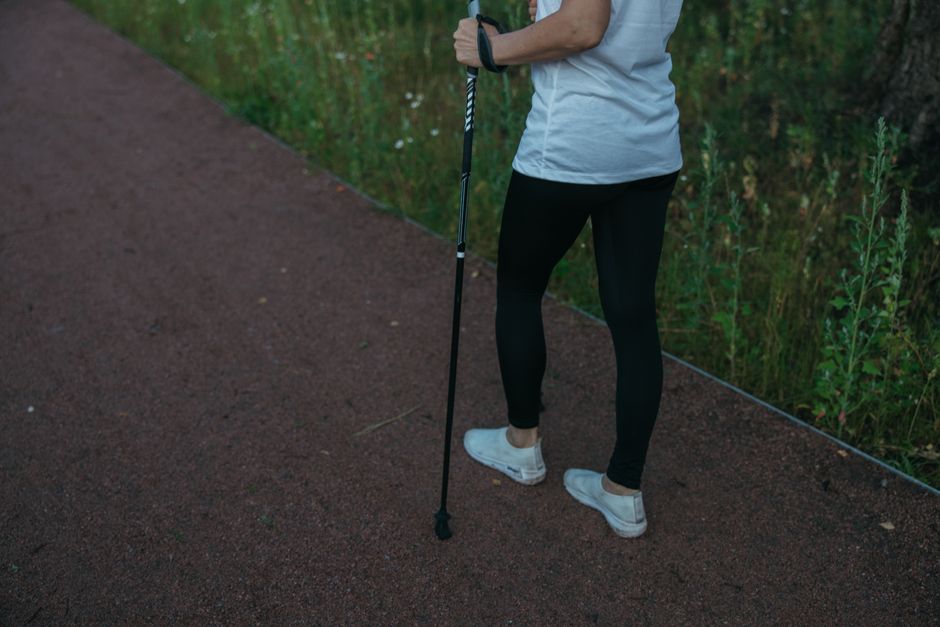
Gas buildup is one of the most common causes of discomfort after eating, and it is sensitive to body position and movement. When you walk upright, your core gently engages, your posture lengthens, and the natural compression and release of abdominal muscles helps move trapped gas through the intestinal tract.
Sitting, especially in a slumped position, does the opposite. It folds the torso, slows the movement of gas pockets, and can trap them in uncomfortable sections of the colon, particularly around the hepatic and splenic flexures where the large intestine bends.
This is a simple mechanical reality, not a dietary problem. If you are eating the same foods and experiencing more bloating on rest days, body position and the absence of walking may be the primary variable. Five Reasons You Feel Bloated After Healthy Meals (And Which Eating Habits Actually Fix It) addresses several contributing factors, including some that interact with movement habits.
5. Outdoor Light Exposure Helps Regulate Your Gut Clock
Your digestive system follows a circadian rhythm. Gut motility, enzyme secretion, and intestinal permeability all shift across the day in patterns that are partly regulated by light signals processed through the brain’s master clock.
When you walk outside in natural daylight, especially in the morning or early afternoon, you reinforce the light cues that help synchronize your gut clock. This means digestive processes tend to run more on schedule: hunger signals arrive at appropriate times, gastric emptying stays predictable, and elimination patterns stay consistent.
On days you stay indoors under artificial light or skip outdoor exposure entirely, that circadian reinforcement is weaker. Your gut clock can drift slightly, contributing to unpredictable digestion, irregular elimination, or a sense that your system feels “off” without an obvious dietary reason.
Research from the National Institute of General Medical Sciences confirms that circadian disruption affects many organ systems, including gastrointestinal function. Getting outside, even briefly, may do more for your digestive regularity than you expect.
How to Use This Information Without Overhauling Your Day
You do not need to walk for an hour or follow a rigid schedule to benefit from the digestion and movement connection. Small, consistent habits tend to produce the most sustainable results.
A few approaches that are easy to start:
- Take a 10-to-20 minute outdoor walk after lunch or dinner on most days.
- On genuine rest days from structured exercise, consider a short easy stroll rather than full sedentary stillness.
- Try to get some outdoor daylight in the morning even on non-workout days to support your gut clock.
- If bloating is a recurring issue on low-movement days, try standing or walking gently after meals before sitting for a long stretch.
If you want to explore the broader relationship between outdoor movement and sustainable health, Outdoor Walking vs. Gym Strength Training for Sustainable Fat Loss and Mood: An Honest Comparison for Beginners offers a straightforward look at where walking fits in a realistic wellness routine.
Choose one of these habits, apply it consistently for two weeks, and notice whether your digestion responds. Small adjustments often reveal more than dramatic overhauls.
This article is for general educational and informational purposes only and is not a substitute for medical advice, diagnosis, or treatment. Health needs vary by individual. Consult a qualified healthcare professional before making significant changes to your diet, exercise routine, supplements, medication, or treatment plan, especially if you have a medical condition, are pregnant or breastfeeding, take medication, or have concerns about your symptoms.
Sources
- Johannesson, E. et al. “Physical activity improves symptoms in irritable bowel syndrome.” American Journal of Gastroenterology, 2011. (National Library of Medicine, PubMed)
- Mearin, F. et al. “Physical activity and gastrointestinal motility.” Journal of Gastrointestinal and Liver Diseases, referenced in multiple clinical reviews.
- National Institute of General Medical Sciences. “Circadian Rhythms.” (nigms.nih.gov)
- Konturek, P.C. et al. “Gut clock: implication of circadian rhythms in the gastrointestinal tract.” Journal of Physiology and Pharmacology, 2011.


