

If you have ever eaten a generous plant-based dinner and felt hungry again an hour later, the issue probably was not portion size. It was protein quality. Many home cooks put together nutritious-looking dinners that are short on one or more essential amino acids, or that lack the fiber-protein-fat balance that signals lasting fullness to your brain and gut.
Complete protein from plant sources is very achievable at dinner, but it requires pairing foods that together supply all nine essential amino acids. Research published in the Journal of Nutrition (NIH, 2019) confirms that complementary plant proteins consumed throughout the day, or within the same meal, can meet the full amino acid requirements of healthy adults. You do not need meat, powders, or expensive specialty products.
Below, five straightforward plant-based dinners are reviewed by three practical criteria: estimated amino acid completeness (based on established food composition data from the USDA FoodData Central), realistic cost per serving, and how well the meal supports satiety into the evening. For a broader look at individual ingredients, the Plant-Based Protein Sources Ranked by Satiety, Cost, and Real-Life Ease: A Beginner’s Whole-Food Comparison is a useful companion read.
How the Ranking Works
Each recipe is scored on three factors:
- Amino acid completeness: Does the meal deliver all nine essential amino acids in meaningful quantities when the foods are combined?
- Satiety score: Does the meal include adequate protein (at least 18-22 g per serving), fiber, and some fat to slow gastric emptying?
- Cost per serving: Estimated at US grocery averages for 2024, using pantry staples rather than specialty products.
Budget swaps are listed where the original ingredient can be expensive or hard to find.
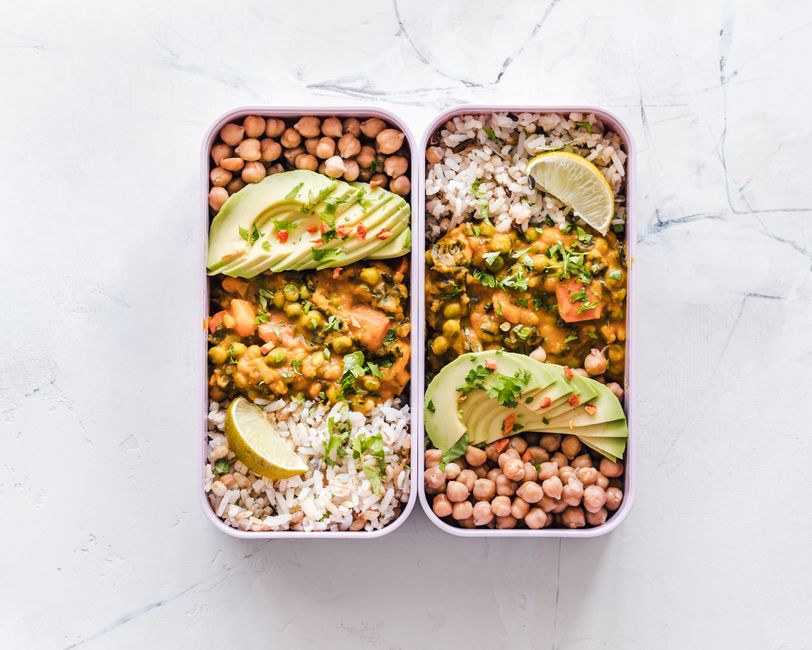
1. Black Bean and Brown Rice Bowl With Avocado and Lime (Best All-Around)
Estimated cost per serving: $2.10 | Protein: 19 g | Fiber: 14 g
Beans and rice is the classic complementary protein pair, and it earns its reputation. Brown rice supplies methionine that legumes lack; black beans supply lysine that grains lack. Together they produce a complete amino acid profile. Add half an avocado for healthy fat, a handful of shredded cabbage for extra fiber, and a squeeze of lime for brightness.
This meal supports strong satiety because the fiber slows digestion and the fat extends the fullness signal past the two-hour mark. If evening hunger spikes are a recurring problem for you, Five Reasons Your Evening Hunger Spikes After 7pm and Which Food Timing Shifts Stop It for Real explores the behavioral and physiological drivers behind it.
Budget swap: Pinto beans or lentils work equally well and are often cheaper per pound.
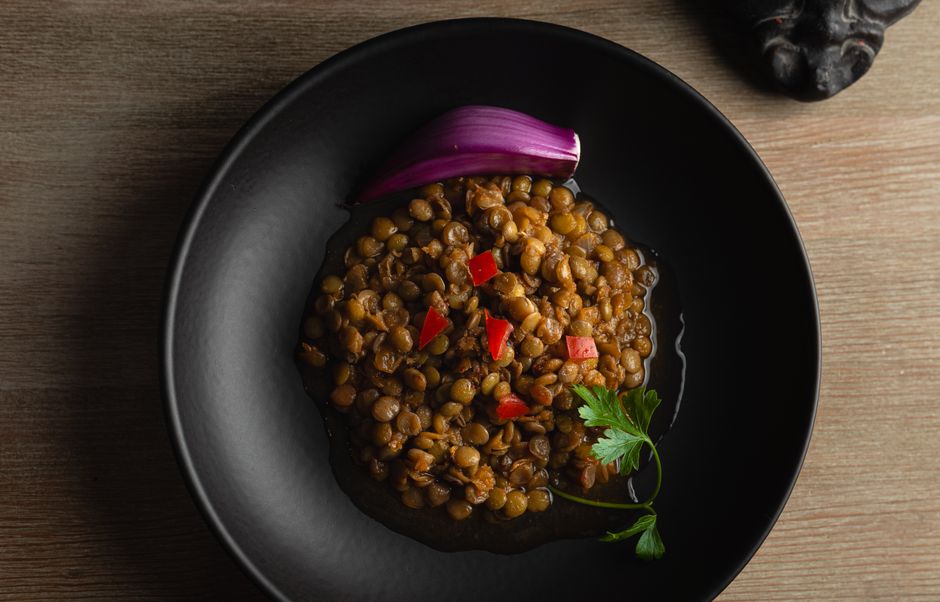
2. Lentil and Quinoa Soup With Spinach and Garlic (Best for Meal Prep)
Estimated cost per serving: $1.85 | Protein: 22 g | Fiber: 16 g
Quinoa is one of the few plant foods that is complete on its own, containing all nine essential amino acids. Pairing it with lentils doubles the lysine and adds substantial iron and folate. A generous two-cup soup serving lands at roughly 22 grams of protein, which research suggests is near the threshold that reliably suppresses appetite between dinner and bedtime for most adults (per satiety research reviewed by the International Journal of Obesity).
This is also among the most cost-effective options in this review. A batch of six servings costs under $12 at most US grocery stores using dry lentils and bulk quinoa. Spinach adds magnesium and volume without significantly raising cost.
Budget swap: Red lentils cook faster and cost about the same; barley can replace quinoa at roughly half the price, though it will lower the amino acid completeness slightly.
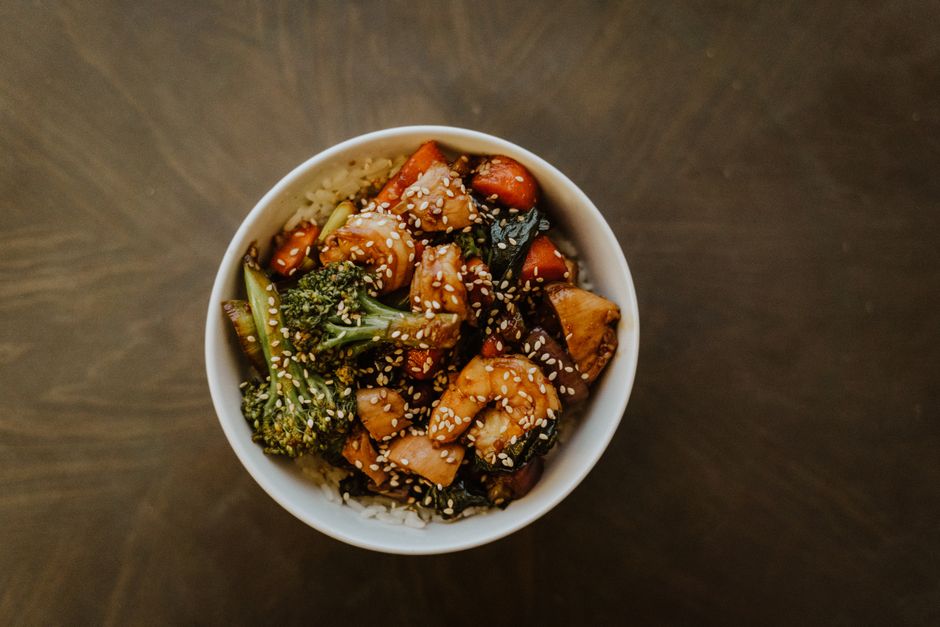
3. Edamame Stir-Fry With Tofu, Broccoli, and Sesame Brown Rice (Best for Protein Density)
Estimated cost per serving: $3.20 | Protein: 27 g | Fiber: 11 g
Both edamame and firm tofu are derived from soybeans, which are a complete protein source independently. Combining them in a stir-fry creates the highest protein density of any meal in this review at around 27 grams per serving. Broccoli contributes calcium and additional fiber. A light sesame-soy sauce keeps sodium moderate if you use low-sodium soy sauce or tamari.
The slightly higher cost reflects tofu and edamame prices. This is the meal to choose when protein density is the priority, for example, on strength-training days. For guidance on timing meals around workouts, Workout Nutrition Timing: When to Eat Protein and Carbs for Real Muscle Progress covers the evidence clearly.
Budget swap: Frozen edamame (shelled) costs roughly half the price of fresh and is nutritionally equivalent. Five Vegetables That Taste Better Frozen Than Fresh and Cost Half the Price Year-Round explains why frozen can actually be the smarter choice.
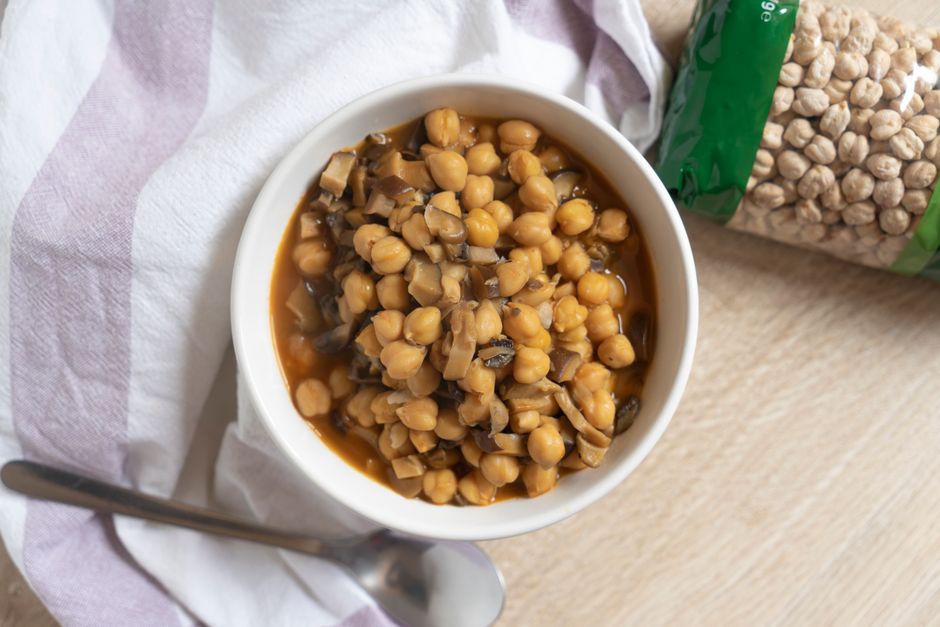
4. Chickpea and Farro Stew With Sun-Dried Tomato and Kale (Best for Flavor)
Estimated cost per serving: $2.70 | Protein: 20 g | Fiber: 13 g
Farro is an ancient wheat grain with a higher protein content than white rice, and it provides amino acids that complement chickpeas well. This combination lands close to complete when paired in a roughly 1:1 ratio by cooked volume. Sun-dried tomatoes add depth and a small amount of lycopene, while kale provides vitamin K, calcium, and additional fiber.
The stew format improves satiety beyond what a dry bowl delivers because broth volume expands in the stomach and slows eating pace. One caveat: farro contains gluten, so this recipe is not appropriate for anyone with celiac disease or a gluten sensitivity.
Budget swap: Barley or whole wheat berries are cheaper than farro and provide a similar amino acid contribution.
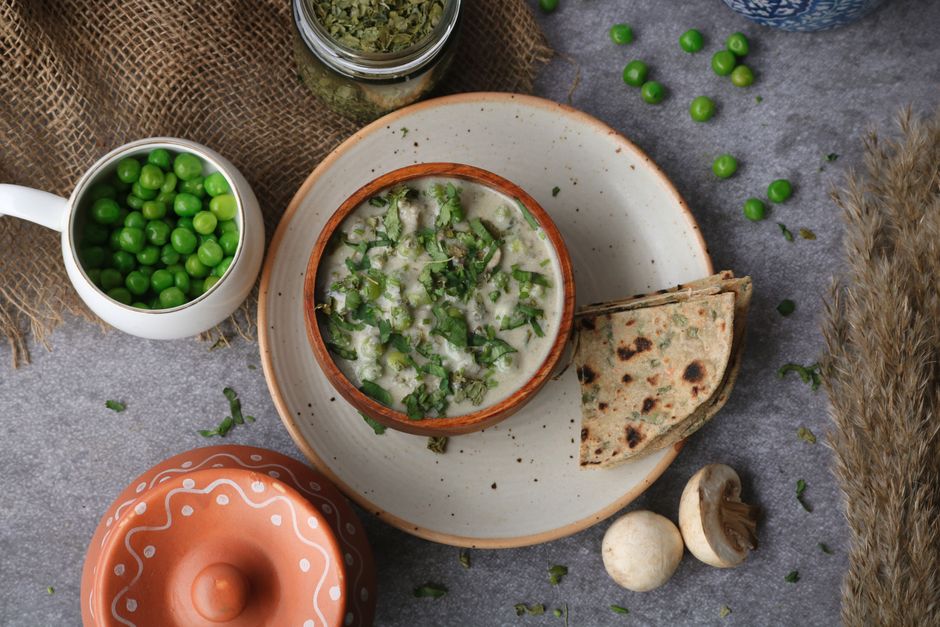
5. Split Pea Soup With Whole Wheat Bread and Hemp Seeds (Best Budget Option)
Estimated cost per serving: $1.50 | Protein: 21 g | Fiber: 15 g
Split peas are among the most affordable high-protein legumes available, and a thick split pea soup with one slice of whole wheat bread rounds out the amino acid profile effectively. Two tablespoons of hemp seeds stirred in at serving add all nine essential amino acids, omega-3 fatty acids, and another 6 grams of protein with almost no prep effort.
At roughly $1.50 per serving, this is the most budget-friendly plant-based dinner complete protein option in this review without sacrificing nutritional quality. A large pot costs under $8 and stores well in the refrigerator for four days.
Budget swap: Yellow lentils can substitute for split peas at a similar price point.
A Note on Fiber and Digestion
Several of these meals are high in fiber, which is exactly what supports satiety, but it can also cause discomfort if your gut is not adapted to it. If you are new to high-fiber plant eating, Fiber Without the Bloat: How to Add Plant Foods Gradually So Your Digestion Adapts walks through a sensible, gradual approach.
The Honest Summary
| Recipe | Protein | Fiber | Cost/Serving | Satiety Strength |
|---|---|---|---|---|
| Black Bean + Brown Rice Bowl | 19 g | 14 g | $2.10 | Strong |
| Lentil + Quinoa Soup | 22 g | 16 g | $1.85 | Very strong |
| Edamame + Tofu Stir-Fry | 27 g | 11 g | $3.20 | Very strong |
| Chickpea + Farro Stew | 20 g | 13 g | $2.70 | Strong |
| Split Pea Soup + Hemp Seeds | 21 g | 15 g | $1.50 | Very strong |
If you can only start with one, the lentil and quinoa soup offers the best combination of cost, completeness, protein content, and meal-prep efficiency.
Choose one recipe this week, make a full batch, and notice how your evening fullness and next-morning hunger compare to your usual dinner routine. Small, consistent shifts in protein quality and fiber intake tend to produce gradual, sustainable changes in body composition and energy levels over time. For more guidance on building satisfying plant-based meals across the day, the Plant-Based Dinner Proteins Ranked by Cost, Prep Time, and Real Satiety guide is a practical next step.
This article is for general educational and informational purposes only and is not a substitute for medical advice, diagnosis, or treatment. Health needs vary by individual. Consult a qualified healthcare professional before making significant changes to your diet, exercise routine, supplements, medication, or treatment plan, especially if you have a medical condition, are pregnant or breastfeeding, take medication, or have concerns about your symptoms.
Sources
- USDA FoodData Central (fdc.nal.usda.gov) – nutrient composition data for all ingredients
- van Vliet S, et al. “The Skeletal Muscle Anabolic Response to Plant- versus Animal-Based Protein Consumption.” Journal of Nutrition, 2015. (National Institutes of Health / PubMed)
- Leidy HJ, et al. “The role of protein in weight loss and maintenance.” American Journal of Clinical Nutrition, 2015. (PubMed)
- Dietary Reference Intakes for Protein and Amino Acids, Institute of Medicine (National Academies Press, 2005)


