

Plant-Based Dinner Proteins Ranked by Cost, Prep Time, and Real Satiety
If you have tried to lose weight on a plant-based diet without relying on protein powders or expensive specialty products, you already know the frustration: some foods leave you hungry an hour later, others take forever to prepare, and a few cost more than a restaurant meal. The good news is that real, whole-food plant-based protein for weight loss exists at every price point, and satiety is far more about the right combination than the raw gram count.
This guide ranks five practical dinner protein sources by three criteria that actually matter for sustainable fat loss: grocery cost per serving, realistic prep time, and how long each option keeps you genuinely full. No powders, no complex supplements, no shame.
Before diving in, it helps to understand that satiety from plant proteins comes primarily from the combination of protein, fiber, and volume. Research published by the British Journal of Nutrition suggests that higher-fiber, higher-protein meals reduce subsequent calorie intake more reliably than either nutrient alone. That principle shapes every ranking below.
1. Lentils: The Unbeaten Budget Champion
Cost per serving: roughly $0.20-0.40 (dried)
Prep time: 20-25 minutes on the stovetop, no soaking required
Satiety rating: very high
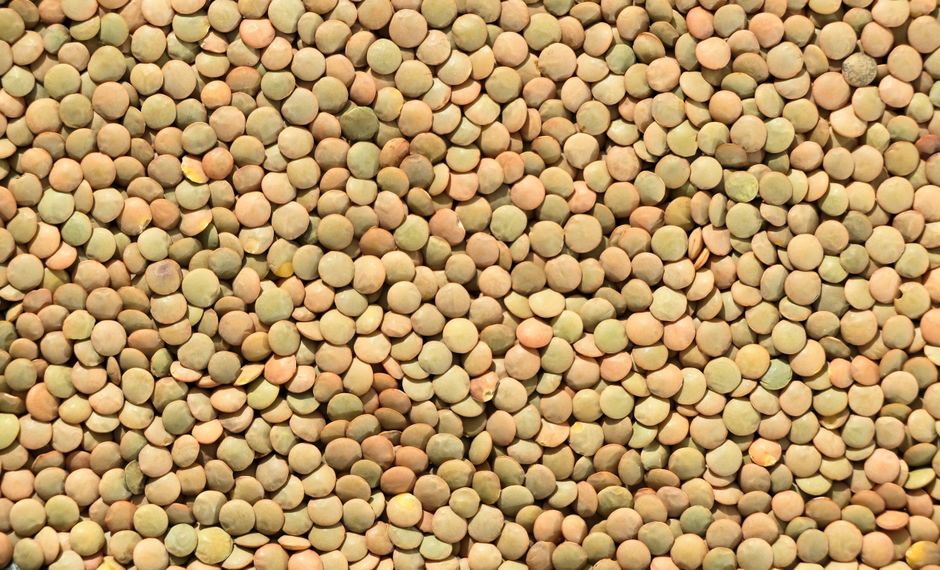
Lentils are the clearest winner for sustainable fat loss on a budget. A single cooked cup delivers about 18 grams of protein and 15 grams of fiber, a combination that slows digestion and blunts post-meal blood sugar spikes. In practical terms, a lentil-based dinner with roasted vegetables tends to hold hunger for four to five hours.
The fastest dinner move: red lentil soup with canned tomatoes, cumin, and spinach. Total active time is under 30 minutes. For a filling dinner bowl, pair cooked green lentils with a grain (quinoa or brown rice) and a drizzle of tahini for added fat, which further slows gastric emptying.
If fiber is new to your diet, start with smaller portions and build up gradually. The guide on Fiber Without the Bloat: How to Add Plant Foods Gradually So Your Digestion Adapts explains exactly how to do this without discomfort.
2. Canned Chickpeas and Black Beans: Speed and Versatility
Cost per serving: $0.30-0.60 (canned)
Prep time: 2-5 minutes (canned), no cooking required
Satiety rating: high
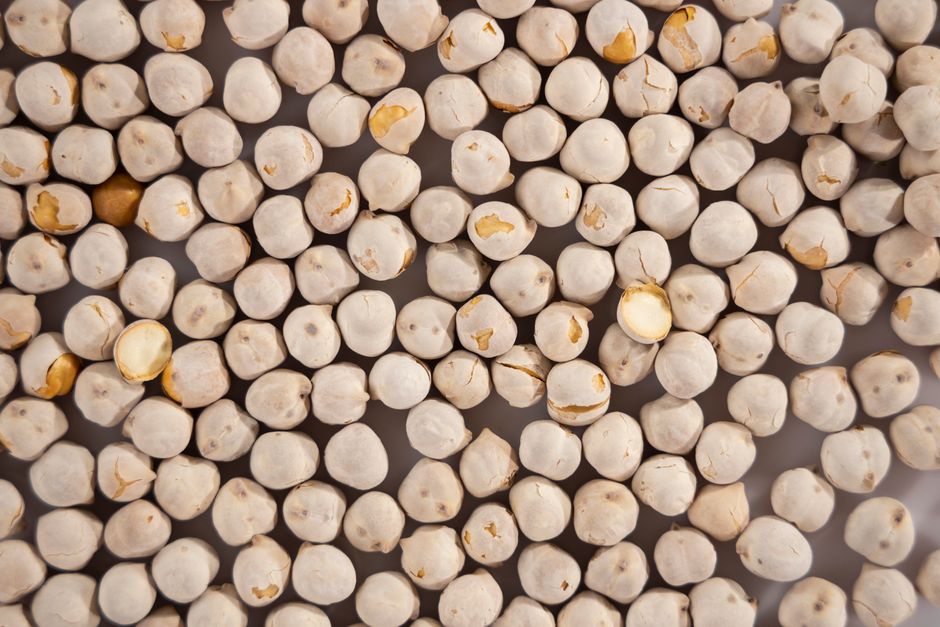
Canned legumes sacrifice a little of the cost advantage of dried but win on convenience. A drained can of chickpeas or black beans provides 14-15 grams of protein and 12-13 grams of fiber per cup. More importantly, you can have a filling dinner on the table in under ten minutes.
A practical combination: chickpeas tossed with olive oil and spices, roasted quickly at high heat, then served over greens with a lemony dressing. The fat from olive oil adds staying power. Black beans work beautifully in grain bowls or simple tacos with avocado and salsa.
For a more detailed look at how legumes compare to other whole-food proteins across multiple contexts, Whole-Food Plant Proteins Ranked by Satiety, Cost, and Prep Time covers the full picture.
3. Firm Tofu: Reliable Protein, Moderate Cost, Flexible Texture
Cost per serving: $0.70-1.20 (standard grocery store block)
Prep time: 10-20 minutes (pressing optional but recommended)
Satiety rating: moderate to high, depending on preparation
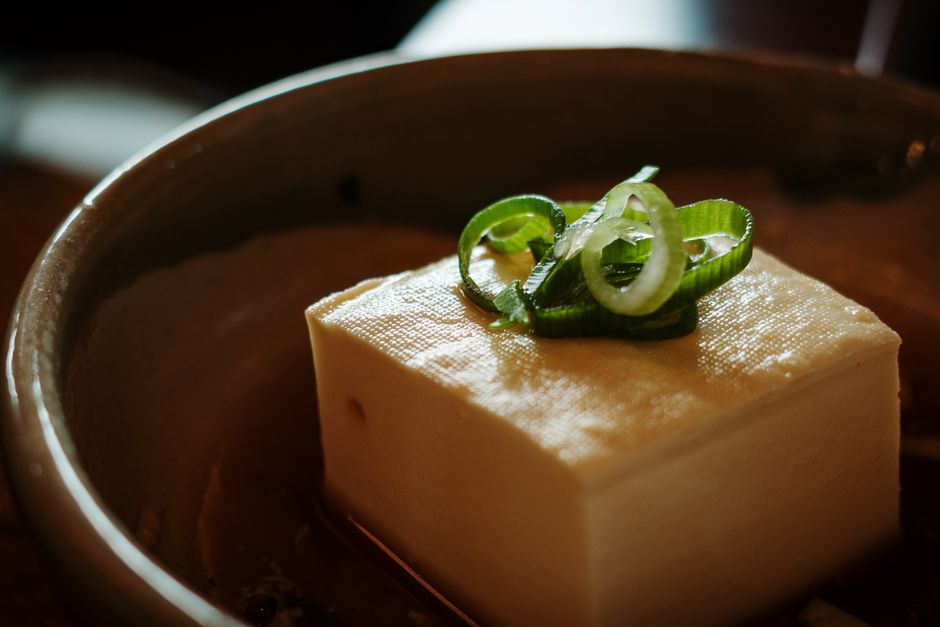
Firm tofu provides roughly 20 grams of protein per cup and is complete in essential amino acids, meaning it covers the full spectrum your body needs without combining other foods. The satiety catch is that tofu is low in fiber, so pairing it with a fiber-rich vegetable or grain is important for lasting fullness.
The best beginner approach: press tofu for 10-15 minutes, cube it, and pan-fry in a small amount of oil until golden. Serve over brown rice with steamed broccoli and a soy-ginger sauce. The fat from cooking and the fiber from broccoli turn a moderate-satiety protein into a genuinely filling meal that can hold hunger for three to four hours.
For dinner combinations that also support good sleep, Plant-Based Dinners That Deliver Complete Protein and Stable Sleep: Five Recipes Ranked by Satiety and Nutrient Timing is worth bookmarking.
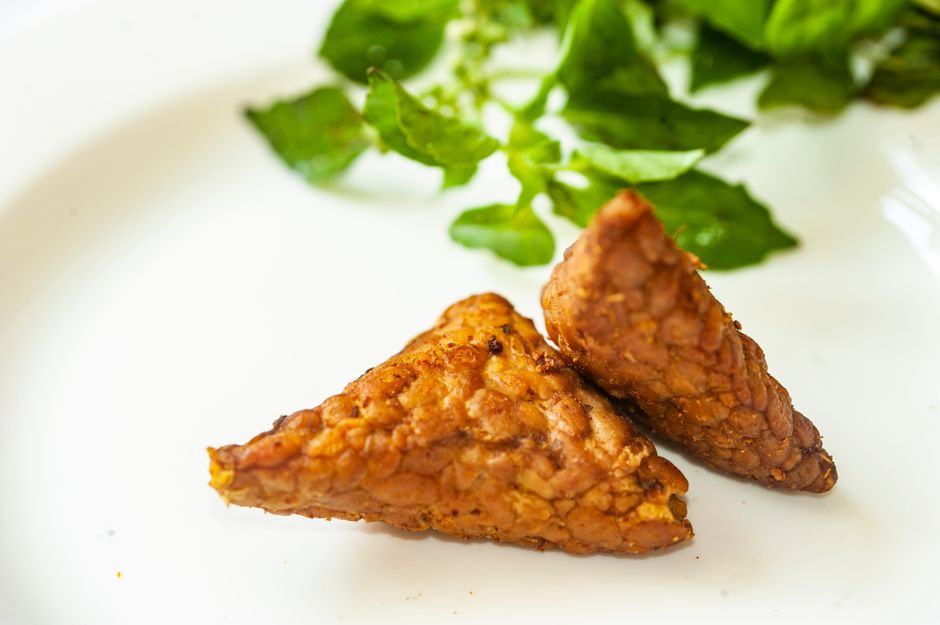
4. Tempeh: Highest Protein Density, Higher Cost
Cost per serving: $1.50-2.50
Prep time: 10-15 minutes
Satiety rating: very high
Tempeh is fermented soybean cake and it delivers the highest protein density of any whole-food plant option here: roughly 30-31 grams per cup. It also contains fiber (unlike tofu) and probiotics that may support gut health, though the fermentation benefits partially depend on how it is processed and stored.
The real-world limitation is cost. Tempeh can be two to four times more expensive than lentils per serving, which matters when you are managing a grocery budget. However, because tempeh is so satiating, a smaller portion (3-4 oz) paired with vegetables and a starchy side often satisfies for four to five hours, which can reduce snacking and overall calorie intake.
Beginner tip: slice tempeh thin and marinate it in soy sauce, garlic, and a little maple syrup for 15 minutes before pan-frying. It develops a savory crust that makes it far more approachable than eating it plain.
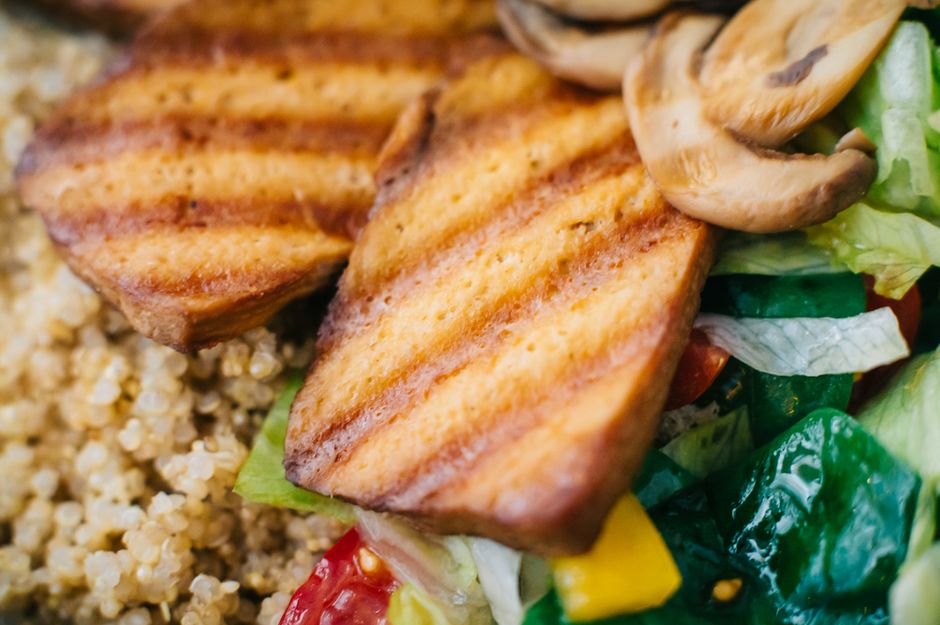
5. Seitan and Quinoa: Two Honorable Mentions With Caveats
Seitan: very high protein (25+ grams per 3.5 oz), moderate cost ($1.00-2.00 per serving), 30-60 minutes if homemade, but not suitable for people with celiac disease or gluten sensitivity.
Quinoa: a complete protein grain at 8 grams per cooked cup, affordable ($0.50-0.80), and 15-minute cook time, but low enough in total protein that it needs a legume or tofu partner to carry a dinner for weight loss purposes.
Seitan is worth trying if gluten is not a concern and you want a chewy, meat-like texture. Quinoa functions best as the grain base in a bowl rather than the primary protein source.
Putting It Together: The Combination Principle
The single most useful insight for plant-based protein and weight loss is that combinations outperform single sources. Lentils plus quinoa, tofu plus broccoli, chickpeas plus avocado: each pairing adds fiber, fat, or complementary amino acids that extend satiety well beyond what either food achieves alone.
For dinner specifically, research from the American Journal of Clinical Nutrition suggests that evening meals higher in protein and fiber are associated with reduced late-night hunger. That is relevant if you tend to graze after dinner, a common pattern that can quietly stall fat loss progress.
For additional combinations that build complete amino acid profiles without powders, Plant-Based Protein Combinations That Deliver Complete Amino Acids Without Meat or Powders is a practical companion to this guide.
A Realistic Starting Point
Choose one protein from this list that fits your current budget and schedule, and commit to it for two weeks of dinners. Small, consistent changes in how you build meals create more sustainable fat loss than overhauling everything at once. If you want more practical weekly guidance, the Clean Body Mentor newsletter covers evidence-informed meal ideas and habit strategies you can actually use.
Sources
- Slavin, J. (2013). Fiber and Prebiotics: Mechanisms and Health Benefits. Nutrients, 5(4), 1417-1435. (PubMed)
- Paddon-Jones, D. et al. (2008). Protein and Satiety. American Journal of Clinical Nutrition, 87(5), 1558S-1561S.
- Messina, M. (2016). Soy and Health Update. Nutrients, 8(12), 754. (PubMed)
- USDA FoodData Central: nutritional values for lentils, chickpeas, tofu, tempeh, quinoa, and seitan.
This article is for general educational and informational purposes only and is not a substitute for medical advice, diagnosis, or treatment. Health needs vary by individual. Consult a qualified healthcare professional before making significant changes to your diet, exercise routine, supplements, medication, or treatment plan, especially if you have a medical condition, are pregnant or breastfeeding, take medication, or have concerns about your symptoms.


