


You have probably noticed the price gap at the grocery store: a pint of tomatoes in January costs twice what it does in August, and it tastes like cardboard. That price difference is not random. It reflects transportation costs, cold storage losses, and the simple fact that produce grown out of its natural window needs far more intervention to reach your cart.
Eating with the season is often framed as a lifestyle choice for people with extra time and money. The opposite is true. Buying what is growing right now is one of the most reliable ways to stretch a food budget while actually improving what lands on your plate. Here is how the numbers and the nutrition compare, season by season.
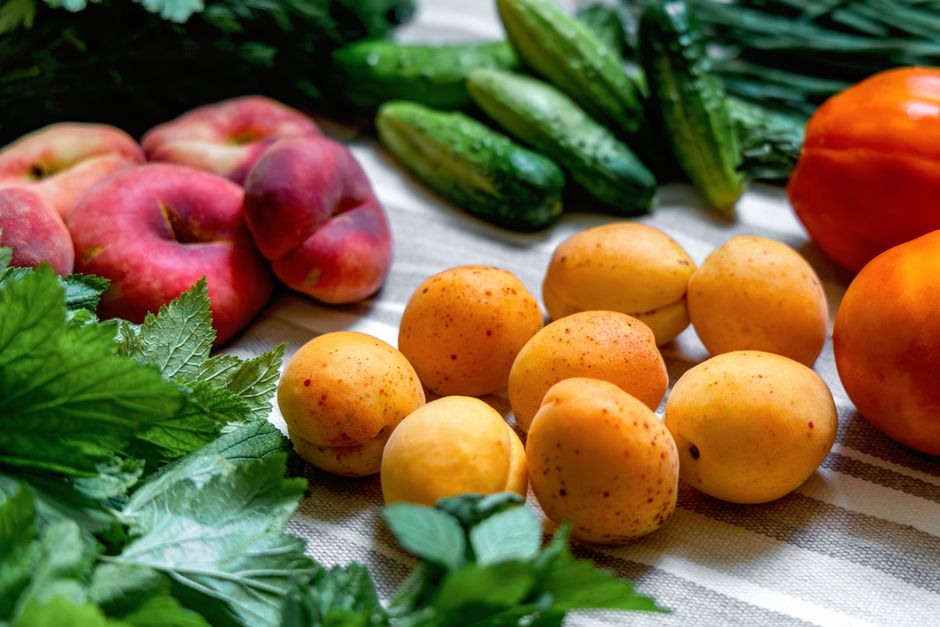
Why Seasonal Produce Costs Less (and Tastes Better)
When a vegetable is harvested at peak regional abundance, supply is high and transportation is short. Prices drop because growers do not need to move product across hemispheres or hold it in controlled-atmosphere storage for months. Both of those processes add cost and time, and time in storage degrades water-soluble vitamins.
Research published in the Journal of Agricultural and Food Chemistry has found that some vegetables lose a meaningful percentage of folate, vitamin C, and other heat- and light-sensitive nutrients during extended storage. Broccoli held at room temperature, for example, can lose roughly half its glucosinolate content within days of harvest. Buying in-season, locally grown produce shortens that window significantly.
The practical takeaway: seasonal produce is cheaper at the register and richer in the nutrients you are paying for. That is a genuine win on both sides of the equation.
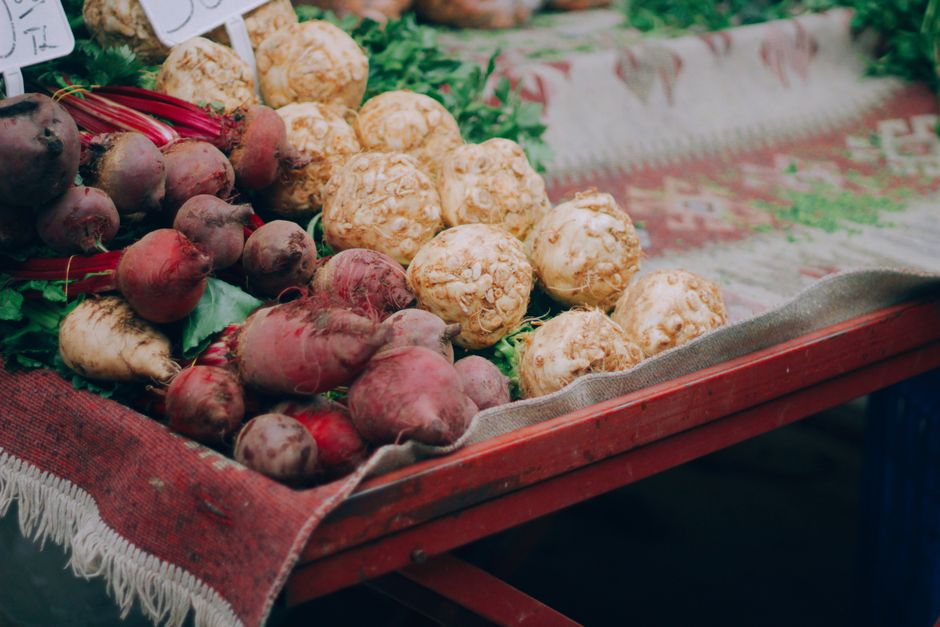
A Season-by-Season Cost Comparison
The vegetables below represent common cross-season price swings documented by USDA Agricultural Marketing Service data. Prices vary by region and retailer, but the directional patterns are consistent.
Spring (March through May)
In season and affordable: asparagus, spinach, peas, radishes, spring onions, Swiss chard
Asparagus is a clear example. In-season bunches regularly sell for under two dollars per pound at mainstream grocery stores. Out of season, that same weight often climbs to four or five dollars and arrives limp. Spinach harvested in cool spring weather is tender and high in folate, iron, and vitamin K. Spinach shipped in summer heat wilts faster and often arrives already yellowing at the edges.
For a deeper look at how to build spring meals around what costs least, the guide on Seasonal Eating on a Real Budget: Why Spring Greens and Root Vegetables Cost Less Than You Think breaks this down further.
Summer (June through August)
In season and affordable: zucchini, tomatoes, corn, bell peppers, cucumbers, green beans, eggplant
Summer is the most dramatic season for price drops. Zucchini and cucumbers can cost as little as fifty cents per pound at peak harvest. Bell peppers, which are expensive imports in winter, drop to under a dollar each in August. The lycopene concentration in vine-ripened tomatoes is measurably higher than in tomatoes picked green and ripened in storage, according to research from the USDA Agricultural Research Service.
This is also the best season to prep and freeze vegetables for later months. Blanching and freezing corn, green beans, or zucchini at peak season locks in nutrients and dramatically cuts your fall grocery bill.
Fall (September through November)
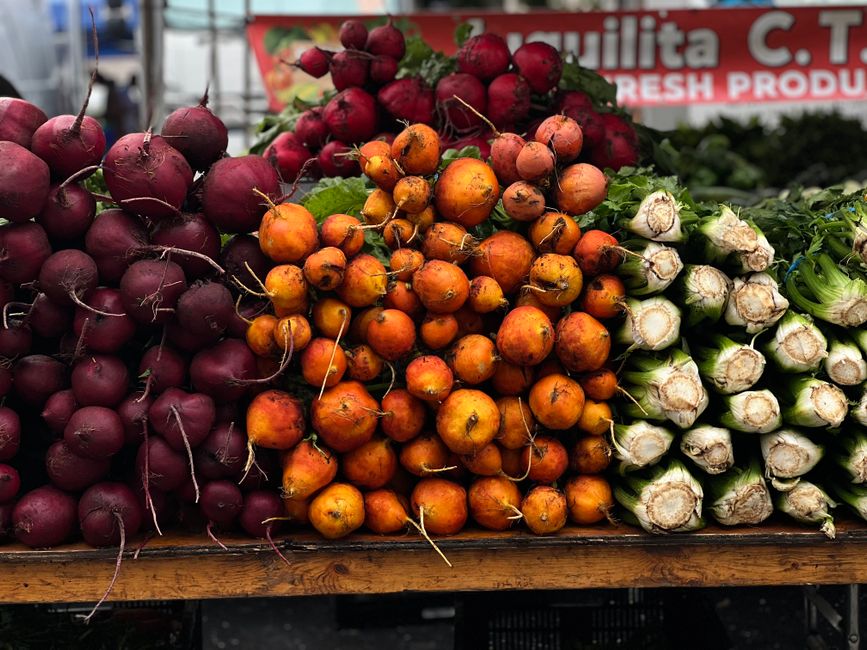
In season and affordable: butternut squash, sweet potatoes, broccoli, cauliflower, Brussels sprouts, kale, beets
Fall is arguably the most budget-friendly season for nutrient density per dollar. Butternut squash is rich in beta-carotene and potassium, stores well without refrigeration for weeks, and sells for around one dollar per pound in October. Sweet potatoes follow the same pattern: affordable, shelf-stable, high in fiber and vitamin A.
Broccoli and Brussels sprouts hit their nutritional and flavor peak in cool fall weather. Cold temperatures trigger the conversion of starches to sugars in cruciferous vegetables, which improves taste and may also concentrate glucosinolate compounds linked to antioxidant activity.
If you find yourself frequently buying frozen broccoli instead of fresh, the article on Five Vegetables That Taste Better Frozen Than Fresh and Cost Half the Price Year-Round explains when freezing is genuinely the smarter choice.
Winter (December through February)
In season and affordable: cabbage, carrots, turnips, parsnips, celeriac, leeks, winter squash varieties
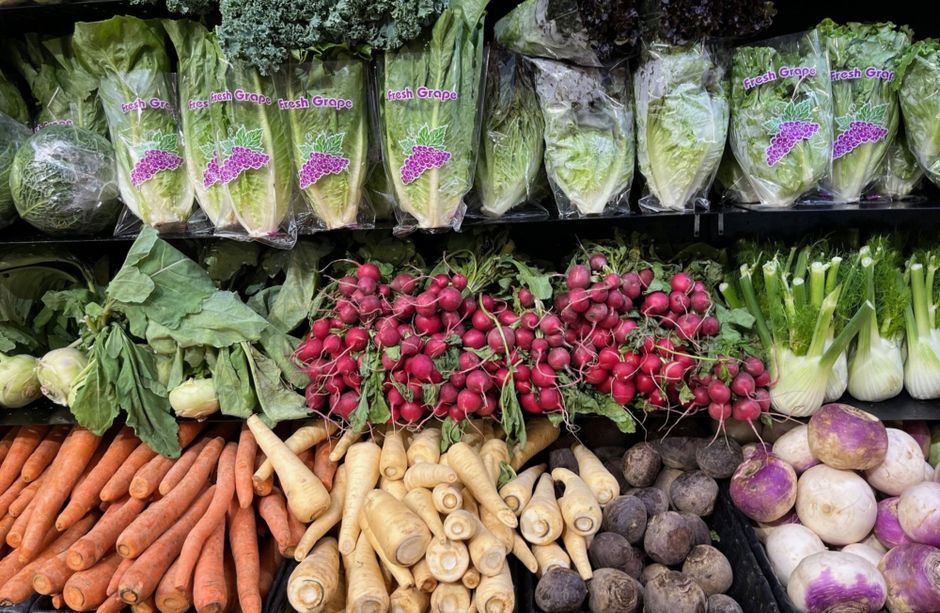
Winter is where most shoppers overspend by chasing summer produce. A bag of cabbage costs under two dollars and delivers substantial amounts of vitamin C, vitamin K, and glucosinolates. Carrots are one of the most cost-effective vegetables in any season, but they are especially economical and nutrient-dense in winter because they are a true cold-storage crop, not degraded by months of refrigeration the way leafy greens are.
For more detail on how root vegetables shift in price across months, Seasonal Produce Price Shifts: Why Winter Root Vegetables Cost Half What Spring Greens Do and How to Shift Your Cart Year-Round is worth reading before your next trip to the store.
The Frozen Option: A Practical Bridge
Fresh in-season produce is ideal, but frozen vegetables deserve a place in this conversation. Produce frozen at peak harvest retains most of its micronutrient content, and the price per serving is often lower than fresh even during peak season. Frozen peas, corn, and spinach are practical year-round staples that cost less than their out-of-season fresh counterparts with comparable nutritional value.
Frozen vegetables work especially well in soups, stir-fries, and blended dishes. If you are building a smoothie with leafy greens, frozen spinach is cheaper than fresh and blends just as smoothly.
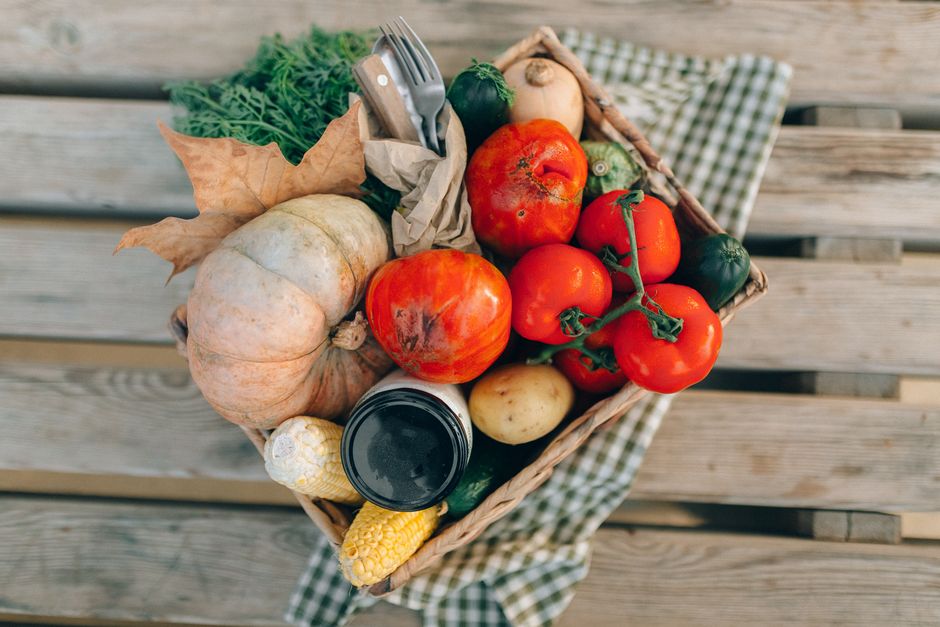
How to Shift Your Cart Without Overthinking It
You do not need a seasonal produce calendar pinned to your refrigerator. A simpler approach: when you walk into the produce section, look first at what is stacked in large quantities at lower prices. Abundance signals season. That pile of discounted butternut squash in October is the store telling you what is cheapest and freshest right now.
A few practical habits that reinforce seasonal buying:
- Build one meal per week around the cheapest vegetable in the produce section that day.
- Buy a larger quantity of one seasonal vegetable and use it across three different preparations: roasted, raw, and blended.
- Compare the per-pound price of any vegetable you regularly buy against its frozen equivalent before deciding which to take home.
Choose one of those shifts this week and try it consistently for a month. Small, repeatable changes in grocery habits tend to stick better than full meal-plan overhauls, and the savings add up quickly across a season.
For more guidance on building nutrient-dense meals within a real food budget, explore the Clean Body Mentor newsletter for weekly practical ideas delivered straight to your inbox.
This article is for general educational and informational purposes only and is not a substitute for medical advice, diagnosis, or treatment. Health needs vary by individual. Consult a qualified healthcare professional before making significant changes to your diet, exercise routine, supplements, medication, or treatment plan, especially if you have a medical condition, are pregnant or breastfeeding, take medication, or have concerns about your symptoms.
Sources
- USDA Agricultural Marketing Service, Specialty Crops Market News: seasonal price reports for fresh vegetables
- USDA Agricultural Research Service: tomato lycopene and ripening research
- Favell, D.J. (1998). “A comparison of the vitamin C content of fresh and frozen vegetables.” Food Chemistry, 62(1), 59-64.
- Wennberg, M. et al. (2006). “Effect of harvest date and storage on the content of glucosinolates in Swedish white cabbage.” Journal of the Science of Food and Agriculture
- Journal of Agricultural and Food Chemistry: nutrient retention studies in stored brassicas and leafy greens


