

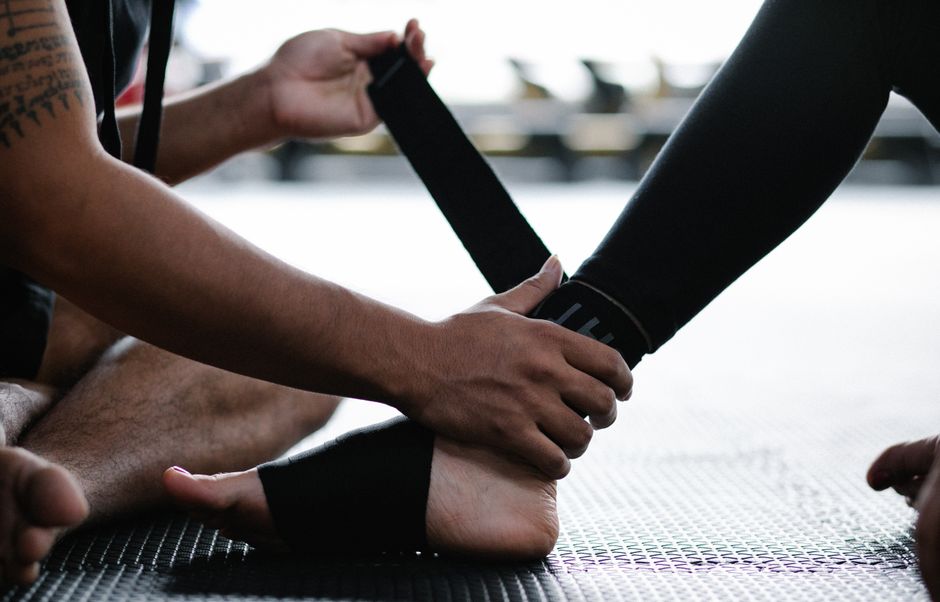
You finish a long workday, stand up from your chair, and the first few steps feel oddly unsteady. Your ankles feel stiff, your arches feel flat, and climbing a single flight of stairs takes more effort than it should. This is not an age problem or a fitness failure. It is a movement problem, and it is extremely common among people who spend six or more hours sitting each day.
Prolonged sitting shortens the calf muscles, reduces blood flow to the feet, and allows the small intrinsic foot muscles to weaken from disuse. Over time, the ankle loses the proprioceptive sharpness, meaning the body’s sense of joint position, that keeps you balanced on uneven ground. Research published in the Journal of Foot and Ankle Research notes that sedentary behavior is associated with reduced plantar muscle activity and altered arch mechanics.
The good news: the foot and ankle respond well to targeted, progressive loading. You do not need equipment, a gym membership, or a long session. You need a short, consistent routine that respects where you are right now and builds week by week.
This tutorial gives you exactly that. If you want deeper context on why sitting affects your feet so specifically, the companion guide How to Restore Foot Strength and Mobility When Desk Work Has Locked Your Ankles is a useful starting read.
Why Foot and Ankle Muscles Weaken at a Desk
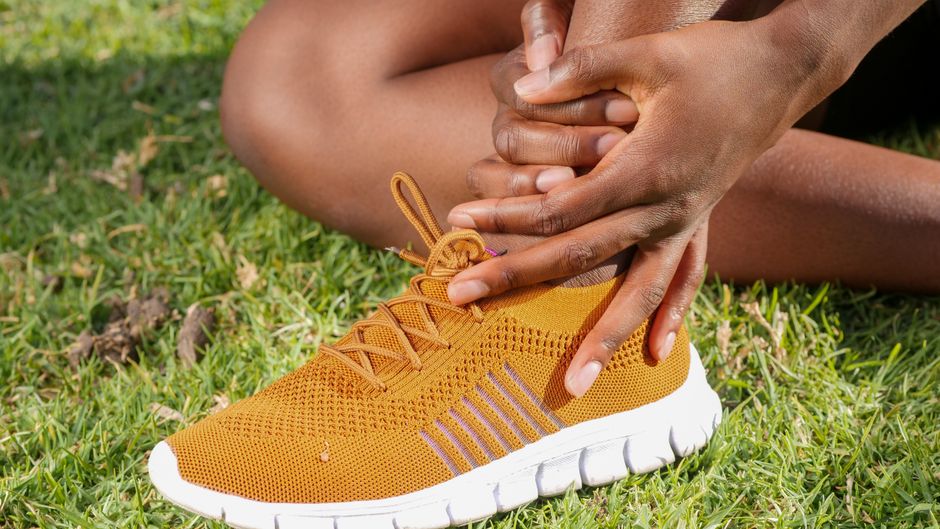
When you sit, your ankles are largely fixed in a neutral or slightly plantarflexed position. The calf complex (gastrocnemius and soleus) shortens. The tibialis anterior, the muscle running up the shin, barely fires. Most critically, the intrinsic foot muscles, the small muscles that control arch height and toe splay, get almost no stimulation.
Without regular loading, these muscles lose both strength and coordination. The result is a foot that relies too heavily on passive structures like ligaments and the plantar fascia for support. That sets up a cycle of arch fatigue, ankle instability, and a higher risk of common overuse injuries when you do move.
This is also why tight calves and weak ankles can quietly sabotage your walking habit even when you are otherwise trying to stay active.
The Three-Week Progressive Routine
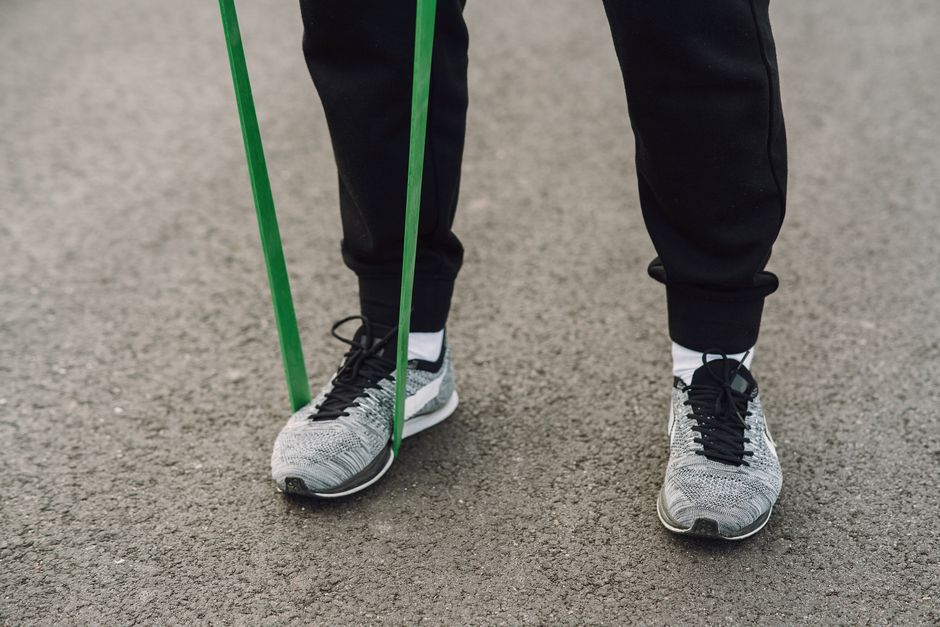
This routine is organized in three phases. Each phase lasts roughly one week. Move to the next phase only when the current exercises feel smooth and controlled, not effortful just to complete the reps. Three sessions per week is sufficient; daily practice is fine if your feet are not sore.
Do these exercises barefoot or in minimal footwear on a firm, flat surface. If you have a diagnosed foot condition or recent ankle injury, check with a qualified healthcare professional before beginning.
Phase 1: Reawaken (Week 1)
The goal here is to reconnect with muscles that have been quiet, not to load them heavily.
Toe Spread and Press (2 sets of 10 reps per foot)
Sit in a chair. Spread all five toes as wide as you can, hold for two seconds, then press the ball of the foot firmly into the floor. Release. This reactivates the intrinsic muscles without stressing the ankle.
Towel Scrunch (2 sets of 20 reps per foot)
Place a small towel flat on the floor. Use your toes to scrunch it toward your heel, then push it back out. This is a classic intrinsic muscle drill that appears consistently in foot rehabilitation protocols cited by sports medicine literature.
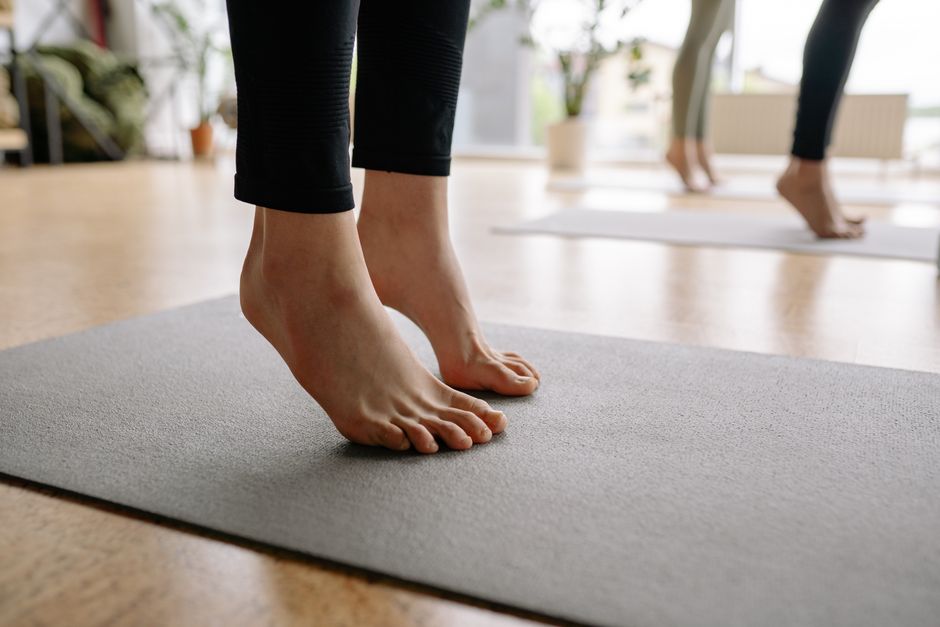
Calf Raise, Slow Tempo (2 sets of 12 reps)
Stand with feet hip-width apart, hands lightly touching a wall for balance. Rise onto the balls of your feet over three counts, pause at the top for one count, lower over three counts. The slow tempo matters more than the number of reps.
Beginner modification: Do calf raises seated first, pushing through the ball of the foot while sitting, before attempting the standing version.
Phase 2: Load and Stabilize (Week 2)
Now you begin challenging the ankle’s balance and proprioception, not just muscle strength.
Single-Leg Balance (3 sets of 20-30 seconds per side)
Stand on one foot. Keep the standing knee soft, not locked. Focus on the outer edge and big-toe side of your foot sharing the load equally. If this is easy, close your eyes for 10 seconds of the hold.
Eccentric Calf Lower (3 sets of 10 reps)
Rise onto both feet at the top of a calf raise, then lift one foot and lower slowly on one foot only over four counts. Use the wall for safety. The eccentric phase, the lowering, is where calf and ankle strength build fastest, according to evidence reviewed in Scandinavian Journal of Medicine and Science in Sports on tendon loading.
Ankle Circle with Load (2 sets of 10 reps per direction)
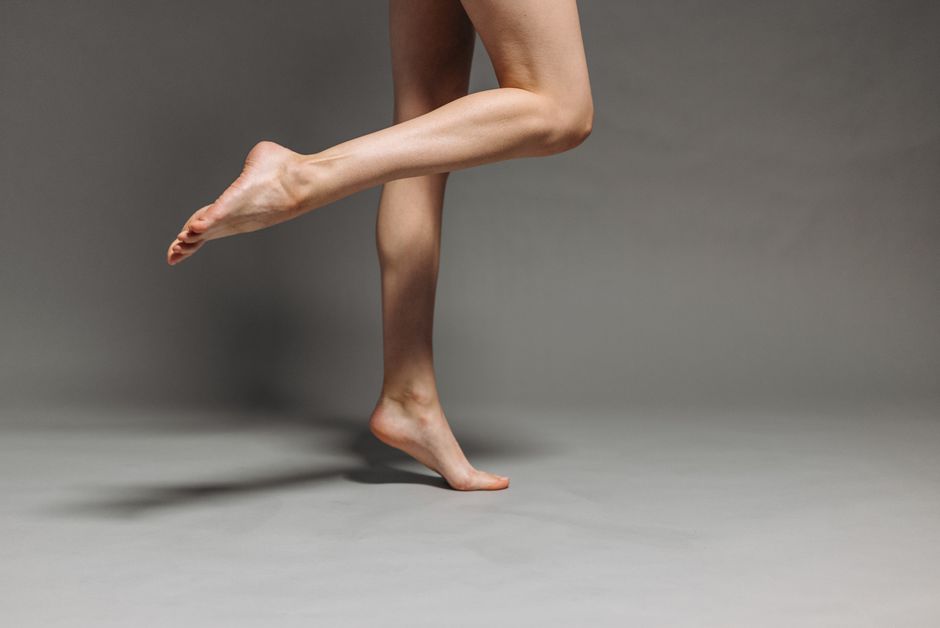
Stand on one foot. Draw slow, controlled circles with the lifted foot’s ankle joint, clockwise then counterclockwise. This improves range of motion while demanding stability from the standing leg.
Phase 3: Build Power and Control (Week 3)
Phase 3 adds a dynamic element and connects foot strength to full-leg movement, which is how you actually use your ankles in real life.
Heel-to-Toe Rocking (2 sets of 12 reps)
Stand with feet hip-width apart. Rock your weight back onto your heels, lifting the forefoot, then roll forward onto the balls of your feet. This trains the full plantar kinetic chain and reinforces the arch’s natural spring mechanism.
Split-Stance Calf Raise (3 sets of 10 reps per side)
Step one foot forward, one foot back as in a lunge stance. Rise onto the back foot’s ball while the front foot stays flat. This isolates the soleus more and builds ankle strength specific to walking and stair climbing. It pairs well with the home leg strength work covered in our companion guide.
Single-Leg Mini Squat with Slow Descent (3 sets of 8 reps per side)
Stand on one foot. Bend the knee until your thigh reaches roughly 30 to 40 degrees of flexion, then slowly return. The ankle dorsiflexors must work hard during the descent. Keep your knee tracking over your second toe, not collapsing inward.
Progression Milestones to Watch For
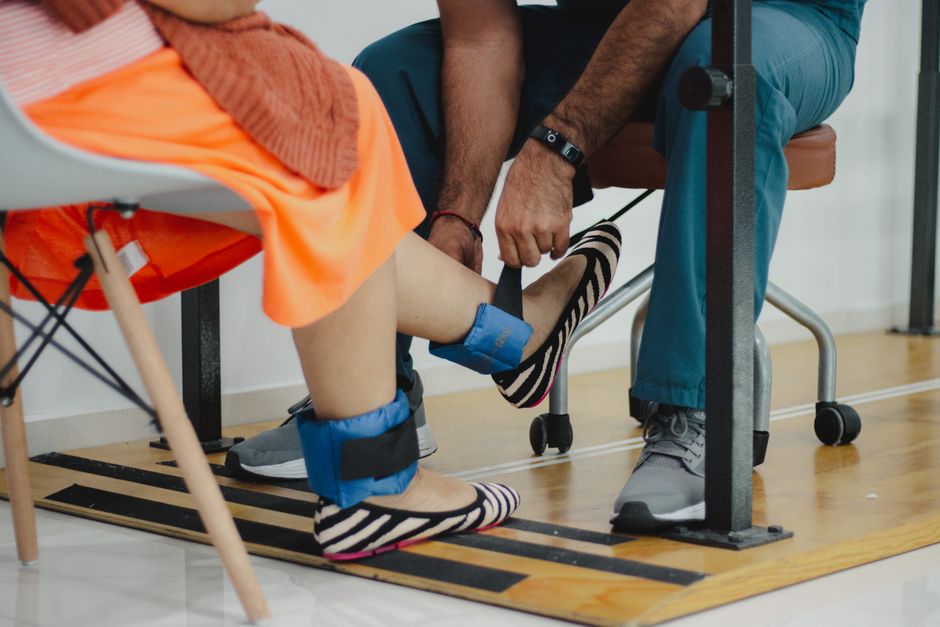
By the end of week one, your feet should feel warmer and more awake after sessions, and towel scrunching should feel noticeably easier.
By the end of week two, single-leg balance should feel controlled rather than frantic. You should be able to hold 20 seconds without major wobble.
By the end of week three, stair climbing should feel more connected and your first steps after sitting should feel steadier. These are realistic, gradual improvements, not dramatic transformations.
If you want to extend progress beyond three weeks, trail walking is one of the most effective ways to maintain the proprioceptive gains you have built. The article Building Foot Strength and Ankle Stability on Uneven Ground explains exactly why varied terrain beats flat pavement for long-term ankle health.
Small Habits That Reinforce the Routine
The exercises matter, but small daily habits close the gap between sessions:
- Stand up and shift weight from foot to foot for two minutes every hour at your desk.
- Walk barefoot on carpet or grass for five to ten minutes when you get home.
- Avoid locking your ankles under your chair while seated.
- Consider whether your footwear supports or restricts natural foot movement. The barefoot vs. supportive shoe comparison on Clean Body Mentor covers this tradeoff honestly.
For a broader look at how desk posture affects more than just your feet, the guide on reversing rounded shoulders and forward posture covers complementary mobility work you can do in the same short session.
A Realistic Starting Point
Choose one exercise from Phase 1 today, something small enough that you can actually do it after dinner while the kettle boils. Consistency with a modest routine will always outperform occasional heroic sessions. Three weeks from now, your feet will likely feel more capable and your daily walking will feel more grounded.
If you want more structured guidance delivered to your inbox, the Clean Body Mentor newsletter features practical weekly movement and wellness content built for real schedules.
This article is for general educational and informational purposes only and is not a substitute for medical advice, diagnosis, or treatment. Health needs vary by individual. Consult a qualified healthcare professional before making significant changes to your diet, exercise routine, supplements, medication, or treatment plan, especially if you have a medical condition, are pregnant or breastfeeding, take medication, or have concerns about your symptoms.
Sources
- Journal of Foot and Ankle Research: research on plantar muscle activity and sedentary behavior (BioMed Central, open access)
- Scandinavian Journal of Medicine and Science in Sports: evidence on eccentric loading for tendon and muscle strength development
- American College of Sports Medicine position stands on proprioception and ankle stability training (ACSM.org)


