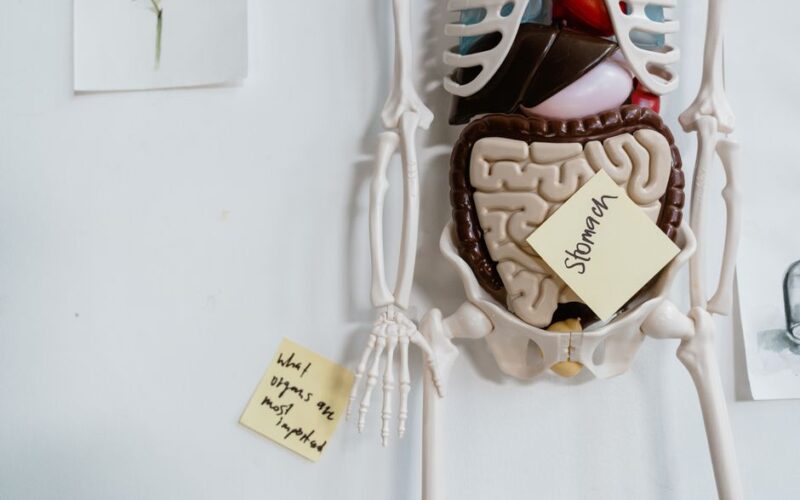

Your feet contain 26 bones, 33 joints, and more than 100 muscles, tendons, and ligaments. They are designed to move, adapt, and respond to the ground beneath them. Yet most adults spend the majority of their waking hours in cushioned, supportive footwear, and researchers are increasingly asking what that does to long-term foot strength and function.
The debate over barefoot walking vs. shoes for foot strength tends to split into two camps: minimalists who argue that shoes weaken the feet over time, and traditionalists who point to injury data and say support is non-negotiable. The real picture is more nuanced, and this comparison is designed to help you navigate it.
What Happens to Your Feet in Supportive Shoes
Modern athletic and everyday shoes offer cushioning, arch support, and heel elevation (known as heel drop). These features reduce the demand placed on the intrinsic foot muscles, which are the small muscles inside the foot that help stabilize each step.
Research published in the journal Scientific Reports (2021) found that people who habitually wore minimal or no footwear had significantly stronger intrinsic foot muscles and better arch function compared to those who wore conventional shoes regularly. The researchers described the arch as a spring-like structure that stores and releases energy, and noted that external support may reduce how much that spring is trained over time.
This does not mean supportive shoes cause harm. For people with flat feet, plantar fasciitis, or biomechanical differences, arch support often reduces pain and allows them to stay active without aggravating injury. The key distinction is between using support as a crutch that prevents all muscle loading versus using it strategically while also building underlying foot strength.
If you are working on restoring foot strength and ankle mobility after long periods of desk work, incorporating targeted foot exercises alongside your regular footwear is often a practical middle ground.

What Happens When You Go Barefoot or Near-Barefoot
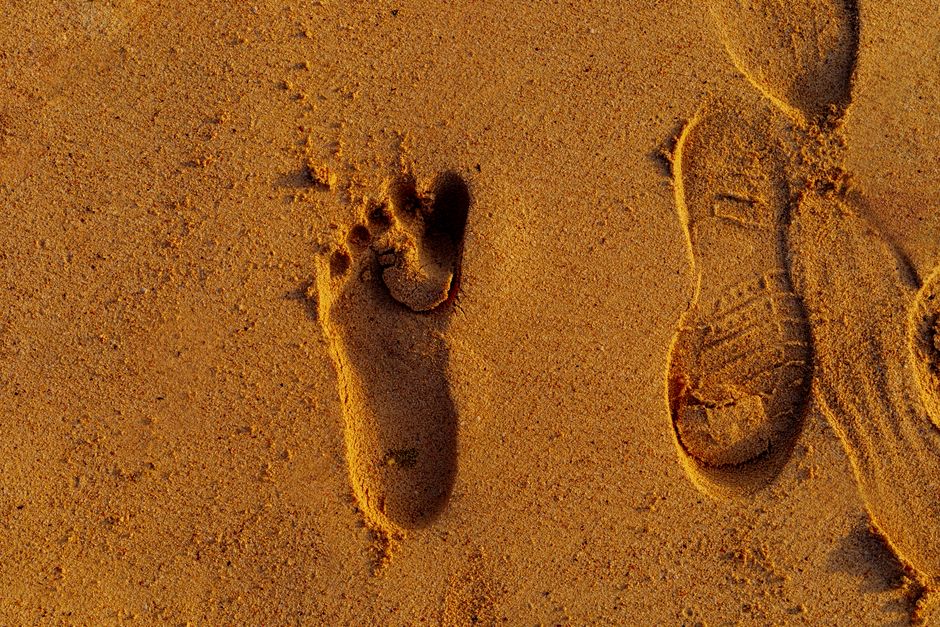
Walking barefoot, especially on varied surfaces, activates the intrinsic foot muscles more directly and encourages a midfoot or forefoot strike pattern rather than the heel strike that cushioned shoes often promote. Research suggests this can gradually build foot strength and improve proprioception (your body’s sense of foot position in space).
However, the transition carries real injury risk if rushed. The Achilles tendon, calf complex, and plantar fascia all take on significantly more load when heel elevation is removed. A review in the British Journal of Sports Medicine noted that many barefoot-related injuries, including stress fractures and tendinopathies, happen when people transition too quickly without allowing the musculoskeletal system to adapt.
Surface also matters enormously. Walking barefoot on soft grass or sand is far lower-risk than walking on concrete or sharp gravel. If you are curious about how surface choices affect balance and ankle stability, walking on uneven ground versus flat pavement offers a detailed breakdown of what different terrains actually train.
Side-by-Side Comparison: Foot Strength, Safety, and Practicality
Intrinsic foot muscle activation: Barefoot and minimalist footwear win here. Research consistently shows higher muscle activation without cushioning underfoot.
Arch support for existing conditions: Supportive shoes win for people with diagnosed flat feet, plantar fasciitis, or structural imbalances. Removing support abruptly can worsen these conditions.
Injury risk during transition: Supportive shoes carry lower short-term injury risk, particularly for beginners or anyone returning after injury. Barefoot walking requires a slow, progressive approach.
Proprioception and balance: Barefoot and thin-soled minimalist shoes provide more sensory feedback from the ground, which may improve balance and coordination over time.
Everyday practicality: Supportive shoes are safer on hard urban surfaces, in workplaces, and for people on their feet for long hours. Barefoot walking is most practical at home, in parks, or on soft natural surfaces.
Long-term foot health: Neither approach is universally superior. Gradual progression toward less support, combined with targeted foot strengthening exercises, appears to offer the best of both worlds based on current evidence.
For people dealing with tight calves or weak ankles (common after years of supportive footwear), progressive bodyweight drills for ankle and calf strength can help bridge the gap safely.
A Practical Progression That Fits Most Lifestyles
Rather than choosing one extreme, consider a phased approach:
- Start at home barefoot. Walk barefoot on carpet, grass, or a yoga mat for 10-20 minutes daily. This activates intrinsic muscles without the stress of hard surfaces.
- Add simple foot exercises. Toe spreads, short-foot exercises (gently doming the arch without curling the toes), and single-leg calf raises build the strength needed to tolerate less support over time.
- Try minimalist footwear selectively. Once foot strength improves after several weeks, a minimalist or low-drop shoe can be used for short, easy walks. Limit this to 15-20 minutes initially and increase gradually over months, not weeks.
- Keep supportive shoes for high-demand activities. Long walks on pavement, hiking, or any activity where fatigue could compromise form are still reasonable contexts for more cushioned shoes while you build capacity.
- Listen to your feet. Sharp or persistent pain is a signal to slow down and consult a podiatrist or physical therapist, not a reason to push harder.
This progression aligns with what movement specialists often recommend: train the foot like any other muscle group, with progressive overload, adequate recovery, and respect for your starting point. The same principle applies whether you are building a walking routine for stress relief and mood or working toward a longer outdoor movement habit.
Which Approach Fits Your Life Right Now
If your feet are generally pain-free and you want to build more foot strength over time, gradually introducing barefoot time and minimalist footwear is a reasonable, evidence-informed choice.
If you have a diagnosed foot condition, history of stress fractures, or are currently in pain, keep working with supportive footwear and seek guidance from a podiatrist or physical therapist before reducing support significantly.
If you are simply curious and healthy, starting with daily barefoot time at home costs nothing, requires no special gear, and gives your foot muscles consistent activation that conventional shoes do not provide.
Choose one small action from this article and practice it consistently for two weeks. Even ten minutes of barefoot movement daily can begin to shift foot muscle activation in a meaningful direction. For more practical movement guidance, explore the Building Foot Strength and Ankle Stability on Uneven Ground guide or browse the Clean Body Mentor newsletter for weekly wellness habits that build gradually without overwhelming your schedule.
This article is for general educational and informational purposes only and is not a substitute for medical advice, diagnosis, or treatment. Health needs vary by individual. Consult a qualified healthcare professional before making significant changes to your diet, exercise routine, supplements, medication, or treatment plan, especially if you have a medical condition, are pregnant or breastfeeding, take medication, or have concerns about your symptoms.
Sources
- Holowka, N.B., et al. (2021). “Foot muscle size and walking biomechanics in people with different levels of footwear exposure.” Scientific Reports, 11, 8009. (Nature Publishing Group)
- Goss, D.L., and Gross, M.T. (2012). A review of running mechanics and footwear. Journal of Orthopaedic and Sports Physical Therapy. (Note: cited for context; refer to original for full methodology.)
- Cochrane Library and British Journal of Sports Medicine reviews on barefoot running transition injuries: search terms “barefoot running injury risk” for peer-reviewed summaries.