
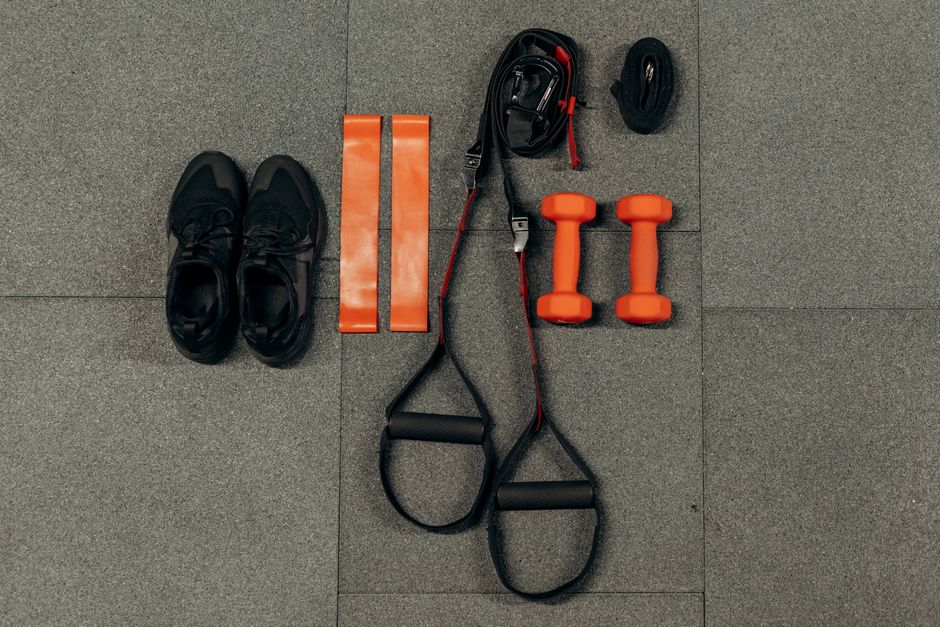
You want to build real muscle at home, but you also live in the real world. Maybe you have a small apartment, a tight budget, or joints that complain after heavy loading. The question is not which tool is theoretically superior. It is which tool you will actually use, consistently, given your specific limits.
This comparison looks at resistance bands, dumbbells, and bodyweight progressions through four practical lenses: cost and accessibility, space requirements, joint stress and recovery, and genuine muscle-building potential. By the end, you should have a clear enough picture to make one honest decision and act on it.
Cost and Accessibility: What You Pay to Start
Bodyweight wins here by an obvious margin. You already own the equipment. A floor, a sturdy chair, and a wall are enough to begin a meaningful program. For beginners especially, mastering bodyweight movement first builds the coordination and motor control that make any future tool safer and more effective. The Building Intuitive Strength at Home: Why Bodyweight Progression Works Better Than Heavy Weights for Beginners guide goes deeper on why this entry point matters so much.
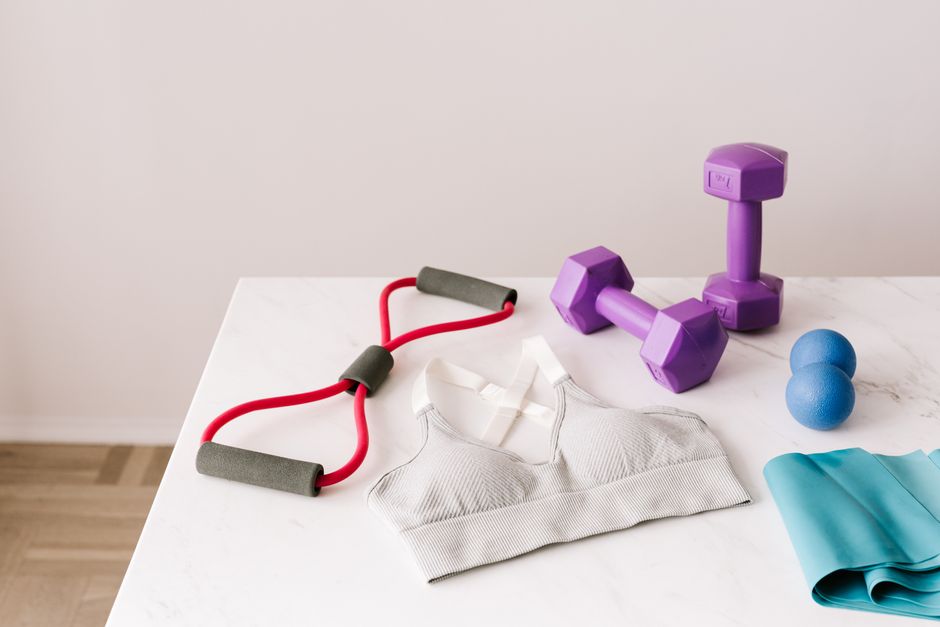
Resistance bands are the budget runner-up. A quality loop-and-tube set typically costs $20 to $50 and covers a wide range of resistance levels. That price point makes bands one of the most accessible tools in the resistance bands vs dumbbells home workout conversation.
Dumbbells range widely. A single pair of fixed-weight dumbbells is inexpensive, but progressive overload requires heavier weights over time, which adds cost fast. Adjustable dumbbell sets solve this but often run $150 to $350 or more. If budget is a genuine constraint right now, dumbbells are the hardest starting point.
Space: Where Will You Actually Train?
All three tools work in small spaces, but not equally.
- Bodyweight is the most flexible. You need roughly a 6-by-6-foot area for most movements. No storage, no clutter.
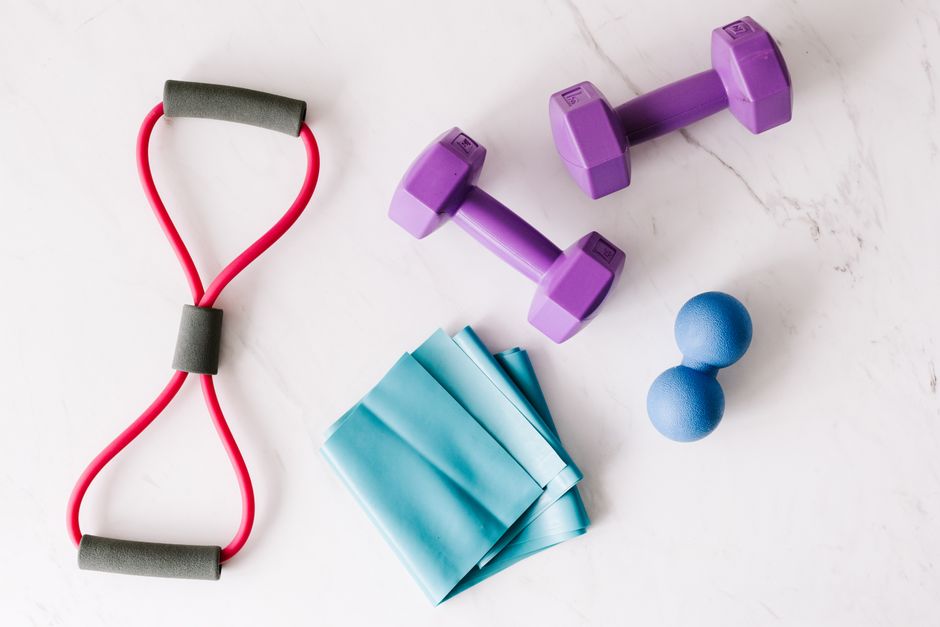
- Resistance bands store in a small bag and take up almost no floor space during most exercises. You do need a door anchor or a fixed post for certain pulling movements.
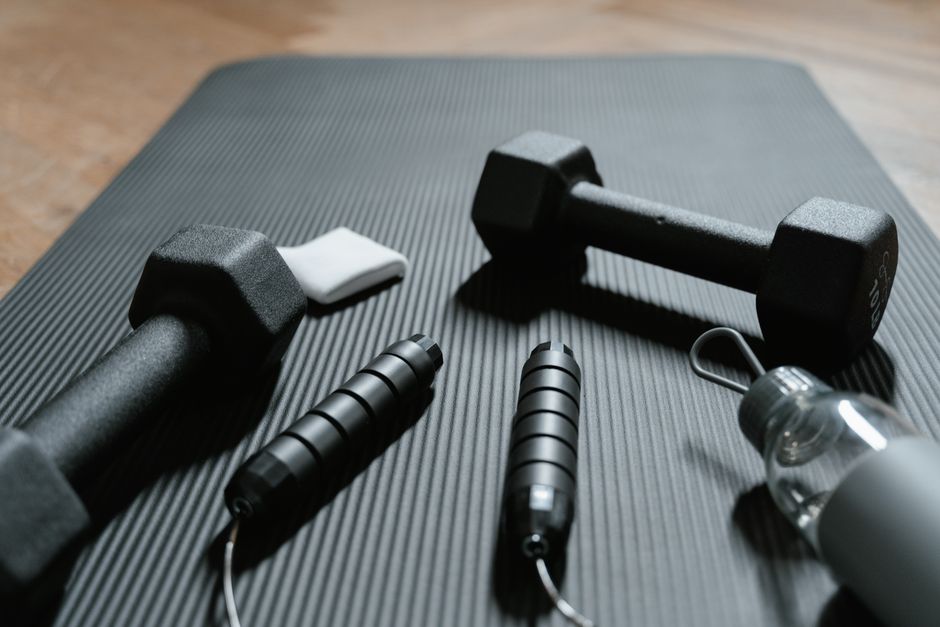
- Dumbbells require a storage solution. A set of three to five pairs, which most intermediate trainees eventually need, takes up real shelf or floor space.
If you are training in a studio apartment, a shared bedroom, or a hotel room while traveling, bands and bodyweight have a clear structural advantage over even a modest dumbbell collection.
Joint Stress and Recovery: The Factor Most Comparisons Skip
This is where the comparison gets genuinely interesting, and where a lot of online advice oversimplifies.
Resistance bands provide accommodating resistance, meaning the load increases as the band stretches and your muscles move through stronger mechanical positions. This can reduce joint strain at the bottom of a movement, where tendons and connective tissue are most vulnerable. People managing knee discomfort, shoulder sensitivity, or recovering from minor injuries often report that band-resisted exercises feel smoother than equivalent dumbbell work.
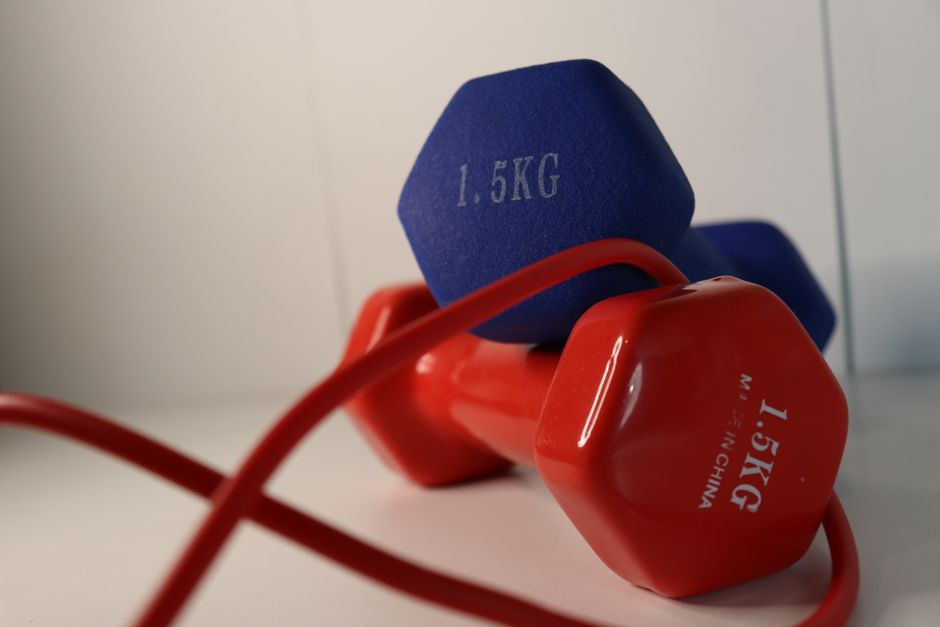
Dumbbells use constant external load, which means the weight does not change through the range of motion. This is excellent for building strength across the full movement arc, but it also places consistent stress on joints, particularly if form breaks down under fatigue. For healthy joints and experienced movers, this is rarely a problem. For beginners or anyone returning after a break, it deserves attention.
Bodyweight movements present their own joint considerations. Exercises like push-ups, dips, and pistol squats are surprisingly demanding on wrists, elbows, and knees. Progression needs to be gradual. If shoulder rebuilding is a concern, the Rebuilding Shoulder Strength Without Weights: Progressive Bodyweight Moves for Desk Workers and Beginners approach is worth reviewing before loading any tool heavily.
Recovery quality matters regardless of what you lift. Research consistently shows that muscle repair happens during rest, not during the session itself, so making smart choices about intensity and sleep supports any home training setup. For a closer look at how rest fits into muscle adaptation, Strength Training Recovery Days: Why Active Stretching Beats Complete Rest for Muscle Growth covers the practical details.
Muscle-Building Potential: What the Evidence Actually Shows
Here is the honest answer: all three tools can build meaningful muscle if progressive overload is applied consistently.
A 2019 review published in the Journal of Human Kinetics found that elastic resistance training produced similar muscle activation levels to free-weight resistance in several upper and lower body exercises. Research in the Journal of Strength and Conditioning Research has also shown that bodyweight progressions, when structured properly, can produce hypertrophy comparable to machine or dumbbell protocols in beginners and intermediate trainees.
The limiting factor is not the tool. It is whether you can keep increasing the challenge over weeks and months.
- Dumbbells offer the clearest and most familiar path to progressive overload. You add 2.5 or 5 pounds. Simple.
- Bands require more creativity. You progress by using a heavier band, shortening band length, slowing tempo, or stacking multiple bands. It works, but it takes more attention.
- Bodyweight progressions move through exercise variations rather than added weight. Push-ups advance to archer push-ups or single-arm negatives. Squats progress to Bulgarian split squats or pistol variations. This path is very effective but demands that you learn the progressions.
What you eat around your training also matters. Getting enough protein and timing it reasonably well supports the muscle repair process regardless of which tool you use. Workout Nutrition Timing: When to Eat Protein and Carbs for Real Muscle Progress explains how the nutrition side connects to your actual results.

The Honest Recommendation
No single tool wins for everyone. But here is a useful framework:
- Start with bodyweight if you are a true beginner, have very limited space or budget, or want to build movement quality first.
- Add resistance bands when bodyweight movements feel manageable and you want more load variety without significant cost or storage commitment. Bands also work well as a complement to bodyweight for pulling movements like rows.
- Invest in dumbbells when you are ready to commit longer-term, have the storage space, and want the clearest path to measurable progressive overload over months and years.
Many home trainees eventually use a combination of all three, rotating based on energy, recovery, and what the session demands. If the idea of building a flexible, intuitive routine appeals to you, Intuitive Movement vs. Structured Home Workouts: Which Approach Actually Builds Sustainable Fitness for Busy Beginners explores how to balance freedom and structure in a way that actually sticks.
The best tool for building muscle at home is the one that fits your life well enough that you show up for it week after week. Choose one realistic starting point, practice it for at least four to six weeks before evaluating, and build from there.
If you found this comparison useful, browse the Clean Body Mentor movement and home workout guides, or join the newsletter for practical, evidence-informed wellness guidance each week.
This article is for general educational and informational purposes only and is not a substitute for medical advice, diagnosis, or treatment. Health needs vary by individual. Consult a qualified healthcare professional before making significant changes to your diet, exercise routine, supplements, medication, or treatment plan, especially if you have a medical condition, are pregnant or breastfeeding, take medication, or have concerns about your symptoms.
Sources
- Lopes, J.S.S. et al. (2019). Effects of training with elastic resistance versus conventional resistance on muscular strength: A systematic review and meta-analysis. SAGE Open Medicine. Published by SAGE Journals.
- Calatayud, J. et al. (2015). Muscle activation during push-ups with different suspension training systems. Journal of Human Kinetics. Published by Sciendo.
- American College of Sports Medicine position stand on resistance training for healthy adults. ACSM, available via the ACSM website.
- National Strength and Conditioning Association (NSCA) guidelines on progressive overload and hypertrophy. NSCA website.