
Every January, the same pattern shows up: you eat roughly the same amount as you did in autumn, but your body feels heavier, slower, and more uncomfortable after meals. Bloating lingers. Bathroom visits become irregular. You wonder if something is wrong with your diet.
Usually nothing dramatic has changed in what you eat. What has changed is the season, and whether what you eat matches it.
Seasonal eating digestion is not a trend or a rigid philosophy. It is a practical observation: your digestive system responds to temperature, movement levels, and food fiber composition, all of which shift in winter. The good news is that realigning your plate with what winter actually grows does not require cutting calories, eliminating food groups, or following a protocol. Three people found that out firsthand.

Why Winter Slows the Gut
Your digestive system depends heavily on movement, warmth, and the right mix of fiber to keep food traveling efficiently through the intestines. In colder months, several things work against that process simultaneously.
Physical activity typically drops. Research published by the National Institutes of Health links reduced movement to slower gastrointestinal transit time, meaning food literally takes longer to move through. Colder temperatures also prompt the body to conserve heat, slowing peripheral circulation and, to a smaller degree, the muscular contractions that push food through the gut.
Winter diets in many households also shift toward calorie-dense comfort foods: pasta, bread, roasted meats, and heavy stews. These foods are genuinely satisfying and not problems on their own, but when they crowd out fiber-rich vegetables and fermented foods, the gut microbiome can become less diverse and less active. That reduced microbial activity can show up as bloating, irregular bowel habits, and that familiar afternoon heaviness.
If any of this sounds familiar, Why Digestion Stalls in Cold Months and How Seasonal Eating Restarts It Without Food Restriction covers the underlying physiology in more detail.

Three People, One Shift: Adding Winter Produce
The following case studies are composites drawn from common patterns. They illustrate what the research and practical experience suggest, rather than individual medical outcomes.
Case 1 – Marcus, 41, Office Worker
Marcus described his winter gut as a “traffic jam after every meal.” He was eating three full meals a day, none of them extreme, but bloating usually appeared within an hour of dinner. He had not changed his diet intentionally; he had just stopped buying the produce that felt out of season.
The shift: Marcus added two or three servings of roasted root vegetables to his weekly routine. Sweet potatoes, parsnips, and carrots became dinner staples alongside whatever protein he was already eating. Within three weeks, the post-dinner bloating was noticeably lighter. The fiber in root vegetables provides fuel for beneficial gut bacteria, which produce short-chain fatty acids that help regulate intestinal movement, according to research cited by the USDA’s Dietary Guidelines Advisory Committee.
He did not restrict anything. He added.
Case 2 – Priya, 35, Busy Parent
Priya’s digestive discomfort in winter was mostly irregularity. She described going from predictable daily bowel habits in summer to every-other-day in December and January. She also noticed her energy flagged after lunch, which she assumed was unrelated.
The shift: Priya began keeping a bag of pre-washed winter greens (kale, chard, and spinach) in the refrigerator and added a large handful to at least one meal daily, usually a lentil soup she already made weekly. She also started eating a small serving of plain yogurt with dinner a few nights a week.
The combination of leafy-green fiber and fermented dairy appeared to help. Within a month her regularity had returned to near-summer levels. The gut-energy connection also improved, which makes sense given that the gut-brain axis can shape afternoon emotional and physical energy. For more on that link, Digestion and Mood: How Your Gut Function Shapes Afternoon Emotional Energy Without Supplements is worth reading.
Case 3 – Daniel, 52, Semi-Retired
Daniel’s complaint was different: persistent low-level bloating that he had attributed to “getting older.” He ate a varied diet by most standards but relied heavily on imported off-season produce in winter because it was what the grocery store displayed most prominently.
The shift: Daniel started prioritizing beets, cabbage, celeriac, and winter squash, produce that is actually harvested in or stored from autumn. He also added a tablespoon of raw sauerkraut a few times a week, something he had never tried before.
His bloating improved within six weeks. More interesting to him: his grocery spending dropped. Winter root vegetables and cabbages are typically among the most affordable produce available, a point explored in detail in Seasonal Produce Price Shifts: Why Winter Root Vegetables Cost Half What Spring Greens Do.

Why Seasonal Produce Works Differently Than a Diet
The key distinction in all three cases is that no one eliminated anything. Seasonal eating digestion support works not through restriction but through addition: more fiber diversity, more fermented foods, more foods that the gut’s microbial community recognizes and can process efficiently.
Winter produce tends to offer specific advantages:
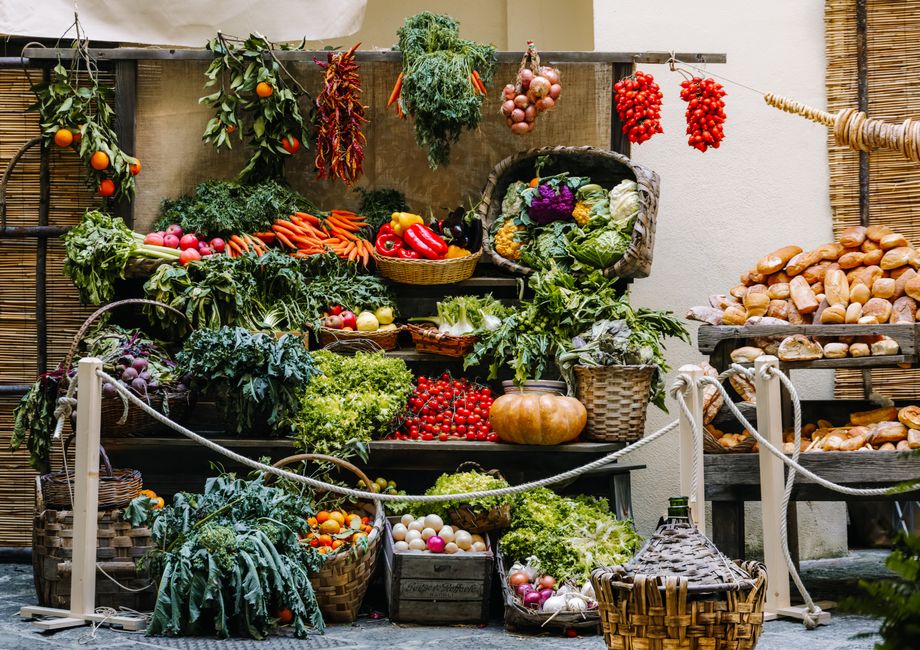
- Root vegetables (carrots, parsnips, turnips, sweet potatoes) provide slow-digesting complex carbohydrates and prebiotic fiber that feeds beneficial bacteria.
- Brassicas (cabbage, Brussels sprouts, kale) deliver soluble and insoluble fiber that supports both stool bulk and microbial diversity.
- Fermented foods (yogurt, kefir, sauerkraut, kimchi) introduce live cultures that may help maintain microbial balance during months when dietary variety often shrinks.
- Winter squash offers beta-carotene, potassium, and gentle fiber without being harsh on a slower winter gut.
None of these require exotic shopping or complicated preparation. Most can be roasted on a sheet pan or added to soups already in your rotation.
Movement still matters alongside food. Even short indoor walks after meals can meaningfully support transit time, as explored in Five Unexpected Reasons Your Digestion Improves on Outdoor Walking Days and Slows on Rest Days. Seasonal eating digestion is most effective when paired with some consistent daily movement, even gentle stretching or a 10-minute post-dinner walk.
One Small Action Worth Starting This Week
If you take one thing from Marcus, Priya, and Daniel’s experiences, let it be this: you do not need to overhaul your diet to improve how your gut feels in winter. Choose one winter vegetable you have not cooked recently and add it to two or three meals this week. Roast it, add it to soup, or stir it into whatever you are already making.
If you want to go further, adding a small serving of a fermented food three to four times per week is a low-effort next step with genuine support in the research.
For more on how seasonal shifts affect your body beyond digestion, including sleep and energy patterns, How Seasonal Light Changes Affect Your Sleep, Energy, and Appetite offers a useful broader picture.
Sign up for the Clean Body Mentor newsletter for practical, seasonal guidance like this delivered weekly.
This article is for general educational and informational purposes only and is not a substitute for medical advice, diagnosis, or treatment. Health needs vary by individual. Consult a qualified healthcare professional before making significant changes to your diet, exercise routine, supplements, medication, or treatment plan, especially if you have a medical condition, are pregnant or breastfeeding, take medication, or have concerns about your symptoms.
Sources
- National Institutes of Health, National Institute of Diabetes and Digestive and Kidney Diseases: information on gastrointestinal motility and physical activity.
- USDA Dietary Guidelines Advisory Committee: fiber, prebiotic foods, and short-chain fatty acid production by gut microbiota.
- Sonnenburg, J. and Sonnenburg, E. (2019). Fiber-Deficient Diet Degrades the Gut Microbiota. Cell Host and Microbe. (Referenced for microbial diversity and dietary fiber relationship.)
- Hill, C. et al. (2014). Expert consensus document: The International Scientific Association for Probiotics and Prebiotics consensus statement on the scope and appropriate use of the term probiotic. Nature Reviews Gastroenterology and Hepatology.