

You finish lunch, settle back at your desk, and within an hour feel the familiar fog roll in. Motivation dips. Small frustrations feel bigger than they should. You reach for coffee or something sweet, and the cycle continues.
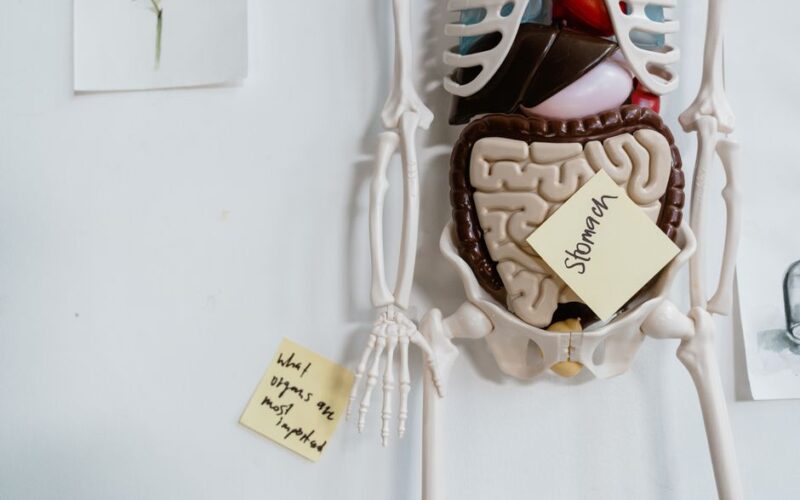
Most people blame stress or poor sleep, and those factors matter. But gut function and emotional well-being are more tightly linked than most of us realize. Research published in Nature Reviews Neuroscience and summarized by the National Institutes of Health confirms that the gut and brain communicate continuously through what scientists call the gut-brain axis, a bidirectional network involving the vagus nerve, immune signals, and gut-produced neurotransmitters, including roughly 90 percent of the body’s serotonin, which is made in the gastrointestinal tract rather than the brain.
The good news: you do not need a supplement protocol to start improving this connection. Three readers made small, deliberate shifts to meal order, eating pace, and movement timing and saw meaningful changes in their afternoon clarity and emotional resilience. Here is what each of them tried and why it worked.
Case One: Reordering the Plate to Stabilize Blood Sugar
Mara, a 38-year-old project manager, described her 2 pm mood as a “wall.” She ate a full lunch every day but still felt irritable and scattered an hour later.
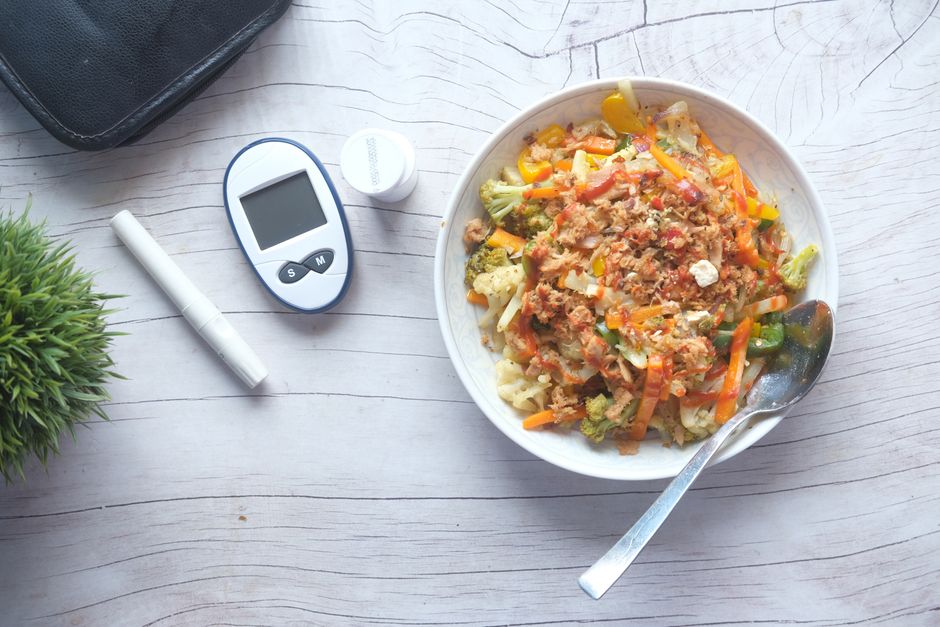
The adjustment was simple: she started eating the vegetables and protein on her plate before touching the starchy portion. Research from a 2015 study published in Diabetes Care (Alpana Shukla et al., Weill Cornell Medicine) found that eating fiber and protein before carbohydrates significantly reduced postprandial glucose and insulin responses in people with type 2 diabetes. The same mechanism is relevant for people without diabetes, because blood-sugar spikes followed by rapid drops are a known driver of mood instability, poor concentration, and hunger-driven irritability.
Mara did not change what she ate. She changed the order. Within two weeks she reported feeling more emotionally even between noon and 4 pm. For a deeper dive into this approach, How to Eat Vegetables First at Meals for Better Digestion and Stable Blood Sugar walks through the practical mechanics of this habit.

Case Two: Slowing Down to Let Digestion Catch Up
Devin, a 44-year-old dad of two, usually ate lunch at his standing desk in about eight minutes. He experienced frequent post-lunch bloating and what he called “low-grade dread” in the early afternoon, a vague emotional heaviness that was not sadness but was not fine either.
The shift here was eating pace. When you eat quickly, you swallow more air, produce less saliva amylase, and give your stomach less time to signal fullness to the brain through the hormone cholecystokinin. The result is incomplete early-stage digestion, more fermentation further down the gut, gas, discomfort, and a parasympathetic nervous system that never fully activates the rest-and-digest state it needs.
Devin set a simple rule: put the fork down between bites and finish nothing in under 20 minutes. He also moved away from his screen during meals. Digestive Sluggishness vs. Nervous System Stress: Why Your Gut Slows When You Rush and What to Do About It explains the physiology behind this in useful detail.
After three weeks, Devin described his afternoons as “lighter.” The bloating reduced noticeably, and his emotional steadiness improved enough that he noticed fewer conflict moments with his kids by dinnertime.

Case Three: Timing a Short Walk After Lunch
Preeti, a 51-year-old remote worker, did not experience bloating or dramatic crashes. Her issue was a slow slide into apathy by mid-afternoon, a dull motivational flatness that made it hard to start tasks.
Her change was a 10-minute walk within 30 minutes of finishing lunch, every workday.
Light physical activity after eating does two important things. First, gentle movement helps the stomach and small intestine move contents forward more efficiently, which reduces that heavy, stagnant feeling that can suppress mood. Second, even brief walking raises brain-derived neurotrophic factor (BDNF) and produces a modest endorphin response. A 2022 systematic review in Sports Medicine found that short bouts of low-intensity physical activity following meals significantly attenuated postprandial blood-glucose responses compared with sitting.
Preeti did not add a gym session or change her lunch. She added a short loop around her neighborhood. Why Your Digestion Improves on Movement Days and Slows on Rest Days: The Gut-Activity Connection covers the research behind this relationship if you want more context.
By week four, Preeti reported returning to her desk with noticeably more motivation. She described it as the fog “thinning.”

What These Three Stories Share
None of these readers took a probiotic, added a supplement, or followed an elimination diet. They each addressed one specific point of friction between their digestive process and their emotional state:
- Meal order reduced the blood-sugar swing that destabilizes mood.
- Eating pace allowed the nervous system to shift into rest-and-digest, supporting both comfort and nutrient absorption.
- Movement timing kept gut motility active and gave the brain a short, natural mood signal.
Gut health and emotional well-being are not separate tracks you manage independently. They are the same system speaking in two directions. When digestion runs smoothly, the brain receives more stable glucose, more absorbed B vitamins and tryptophan (a serotonin precursor), and fewer inflammatory signals from gut permeability stress. When digestion is rushed, disrupted, or stalled, emotional resilience typically follows it downward.
If you want to start somewhere, Meal Timing for Stable Afternoon Energy: Why Food Order and Gaps Matter More Than Snack Calories offers a structured look at how to arrange your midday eating for the clearest possible afternoon.
Choose One Small Change This Week
You do not have to restructure every meal or start a walking program from scratch. Pick one of the three levers above and practice it consistently for two weeks before layering on another change. Notice how your emotional steadiness, not just your energy, responds.
If you find you want a broader picture of how gut function intersects with mental well-being, the Digestive Health and Mood: How Gut Function Changes Your Mental Well-Being Without Supplements guide goes deeper on the gut-brain axis and practical food-first strategies.
Small, repeatable habits compound. Your gut is already doing most of the work. Give it the right conditions and your afternoons may surprise you.
This article is for general educational and informational purposes only and is not a substitute for medical advice, diagnosis, or treatment. Health needs vary by individual. Consult a qualified healthcare professional before making significant changes to your diet, exercise routine, supplements, medication, or treatment plan, especially if you have a medical condition, are pregnant or breastfeeding, take medication, or have concerns about your symptoms.
Sources
- Mayer, E.A. (2011). Gut feelings: the emerging biology of gut-brain communication. Nature Reviews Neuroscience, 12, 453-466. Published by NIH/PubMed (PMID 21750565).
- Shukla, A.P., et al. (2015). Food Order Has a Significant Impact on Postprandial Glucose and Insulin Levels. Diabetes Care, 38(7), e98-e99. Weill Cornell Medicine.
- Buffey, A.J., et al. (2022). The Acute Effects of Interrupting Prolonged Sitting Time in Adults with Standing and Light-Intensity Walking on Biomarkers of Cardiometabolic Health in Adults. Sports Medicine, 52, 1765-1787.
- National Institute of Diabetes and Digestive and Kidney Diseases (NIDDK), NIH: information on the gut-brain axis and gastrointestinal physiology. www.niddk.nih.gov