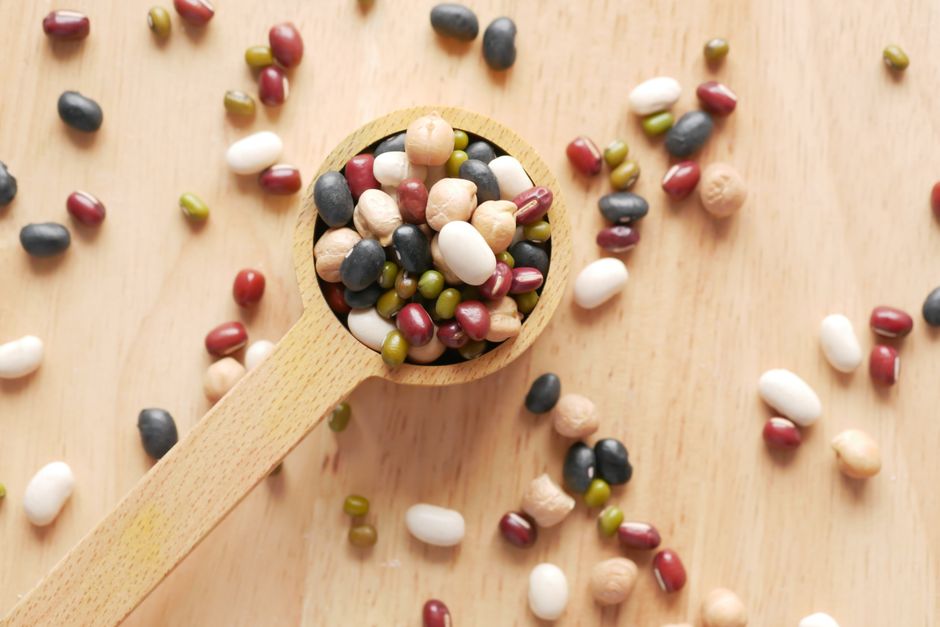
If you have ever eaten a big plant-based meal and still found yourself rummaging through the kitchen an hour later, you are not imagining it. Protein source matters, and so does the fiber, fat, and preparation method that comes with it. The good news: you do not need expensive powders or specialty equipment to stay full. You just need to know which whole-food plant proteins actually deliver on satiety, and at what price.
This guide ranks five common plant proteins, lentils, chickpeas, tofu, hemp seeds, and tempeh, across three practical dimensions: how long they tend to keep you full, how much they cost per serving (U.S. averages), and how much real time they take in the kitchen for a beginner. A satiety score like this is inherently contextual, so these rankings reflect a reasonable composite of fiber content, protein density, fat content, and digestion rate based on available nutrition research, not a single clinical trial.
For more on combining these foods into meals, see Five Plant-Based Snacks That Deliver Complete Amino Acids Without Powders or Bars and Plant-Based Protein Combinations That Deliver Complete Amino Acids Without Meat or Powders: A Real-Food Ranking.
How to Read This Ranking
Each protein is rated on a simple three-point scale for satiety (high, medium, or moderate), then given a cost range per typical serving (roughly 100-150 calories of the cooked ingredient), and an honest prep-time estimate. The rankings assume you are cooking at home on a normal weeknight with a standard pantry.
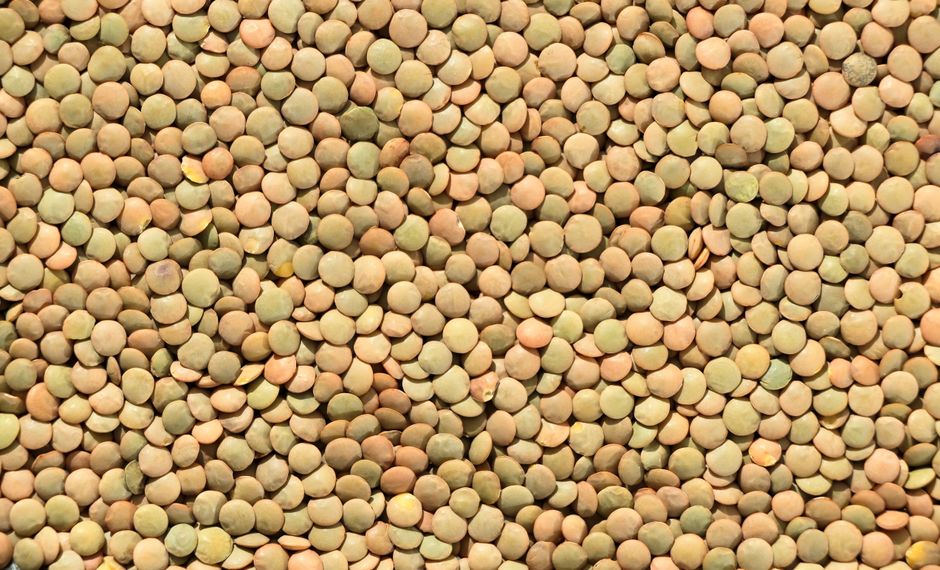
1. Lentils: The Satiety Champion on a Tight Budget
Satiety: High | Cost per serving: $0.20-$0.40 | Prep time: 20-25 minutes (no soaking)
Lentils are one of the most researched legumes for fullness. A 2022 review published in the journal Nutrients found that consuming pulses, including lentils, was associated with significantly greater short-term satiety compared to matched calorie-equivalent meals. The reason is straightforward: lentils deliver a triple combination of plant protein (about 18 g per cooked cup), soluble fiber (about 16 g), and a low glycemic index, slowing digestion and blunting blood sugar spikes.
Unlike dried beans, lentils require no soaking. Red lentils cook in about 20 minutes and dissolve into a creamy texture great for soups and dals. Green and brown lentils hold their shape better for salads and grain bowls. Dried lentils are among the cheapest items in any grocery store, making plant-based protein satiety cost efficiency nearly unbeatable here.
One tradeoff: if you are new to high-fiber eating, increase lentils gradually to avoid bloating. Fiber Without the Bloat: A Progressive Eating Plan to Add Plant Foods Without Digestive Distress explains how to do this step by step.
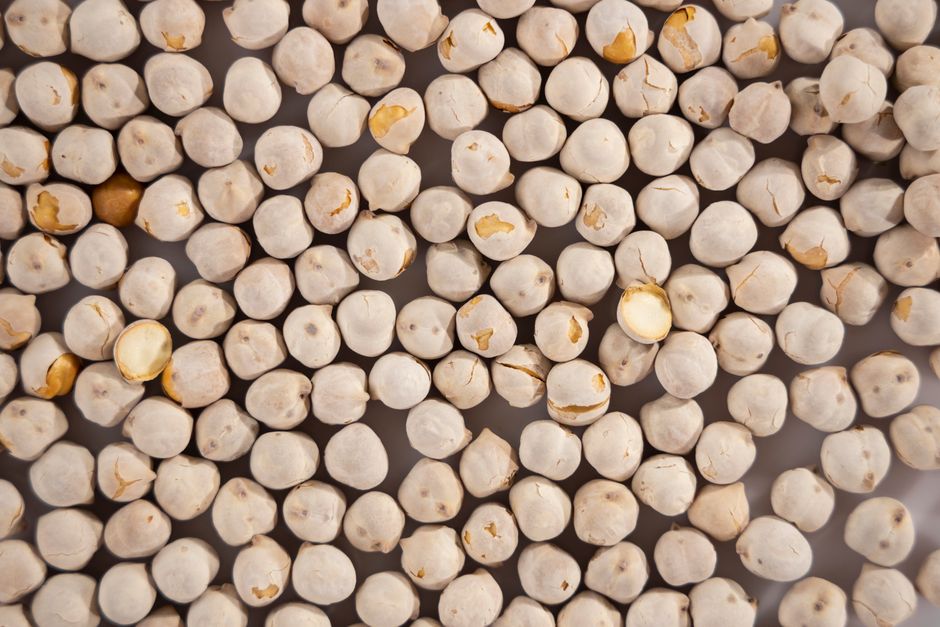
2. Chickpeas: Versatile, Filling, and Beginner-Friendly
Satiety: High | Cost per serving: $0.25-$0.50 (canned) | Prep time: 5 minutes (canned), 60+ minutes (dried)
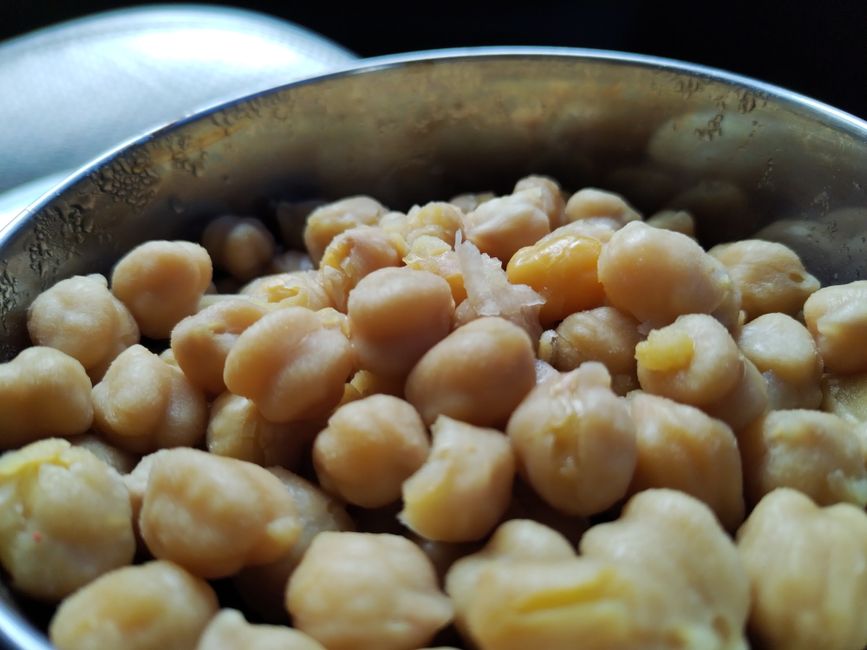
Chickpeas offer a similar fiber and protein profile to lentils (about 15 g protein and 12 g fiber per cooked cup) with one practical advantage: canned chickpeas are ready in minutes. Drain, rinse, and they are ready to add to salads, stir into tomato sauce, or roast in a hot oven for a crunchy snack.
Research suggests that chickpea-based meals may reduce appetite more effectively than wheat-based equivalents at the same calorie level, likely because of their resistant starch content, which also feeds beneficial gut bacteria. Their moderate glycemic index keeps energy more stable than refined carbs after a meal.
The cost rises slightly compared to dried lentils but stays low relative to most animal proteins. For a budget-conscious beginner, a can of chickpeas is arguably the most flexible plant protein you can keep stocked.
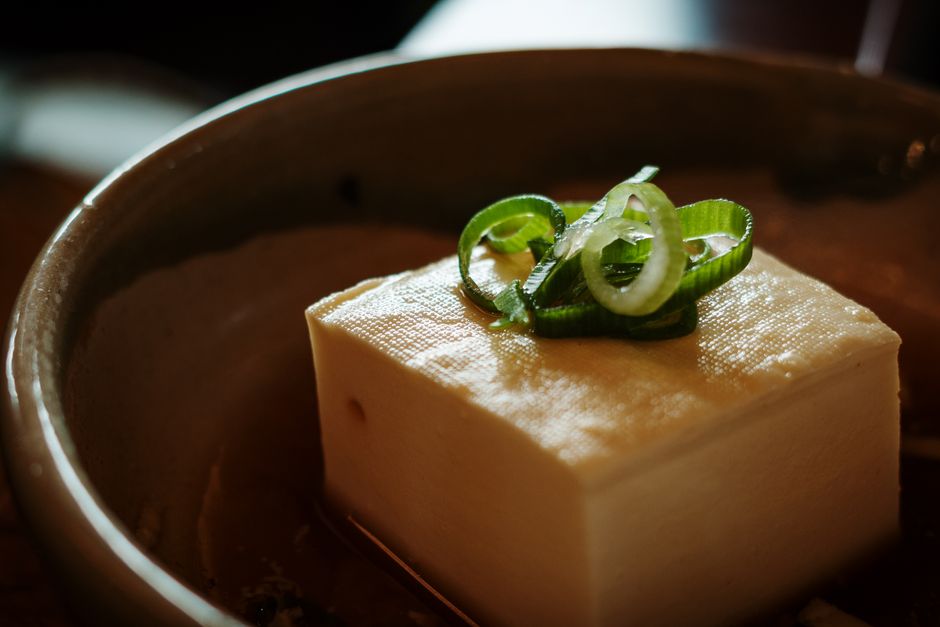
3. Tofu: Consistent Protein, Neutral Flavor, and Flexible Cooking
Satiety: Medium-High | Cost per serving: $0.50-$1.00 | Prep time: 10-15 minutes (firm tofu, pan-fried)
Firm tofu delivers around 10 g of protein per 3-oz serving and contains all nine essential amino acids, making it one of the few complete proteins in the plant world. That amino acid completeness matters for muscle synthesis, and protein quality influences how satisfied you feel over time, not just immediately after eating.
Tofu’s satiety score lands slightly below lentils and chickpeas primarily because it is lower in fiber. However, pairing it with a fiber-rich vegetable or grain closes that gap quickly. The prep is accessible: press for 10 minutes, cube, season, and pan-fry for a golden crust. No special equipment required.
Cost varies by region and brand but is still modest compared to meat. Choose firm or extra-firm for higher protein density.
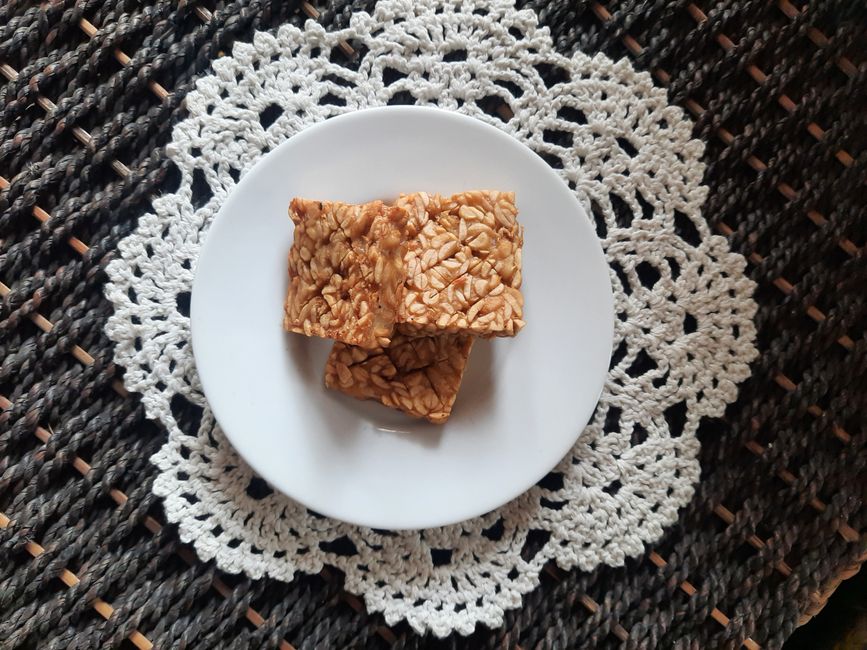
4. Tempeh: The Fermented Upgrade with Higher Protein and Better Digestion
Satiety: Medium-High | Cost per serving: $1.00-$1.75 | Prep time: 15-20 minutes
Tempeh is made from fermented whole soybeans, which means it retains more fiber than tofu and delivers higher protein per serving (about 16-19 g per 3 oz). The fermentation process also partially breaks down phytic acid, improving mineral absorption and making the protein more digestible for many people.
From a plant-based protein satiety cost standpoint, tempeh is the most expensive option in this ranking, but it is still significantly cheaper than most animal proteins. Its nutty, firm texture holds up well in stir-fries, tacos, and grain bowls. Slice thin, marinate briefly, and pan-cook for about 15 minutes. It is beginner-friendly once you get past the initial unfamiliarity.
If you are building out a full day of plant proteins, combining tempeh at dinner with lentils or chickpeas at lunch creates a robust amino acid profile across the day. See Five Plant-Based Dinners Ranked by Complete Protein, Real Satiety, and Cost for Sustainable Weight Management for practical meal ideas.
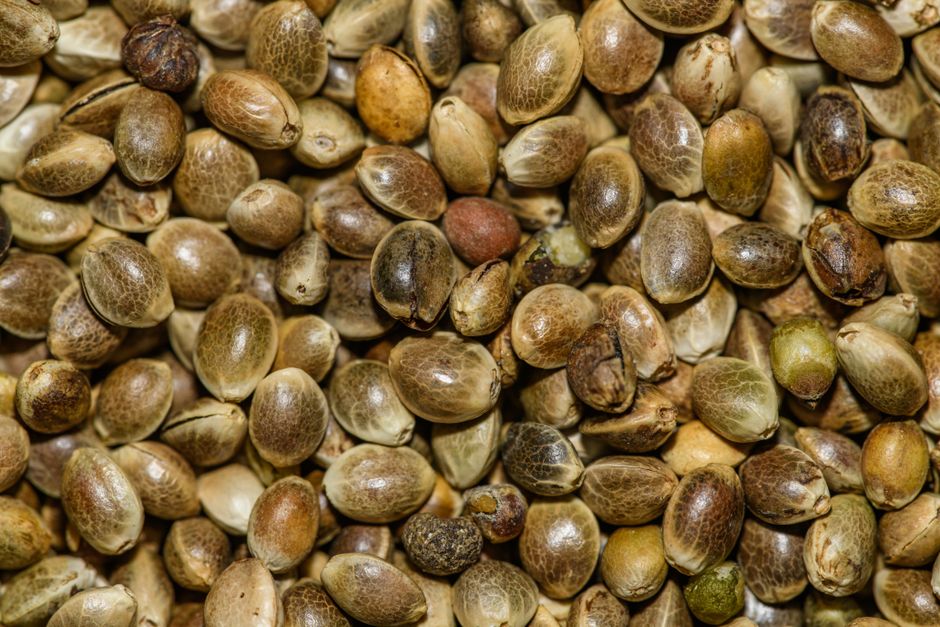
5. Hemp Seeds: Convenient but Pricier Per Gram of Protein
Satiety: Moderate | Cost per serving: $1.00-$2.00 (3 tbsp) | Prep time: Zero (no cooking)
Hemp seeds are often praised as a superfood, and they do offer genuine benefits: a complete amino acid profile, a good ratio of omega-3 to omega-6 fatty acids, and zero prep time. Sprinkle them on oatmeal, blend into a smoothie, or stir into yogurt.
However, their satiety per serving is more moderate than the legumes above. A standard 3-tablespoon serving provides about 10 g protein and only 1-2 g of fiber. Without much fiber to slow digestion, the fullness window is shorter unless you pair hemp seeds with other foods. They work best as a complement to a meal rather than the main protein anchor.
The cost is also the highest in this group by weight. Think of hemp seeds as a convenient, nutritious booster, not a budget protein solution.
Combining for Complete Amino Acids
Only soy-based proteins (tofu and tempeh) are complete on their own. Lentils, chickpeas, and hemp seeds each lack or are low in at least one essential amino acid. The good news is that you do not need to combine them in a single meal. Research from the Academy of Nutrition and Dietetics indicates that eating a variety of plant proteins throughout the day covers your amino acid needs effectively.
A practical example: lentil soup at lunch, tofu stir-fry at dinner, hemp seeds in your morning oatmeal. That pattern spreads protein load, keeps satiety steady, and covers the amino acid spectrum without careful measuring.
A Simple Starting Point
If you are new to plant-based eating and not sure where to begin, start with lentils or canned chickpeas. They offer the best combination of satiety, cost, and beginner prep time. Add tofu or tempeh as your confidence grows, and use hemp seeds as a no-cook protein boost between meals.
Choose one of these proteins this week, try a simple preparation, and build from there. Small, consistent choices add up faster than any dramatic overhaul. If you want to extend your protein strategy across the full day, High-Protein Breakfasts That Survive Until Lunch: Eggs, Legumes, Dairy, and Whole Grains Ranked by Satiety is a practical next read.
This article is for general educational and informational purposes only and is not a substitute for medical advice, diagnosis, or treatment. Health needs vary by individual. Consult a qualified healthcare professional before making significant changes to your diet, exercise routine, supplements, medication, or treatment plan, especially if you have a medical condition, are pregnant or breastfeeding, take medication, or have concerns about your symptoms.
Sources
- Messina M, et al. “Soy and Health Update: Evaluation of the Clinical and Epidemiologic Literature.” Nutrients, 2016. U.S. National Library of Medicine, PubMed.
- Mollard RC, et al. “First and second meal effects of pulses on blood glucose, appetite, and food intake at a later meal.” Applied Physiology, Nutrition, and Metabolism, 2011.
- Academy of Nutrition and Dietetics. “Position of the Academy of Nutrition and Dietetics: Vegetarian Diets.” Journal of the Academy of Nutrition and Dietetics, 2016.
- USDA FoodData Central. Nutritional data for lentils, chickpeas, tofu, tempeh, and hemp seeds. U.S. Department of Agriculture.
- Dahl WJ, Foster LM, Tyler RT. “Review of the health benefits of peas.” British Journal of Nutrition, 2012 (pulses and satiety evidence base).